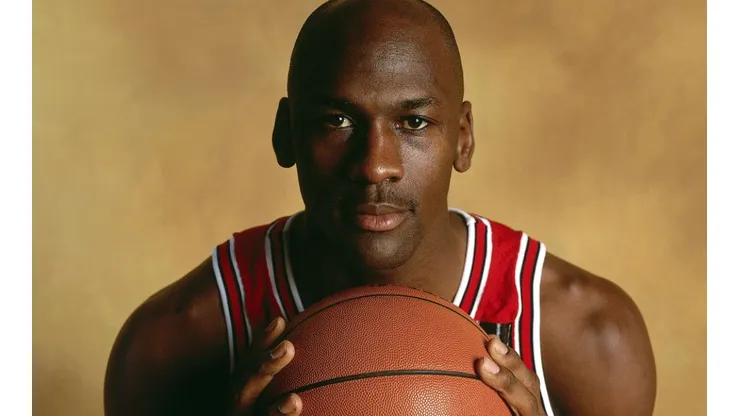
In the golden era of NBA dominance, one name stood head and shoulders above the rest: Michael Jordan. His mastery of the game wasn’t just felt on the scoreboard but etched in history through a legacy of MVP honors that shaped basketball lore.
From the late ’80s through the ’90s, his rise wasn’t just about scoring titles and championships. The Most Valuable Player award became a recurring headline, a testament to his unmatched impact on both ends of the court and in the cultural zeitgeist.
Yet behind each trophy lies a season of stories—clutch performances, rivalries and relentless drive. Charting his MVP timeline is more than stats; it’s a journey through the evolution of greatness, defined by a player who made winning feel inevitable.
Michael Jordan’s first regular-season MVP award in 1988
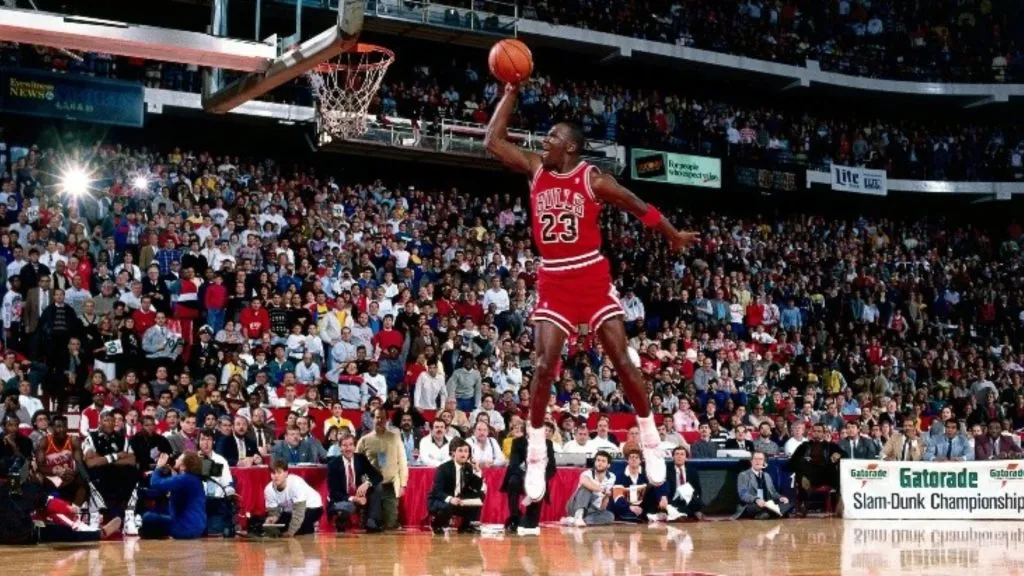
Michael Jordan won his first regular-season MVP award in 1988. (Source: Getty Images)
In the 1987–1988 season, Michael Jordan reached a level few players have ever touched. Not only did he lead the NBA with an average of 35.0 points per game, but he also showed his dominance on the other end of the court with 3.2 steals and 1.6 blocks per game. That year, he won both the Regular Season MVP and Defensive Player of the Year, a rare achievement.
The Chicago Bulls were not yet a championship team, but Jordan led them to a solid 50–32 record, proving he could elevate those around him. His combination of explosive scoring and fierce defense made it clear he was the best player in the league, even if his team was still growing.
Regular season and NBA Finals MVP in 1991
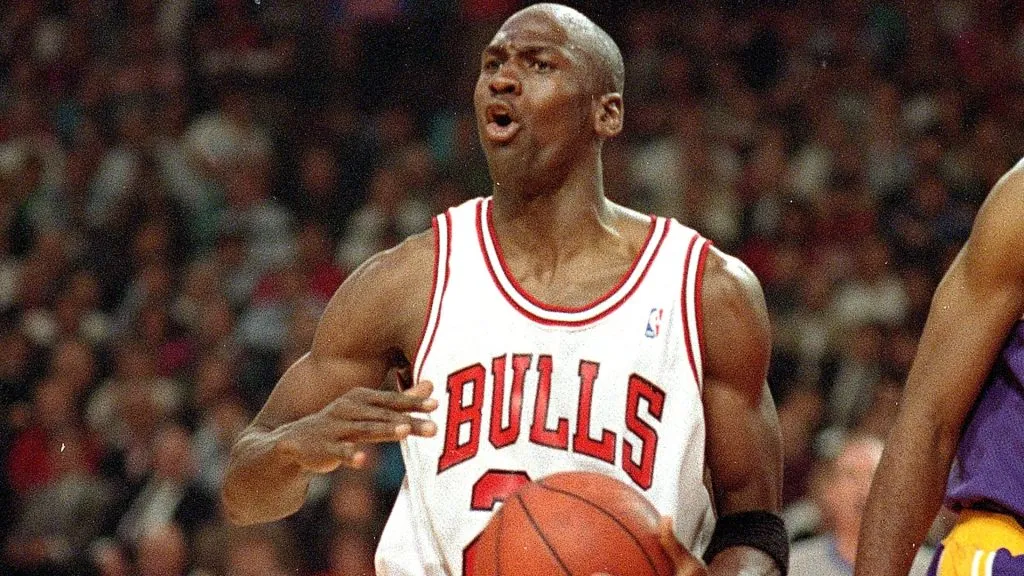
Michael Jordan #23 of the Chicago Bulls reacts during game two of the NBA Finals against the Los Angeles Lakers in 1991. (Source: Jonathan Daniel /Allsport)
The 1990–1991 season was a turning point in Jordan’s career. He had already proven himself as the best individual player, but this was the first time he translated that into team leadership. Averaging 31.5 points, 6 rebounds, and 5.5 assists per game, he led the Bulls to a 61–21 record.
What truly set this season apart was the team’s leap in the playoffs: He won his first NBA championship, defeating Magic Johnson and the Los Angeles Lakers in the Finals. The Regular Season MVP was just a preview of the dominant era that was about to begin.
Regular season and MVP Finals MVP in 1992
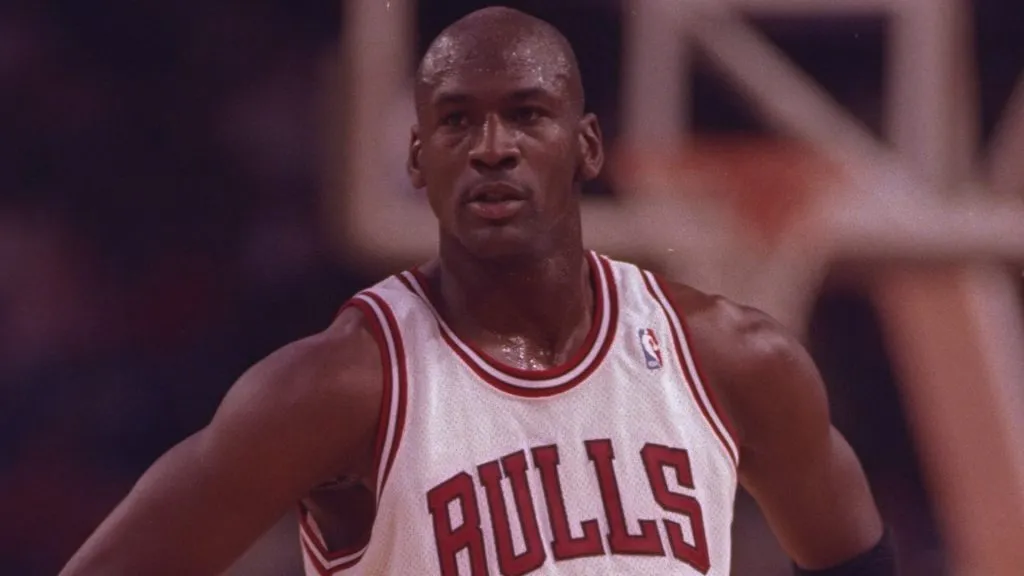
Guard Michael Jordan of the Chicago Bulls looks on during a game against the Denver Nuggets at the United Center in 1992. (Source: Jonathan Daniel /Allsport)
After the 1991 title, some doubted whether the Bulls could repeat. Michael Jordan answered in the only way he knew how: by dominating. In the 1991–1992 season, he averaged 30.1 points, 6.4 rebounds and 6.1 assists per game. Once again, the Bulls were the best team in the East with 67 wins.
In the playoffs, he maintained his level and led Chicago to their second consecutive championship, defeating Clyde Drexler’s Portland Trail Blazers. In the Finals, he delivered one of his most iconic performances—the famous “shrug” after hitting six three-pointers in one half. His second MVP solidified his status as the absolute face of the NBA.
Regular season and NBA Finals MVP in 1996
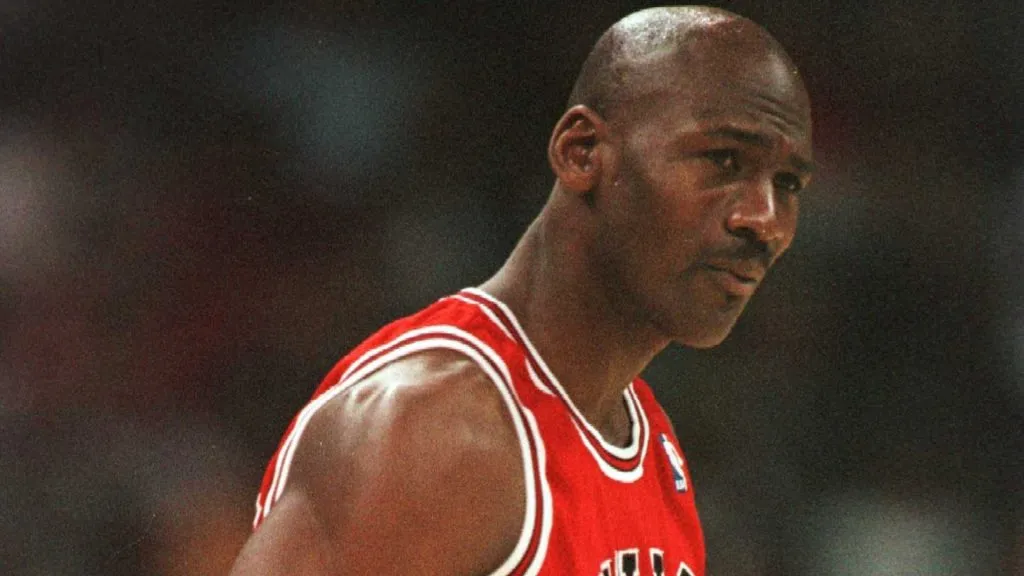
Michael Jordan #33 of the Chicago Bulls walks to the bench during the first quarter of their game against the Milwaukee Bucks in 1996. (Source: Jonathan Daniel/Allsport)
After retiring in 1993 and briefly returning midway through the 1995 season, many questioned whether Michael Jordan could ever be the same. The answer came loud and clear in 1995–1996. In his first full season back, he led the Bulls to a historic 72–10 record, the best in NBA history at the time.
He averaged 30.4 points, 6.6 rebounds, and 4.3 assists, and was the team’s offensive and emotional leader. In addition to winning Regular Season MVP, he also took home All-Star MVP and Finals MVP, capping the perfect season with a championship win over the Seattle SuperSonics. It was a story of redemption and total dominance.
Regular season and NBA Finals MVP in 1998
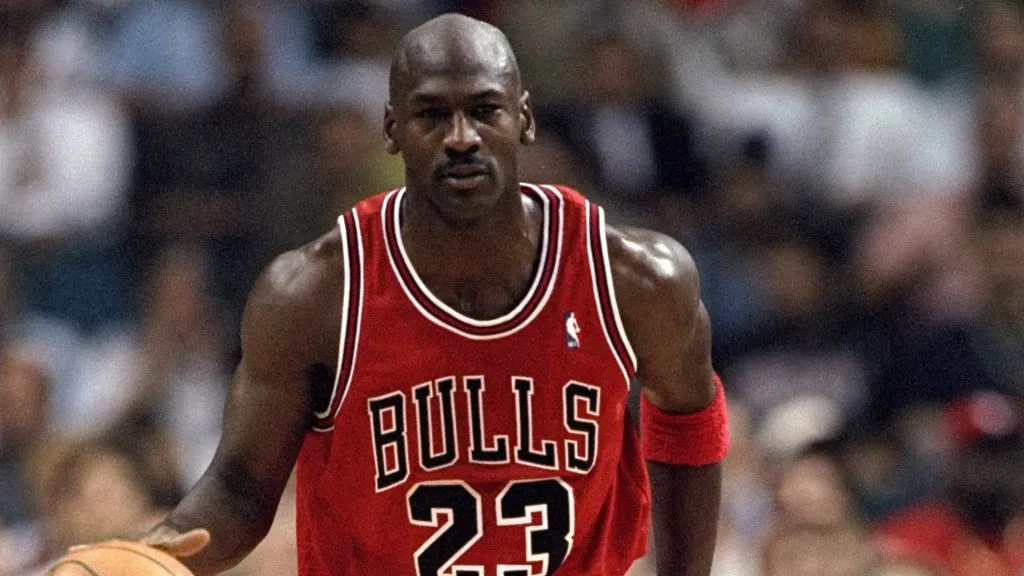
Guard Michael Jordan of the Chicago Bulls in action against the Miami Heat during a game at the Miami Arena in 1998. (Source: Andy Lyons /Allsport)
The 1997–1998 season was dubbed “The Last Dance”, the final run of the Chicago Bulls as we knew them. At 35 years old, Jordan refused to give up his throne. He averaged 28.7 points, 5.8 rebounds, and 3.5 assists, playing a key role in the Bulls finishing with a 62–20 record.
He won his fifth and final Regular Season MVP, and closed out the most legendary chapter of his career with an unforgettable moment: the final shot against the Utah Jazz in Game 6 of the Finals, securing his sixth title and sixth Finals MVP. It was the perfect ending to a truly unmatched career.