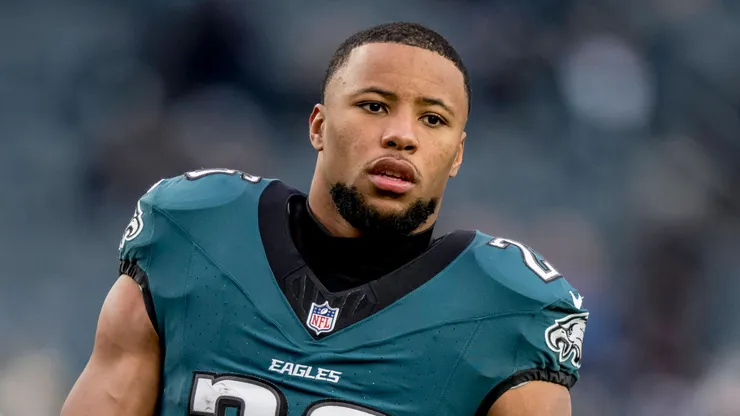
Saquon Barkley is one of the most important voices that could weigh in these days on the controversy surrounding the Tush Push. The Philadelphia Eagles have won the NFL Super Bowl, and across the rest of the league, the debate over banning the play has intensified.
The Eagles were the first team to popularize the Tush Push, a play used in short-yardage situations where the quarterback is pushed forward by teammates, creating momentum that is nearly impossible for opposing defenses to stop.
Running back Barkley made his stance clear by strongly defending the Tush Push amid debates over its legitimacy. The Eagles star emphasized how Philadelphia uses the play to support quarterback Jalen Hurts.
Barkley’s clear message on the Tush Push
“If you don’t like it, get better at stopping it. It’s not like a play that we only do. Everyone tries it, we’re just super successful at it,” Barkley said to ESPN about the Tush Push. Hurts’ teammate in Philadelphia was honest, saying that every franchise in the league is trying to execute the play effectively.
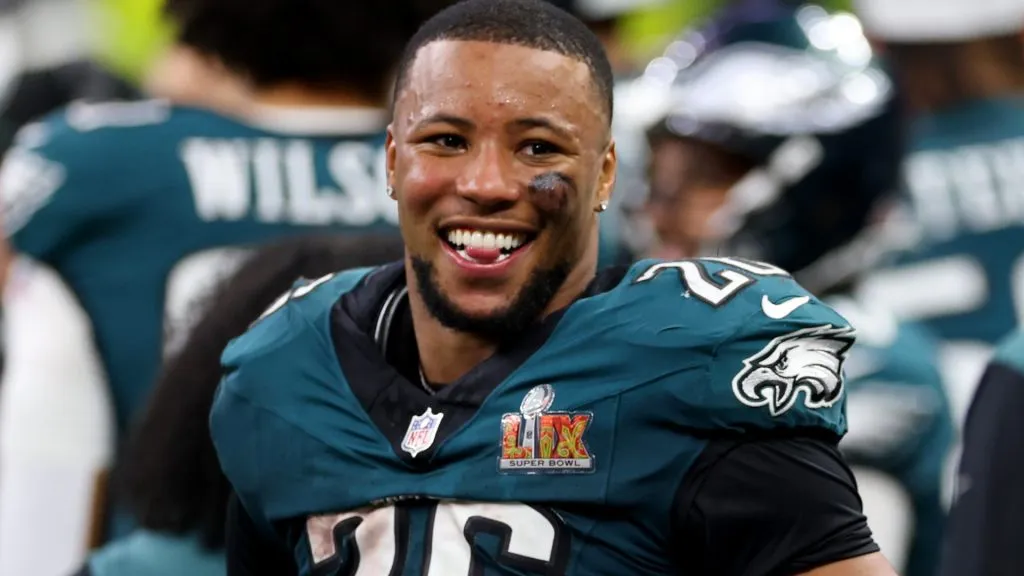
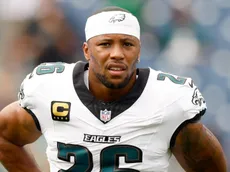
Saquon Barkley #26 of the Philadelphia Eagles looks on from the sideline in the fourth quarter against the Kansas City Chiefs during Super Bowl LIX at Caesars Superdome on February 09, 2025 in New Orleans, Louisiana.
According to Barkley, the effectiveness of the play is due to the team’s execution and not to any unfair advantage. However, several franchises have opposed this move for various reasons, ranging from player safety to the distortion of the game. The truth is that the possibility of using the Tush Push in the NFL will be decided soon.
What will happen to the Tush Push?
This month will be crucial for the survival of the play. The next NFL owners’ meeting, where a vote on banning the Tush Push is expected, is scheduled for May 20-21, 2025, in Minnesota.
SurveyWill Tush Push be banned?
Will Tush Push be banned?
ALREADY VOTED 0 PEOPLE
Previously, the Green Bay Packers had sparked the debate at the annual meeting in March, but the proposal was postponed due to a lack of consensus among the teams. Of the 32 teams in the league, 16 supported the ban, but at least 24 votes are required to approve a rule change.