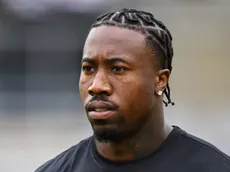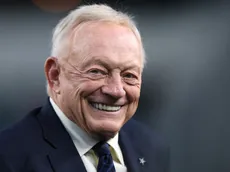
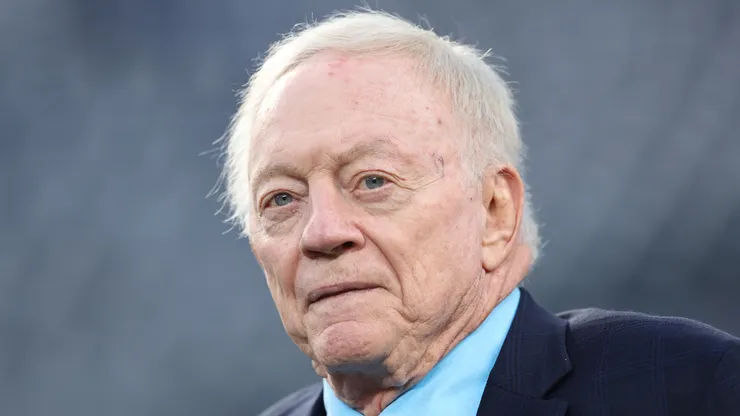
Jerry Jones made a shocking decision when he decided to trade Micah Parsons from the Dallas Cowboys to the Green Bay Packers in exchange for two first-round picks and Kenny Clark. Now, a report from Adam Schefter has revealed new details about the move, including a condition that Jones placed on the Packers.
“Unbeknownst to everyone except the few who crafted the August blockbuster trade that sent Parsons from Dallas to Green Bay was a ‘poison pill’ condition that, according to sources involved with the deal, prevents the two-time All-Pro from playing for Philadelphia in the immediate future. The previously unreported condition states that if the Packers decide to trade Parsons to a team in the NFC East (the Eagles tried to trade for him in the summer before being rebuffed) then Green Bay would owe Dallas its 2028 first-round draft pick, sources involved in the trade told ESPN.”
For many weeks, the defending Super Bowl champions were mentioned as a possible destination for Parsons. For that reason, Jerry Jones wanted to prevent any kind of future trade or workaround that could send him to their NFC East rival.
Why did the Cowboys trade Micah Parsons?
The Cowboys traded Micah Parsons because Jerry Jones became upset with the player after what was supposedly a handshake agreement between them. The star’s agent decided to step in, as the money being discussed was far from what they had expected.
When David Mulugheta took over the negotiations, Jones no longer wanted to deal with the agent and began looking for suitors for Parsons. The Packers made the best offer and also gave Micah a four-year, $188 million contract extension. Jerry wasn’t going to pay that.
By the way, in an interesting twist, the restriction also applies to Kenny Clark, according to Schefter’s report. “The ‘poison pill’ condition also was used on Kenny Clark, the other player involved in the trade, according to sources. If the Cowboys trade Clark to a team in the NFC North, they would owe the Packers their 2028 first-round pick.”