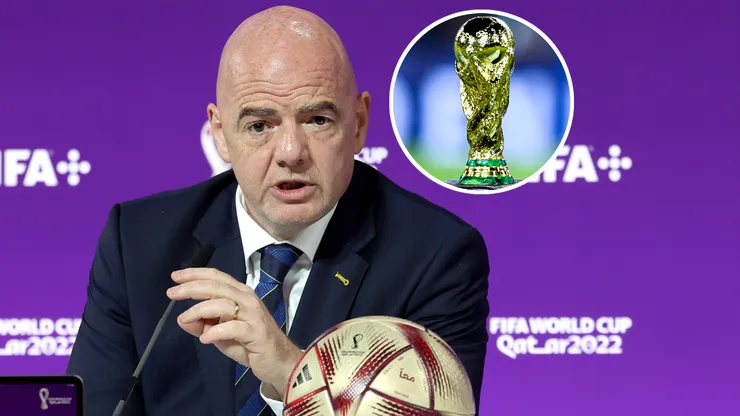
Following Gianni Infantino‘s tenure as FIFA president, soccer has seen transformative changes worldwide, particularly with the integration of technology. This era has ushered in a revamped FIFA Club World Cup and introduced a series of updates for the 2026 World Cup. As we look ahead, CONMEBOL is reportedly advocating for further modifications to enhance the prestigious tournament by the 2030 edition.
According to Diario Ole, CONMEBOL is pushing for a major shift in the 2030 FIFA World Cup by proposing an expansion from 48 to 64 teams. While this might seem excessive, it is not unprecedented; the tournament expanded from 24 to 32 teams in 1998, paving the way to the recent expansion to 48 national teams in 2026. Now, the potential expansion is now being studied towards the 2030 edition.
After the latest FIFA Council meeting, CONMEBOL president Alejandro Dominguez made a statement that could hint at a possible agreement for a major change in the World Cup format. “We came here to work and had an extremely important meeting. Stay tuned because we will soon be announcing news that will impact the world,” he said, as reported by Diario Ole.
Though FIFA has not officially announced it, sources like Diario Ole report that President Gianni Infantino is lobbying for support across various regions ahead of a Council meeting next week. The meeting is expected to unveil plans to expand the tournament to 64 teams. However, this change would only take effect starting with the 2030 edition, establishing a new precedent for future World Cups, while the 2026 event remains unaffected.
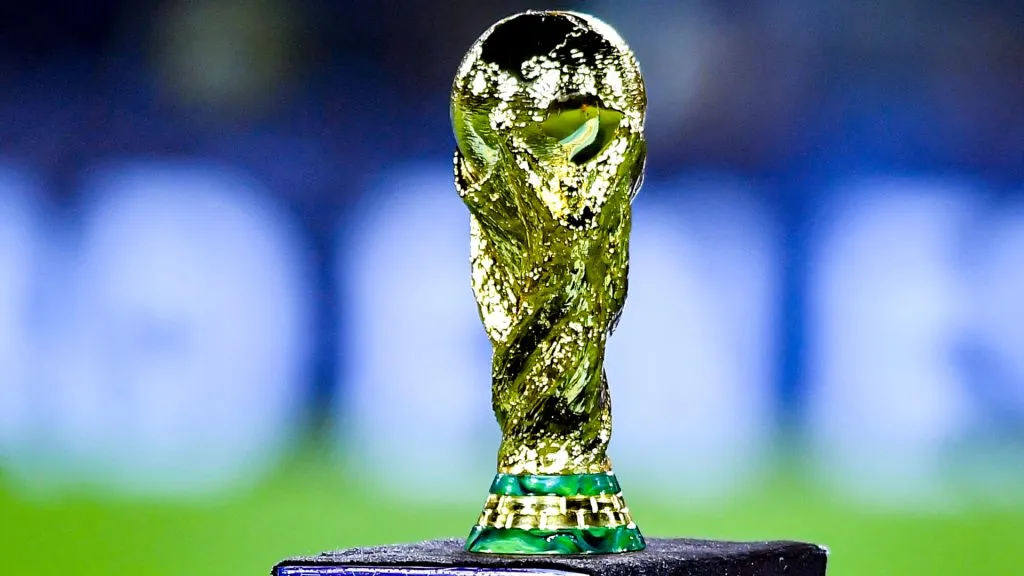
A detailed view of the FIFA World Cup Trophy.
How would the FIFA World Cup 2030 be played under the potential change?
If FIFA approves and announces expanding to 64 national teams, the traditional World Cup format will change significantly. The tournament will feature 16 groups instead of the usual 12, with the top two teams from each group moving on. Consequently, 32 teams will progress to the second round, matching the number that qualified for the tournament’s first round in the 2022 edition.
This change presents a golden opportunity for national teams like Venezuela, which have yet to experience a World Cup. However, it also challenges future tournaments, as a single nation might struggle to accommodate the increased number of matches in a compressed timeframe. Consequently, this shift encourages more collaborative bids for hosting rights, shaping the tournament’s future landscape.