Manchester’s history is marked by unforgettable clashes and a rivalry seeded in pride. Somewhere between the chants for United and the cheers from City sit the stories of a rare breed, players who donned both Red and Blue.
These are not simply transfers. Some were controversial, others were quiet, but all carried with them the weight of switching sides in one of the fiercest derbies in sport. They left behind fans divided and legacies complicated.
Beyond the noise and divided opinions remains a shared thread: ambition, reinvention, and the courage to step across enemy lines. Their paths remind soccer of its most human side, where rivalry and destiny often blur together.
Denis Law
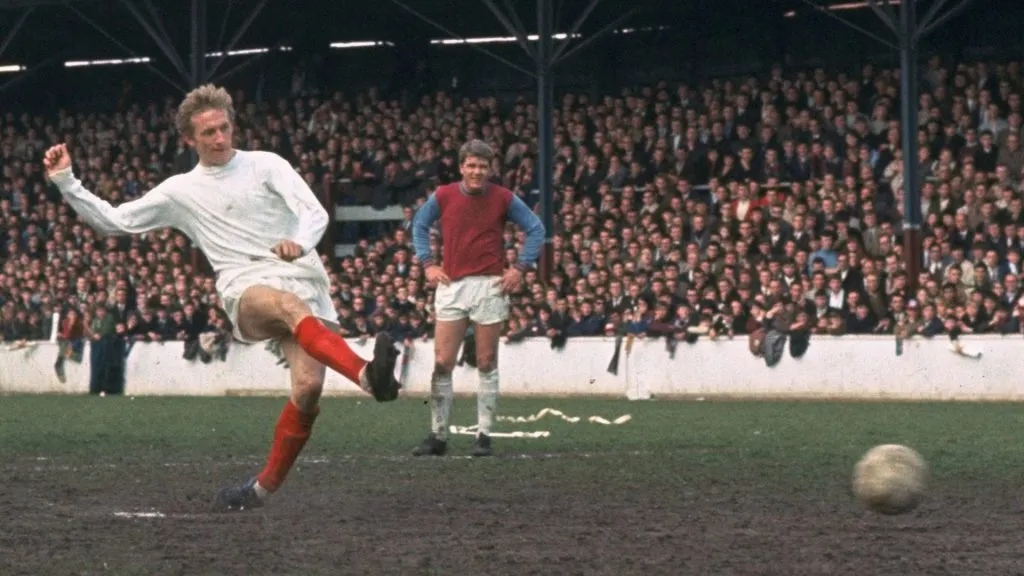
Denis Law (Source: Allsport UK /Allsport)
The story of the Scottish striker, “The King”, is defined by a deep well of glory at Old Trafford, where he was integral to the Holy Trinity and lifted the 1964 Ballon d’Or and the 1968 European Cup. Denis Law‘s connection to Manchester City was bookended: a brief, record-breaking spell in 1960 and a single final season in 1973-74.
It was in the latter, against his beloved former club, that he sealed his tragic-hero status. In the infamous 1974 derby, a last-gasp backheel goal for City sealed what was believed to be United’s relegation.
He was visibly distraught and later admitted he felt “seldom so depressed,” walking straight off the pitch, unable to celebrate or continue. That single, heartbroken backheel became the definitive, agonizing symbol of the Manchester divide.
Peter Schmeichel
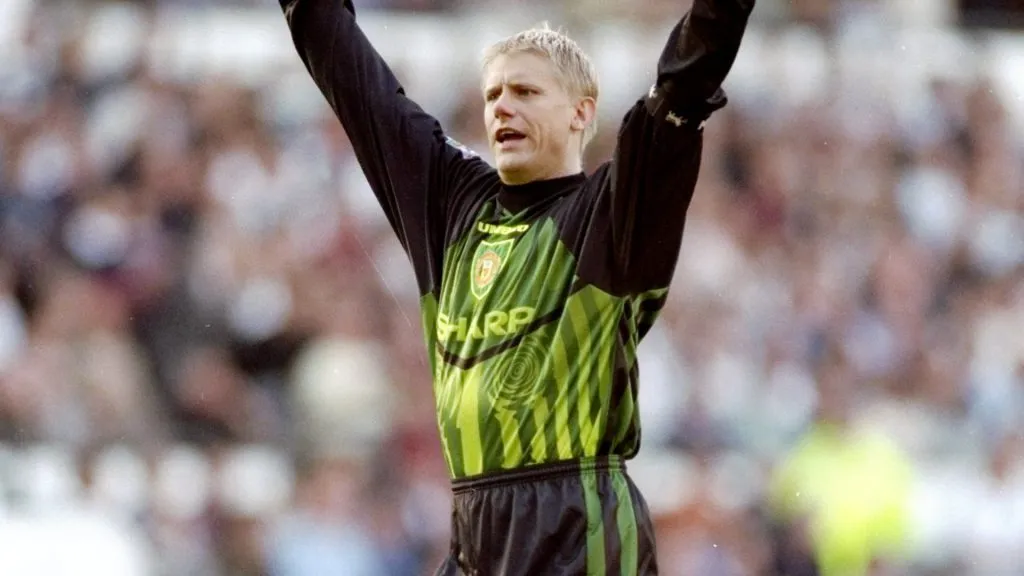
Peter Schmeichel (Source: Allsport UK /Allsport)
The big Dane’s legacy as one of soccer’s greatest goalkeepers was forged over eight monumental years at Manchester United, where his imposing presence and iconic star-jump save defined the Sir Alex Ferguson era. Peter Schmeichel was the crucial final piece in the 1999 Treble jigsaw.
The very idea of him playing for the opposition was heresy to the Red side, yet Schmeichel returned to the Premier League with Manchester City for the 2002-03 season following spells abroad and at Aston Villa.
His move, though a late-career decision, was deeply controversial. In a bizarre twist of fate, the legendary shot-stopper retired with a bizarre derby record: he never lost a Manchester derby in his career, an achievement that cuts across both club loyalties.
Andy Cole
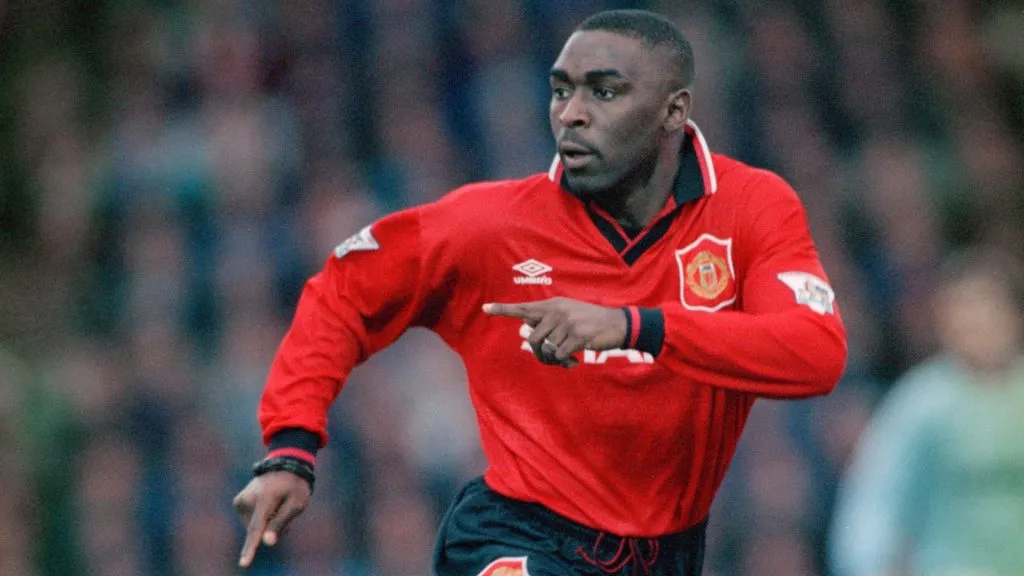
Andy Cole (Source: Shaun Botterill/Getty Images)
Andy Cole was a goal-scoring machine during his time at Manchester United, forming one half of the spectacular “Cole and Yorke” strike partnership that terrified defenses during the Treble-winning campaign.
He secured five Premier League titles and the Champions League, making him a true Old Trafford great. His decision to join Manchester City for the 2005-06 season was not marked by the fury of a direct defection. Instead, it was a logical, late-career move following spells at Blackburn and Fulham.
His time at the Etihad was a quieter affair, a chance to briefly reignite his formidable scoring touch under Stuart Pearce, providing a pragmatic contrast to the emotionally charged transfers between the rivals.
Carlos Tevez
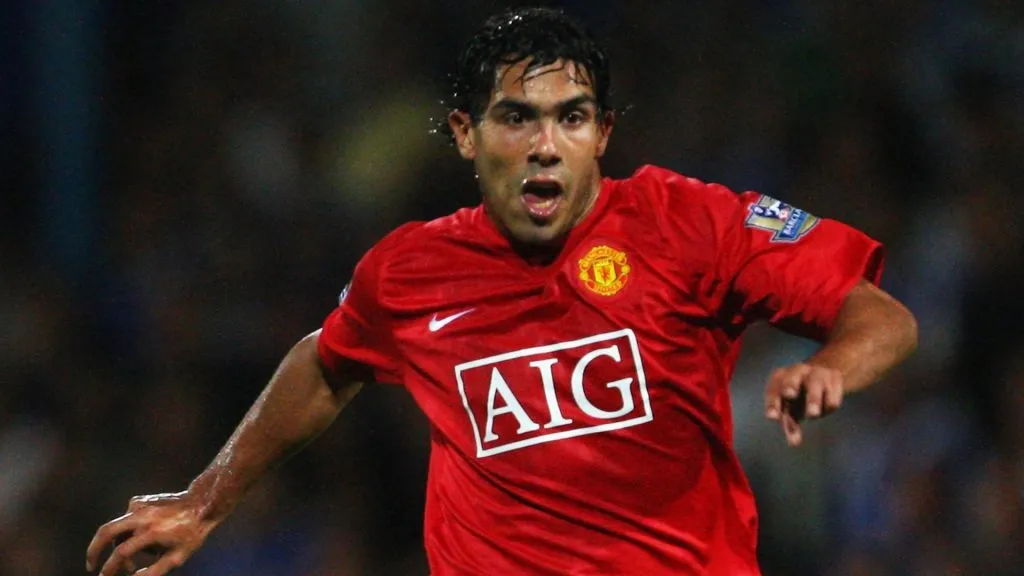
Carlos Tevez (Source: Mike Hewitt/Getty Images)
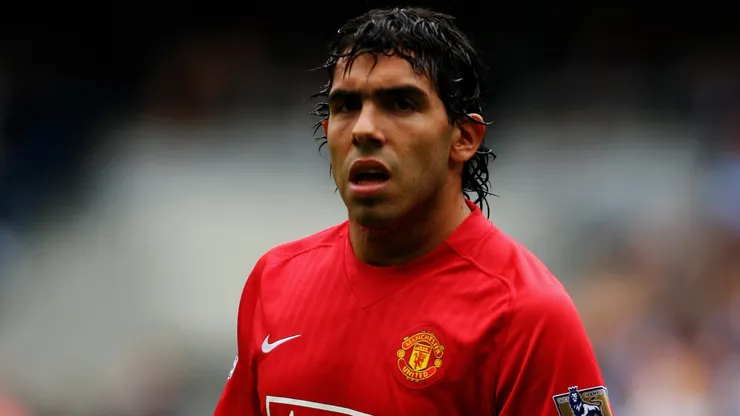
No single cross-city transfer has been as aggressively provocative as Carlos Tevez’s move in 2009. His two-year “loan” at Manchester United was highly successful, yielding multiple trophies, but a failure to agree terms led to a bitter, public split.
When he signed for the cash-rich Manchester City, the club immediately seized the opportunity for antagonism. The now-infamous “Welcome to Manchester” billboard appeared in the city centre, a direct, taunting message to their dominant neighbours.
Tevez, fueled by the drama, became an Etihad legend, famously lifting the Golden Boot and a Premier League title, cementing his status as a defiant symbol of City’s rise and United’s irritation.
Andrei Kanchelskis
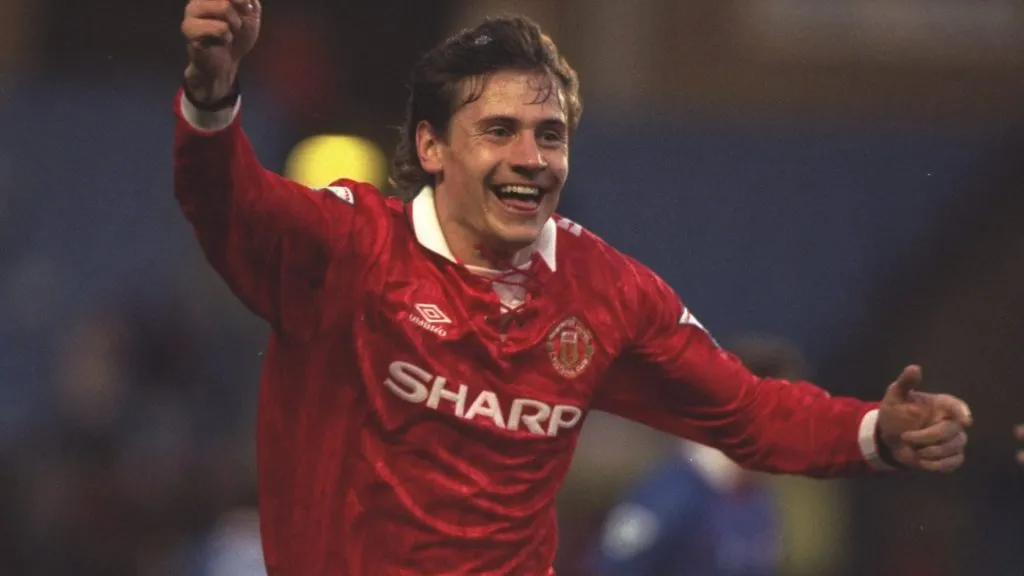
Andrei Kanchelskis (Source: Mike Cooper/Allsport)
Andrei Kanchelskis was the Soviet speedster, a blistering right winger fundamental to Sir Alex Ferguson transforming Manchester United into Premier League winners in the early 90s.
His time at Old Trafford was defined by flair and goals, making him an original star of the modern era. After his successful run, and spells at Everton and Fiorentina, his loan move to Manchester City in 2001 was almost a ghost-like appearance.
He played just ten league games for the Sky Blues, a brief sojourn that saw the club struggling and ultimately relegated at the end of that campaign. The contrast between his role as an architect of United’s league titles and his powerless position in a relegated City side is stark.
Peter Barnes
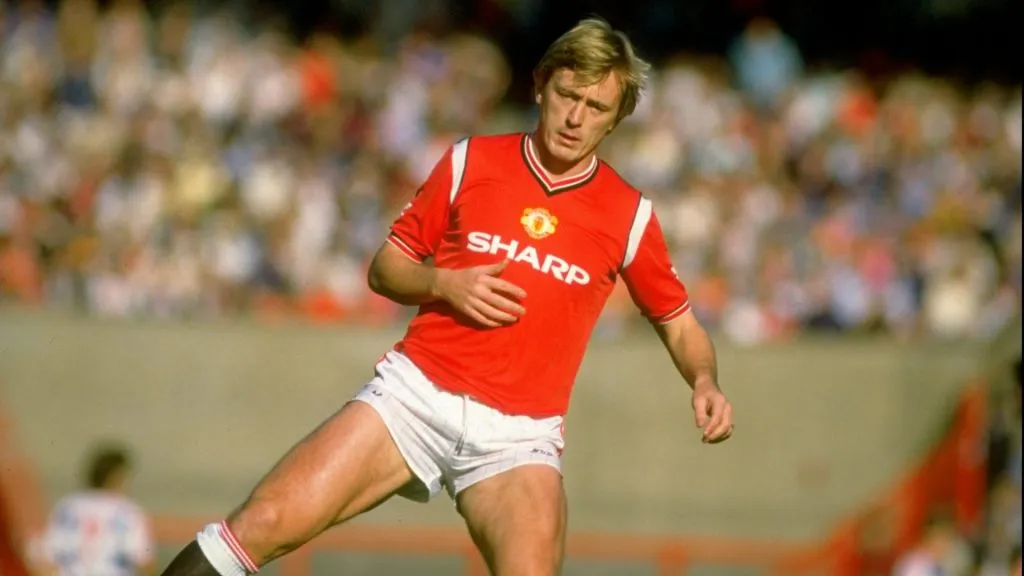
Peter Barnes (Source: Allsport UK /Allsport)
The son of City legend Ken Barnes, Peter was a homegrown hero at Manchester City, showcasing immense talent as a left winger and earning the 1976 PFA Young Player of the Year award. His move to Manchester United in the mid-1980s came after a series of transfers away from his original club, lacking the sting of a direct switch.
His spell at Old Trafford was relatively quiet, a footnote in his extensive career which saw him play for over 20 clubs. He represents the era before the hyper-intensity of the modern rivalry, where players could cross the divide without igniting a national scandal.
Brian Kidd
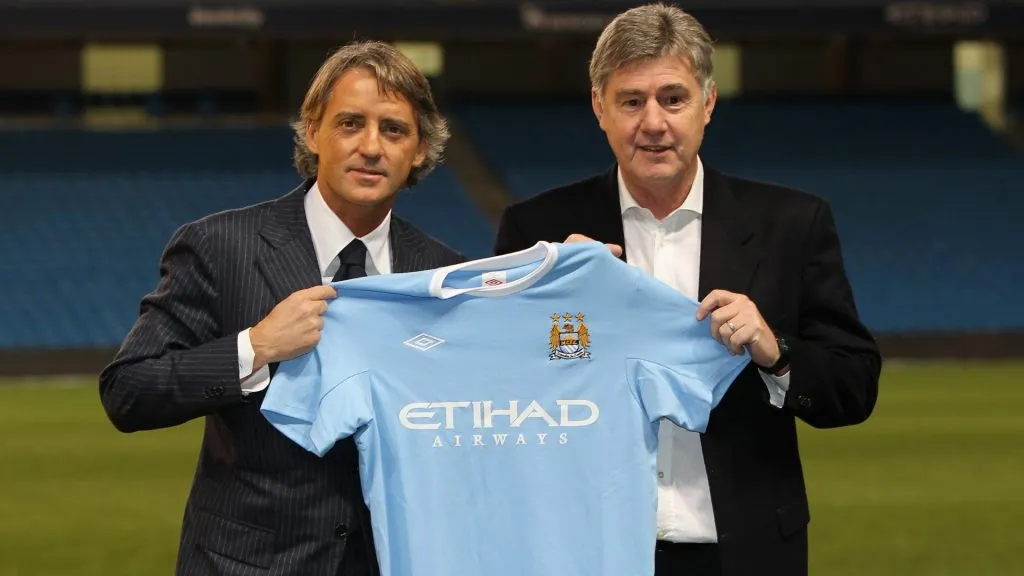
Roberto Mancini and Brian Kidd (Source: Alex Livesey/Getty Images)
Brian Kidd holds a unique position, having served both sides as player and, even more remarkably, as a coach. Born in Manchester, he was a United academy product who cemented his legend by scoring on his 19th birthday in the 1968 European Cup Final.
He later played for City in the late 70s. However, his enduring legacy comes from the bench: he was Sir Alex Ferguson’s trusted assistant during United’s dominance in the 90s, only to later join Manchester City’s coaching staff during their takeover era, becoming a key member in their subsequent title wins. He truly is the ultimate Red-and-Blue insider.
Owen Hargreaves
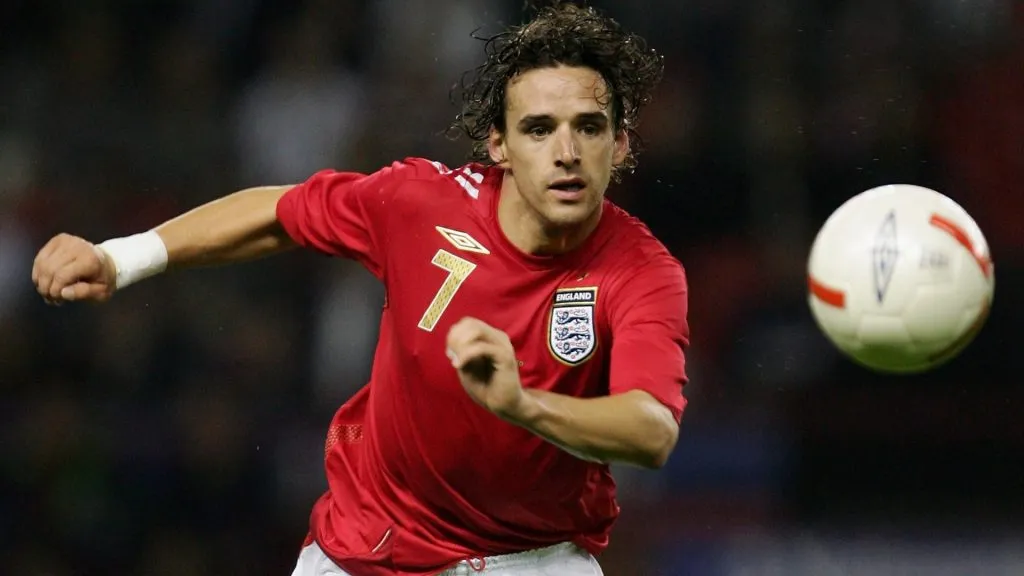
Owen Hargreaves (Source: Laurence Griffiths/Getty Images)
The transfer of Owen Hargreaves is a tale steeped in frustration and ill-fated determination. He arrived at Manchester United in 2007 as a world-class midfielder, but his four-year tenure was destroyed by chronic knee injuries, limiting him to just 39 total appearances.
Determined to prove his fitness, he famously posted YouTube videos of himself training to attract a new club. Manchester City took a costly gamble on him in 2011, a final, desperate roll of the dice in the player’s career. His final spell was a whimper, playing only one Premier League match before retiring, a heartbreaking end to a promising career defined by chronic pain.
John Gidman
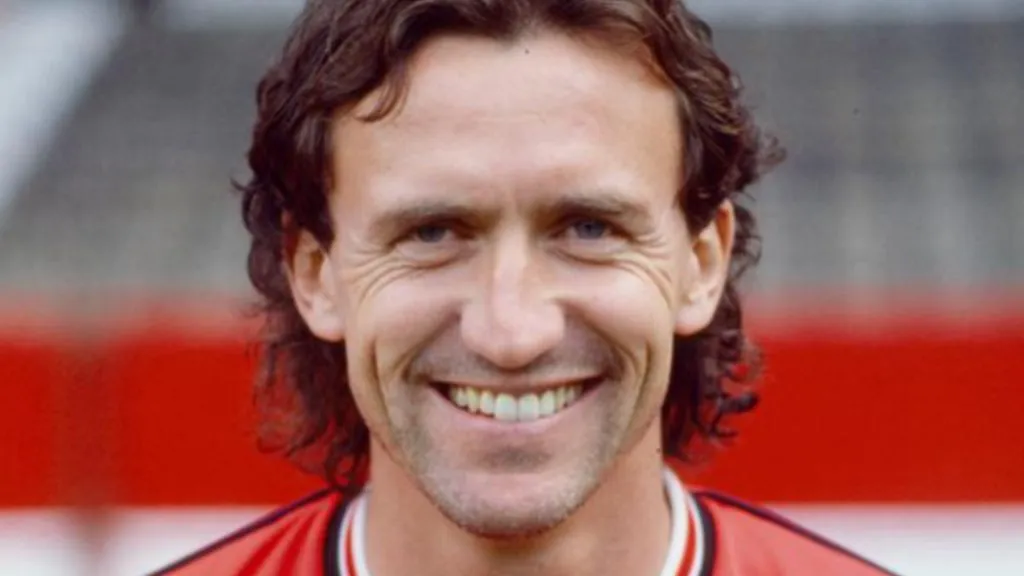
John Gidman (Source: Manchester United)
John Gidman was an experienced full-back who navigated the Manchester divide in the mid-1980s. After beginning his career at Aston Villa and enjoying a successful spell at Everton, he arrived at Manchester United in 1981.
After four years at Old Trafford, he made the move to Manchester City in 1986. Gidman briefly achieved cult hero status at Maine Road by allegedly stating that City were the only club he would leave United for. He managed over 60 appearances for the Sky Blues, providing a solid, albeit unsung, link between the two rivals.
Sammy McIlroy
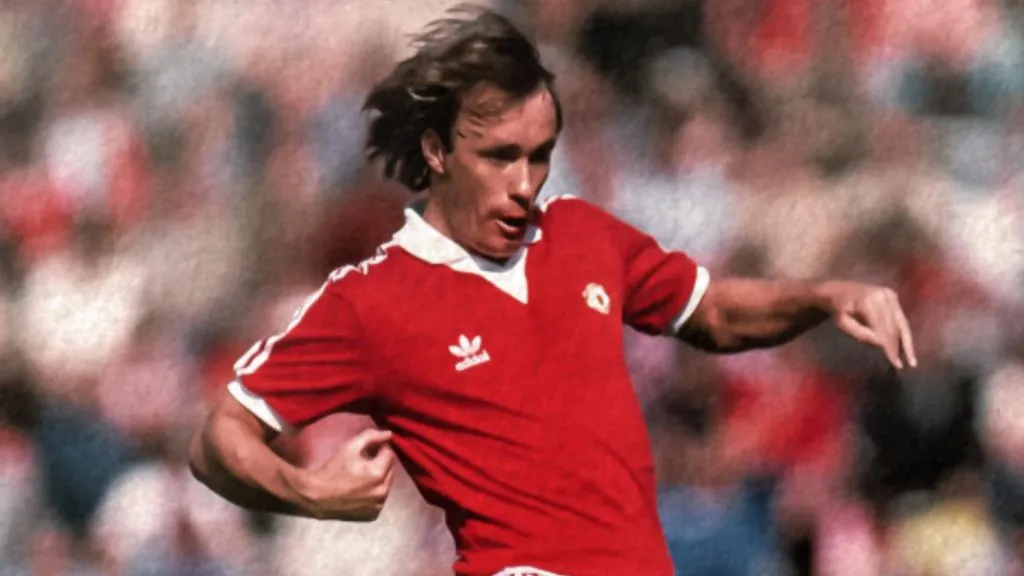
Sammy McIlroy (Source: Manchester United)
Sammy McIlroy possesses an unshakeable place in United history as the last player signed by the great Sir Matt Busby in 1969, earning him the title of the final Busby Babe. He served the Red Devils loyally for 11 years, making an instant impact by scoring on his debut in the derby against City.
After leaving Old Trafford, the Northern Ireland international had spells with other clubs before a brief, late-career stint at Manchester City in the 1985-86 season. His legacy remains firmly anchored in the Red half, but his fleeting appearance in the blue shirt secures his inclusion as a symbolic crosser.
Terry Cooke
Terry Cooke (Source: These Football Times)
Terry Cooke’s story is a measure of the unforgiving nature of Old Trafford’s “Class of ’92” era. Despite being part of that legendary group of youth players, the winger failed to secure a regular first-team spot at Manchester United.
In 1999, he took the rare and decisive step of moving directly to Manchester City. His transfer was one of the very few direct switches between the clubs at that time, making him an early pioneer of the modern, confrontational crossing of the divide.
Billy Meredith
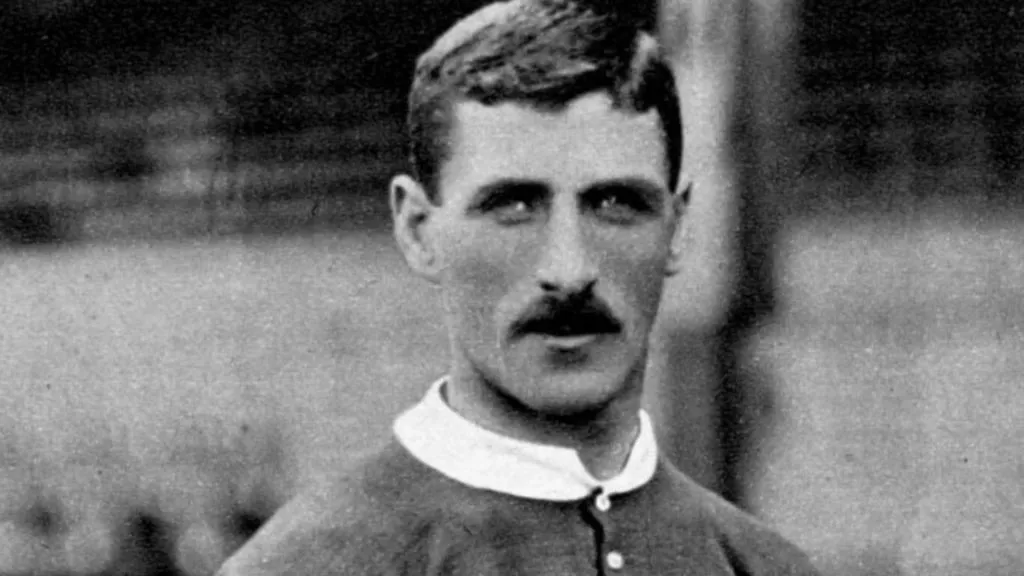
Billy Meredith (Source: Manchester United)
The saga of Billy Meredith traces the origins of the bitter rivalry back to the early 1900s. A City icon, he was the central figure in the 1905 bribery scandal which saw him suspended. In a dramatic fallout, Manchester United shrewdly acquired Meredith after he was put up for auction, capitalizing on City’s turmoil.
His signing, along with several other implicated City players, directly helped United win their first league titles. His politically charged transfer was arguably the most disruptive, pivotal move between the rivals in their entire history.
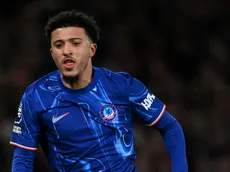
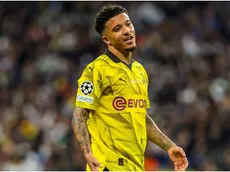
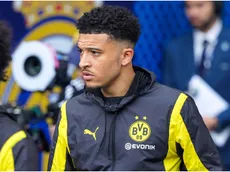
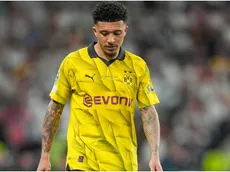
Jadon Sancho
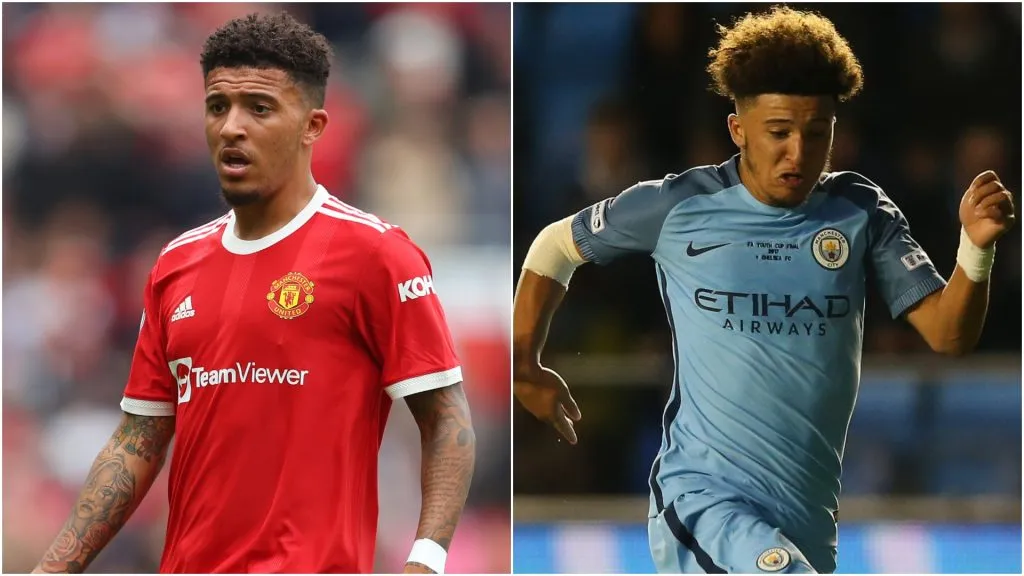
Jadon Sancho (Source: Catherine Ivill/Getty Images — Alex Livesey/Getty Images)
Jadon Sancho’s unique journey is a tale of modern youth academy politics. A City academy prodigy, he famously rejected a professional contract from Pep Guardiola in 2017, seeking first-team soccer at Borussia Dortmund.
After becoming a global star in Germany, his inevitable Premier League return was met with a transfer battle won by Manchester United in 2021. He is the ultimate modern crosser: a homegrown talent that one half of Manchester failed to secure, only to see him return as an expensive, statement signing for their bitter rivals.
Mark Robins
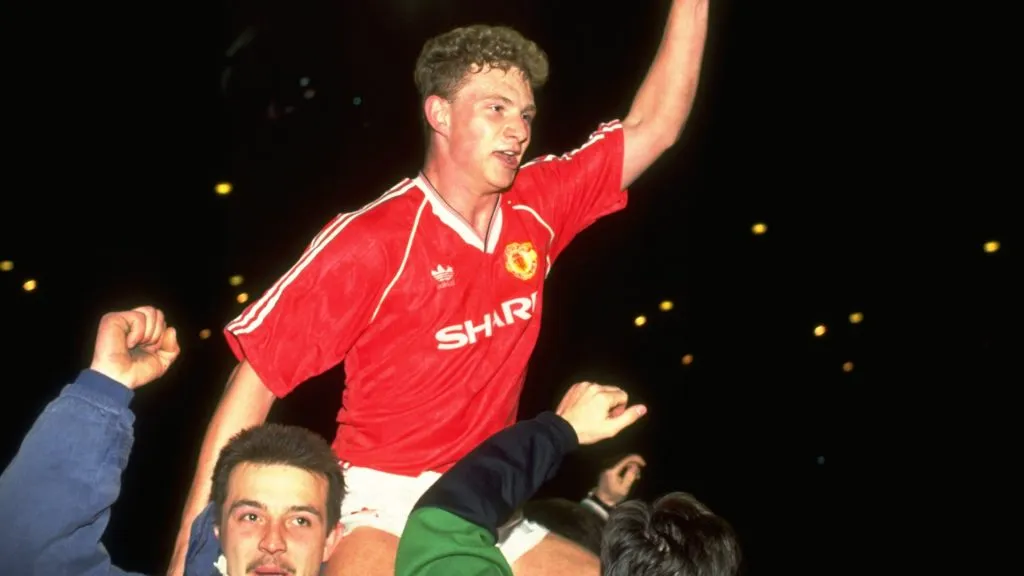
Mark Robins (Source: Dan Smith/Allsport)
Mark Robins is a name forever etched in Manchester United folklore, not for his overall career impact, but for the “goal that saved Alex Ferguson’s job”—the winner against Nottingham Forest in the 1990 FA Cup. That FA Cup victory was Ferguson’s first major trophy, arguably changing the course of United’s history.
Years later, after spells at Norwich and Leicester, the striker’s career came full circle with a minimal, two-game loan spell at Manchester City in 1999 while they were in the First Division. His connection to City is a footnote, but his legendary, career-altering contribution to United ensures his spot on this list of crossers.