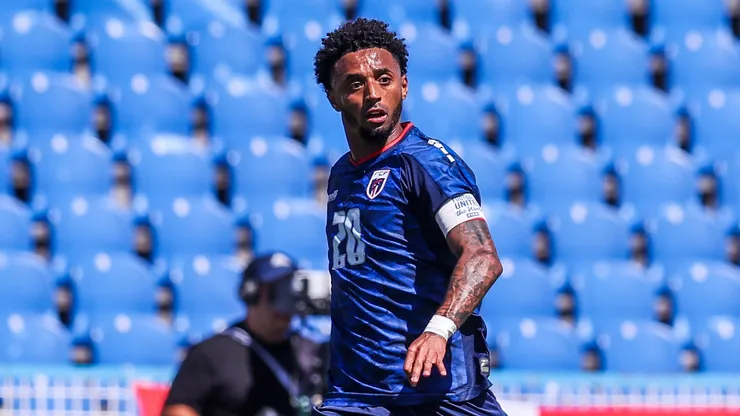
The 2026 FIFA World Cup features several intriguing storylines, many of them linked to the tournament’s debutant countries. Cape Verde, an archipelagic nation located in the central Atlantic Ocean, is one of the teams making its first-ever appearance on soccer’s biggest stage.
Located around 385 miles off the west coast of Africa, near Senegal, Cape Verde’s official language is Portuguese. However, Cape Verdean Creole is the most widely spoken language across the country.
With a population estimated at between 530,000 and 560,000 people, the archipelago is made up of 10 islands. Its capital and largest city, Praia, is located on the southern coast of Santiago Island.
Cape Verde’s road to the World Cup
Cape Verde, currently sitting at No. 67 in the FIFA World Rankings, secured their historic, first-ever qualification for a FIFA World Cup by delivering a stunning campaign in the CAF qualifiers, ultimately topping Group D. Under the tactical guidance of head coach Bubista, the Blue Sharks defied the odds in a demanding group that featured continental heavyweights like Cameroon and Angola.
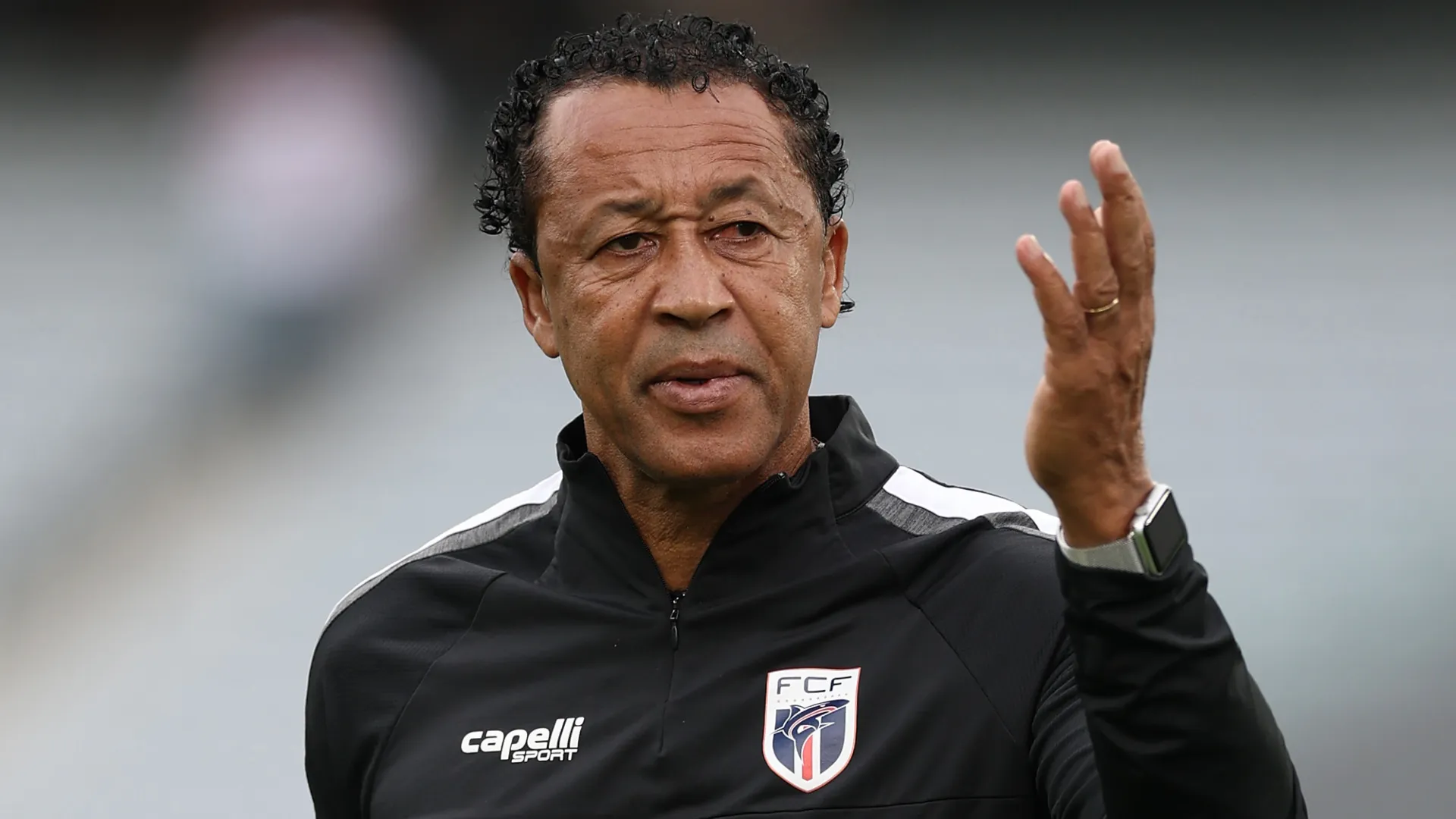
Bubista, Head coach of Cape Verde looks on during the FIFA Series match.
Displaying remarkable offensive efficiency and defensive resilience, the island nation sealed its direct ticket to the 2026 tournament with a decisive 3–0 victory over Eswatini. By securing the top spot, Cape Verde wrote a legendary chapter in soccer history, introducing to the world stage as one of the smallest nations to ever compete in the tournament.

World Cup debutants
Placed in a formidable Group H for the 2026 FIFA World Cup, Cape Verde face a daunting test against global powerhouses Spain and Uruguay, alongside regular tournament competitors Saudi Arabia. The Blue Sharks stand as one of four historic debutants capitalizing on the tournament’s expanded 48-team format.
Joining the West African island nation on the grandest stage for the first time in their histories are Curacao from CONCACAF, who edge out Cape Verde as the smallest qualifying nation by population in this edition, as well as the Asian duo of Jordan and Uzbekistan. Together, these four newcomers represent the changing landscape of global soccer, eager to transform their maiden appearances into unforgettable fairytale runs.