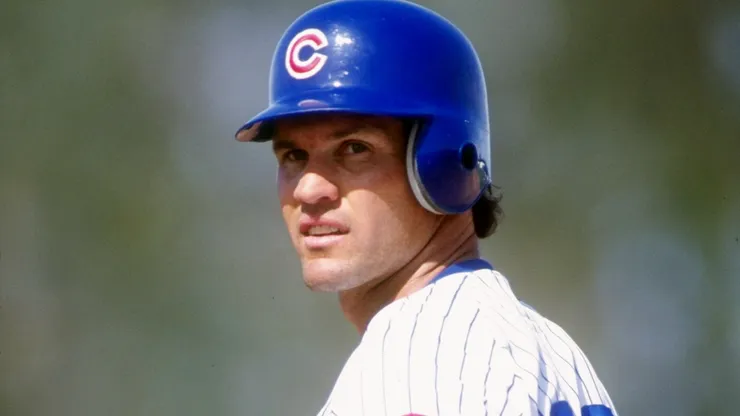
The history of the Chicago Cubs is stitched together by triumphs, heartbreaks, and unforgettable names. From Wrigley’s ivy-covered walls to the echoes of cheering crowds, every era has left behind players who became timeless figures.
Some carried the team on their backs during droughts, while others shined brightest under the pressure of October lights. The balance of grit, talent and enduring loyalty has made the Cubs a franchise defined not only by championships but by character.
Generations of fans have celebrated legends who stood as more than athletes, embodying the spirit of Chicago itself. Their stories reveal why the Cubs remain one of MLB’s most storied franchises, rich with icons who shaped its legacy.
25. Andre Dawson (1987-92)
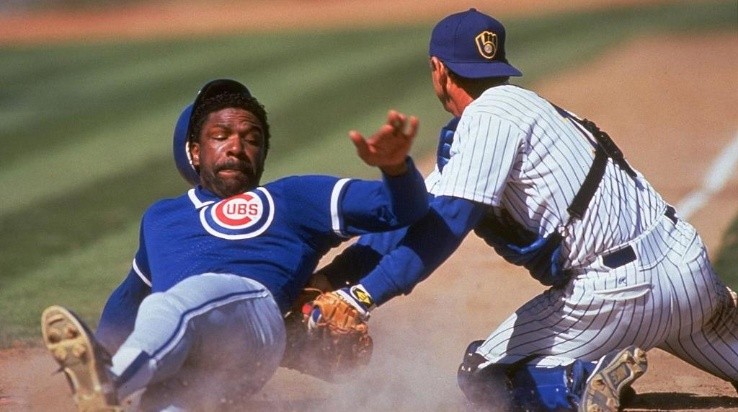
Few Cubs ever transformed Wrigley with such roar as Andre “The Hawk” Dawson. He soared into Chicago in 1987 via one of the most audacious contract stories—handing the team a blank deal—and promptly seized the National League MVP that same year, leading the league with 49 home runs and 137 RBIs. His cannon arm and Gold Gloves brought flair to every outfield catch, making him as beloved for his skill as for his bold spirit.
24. Aramis Ramírez (2003-11)
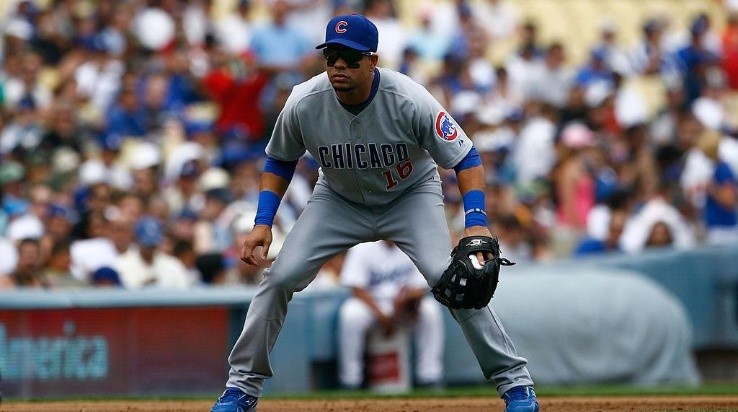
A Dominican slugger who blended grace with guile, Aramis Ramírez became a steady force at third base. With Cubs, he compiled a .294/.356/.531 slash line, pummeled 239 home runs, and knocked in 806 RBIs, earning two All-Star nods and a Hank Aaron Award in 2008. His consistency often made him a sleeper Hall of Fame candidate, adored by insiders for stepping up when needed.
23. Phil Cavarretta (1934-53)
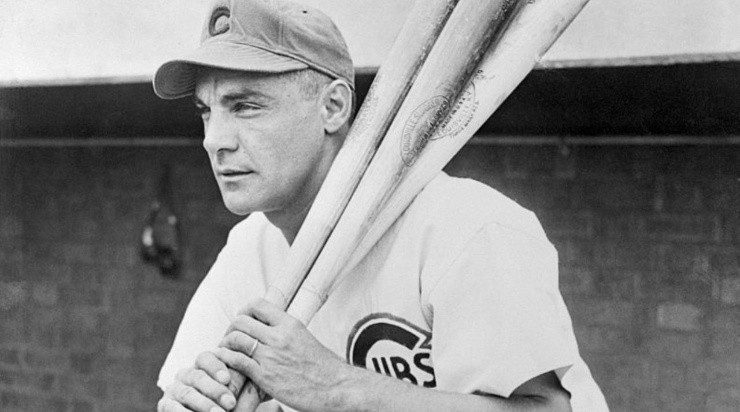
Known affectionately as “Mr. Cub” in the 1940s, Phil Cavarretta‘s tie to Chicago ran deep—20 seasons with the club, capped with an MVP in 1945, when he hit .355 to lead the Cubs to a pennant. A hometown hero whose swing and batting eye stood the test of time—he even faced Babe Ruth in his early career.
22. Rick Sutcliffe (1984-91)
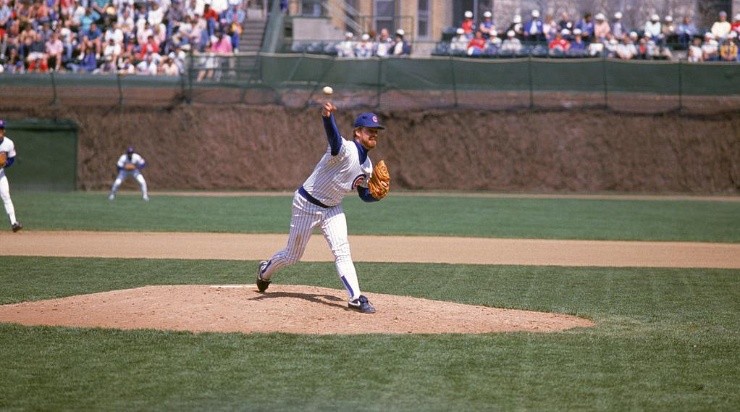
The Cubs’ 1984 savior, Rick Sutcliffe arrived midseason and delivered a Cy Young-winning 16–1 record—single-handedly reinvigorating a thawing franchise. His 15-strikeout outing against the Phillies still ranks as a signature Wrigley Field moment, mixing power on the mound with clutch production at the plate.
21. Derrek Lee (2004-10)
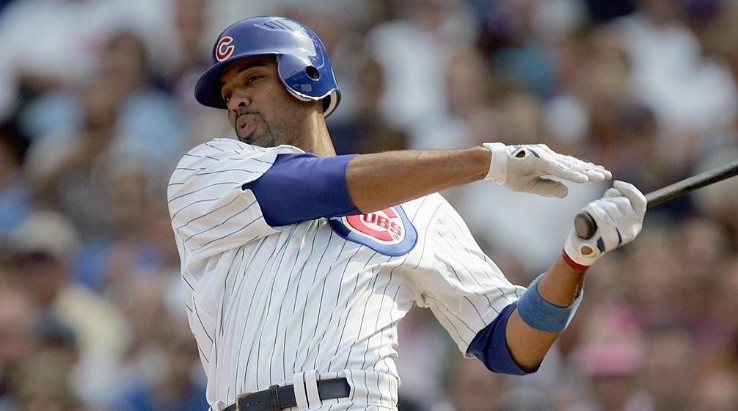
Few Cubs leapt as high or swung as true as Derrek Lee did in 2005. His torrid season—.335 average, 46 homers, 50 doubles, and a 7+ WAR—was one of the best in modern franchise history, earning both Gold Glove and Silver Slugger awards. Beyond that peak, he remained a rare blend of power and polish, delivering quietly consistent excellence at first base.
20. Kerry Wood (1998-2008, 2011-12)
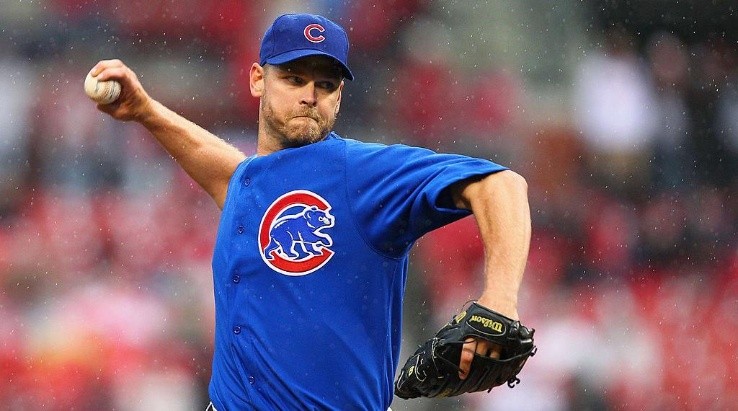
Kerry Wood burst onto the scene with what many still call the greatest rookie start ever—20 strikeouts in a complete-game shutout against the Astros, earning him Rookie of the Year honors in 1998. Though injuries dogged his career, his 80 wins, 1,470 strikeouts, and strikeout-per-nine-inns record remain enduring pillars of Cubs lore.
19. Carlos Zambrano (2001-11)
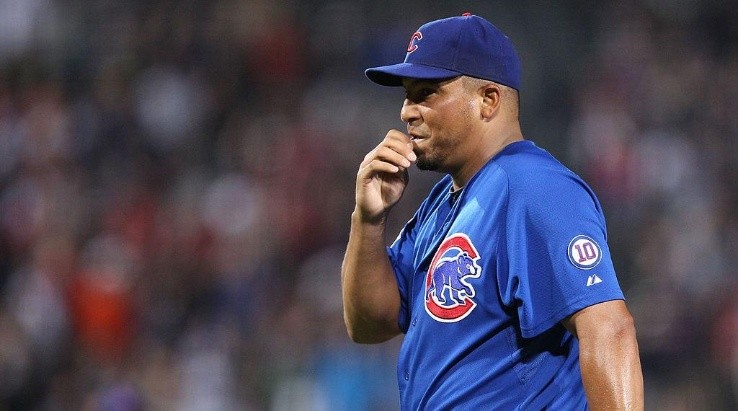
A firebrand on the mound, Carlos Zambrano brought intensity and power to starting rotation through a decade with the Cubs. Known for his bulldog mentality, three All-Star nods, and a Classic pitcher’s arsenal of curves and composure, Zambrano became one of the most emotionally engaging Cubs of his era.
18. Bruce Sutter (1976-80)
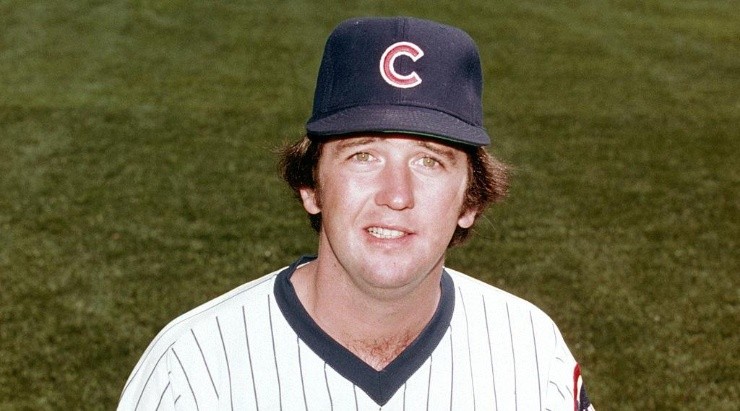
When the Cubs acquired Bruce Sutter in May 1976, they didn’t just get a reliever—they ushered in a new era of bullpen dominance. In 1977, he dazzled with a 1.34 ERA, earned an All-Star nod, and spectacularly struck out three batters on nine pitches in a single inning—an immaculate inning that cemented his legend. By 1979, he tied the National League saves record with 37 and captured the NL Cy Young Award, becoming a premier closer of his time.
17. Don Kessinger (1964-75)
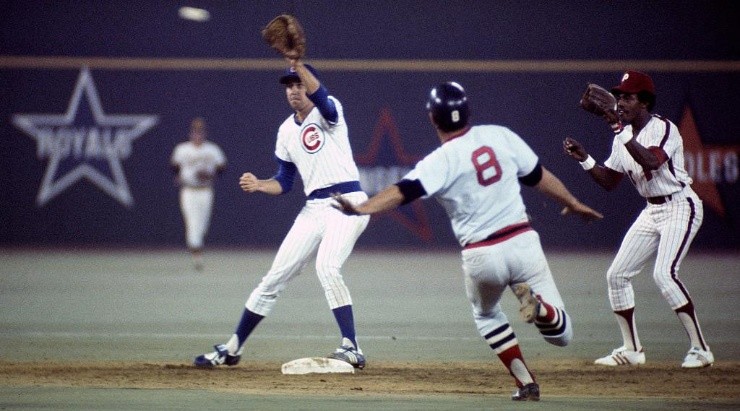
Don Kessinger’s story begins with a late call-up in 1964, followed by a chance to redefine shortstop for the Cubs. Though his initial batting average was modest, his range and instincts stood out, earning him a starting role and eventually six All-Star selections and two Gold Gloves.
In 1969, he peaked—with a remarkable errorless streak, a .273 batting average, and the highest assists among NL shortstops—cementing himself as one of the franchise’s defensive anchors.
16. Lee Smith (1980-88)
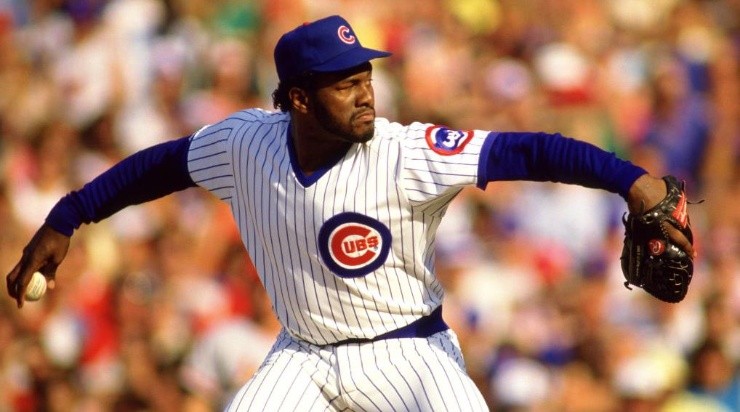
Lee Smith turned the closer’s role into an art form. Debuting with the Cubs in 1980, he gradually filled the void left by Sutter, blooming into a fearsome bullpen presence. By 1983, he was leading the National League with 29 saves and a stellar 1.65 ERA, earning All-Star honors and becoming a bedrock in the Cubs’ return to postseason contention in 1984. ver his career, he would amass a then-record 478 saves, rank among the most trusted high-leverage arms in baseball, and ultimately be enshrined in the Hall of Fame.
15. Billy Herman (1931-41)
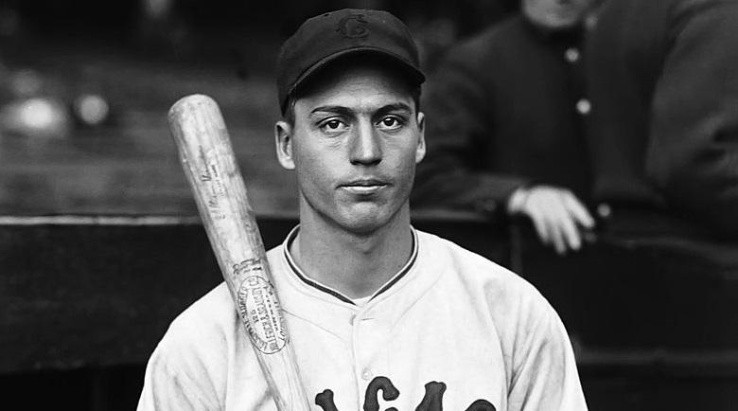
Acquired in 1931 for a then-astonishing sum of $50,000, Billy Herman quickly became a Cubs mainstay at second base. A consistent offensive threat, he regularly hit over .300 and led the league in triples and hits during the mid-1930s. His defensive reliability paired with his offensive output made him one of the most polished second basemen of his day and later earned him induction into the Hall of Fame.
14. Mark Grace (1988-00)
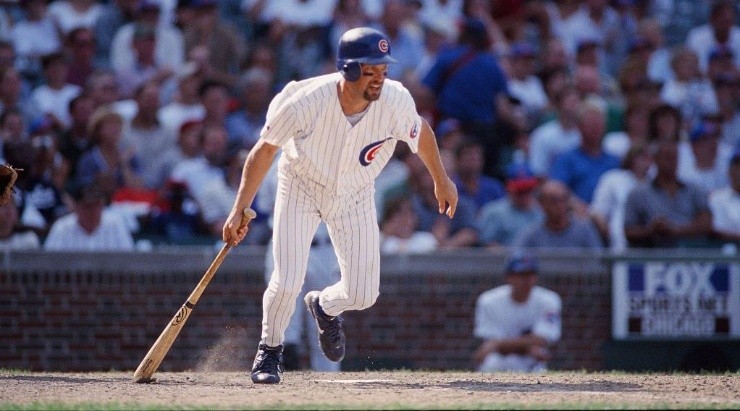
Mark Grace exemplified steady excellence throughout his Cubs career. He became one of the 1990s’ most prolific hitters—leading the decade in hits and doubles—and finished with a career on-base percentage of .383.
Four Gold Gloves and three All-Star appearances mirror his all-around skill. His 1989 NLCS performance, batting .647 with eight RBIs in five games, remains one of the most clutch postseason displays in franchise history.
13. Anthony Rizzo (2012-Present)
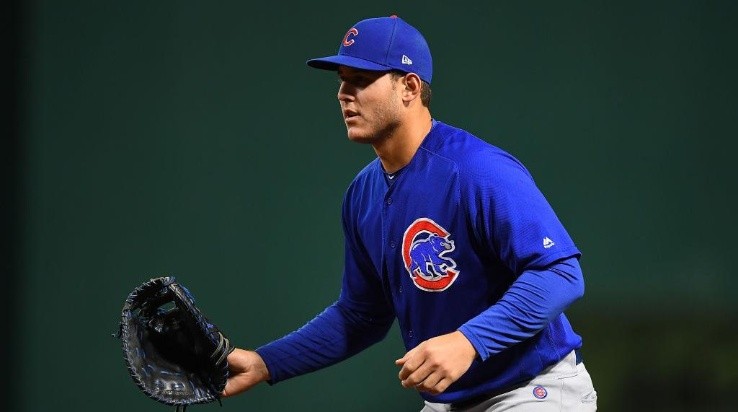
Anthony Rizzo became the face of the Cubs’ renaissance, combining leadership, charisma, and clutch hitting. His glove at first base brought stability, while his bat delivered power and consistency. He was a cornerstone of the 2016 World Series run, embodying resilience after years of franchise struggles.
Beyond his numbers, his presence off the field further cemented his legacy. His charity work and battle against cancer made him a beloved figure in Chicago sports. For a team desperate for identity, Rizzo provided not just production but a cultural heartbeat.
12. Randy Hundley (1966-73, 1976-77)
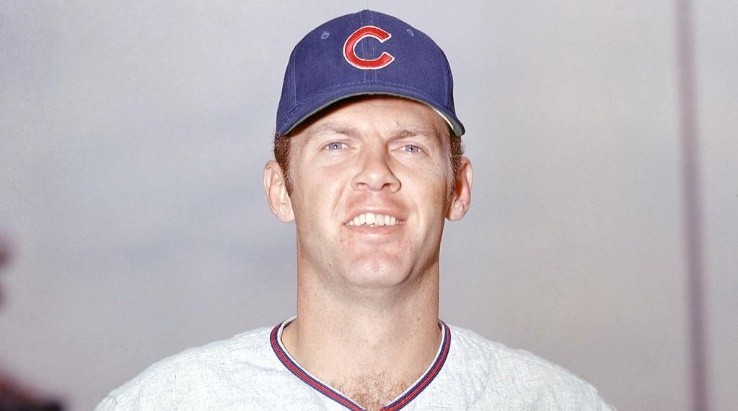
Randy Hundley redefined catching for the Cubs with his durability and defensive mastery. Known for pioneering the one-handed catching style, he became a fixture behind the plate during a transformative period. His ability to manage pitchers and his leadership were invaluable.
His influence stretched beyond stats—he became a bridge between eras of Cubs baseball. Even when injuries slowed him down, his importance to the franchise never wavered. His legacy carried on through family ties, with his son Todd also playing in the majors.
11. Hack Wilson (1926-31)
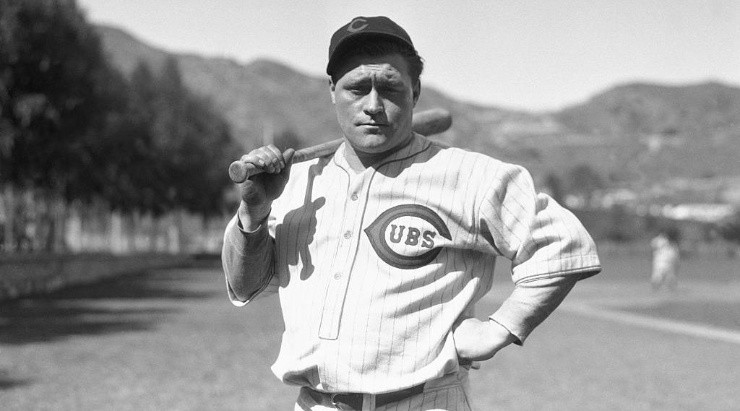
Hack Wilson’s bat was thunderous, and his 1930 season remains legendary with 56 home runs and 191 RBIs, records that stood for decades. Stocky and powerful, he was the heart of the Cubs’ offense, striking fear into pitchers with his explosive swing.
Despite a career shortened by personal struggles, his impact on Chicago baseball is immortal. His feats made him one of the most dominant sluggers of his era, and his name still resonates as a symbol of raw power and offensive brilliance.
10. Stan Hack (1932-47)
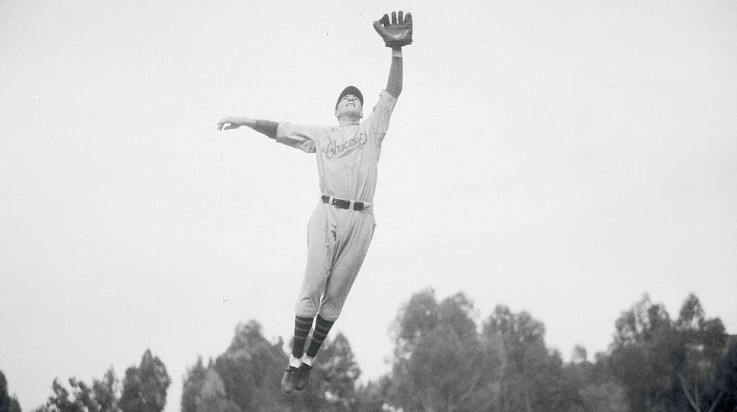
Stan Hack was the definition of steady excellence, anchoring third base for 16 seasons. A five-time All-Star, he combined reliable defense with a sharp batting eye, making him one of the most consistent hitters in Cubs history.
He also brought leadership, captaining teams through both highs and lows. Known as “Smiling Stan,” he became a fan favorite whose professionalism set the standard. His long tenure and quiet consistency made him one of the most underrated stars of his generation.
9. Mordecai Brown (1904-12, 1916)
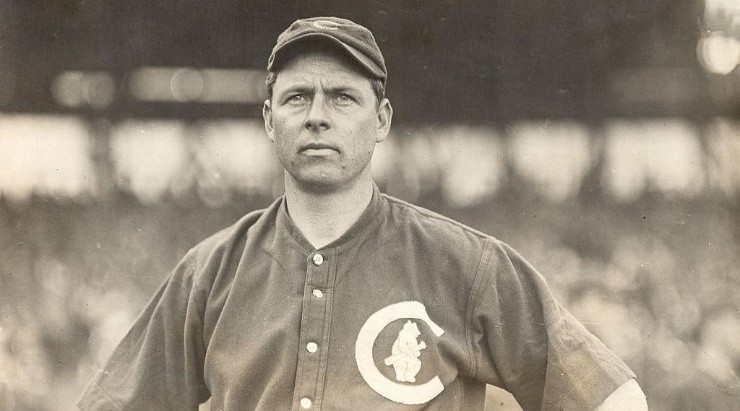
Mordecai “Three Finger” Brown overcame a childhood farming accident to become a Hall of Fame pitcher. His unique grip gave his pitches devastating movement, baffling hitters throughout the dead-ball era. He was the ace of the Cubs dynasty that won back-to-back World Series titles in 1907 and 1908.
His duels with Christy Mathewson defined baseball’s early rivalries, showcasing precision and grit. His story remains one of perseverance and mastery, proving that physical adversity could be transformed into a competitive edge.
8. Frank Chance (1898-1912)
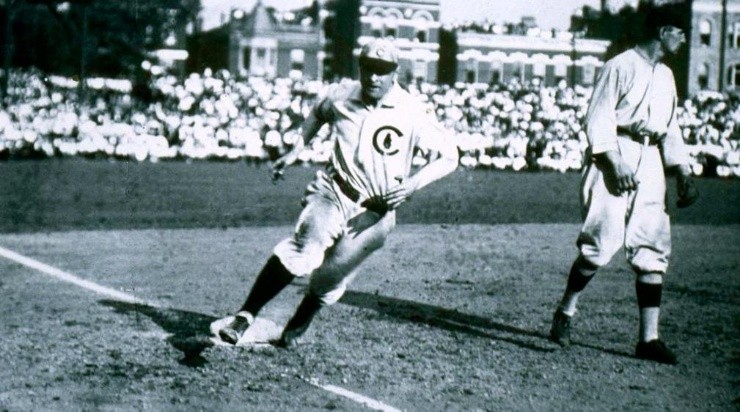
Frank Chance wasn’t just a first baseman—he was a leader who helped shape the Cubs’ golden era. As the “Peerless Leader,” he guided Chicago to four pennants and two World Series championships, carving his name into baseball lore.
Alongside Tinker and Evers, he formed part of the most famous infield combination in history. His ability to inspire teammates and demand excellence made him a central figure in establishing the Cubs as an early powerhouse.
7. Sammy Sosa (1992-04)
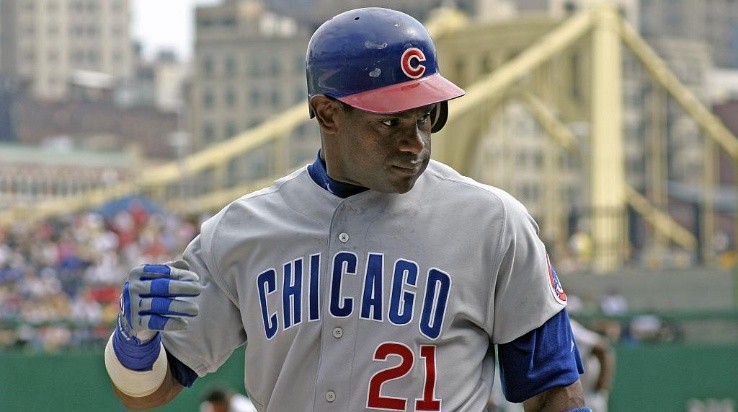
Sammy Sosa brought spectacle to Wrigley Field, turning home run chases into national events. His 1998 duel with Mark McGwire electrified baseball, and his prodigious power made him the face of the Cubs during an era when the franchise needed hope.
Beyond his long balls, his energy, charisma, and signature hop after home runs made him unforgettable. While controversies clouded the end of his career, his contributions to Cubs history are undeniable—he was one of the franchise’s most dynamic performers.
6. Greg Maddux (1986-92, 2004-06)
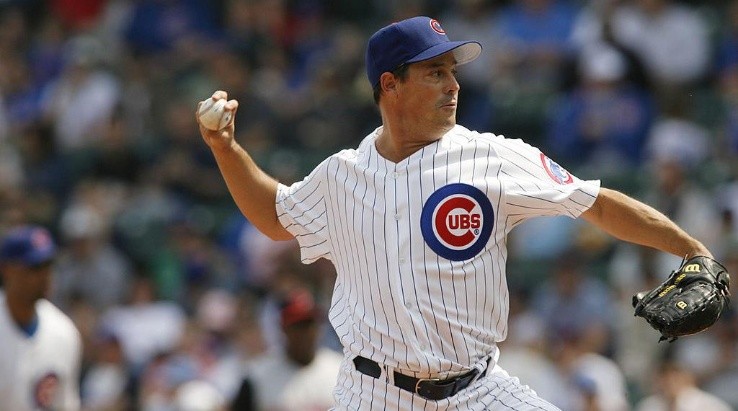
Greg Maddux began his legendary career in Chicago, developing into one of the most cerebral pitchers in baseball history. His pinpoint control, command of the strike zone, and ability to outthink hitters made him a future Hall of Famer.
Although he earned most of his accolades with Atlanta, his Cubs years were pivotal. His Cy Young Award in 1992 marked the rise of a generational talent. His later return to Chicago brought his career full circle, adding a nostalgic chapter to his legacy.
5. Cap Anson (1876-1897)
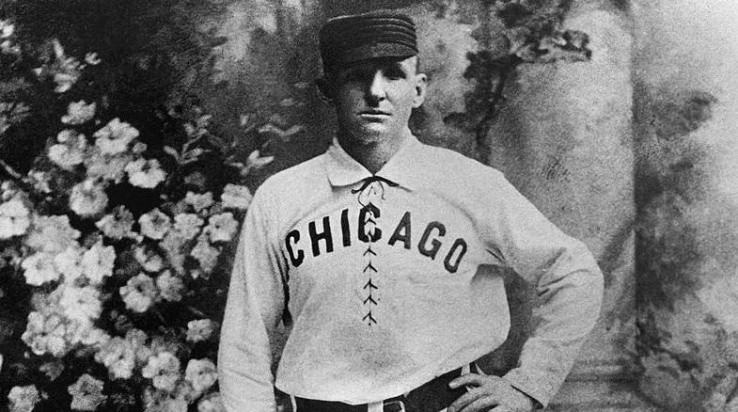
Cap Anson was the first true superstar of professional baseball, serving as player-manager for over two decades. His batting prowess and leadership helped establish the Cubs—then known as the White Stockings—as a dominant 19th-century team.
His influence extended beyond the field, shaping the professionalization of the sport itself. Though his views on race cast a long shadow, his role in early baseball history and his longevity with the Cubs remain undeniable.
4. Billy Williams (1959-74)
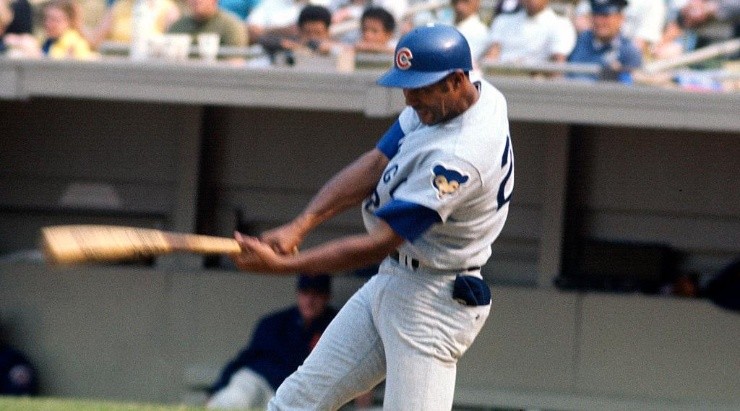
Billy Williams embodied elegance at the plate, combining smooth power with remarkable consistency. Nicknamed “Sweet Swingin’ Billy,” he was a six-time All-Star and the 1972 NL batting champion, becoming one of the Cubs’ most reliable hitters.
Durability defined his career—he once played 1,117 consecutive games, earning him comparisons to Cal Ripken Jr. His graceful approach and steady production made him a cornerstone of the Cubs lineup for more than a decade.
3. Ron Santo (1960-73)
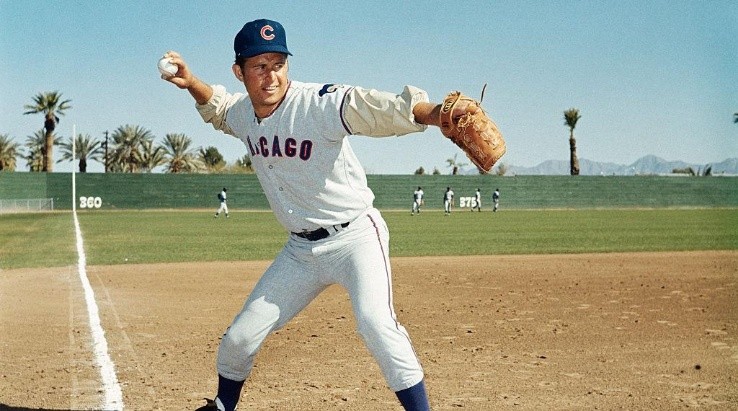
Ron Santo’s passion for the Cubs radiated both on and off the field. As a third baseman, he was a nine-time All-Star and five-time Gold Glove winner, combining offensive power with defensive brilliance.
After retirement, his emotional and colorful broadcasting further endeared him to fans. His long wait for Hall of Fame induction made his eventual enshrinement bittersweet, but his love for the Cubs cemented him as a legend beyond statistics.
2. Ryne Sandberg (1982–1994, 1996–1997)
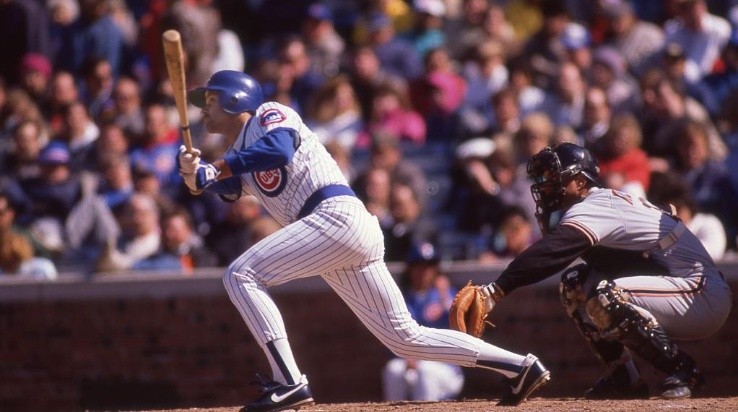
Ryne Sandberg transformed second base into a position of power and athleticism. With 10 All-Star selections, nine Gold Gloves, and an MVP in 1984, he became one of the most complete players in Cubs history.
His quiet demeanor masked a fierce competitiveness. His 1984 performance helped spark a division title, and his ability to combine defense, speed, and clutch hitting made him a generational talent.
1. Ernie Banks (1953-71)
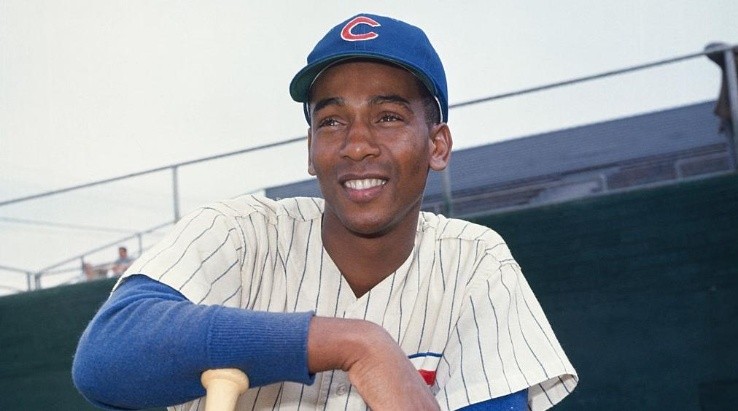
Ernie Banks, “Mr. Cub,” defined not only a franchise but an entire baseball era. His infectious optimism, captured in the phrase “Let’s play two,” symbolized joy and perseverance even when the Cubs struggled.
On the field, he was a two-time MVP who hit over 500 home runs, setting a standard for shortstops as offensive threats. Off it, he became a beloved ambassador for the game, embodying the spirit of the Chicago Cubs.