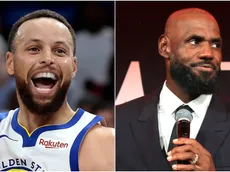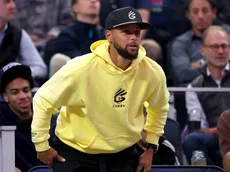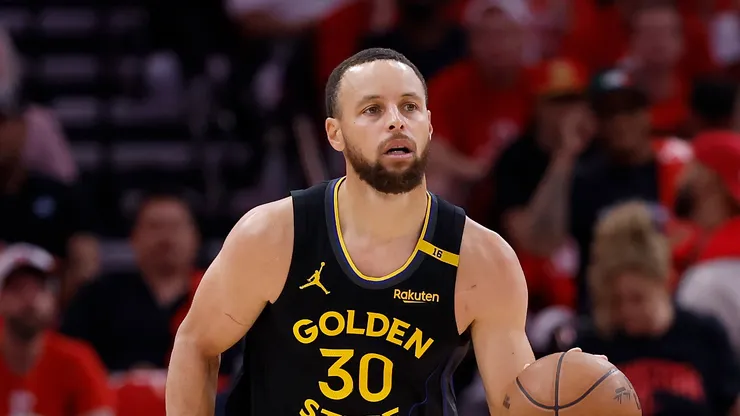
One of the biggest criticisms Golden State Warriors star Stephen Curry has faced throughout his career is that his revolutionary playing style changed basketball—for the worse, according to some. As the greatest shooter in NBA history continued to redefine the game with his limitless range and unshakable confidence, detractors labeled him the reason the league has shifted so dramatically toward the three-point shot.
But if you think the Warriors’ veteran guard regrets the impact he’s had, think again. In a candid interview with Complex, Curry made it clear that he doesn’t feel even the slightest bit guilty about the way his game has influenced younger players, coaches, and the sport itself.
“Well, Mark Jackson said back in the day, after he left our team and went back to the booth, he was like, ‘You’re ruining high school basketball,’“ Curry recalled. “Because his kids were playing at the time. And he’s like, ‘When I walk in the gym, everybody’s just throwing up 30-footers.’“
“I made a public service announcement. I was like, ‘Please stop tagging me and posting me in all these videos of horrible shot selection in games, because there is a process that goes into the way that I play,'” he added.
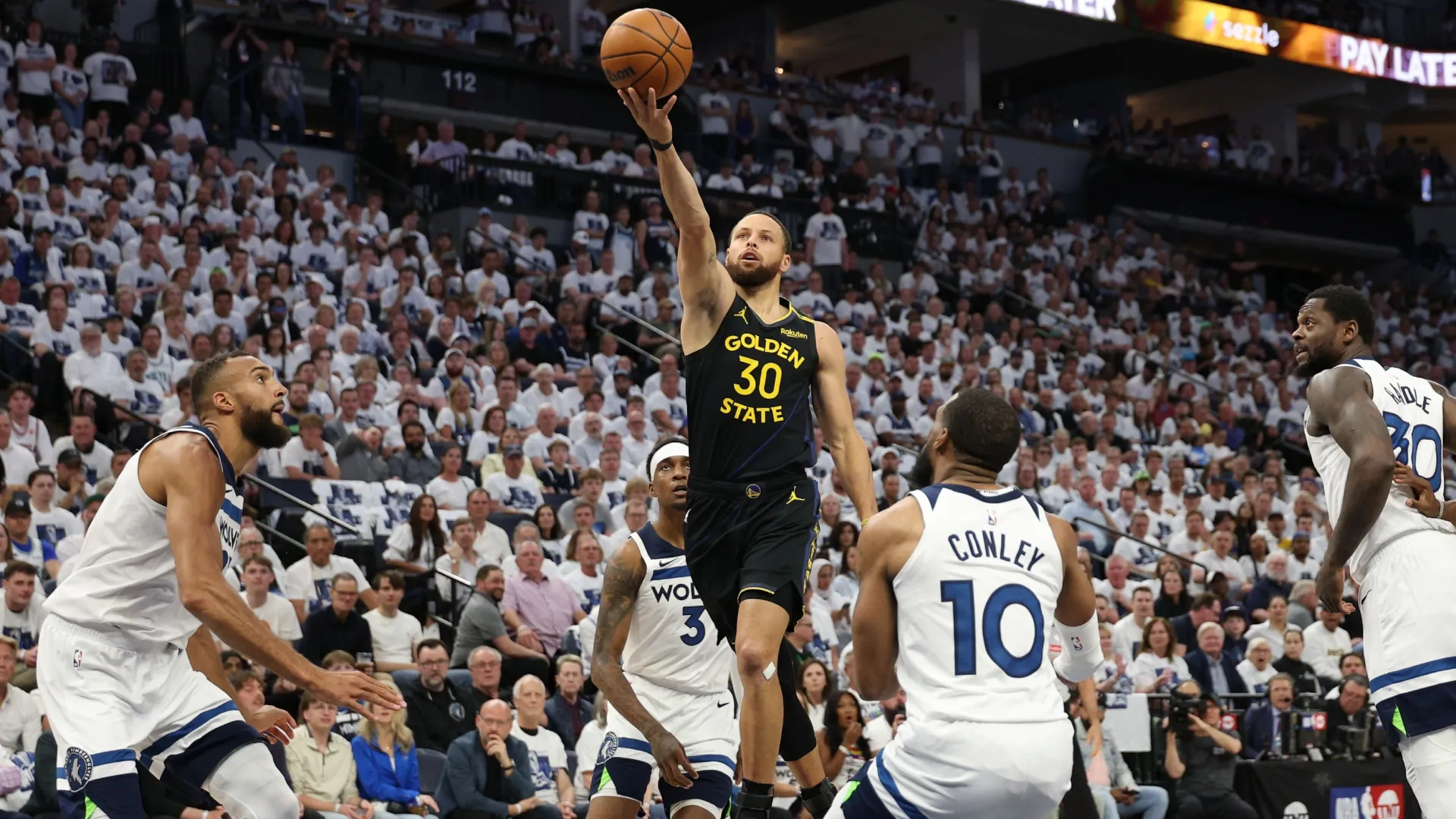
Stephen Curry takes a shot against Mike Conley during the first quarter in Game One of the Western Conference Second Round NBA Playoffs.
In many ways, Curry has a point. Modern basketball systems are now designed around pace, space, and long-range shooting—skills that weren’t always prioritized. Younger generations are training for what today’s NBA demands: extended range, constant movement, and the courage to shoot from deep under pressure.

“And that’s what I preach,” Curry said. “I want kids to think wildly about how far they can stretch their range, how creative they can be out on the court, and to build that confidence.”
“But you’ve got to realize, I’ve been doing this a very, very long time. I’ve been blessed to put in hours and hours and hours. Even when I got to the league, that wasn’t necessarily a part of my game. I had to develop it over time. So I feel zero guilt. Zero guilt. It’s going to be cool to kind of see it all come full circle.”
Curry doesn’t reject the narrative that he changed the game, but he’s quick to remind critics of one key truth: the hours of work, discipline, and development it took to become the best shooter in NBA history. His message is clear—he wants to inspire confidence and creativity, but he also wants young players to respect the grind behind the greatness.