
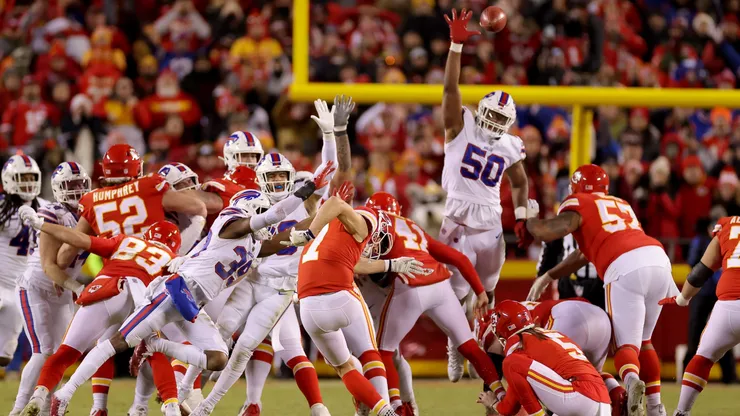
The NFL postseason has grown into a crowded stage, shaped by expanded formats and shifting competitive lines. Each year, a broad mix of contenders edges into the chase, turning the league’s final stretch into a test of depth and quiet resilience.
Seasons build toward this moment, where division races tighten and wild-card hopes flicker late into winter. Some teams arrive polished, others patched together, but all carry the same possibility as the bracket begins to take its unmistakable shape.
Once the field settles, the real grind starts. Matchups fall into place, seeding reveals its weight, and margins shrink to a handful of snaps. What follows is the slow, unforgiving climb that defines the NFL’s postseason drama year after year.
How the field is set: NFL’s 14-team playoff format
Since the 2020 season, the NFL has invited 14 teams to the postseason — seven from each conference (AFC and NFC). That includes the four division winners in each conference, plus three “wild-card” teams: the non-division winners with the best regular-season records.

Patrick Mahomes #15 of the Kansas City Chiefs in 2024. (Source: Patrick Smith/Getty Images)
This structure ensures that even competitive teams in strong divisions get a shot at the playoffs. The expansion to 14 teams (from the previous 12) was meant to increase competitiveness, keep more fanbases engaged longer into the season, and reward more clubs with playoff exposure.
The result: more “meaningful games” deep into late regular-season weeks, as many clubs stay alive in the hunt for wild-card spots. This format also raises the stakes for tiebreakers — when records are close, head-to-head results, strength of schedule, and divisional performance become vital.
Balancing record and rivalries: Who makes the cut
The four division winners per conference earn automatic spots — regardless of their overall win-loss records. So even a team with a middling record can clinch a playoff seed by topping a weak division.
Meanwhile, wild-card slots go to teams across divisions with the best records after the division winners. This dual path — division win or wild-card qualification — preserves incentive across the league.

Saquon Barkley #26 of the Philadelphia Eagles in 2025. (Source: Mitchell Leff/Getty Images)
Clubs aren’t just chasing the top spot in their division, but also watching out for record comparisons with clubs from other divisions. That adds layers of strategy late in the season: resting players, managing injuries or angling for better strength-of-schedule outcomes.
For fans, this system keeps hope alive almost until the last week, especially in competitive divisions or conferences. A wild-card chase can turn narrow losses into critical mistakes, and late wins into playoff tickets, making the regular season a strategic war of attrition.
What the expanded playoff means for the league
By admitting 14 teams now, the NFL broadened its postseason, which means more markets, more fan engagement and more games that draw media and ad revenue. More teams in the hunt keeps TV ratings and local interest stronger deep into the season.
For smaller-market franchises or historically struggling clubs, the expanded playoff format offers a realistic path to postseason exposure, something that can boost ticket sales, sponsorships and overall visibility, even if they aren’t traditional powerhouses.
At the same time, more playoff spots raise costs: for travel, logistics, and injury management for teams that barely scrape in. But the NFL views this as offset by greater audience reach and competitive balance across the league.