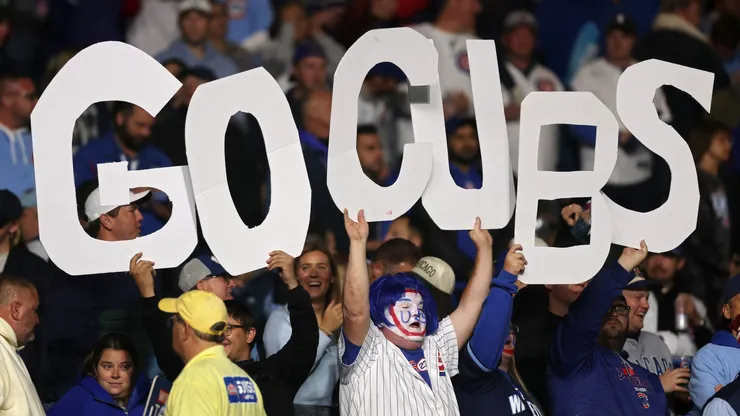
Loyalty in baseball runs deeper than standings or stats. Across the MLB, certain fanbases have stood firm through years, even decades, of losing seasons, keeping stadiums alive when victories were scarce and optimism hard to find.
These fans have weathered countless rebuilds, ownership changes and heartbreaks, yet continue to fill seats and wear their team’s colors with pride. Their support has become part of the franchise identity itself.
From cities with storied droughts to clubs still chasing their first title, their dedication proves that true fandom isn’t defined by trophies — but by the unwavering belief that next season might finally be the one.
15. Colorado Rockies
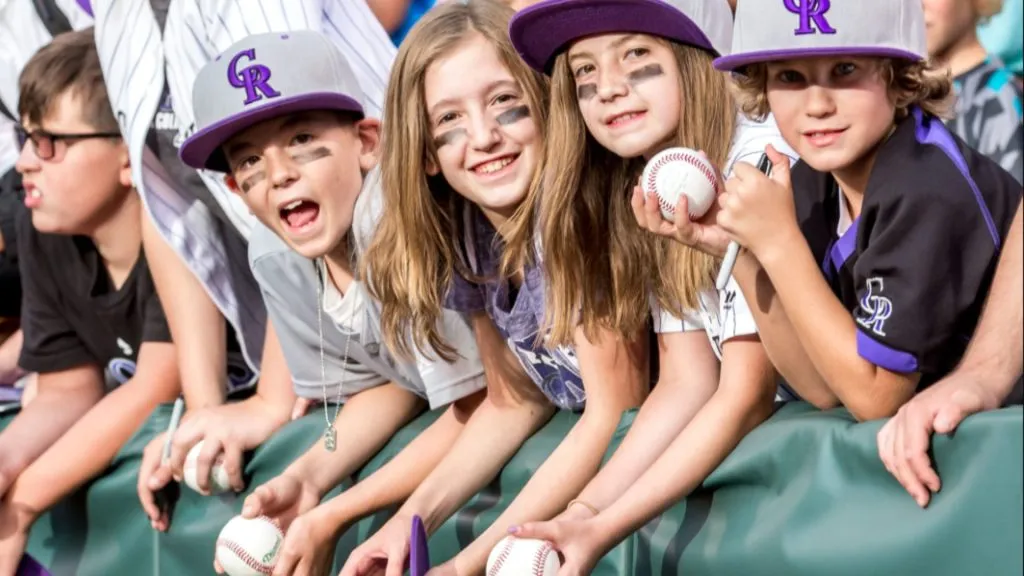
Colorado Rockies fans (Source: MLB)
High above sea level, the Colorado Rockies’ fanbase demonstrates a distinct form of loyalty: the commitment to show up despite weather, altitude, and frequent struggles on the field. Even in seasons marked by poor records, the club has managed average attendance figures that hover around 30,000-plus.
That unique geographic market fuels a fandom rooted in community and place rather than simply wins. For many, being a Rockies supporter means embracing the environment and identity as much as the sport. The loyalty here is about belonging—to the city, to the Rockies experience—and less about expecting glory.
14. Baltimore Orioles
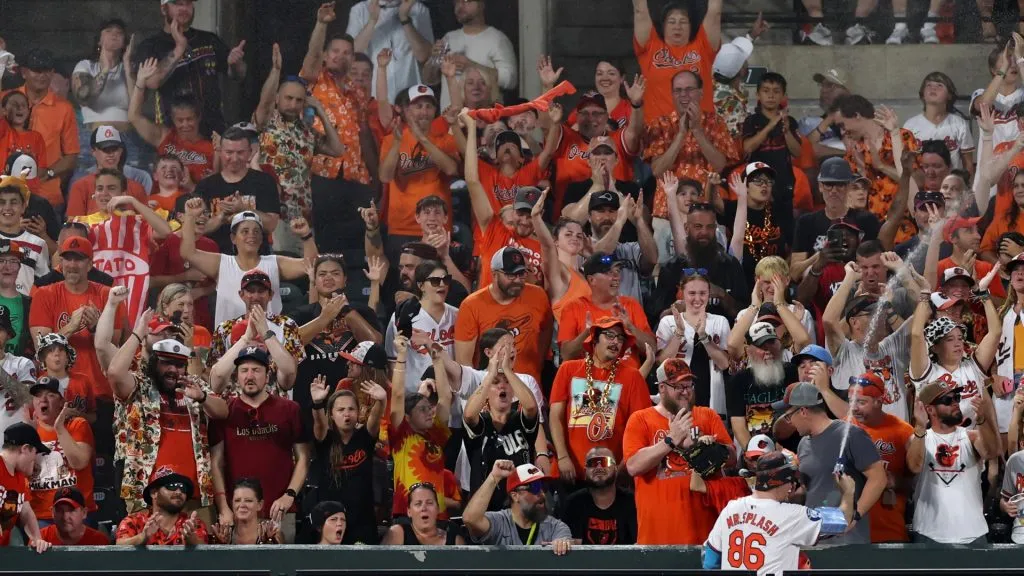
Baltimore Orioles fans (Source: Patrick Smith/Getty Images)
Baltimore Orioles fans have known both hope and heartache. The team achieved its highest attendance since 2015 in 2024—but then suffered the largest one-season drop in its history in 2025, underscoring the fragility of loyalty when results falter.
Changes in ticket-package policies this year drew criticism from long-time supporters, who questioned whether their loyalty was being reciprocated. Thus, the Orioles’ faithful find themselves in a conversation about what support means. They come to Camden Yards not just to cheer but to prove that loyalty can survive the disillusionment—though only if the club meets them halfway.
13. Cincinnati Reds
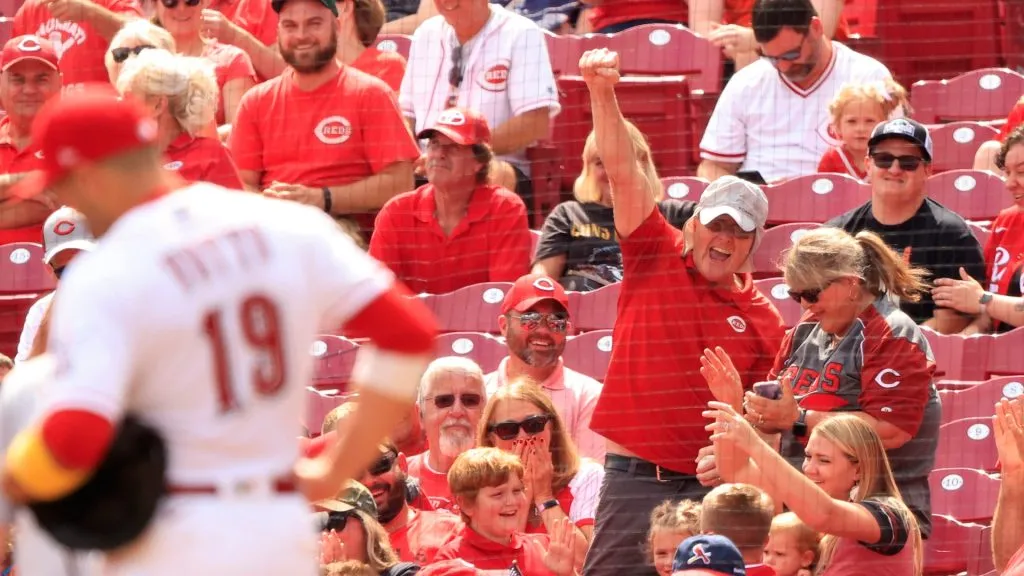
Cincinnati Reds fans (Source: Justin Casterline/Getty Images)
The Cincinnati Reds’ fanbase is a lesson in staying power. Despite enduring seasons of struggle—including 100-loss campaigns—the Cincinnati community continues to embrace the team’s history and identity. A study noted Cincinnati remains one of the top U.S. cities for baseball despite poor results.
Redsfest, the club’s annual fan festival, draws thousands of participants year after year—one recent edition noted over 16,000 fans and dozens of former players in attendance. Cheering for the Reds isn’t just about rooting for success—it often means standing by through the long haul, recognising that loyalty doesn’t always look like a win column.
12. Los Angeles Angels
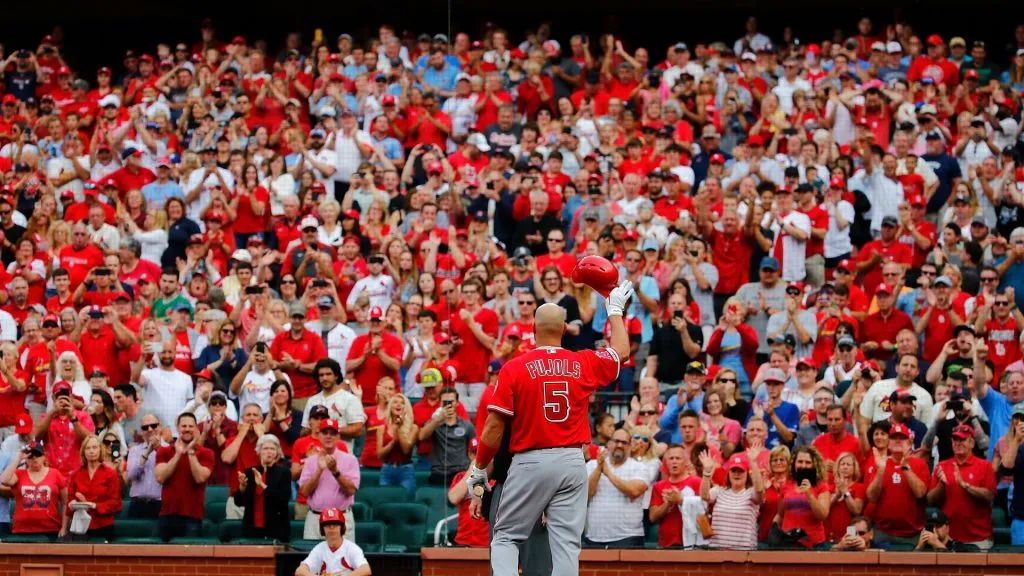
Los Angeles Angels fans (Source: Dilip Vishwanat/Getty Images)
In the sprawling Los Angeles entertainment market, supporting the Angels poses its own test. Although the attendance numbers have dipped in recent years, the fan culture still shows signs of perseverance.
The franchise has invested in fan-experience partnerships—such as the club’s deal with Sports Illustrated Tickets to enhance engagement at Angel Stadium—suggesting that the front-office recognises loyalty doesn’t always follow wins.
For Angels supporters, the allegiance is less about a trophy chase and more about maintaining visibility in a crowded sports city—and consistently showing up even when the scoreboard doesn’t deliver.
11. Detroit Tigers
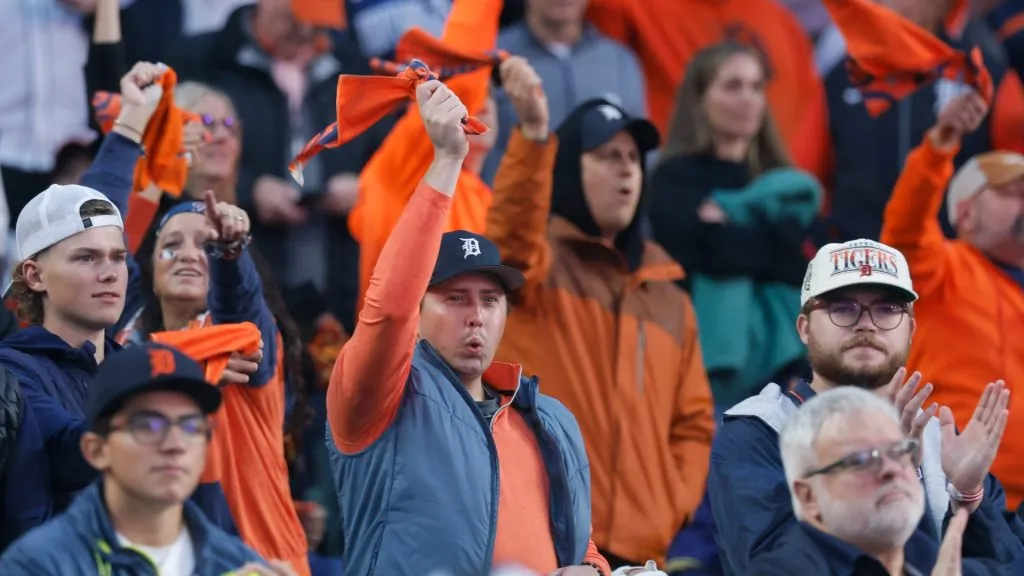
Detroit Tigers fans (Source: Duane Burleson/Getty Images)
Detroit Tigers fandom carries a quiet strength through rebuilding years. The existence since the 1980s of the Mayo Smith Society—a club for Tigers followers “for those who always care” — underlines an enduring commitment even when the team isn’t thriving.
Recent signals point to a rejuvenation of interest: local broadcast ratings surged 82 % year-over-year in 2025 and average attendance rose to over 26,000 fans early in the season. In other words: Detroit’s base doesn’t vanish at the first sign of struggle. Instead, they become part of the narrative—waiting, watching, hopeful for what might come next.
10. Milwaukee Brewers
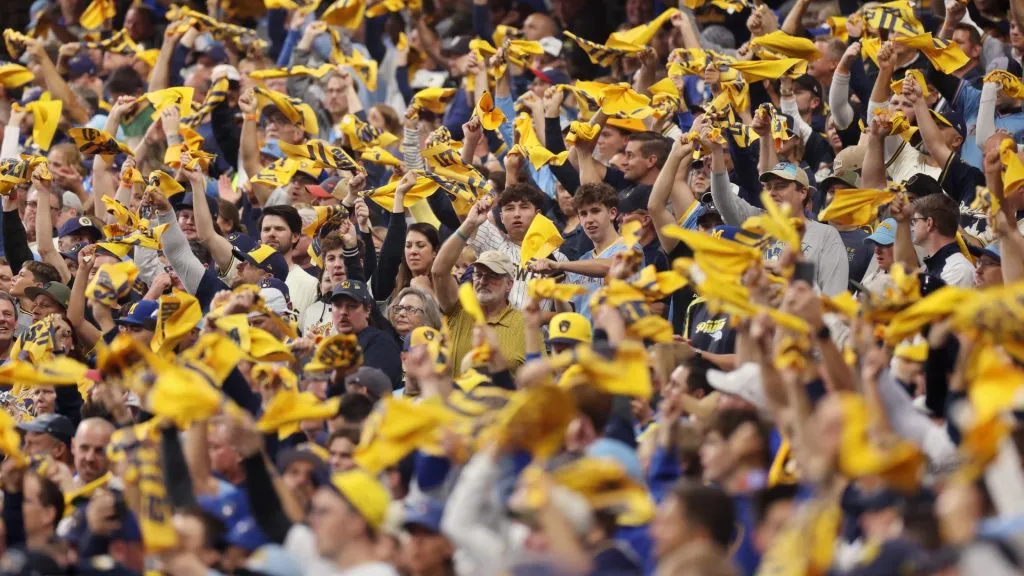
Milwaukee Brewers fans (Source: Michael Reaves/Getty Images)
In Milwaukee, the Brewers’ fanbase thrives on persistence. Despite playing in one of the smaller markets in the league, they’ve maintained a strong vocal presence and a series of initiatives acknowledging fan dedication — for example, the team’s “Superfan Spotlight” honouring supporters for their loyalty.
Even during seasons without dramatic success, attendance has remained respectable and the atmosphere energetic; in 2025, the club recorded over 2.65 million home-game visitors, an indicator of resilience rather than mere reward for wins. What stands out is the mindset: Brewers fans are not simply there because of the scoreboard, but in spite of it—tailgates, community traditions and the hum of “we’re still here” define the support.
9. Minnesota Twins
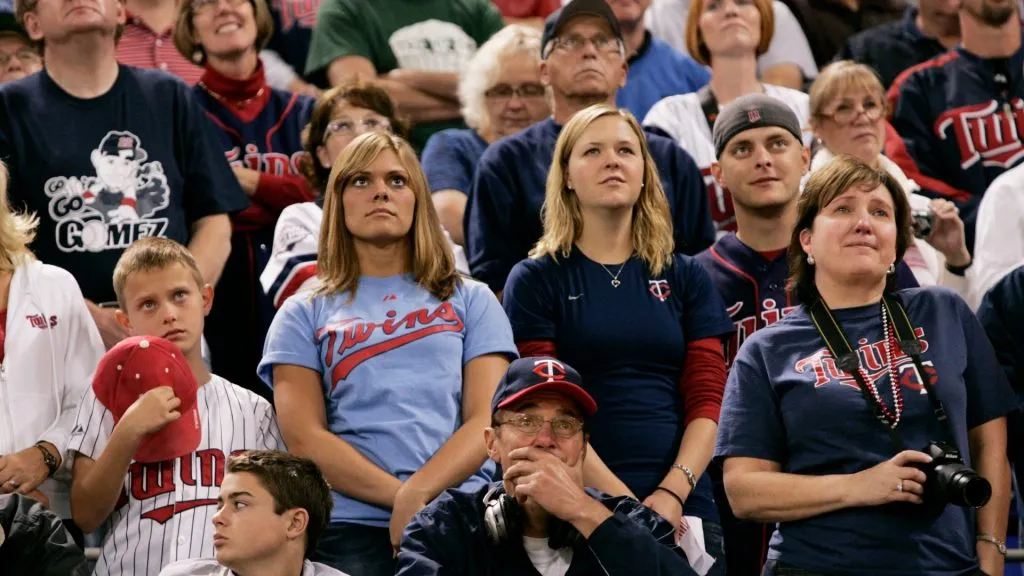
Minnesota Twins fans (Source: Genevieve Ross/Getty Images)
The Minnesota Twins operate in a smaller market compared to some of these powerhouses, and yet their fanbase has shown quietly enduring loyalty. While measurable data may show fluctuations tied to performance, the sentiment in Minneapolis–St. Paul is less about flash and more about steady commitment: tickets bought, hats worn, spring training followed.
In seasons when the scoreboard disappoints, the smaller-market crew still carries the banner—and their steady presence often speaks louder than superstar sign-ings or marquee runs.
8. Los Angeles Dodgers
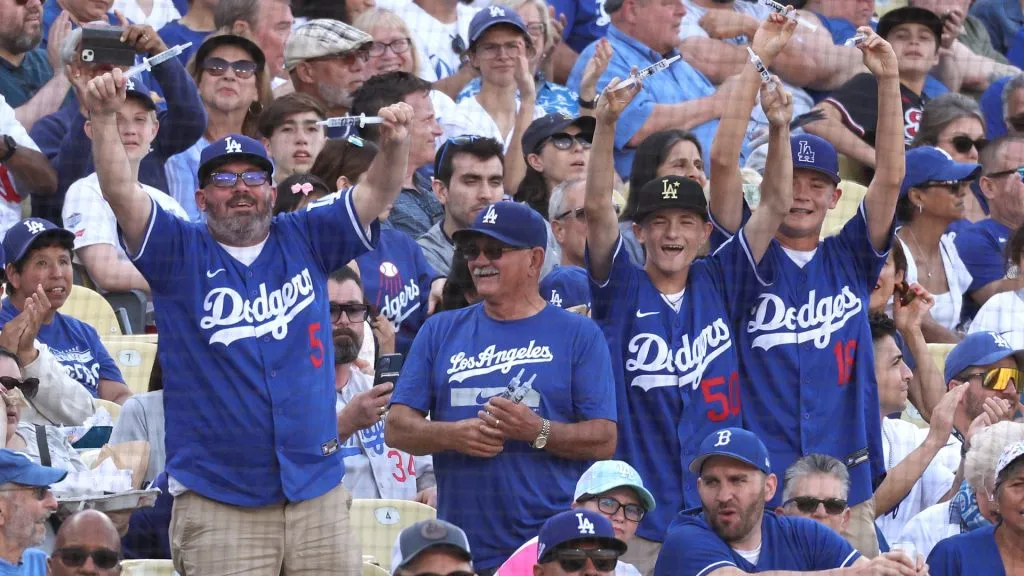
Los Angeles Dodgers fans (Source: Harry How/Getty Images)
In LA, the Dodgers’ supporters have built a national and international footprint—yet what stands out is their steadiness even when the club under-delivered. Not every season has lived up to the billing, but the lesions of losses appear to register little in terms of attendance drop-off.
According to rankings of loyalty, they consistently sit high not just because they win, but because their crowd shows up regardless. Beyond baseball, being a Dodgers fan often means carrying the team’s identity with you—through rough years and rebuilds.
7. San Francisco Giants
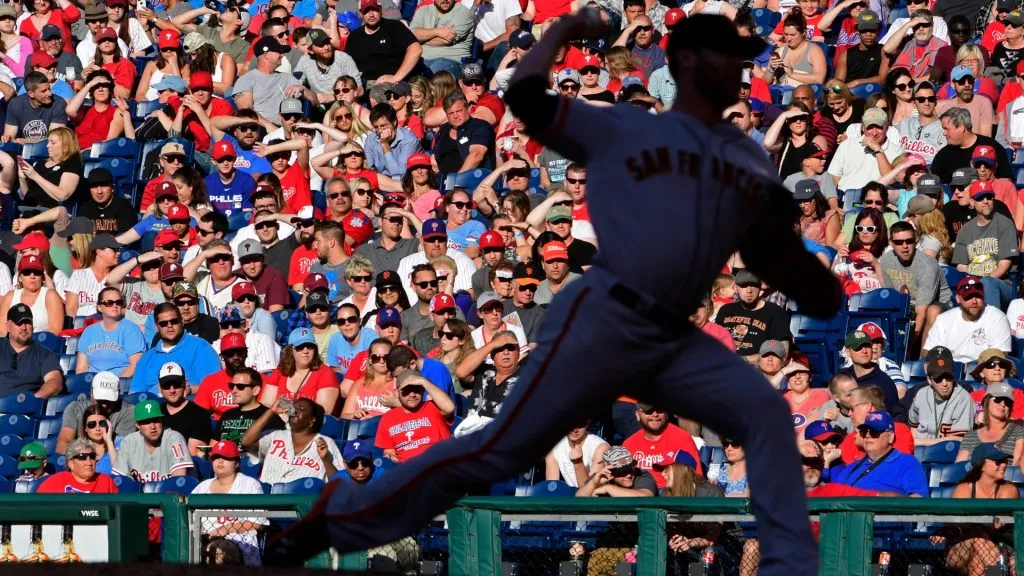
San Francisco Giants fans (Source: Corey Perrine/Getty Images)
The San Francisco Giants’ fans are testament to consistency. After their early-2010s period of success, they endured quieter seasons—but the metaphoric orange-and-black remained in the stands.
Analysts working from attendance and longevity data have highlighted the Giants’ fanbase as among the most stable in the league. Even as wins fluctuated, the brand of loyalty in San Francisco held fast—proof that fandom can bind beyond scorelines.
6. New York Mets
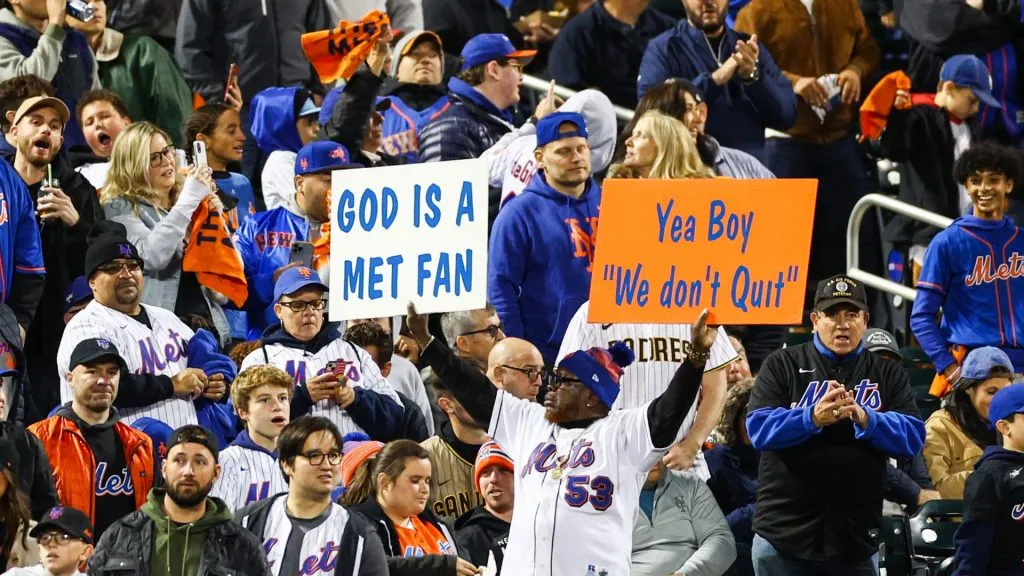
New York Mets fans (Source: Elsa/Getty Images)
The New York Mets’ fan culture is forged in adversity. Their inaugural 1962 season featured 120 losses—the worst in modern-era National League history—and yet attendance ranked mid-pack.
For many followers, rooting for the Amazins isn’t about assured victory; it’s about enduring the cycles and believing in the next turn. Even in seasons of disappointment, the resolve to show up remains part of the identity—a compact between club and city, built on hope rather than guarantees.
5. Philadelphia Phillies
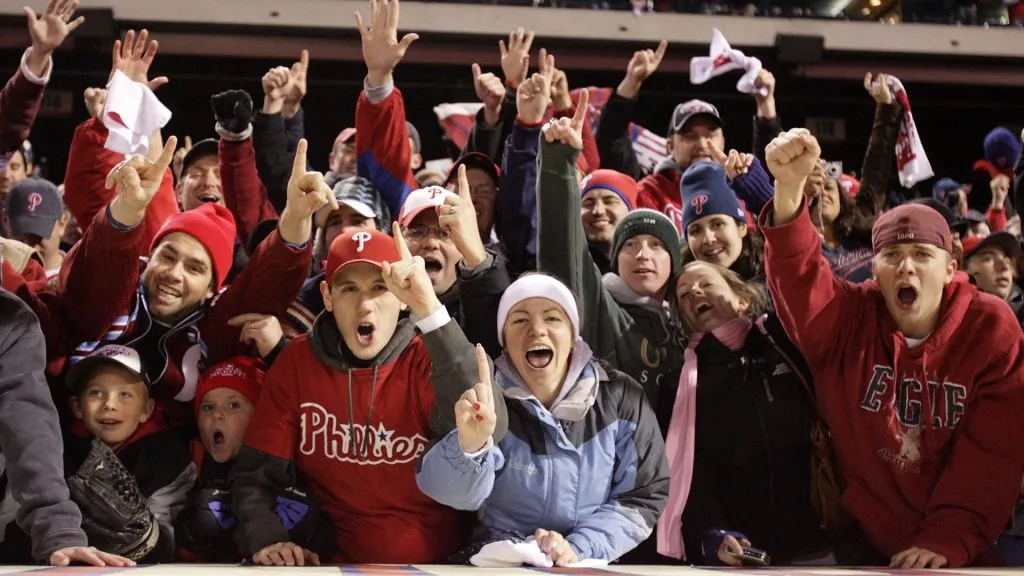
Philadelphia Phillies fans (Source: Doug Pensinger/Getty Images)
Philadelphia sports is known for passion, and the Phillies’ fanbase exemplifies it. Studies show the franchise ranks among MLB’s most loyal fanbases—with variables such as home-attendance, road-game presence and social-media engagement all tipping in their favour.
Even in lean years of rebuilding, the Citizens Bank Park crowd doesn’t vanish—it changes tone but not presence. That persistent backing turns the Phillies’ struggles and hopes into a shared journey rather than a spectator sport.
4. St. Louis Cardinals
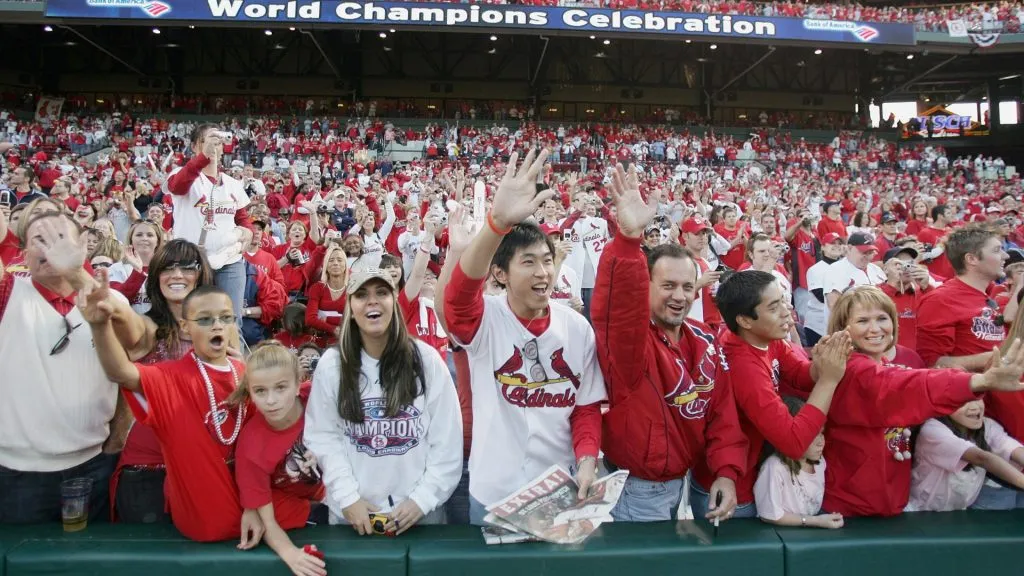
St. Louis Cardinals fans (Source: Elsa/Getty Images)
In St. Louis, supporting the Cardinals often feels like being part of a larger community. Their fans have bridged eras of dominance and the inevitable cycles of decline with steady devotion.
Even when the club fell short of expectations, attendance and engagement remained relatively stable, underscoring a base that transcends wins and losses. While the team’s lore includes multiple championships, the real loyalty shows in seasons when contention faded—but the redbirds still soared in the stands.
3. New York Yankees
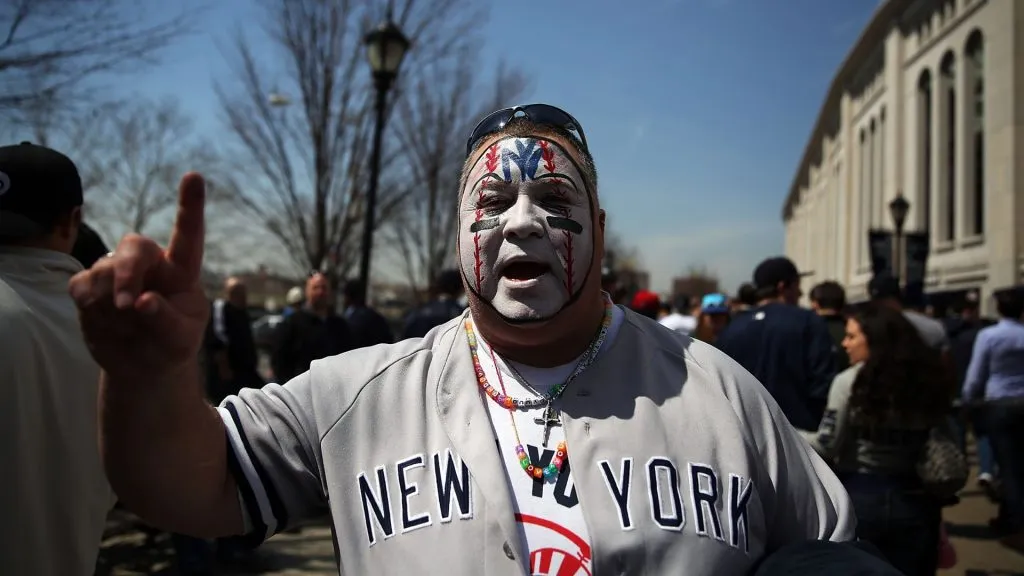
New York Yankee fan (Source: Spencer Platt/Getty Images)
The New York Yankees’ fanbase often is tied to success—but it’s easy to overlook how loyal many of their followers have been during seasons of under-performance, roster shake-ups and the weight of expectation.
Though championships are part of their legacy, the global reach of the brand means that each downturn carries both disappointment and scrutiny. Even in quieter years the navy and white pinstripes remain ubiquitous: the trace of faith is in the absentee-free crowds, the road followers, the persistent belief that this franchise will again rise.
2. Boston Red Sox
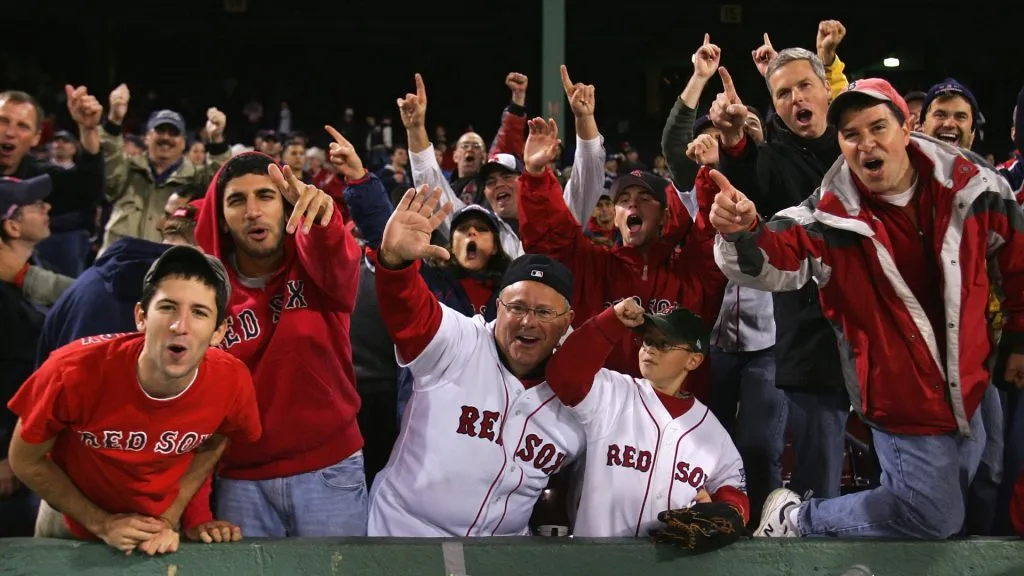
Boston Red Sox fans (Source: Jim McIsaac/Getty Images)
In Boston, fandom is entwined with history. The “Reverse the Curse” cry of the city’s supporters echoed through an 86-year championship drought, and yet the seats at Fenway Park were filled.
Time and again the franchise stumbled, but the community held fast. From July-to-sell-out streaks to road trips across decades of frustration, the “Red Sox Nation” embraced its scars as much as its hopes. The loyalty shown through dark seasons built the atmosphere that made the eventual title wins all the more meaningful—not just for the team, but for a city’s identity.
1. Chicago Cubs
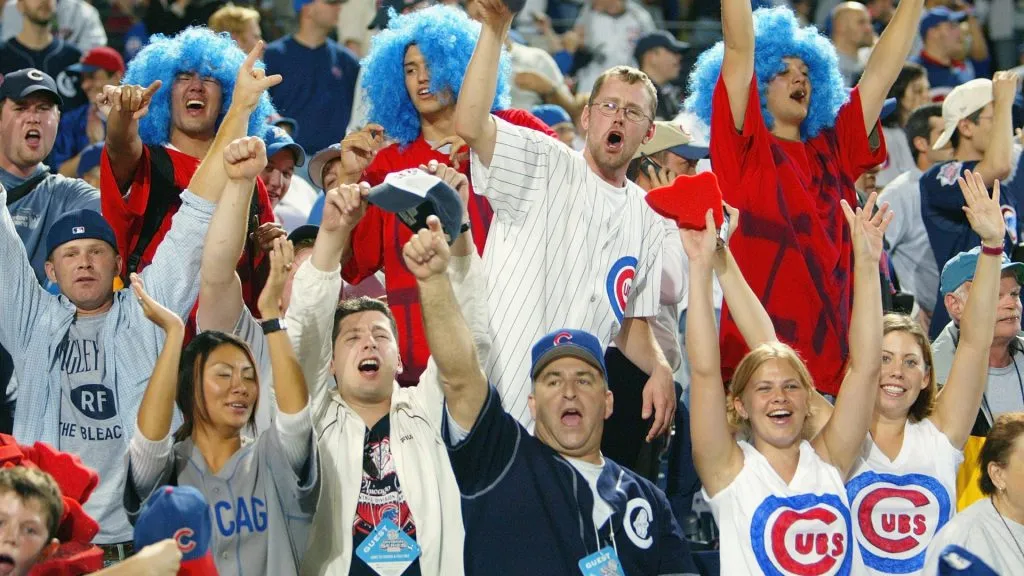
Chicago Cubs fans (Source: Jamie Squire/Getty Images)
The Chicago Cubs’ fans became masters of patience: for decades, they shepherded hope through years of rebuilds, broken promises and the so-called Curse of the Billy Goat that haunted the club for 71 years.
Even when the scoreboard told a familiar story of defeat, the bleachers at Wrigley Field remained packed, the “Eamus Catuli!” banners still sung, and generational rituals carried on.
When the 2016 championship finally arrived, it felt less like a surprise and more like the reward owed to the faithful who had remained through more nights of “wait ’til next year”.