
As anticipation builds for Super Bowl LX, the rhythm of the event is starting to take shape beyond the gridiron. This year’s matchup between the Seattle Seahawks and New England Patriots promises the usual drama, but the timing of its centerpiece — the halftime show led by Bad Bunny — is already part of the buildup.
With kickoff scheduled for the early evening and the first two quarters ticking by, broadcasters and fans alike have begun plotting the unofficial clock of the night: when the field lights dim and the stage lights flare.
Beyond mere scheduling, the brief but iconic interlude has become a cultural event in itself. As performers prepare for their few electrifying minutes center stage, discussions about timing, duration and spectacle blend with speculation on what the performance will add to the NFL game’s larger narrative arc.
What time will the 2026 Super Bowl halftime show start?
The 2026 Super Bowl LX is scheduled to kick off at 6:30 p.m. ET on Sunday, airing live on NBC and streaming on Peacock. While kickoff is fixed, the halftime show doesn’t follow a precise clock, its timing is shaped by the natural rhythm of the first two quarters, commercial breaks and on‑field ceremonies.
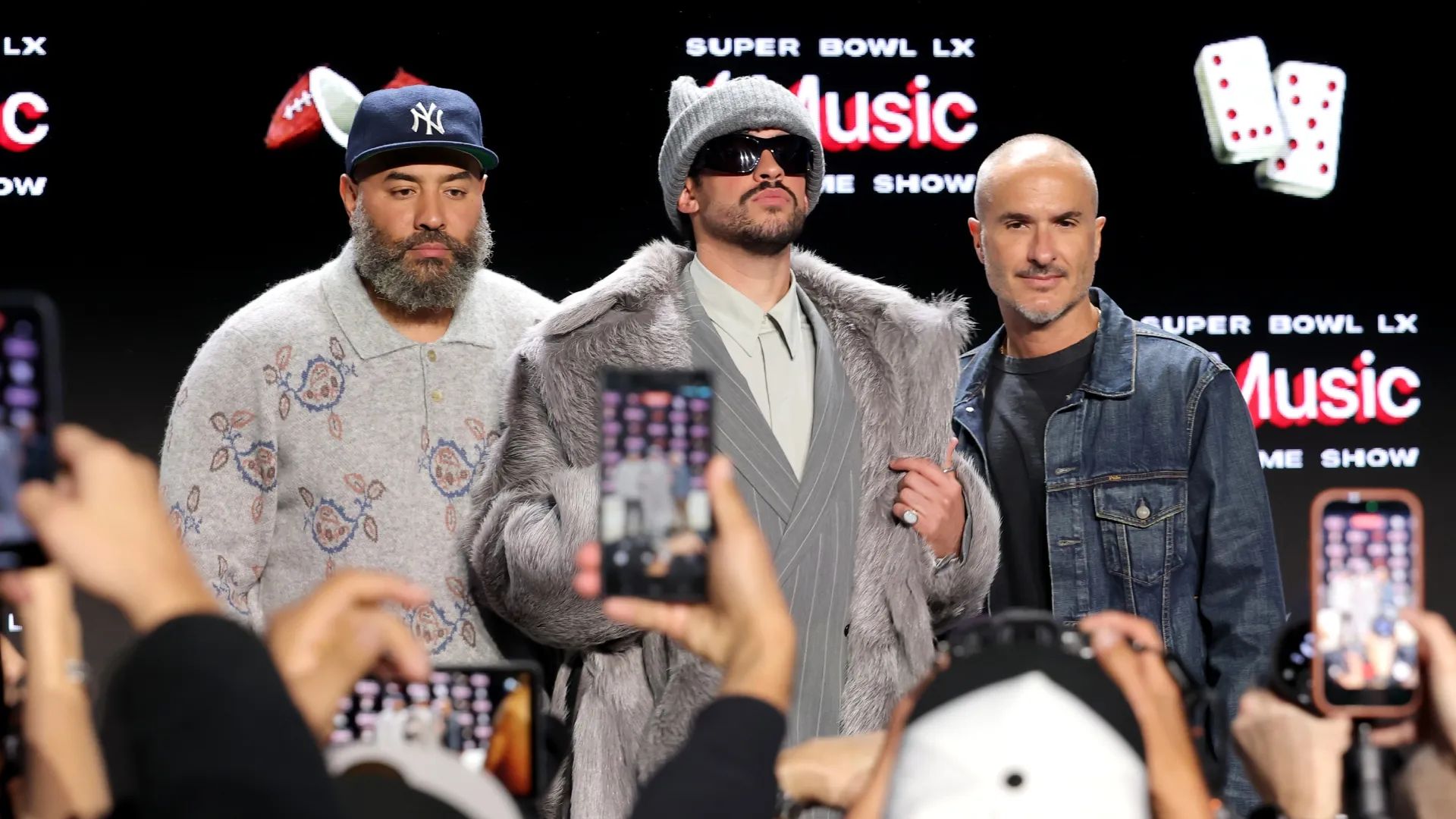
Ebro Darden, Bad Bunny and Zane Lowe in 2026 (Source: Mike Coppola/Getty Images)
Typically, halftime begins around 8:00 p.m. to 8:30 p.m. ET, depending on how fast the game progresses. A particularly quick first half can bring the show earlier, while a high-scoring, stop-and-go first half can push it back.
The NFL carefully choreographs this timing so the spectacle lands at the peak of audience engagement, when viewers are fully invested in the game’s outcome. For this edition, the stage is expected to rise at Levi’s Stadium for Bad Bunny, marking another major milestone as the league blends music and live sports.
Every second leading up to the performance is meticulously timed, from the crew movements to camera angles, ensuring that when the lights go down and the first beat drops, millions around the world experience the show seamlessly.
How long does the Super Bowl halftime show last?
The Super Bowl halftime show has evolved into a tightly choreographed spectacle, balancing musical performance with stadium logistics. While the overall halftime segment, including commercials, commentary and stage transitions, lasts roughly 25–30 minutes, the actual performance by the headline artist usually clocks in around 12–14 minutes.
During those few minutes, production teams execute a remarkable series of moves: stages are assembled and disassembled, lighting rigs pivot, pyrotechnics ignite and performers navigate costume changes, all under the pressure of a global live broadcast.
The brevity is intentional, ensuring the show feels explosive and impactful while keeping the football game on schedule. This balance of spectacle and efficiency has become a hallmark of Super Bowl halftime shows.
Audiences experience a condensed but unforgettable performance packed with chart-topping hits, jaw-dropping visuals, and elaborate choreography — a few minutes that feel much longer thanks to the sheer scale and precision of the production.