The NFL has seen dynasties rise and fall, with teams that dominated eras and left lasting impressions. From unstoppable offenses to impenetrable defenses, certain squads didn’t just win games—they redefined what excellence looks like on the gridiron.
Throughout history, a few teams have captured imaginations with their balance of talent, strategy and sheer will. Championships tell part of the story, but the mark of greatness often comes from consistency, resilience and the unforgettable moments that define a season.
Legends are built not only on stats but on the stories behind every play. These 30 teams exemplified peak performance, transforming football into more than a game, leaving legacies that continue to echo in stadiums and highlight reels decades later.
Minnesota Vikings – 1998
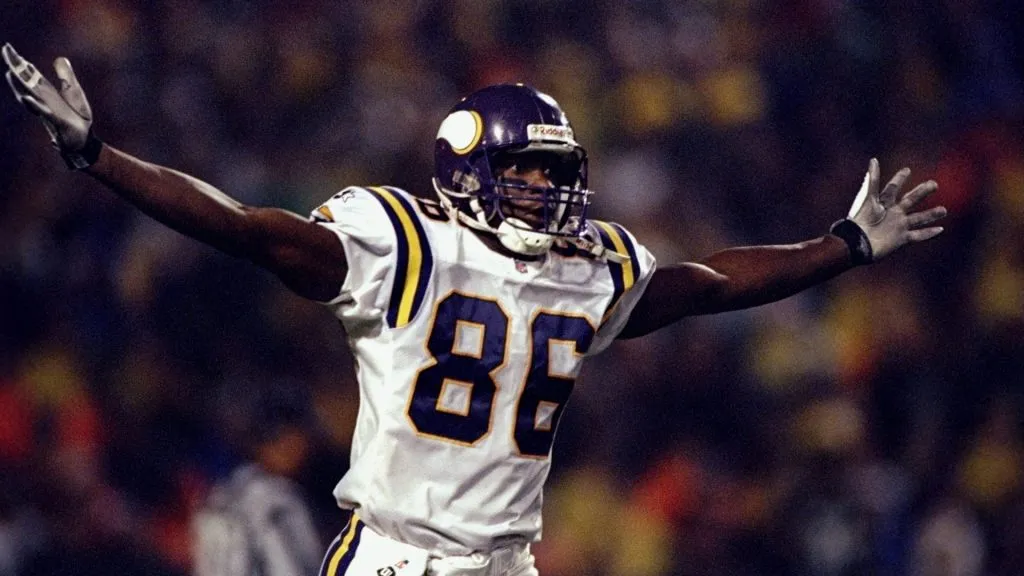
Wide receiver Jake Reed #86 of the Minnesota Vikings in action during a game against the Green Bay Packers in 1998. (Source: Getty Images)
The 1998 Minnesota Vikings, under head coach Dennis Green, achieved a remarkable 15-1 regular season record, setting an NFL scoring record with 556 points. Their offense was explosive, led by quarterback Randall Cunningham, running back Robert Smith, and a trio of wide receivers: Cris Carter, Jake Reed, and rookie sensation Randy Moss. Moss, in particular, made an immediate impact, catching 17 touchdown passes and earning NFL Offensive Rookie of the Year honors.
Despite their offensive prowess, the Vikings’ season ended in heartbreak. In the NFC Championship Game, they faced the Atlanta Falcons in a matchup that would become one of the most memorable in NFL history.
The Vikings were favored to win, but a missed field goal by Gary Anderson, who had been perfect all season, and a late-game collapse led to a 30-27 overtime loss. This defeat prevented the Vikings from reaching the Super Bowl and remains a painful memory for the franchise.
Baltimore Colts – 1968
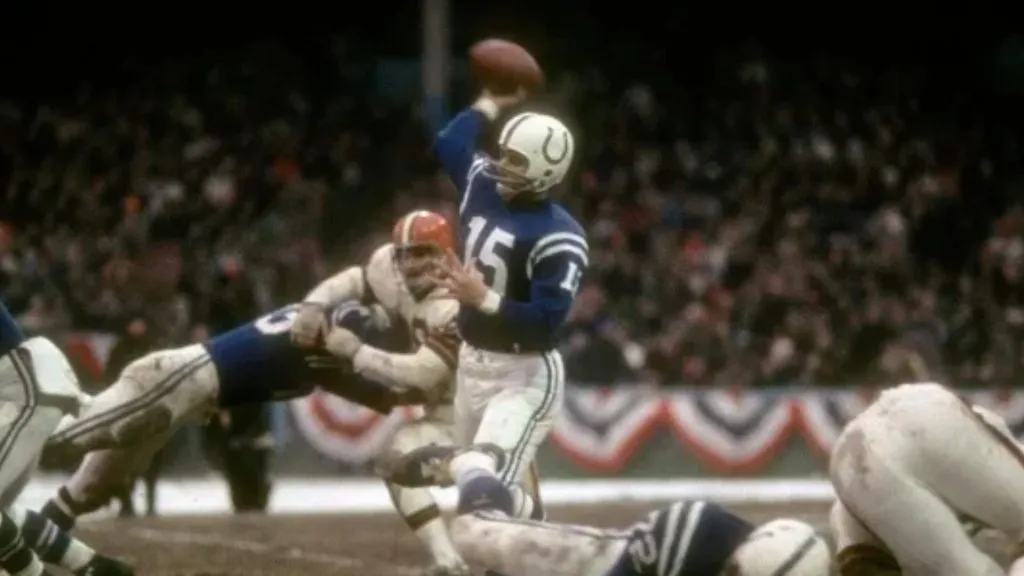
Earl Morrall of the Baltimore Colts. (Source: Getty Images)
The 1968 Baltimore Colts, coached by Don Shula, dominated the NFL with a 13-1 regular season record. Their defense was formidable, allowing the fewest points in the league, while their offense was equally potent. Quarterback Earl Morrall, filling in for the injured Johnny Unitas, led the team with 26 touchdown passes, earning NFL MVP honors.
The Colts’ journey to Super Bowl III was marked by decisive victories, including a 34-0 shutout of the Cleveland Browns in the NFL Championship Game. However, their quest for the ultimate prize ended in disappointment.
In Super Bowl III, they faced the New York Jets and were upset 16-7, with Jets quarterback Joe Namath famously guaranteeing the victory. Despite the loss, the Colts’ 1968 season remains one of the most dominant in NFL history.
Chicago Bears – 1942
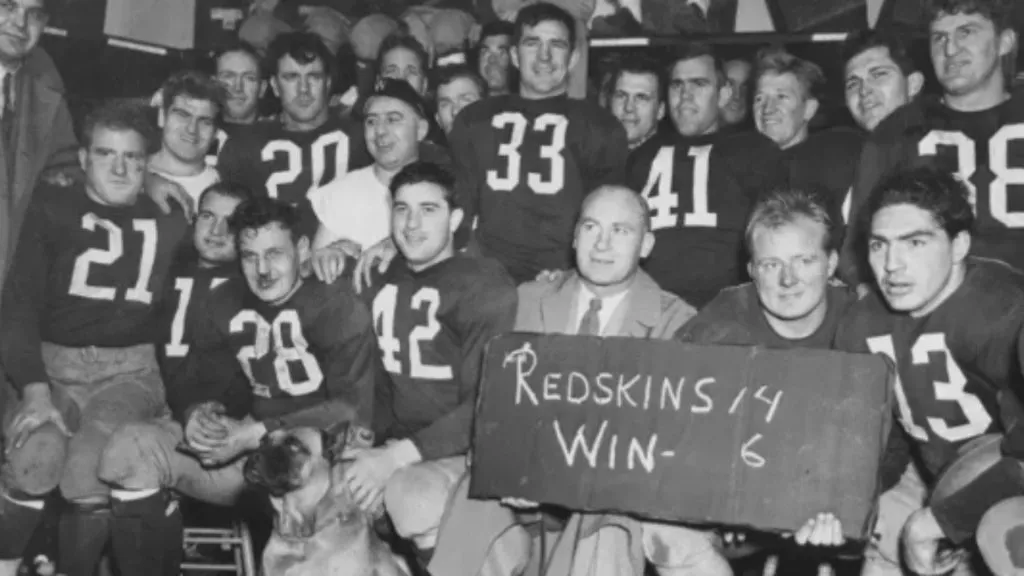
The Redskins beat one of the most dominant teams ever. (Source: Getty Images)
The 1942 Chicago Bears, under the leadership of George Halas and co-coaches Hunk Anderson and Luke Johnsos, completed an undefeated regular season with an 11-0 record. Their offense was explosive, averaging over 34 points per game, while their defense was impenetrable, allowing only 7.6 points per game.
This dominance earned them the title of “the single most dominant team in the history of the NFL” according to Cold Hard Football Facts. Despite their regular-season perfection, the Bears’ championship aspirations were dashed in the NFL Championship Game.
They faced the Washington Redskins and suffered a 14-6 loss, preventing them from completing a perfect season. This defeat remains a rare blemish on an otherwise flawless campaign and highlights the unpredictable nature of the NFL playoffs.
New England Patriots – 2007
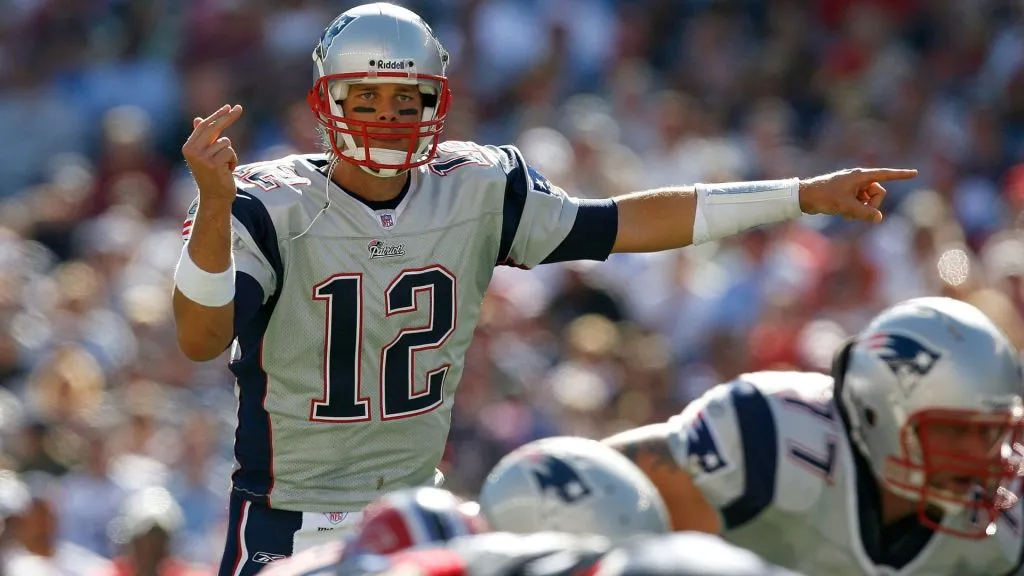
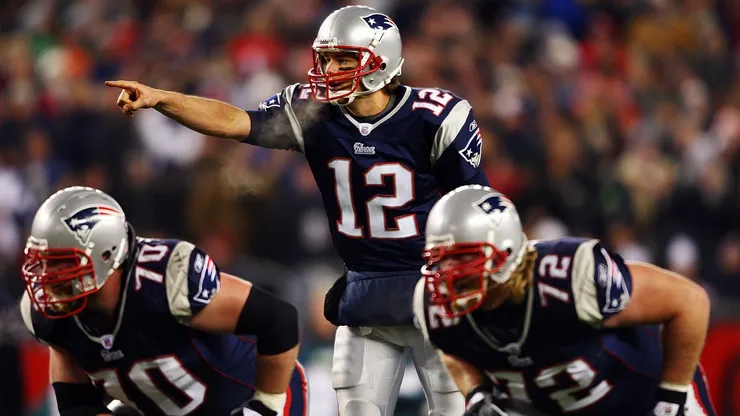
Quarterback Tom Brady #12 of the New England Patriots gestures during a game against the Buffalo Bills at Gillette Stadium on September 23, 2007. (Source: Jim Rogash/Getty Images)
The 2007 New England Patriots, coached by Bill Belichick, achieved a perfect 16-0 regular season record, becoming the first NFL team to do so in a 16-game season.
Their offense was explosive, setting an NFL record with 589 points scored. Quarterback Tom Brady and wide receiver Randy Moss formed a lethal combination, leading the Patriots to the Super Bowl, where they narrowly lost to the New York Giants in one of the most memorable upsets in NFL history.
Despite their offensive prowess, the Patriots’ season ended in heartbreak. In Super Bowl XLII, they faced the New York Giants and were defeated 17-14, with Giants quarterback Eli Manning leading a last-minute drive capped by a touchdown pass to Plaxico Burress. This loss prevented the Patriots from completing a perfect season and remains a poignant chapter in their history.
Kansas City Chiefs – 2019
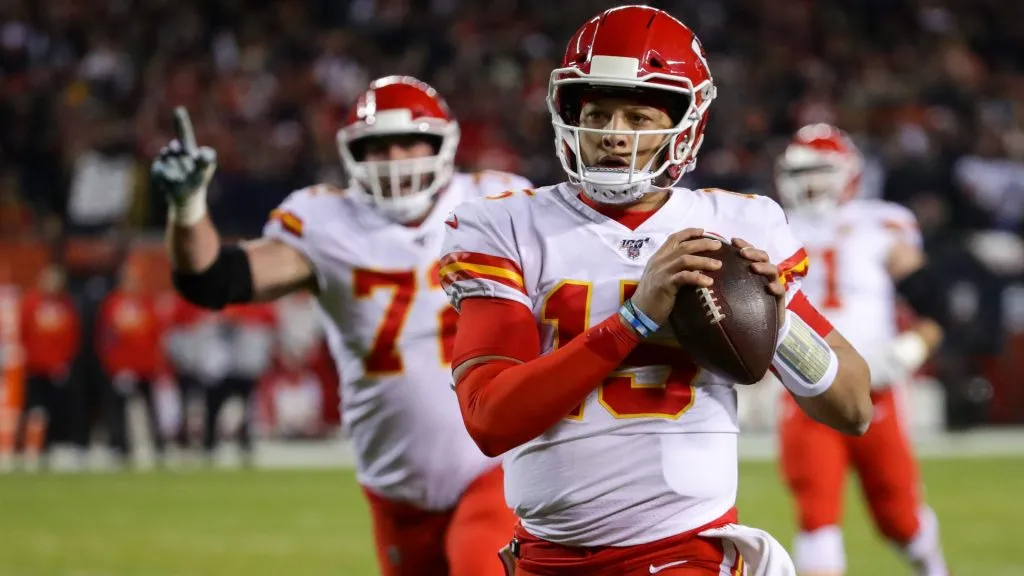
Quarterback Patrick Mahomes #15 of the Kansas City Chiefs runs in a touchdown against the Chicago Bears in the first quarter of the game at Soldier Field on December 22, 2019. (Source: Jonathan Daniel/Getty Images)
The 2019 Kansas City Chiefs, led by head coach Andy Reid and quarterback Patrick Mahomes, showcased a dynamic offense that could score quickly and efficiently.
Their playoff run was marked by dramatic comebacks, including a 24-point rally in the AFC Championship Game against the Tennessee Titans. The Chiefs secured their first Super Bowl victory in 50 years, defeating the San Francisco 49ers in Super Bowl LIV.
Throughout the season, the Chiefs demonstrated resilience and adaptability. In the postseason, they won each game by double digits, overcoming deficits in every contest. This remarkable feat underscored their ability to perform under pressure and solidified their place among the NFL’s elite teams.
New England Patriots – 2004
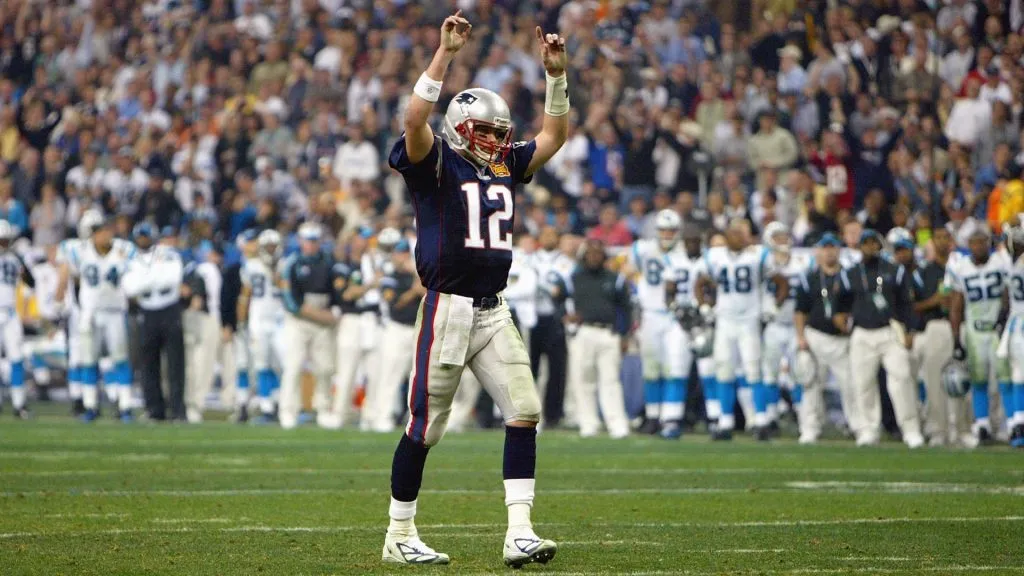
Quarterback Tom Brady #12 of the New England Patriots raises his arms in celebration of a play against the Carolina Panthers during Super Bowl XXXVIII in 2004. (Source: Andy Lyons/Getty Images)
The 2004 New England Patriots, also coached by Bill Belichick, posted a 14-2 regular season record. Their defense was among the league’s best, allowing only 16.3 points per game.
Quarterback Tom Brady continued to excel, leading the team to a Super Bowl victory over the Philadelphia Eagles in Super Bowl XXXIX, securing their third championship in four years.
Throughout the season, the Patriots demonstrated a balanced approach, with a potent offense and a stingy defense. Their ability to control the game on both sides of the ball was evident in their Super Bowl victory, where they defeated the Eagles 24-21. This win further cemented their dynasty in the early 2000s and showcased their dominance in the NFL.
Dallas Cowboys – 1971
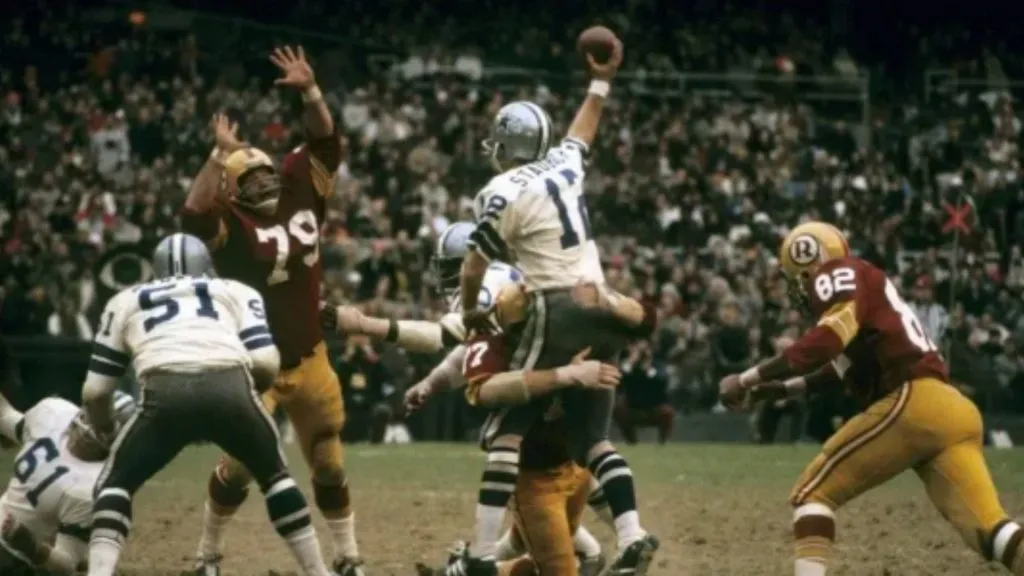
Roger Staubach under pressure. (Source: Getty Images)
The 1971 Dallas Cowboys, under the guidance of coach Tom Landry, finished the regular season with an 11-3 record. Their offense was potent, averaging 29 points per game, while the defense was stingy, allowing only 15.9 points per game. The Cowboys capped off their season with a dominant 24-3 victory over the Miami Dolphins in Super Bowl VI, earning their first championship.
The Cowboys’ Super Bowl victory was a testament to their balanced team play. Quarterback Roger Staubach led the offense with poise, while the defense, featuring standout performances from players like Mel Renfro and Chuck Howley, stifled the Dolphins’ attack. This championship marked the beginning of the Cowboys’ reputation as “America’s Team” and set the stage for future successes.
Los Angeles Rams – 2021
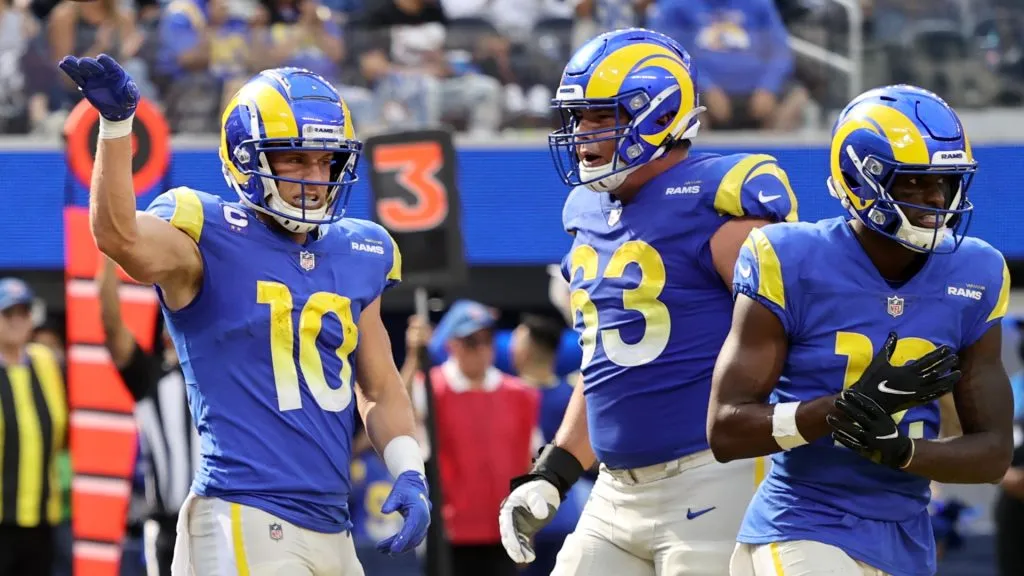
Cooper Kupp #10 of the Los Angeles Rams celebrates a touchdown during the first half in the game against the Detroit Lions at SoFi Stadium on October 24, 2021. (Source: Sean M. Haffey/Getty Images)
The 2021 Los Angeles Rams, coached by Sean McVay, assembled a star-studded roster featuring quarterback Matthew Stafford, defensive tackle Aaron Donald, and wide receiver Cooper Kupp.
Their balanced attack and stout defense propelled them to victory in Super Bowl LVI, where they defeated the Cincinnati Bengals, marking the Rams’ first championship since relocating back to Los Angeles.
Throughout the season, the Rams demonstrated resilience and adaptability. In the postseason, they overcame challenges, including a nail-biting NFC Championship Game against the San Francisco 49ers, to reach the Super Bowl. Their victory underscored their ability to perform under pressure and solidified their place among the NFL’s elite teams.
New York Giants – 1986
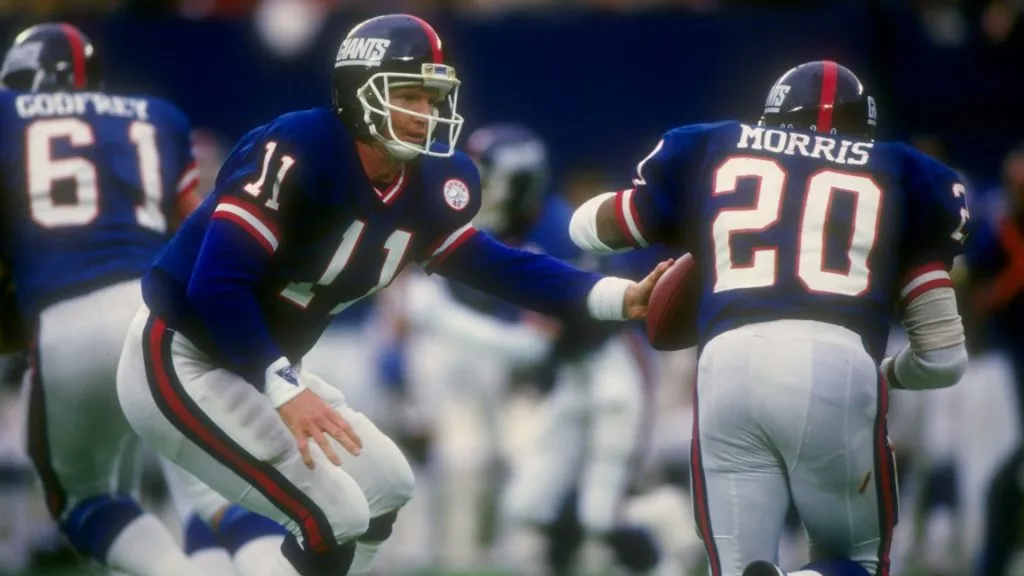
Quarterback Phil Simms of the New York Giants (left) hands off the ball to teammate running back Joe Morris during a game against the Green Bay Packers in 1986. (Source: Getty Images)
The 1986 New York Giants, under head coach Bill Parcells, finished the regular season with a 14-2 record. Their defense, known as the “Big Blue Wrecking Crew,” was dominant, allowing the fewest points in the league. Quarterback Phil Simms led the offense efficiently, and the Giants secured their first Super Bowl title by defeating the Denver Broncos in Super Bowl XXI.
The Giants’ Super Bowl victory was a culmination of their hard-nosed, physical style of play. The defense, featuring standout performances from players like Lawrence Taylor and Harry Carson, overwhelmed the Broncos’ offense. Simms’ poised performance in the Super Bowl, including completing 22 of 25 passes, earned him the game’s MVP honors and highlighted the team’s balanced excellence.
Cleveland Browns – 1950
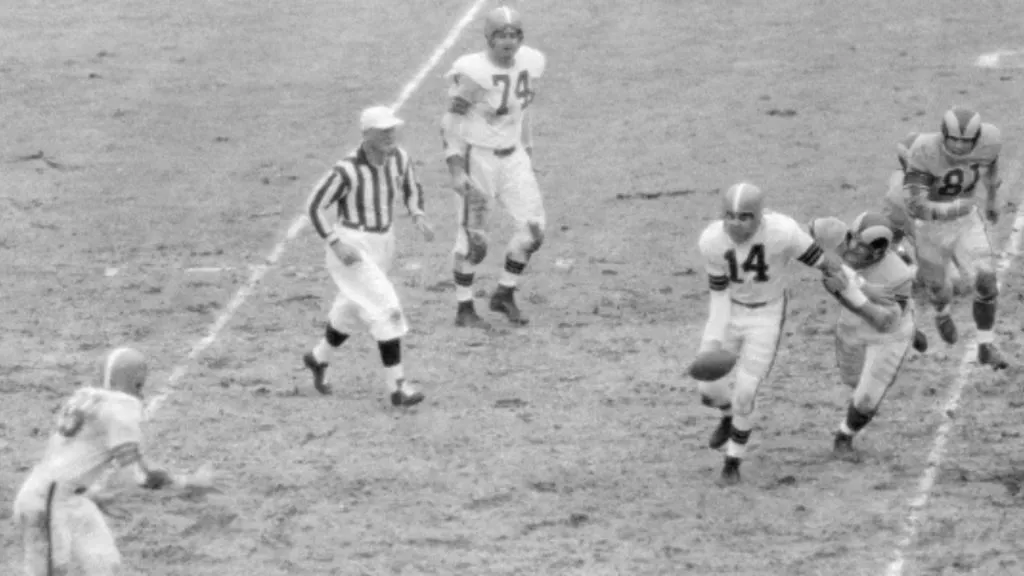
Otto Graham eluding tackles. (Source: Getty Images)
The 1950 Cleveland Browns, led by head coach Paul Brown, dominated the NFL with a 10-2 regular season record. Their offense, featuring quarterback Otto Graham, was high-powered, averaging over 30 points per game. The Browns’ victory in the NFL Championship Game over the Los Angeles Rams marked their first title in the league.
The Browns’ success was built on a combination of innovative coaching and talented players. Paul Brown’s emphasis on fundamentals and preparation set the standard for future generations.
Otto Graham’s leadership on the field, along with the contributions of players like Dante Lavelli and Marion Motley, propelled the Browns to the championship and established them as a dominant force in the NFL.
Green Bay Packers – 1966
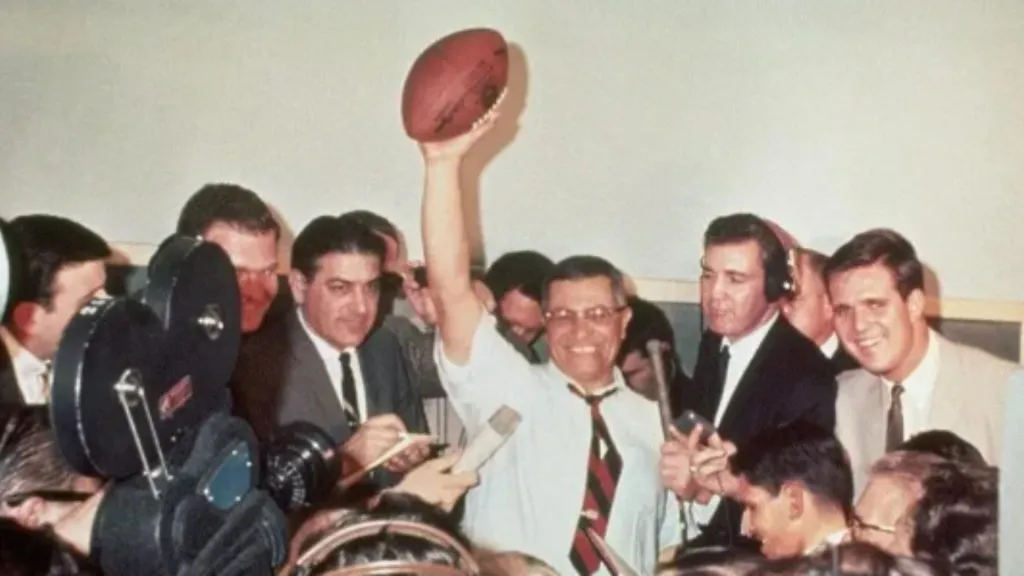
Vince Lombardi celebrating after the Super Bowl. (Source: Getty Images)
In 1966, the Green Bay Packers, under the leadership of Coach Vince Lombardi, achieved a 12–2 regular season record, clinching the NFL Western Conference title. Their offense was potent, led by quarterback Bart Starr, while the defense was formidable, allowing the fewest points in the league.
The Packers’ dominance culminated in a victory over the Dallas Cowboys in the NFL Championship Game. This win propelled them into Super Bowl I, where they faced the AFL champion Kansas City Chiefs. The Packers secured a 35–10 victory, marking the first-ever Super Bowl win and solidifying their place in NFL history.
Denver Broncos – 1998
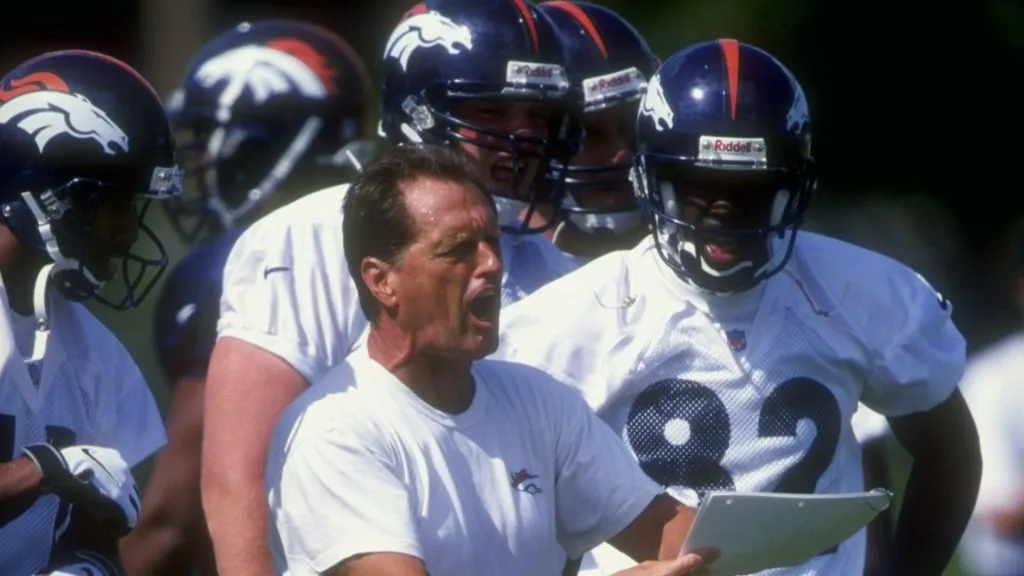
Offensive line coach Alex Gibbs of the Denver Broncos discusses a play during the Broncos training camp at the University of Northern Colorado in 1998. (Source: Getty Images)
The 1998 Denver Broncos, led by head coach Mike Shanahan and quarterback John Elway, posted a 14–2 regular season record, dominating both offensively and defensively. Running back Terrell Davis was instrumental, rushing for over 2,000 yards and earning the NFL MVP award.
In the playoffs, the Broncos continued their dominance, culminating in a 34–19 victory over the Atlanta Falcons in Super Bowl XXXIII. This win secured back-to-back championships for the Broncos, solidifying their status as one of the NFL’s elite teams of the 1990s.
Oakland Raiders – 1976
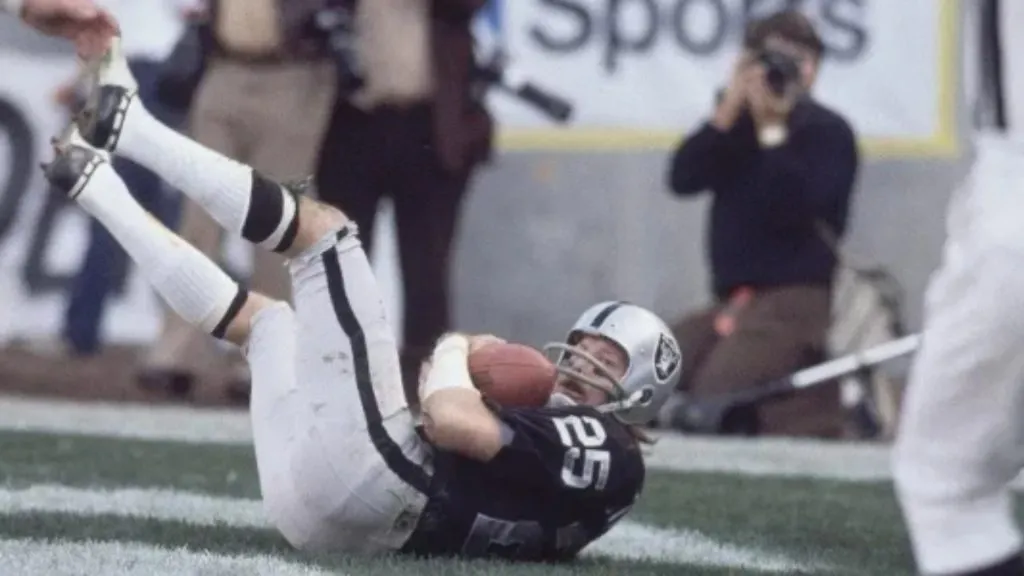
Fred Biletnikoff catching a pass in the endzone (Source: Getty Images)
The 1976 Oakland Raiders, under head coach John Madden, finished the regular season with a 13–1 record, showcasing a balanced and powerful team. Quarterback Ken Stabler led the offense with poise, while the defense, featuring standout players like linebacker Ted Hendricks, was dominant.
The Raiders’ postseason run was marked by decisive victories, including a 24–7 win over the Pittsburgh Steelers in the AFC Championship Game. In Super Bowl XI, they defeated the Minnesota Vikings 32–14, securing their first Super Bowl title and cementing their legacy in NFL history.
Pittsburgh Steelers – 1979
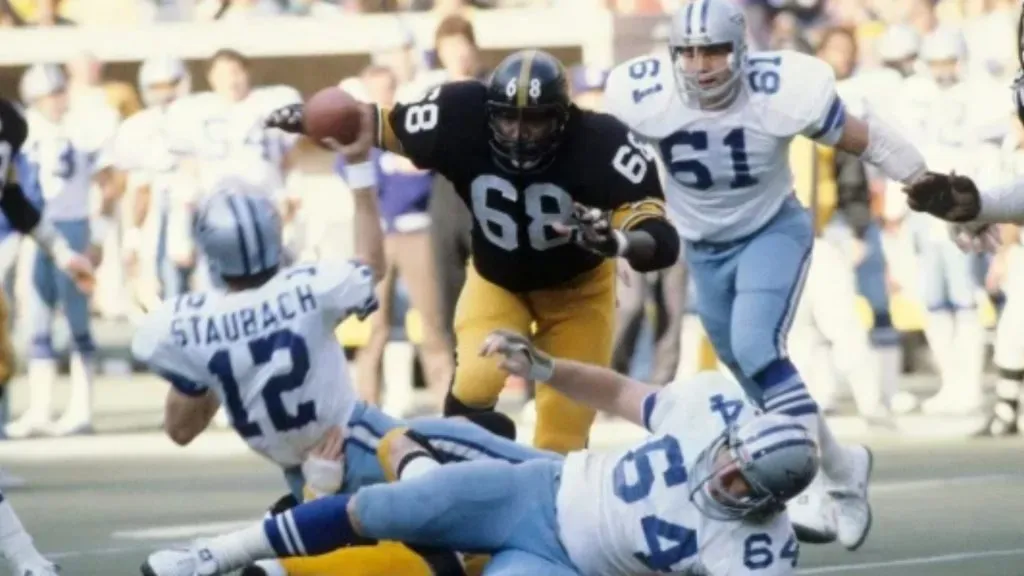
L.C. Greenwood sacking Roger Staubach (Source: Getty Images)
The 1979 Pittsburgh Steelers, coached by Chuck Noll, finished the regular season with a 12–4 record, leading the NFL in scoring offense. Quarterback Terry Bradshaw, running back Franco Harris, and wide receiver Lynn Swann were instrumental in the team’s success.
In the playoffs, the Steelers defeated the Miami Dolphins and the Houston Oilers to reach Super Bowl XIV. Facing the Los Angeles Rams, they secured a 31–19 victory, earning their fourth Super Bowl title of the decade and solidifying their place as one of the NFL’s greatest teams.
New England Patriots – 2016
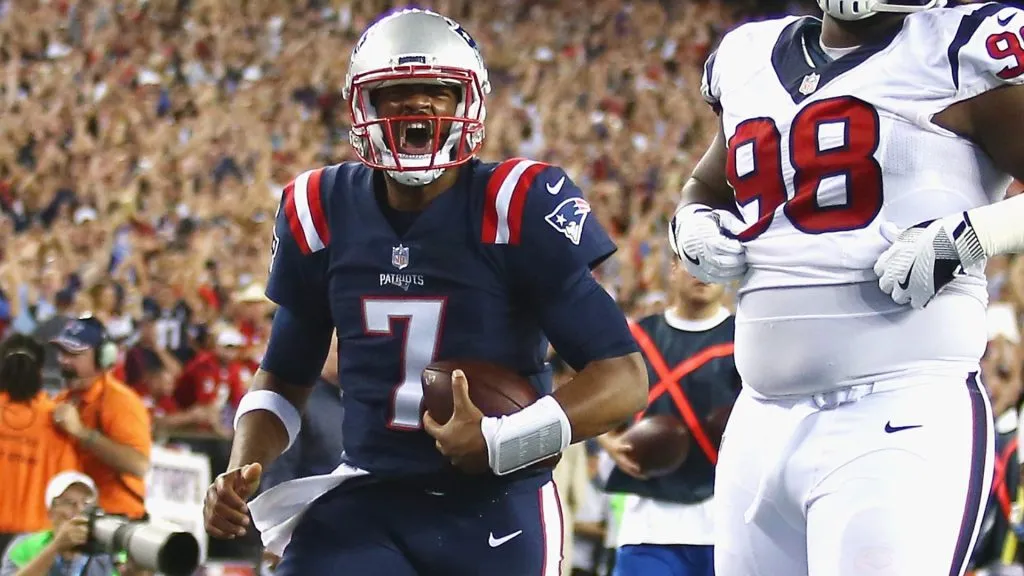
Jacoby Brissett #7 of the New England Patriots celebrates scoring a touchdown during the first quarter against the Houston Texans at Gillette Stadium on September 22, 2016. (Source: Adam Glanzman/Getty Images)
The 2016 New England Patriots, under head coach Bill Belichick and quarterback Tom Brady, finished the regular season with a 14–2 record, marking the best in the NFL. The team displayed a balanced offense and a stingy defense, with standout performances from wide receiver Julian Edelman and running back LeGarrette Blount.
In Super Bowl LI, the Patriots faced the Atlanta Falcons and overcame a 25-point deficit to win 34–28 in overtime. This remarkable comeback secured their fifth Super Bowl title and further solidified their dynasty in the NFL.
Dallas Cowboys – 1977
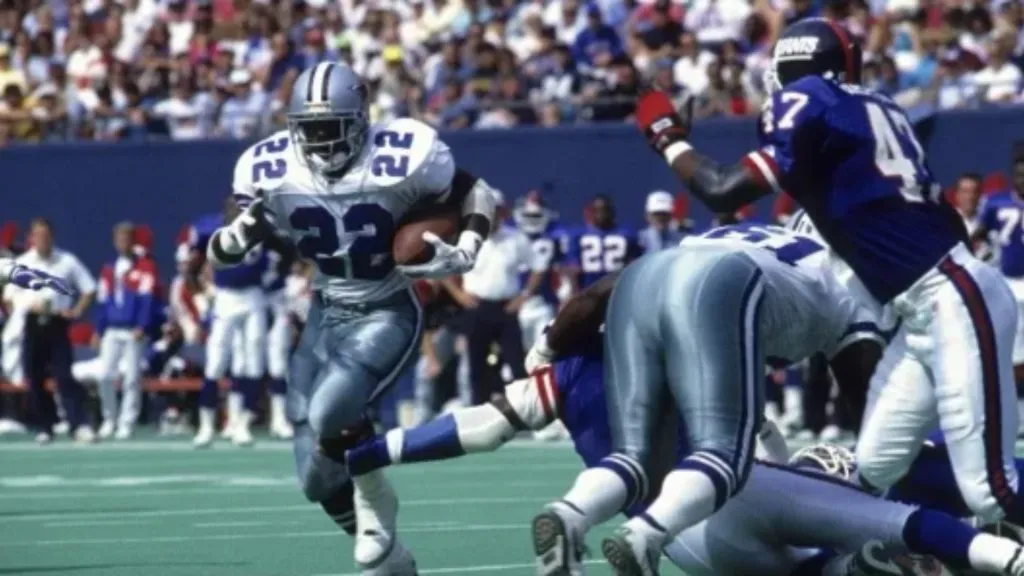
Dorsett rushed for 1,007 yards and 12 touchdowns in 1977 (Source: Getty Images)
The 1977 Dallas Cowboys, coached by Tom Landry, posted a 12–2 regular season record, showcasing a balanced team with a potent offense and a dominant defense. Quarterback Roger Staubach led the offense with precision, while the defense, featuring players like Harvey Martin and Randy White, was formidable.
In the playoffs, the Cowboys defeated the Chicago Bears and the Minnesota Vikings to reach Super Bowl XII. Facing the Denver Broncos, they secured a 27–10 victory, earning their second Super Bowl title and solidifying their status as one of the NFL’s elite teams.
Philadelphia Eagles – 1949
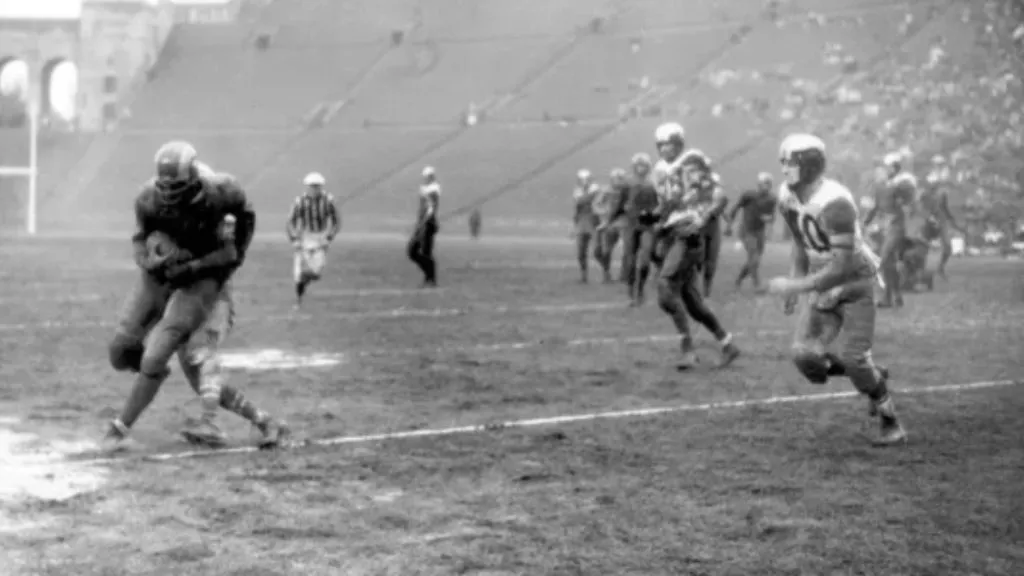
The Eagles won back-to-back championships (Source: Getty Images)
The 1949 Philadelphia Eagles, under head coach Greasy Neale, finished the regular season with an 11–1 record, dominating both offensively and defensively. The team showcased a balanced attack, with quarterback Tommy Thompson leading the offense and a stout defense that allowed the fewest points in the league.
In the NFL Championship Game, the Eagles faced the Los Angeles Rams and secured a 14–0 victory, earning their second consecutive NFL title. This achievement solidified their place in NFL history as one of the league’s early powerhouses.
Green Bay Packers – 1996
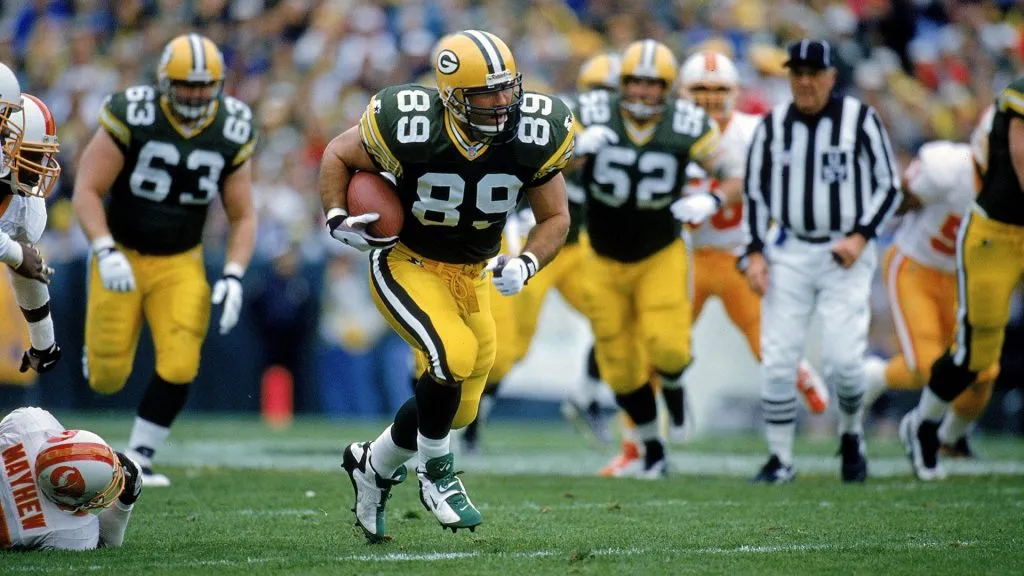
Mark Chmura #89 of the Green Bay Packers carries the ball during a game against the Tampa Bay Buccaneers in 1996. (Source: Getty Images)
The 1996 Green Bay Packers, under head coach Mike Holmgren and quarterback Brett Favre, finished the regular season with a 13–3 record, leading the NFL. The team showcased a potent offense, with Favre earning the NFL MVP award, and a stingy defense that allowed the fewest points in the league.
In Super Bowl XXXI, the Packers faced the New England Patriots and secured a 35–21 victory, earning their third Super Bowl title. This win solidified their place in NFL history and marked the beginning of a new era of success for the franchise.
St. Louis Rams – 1999
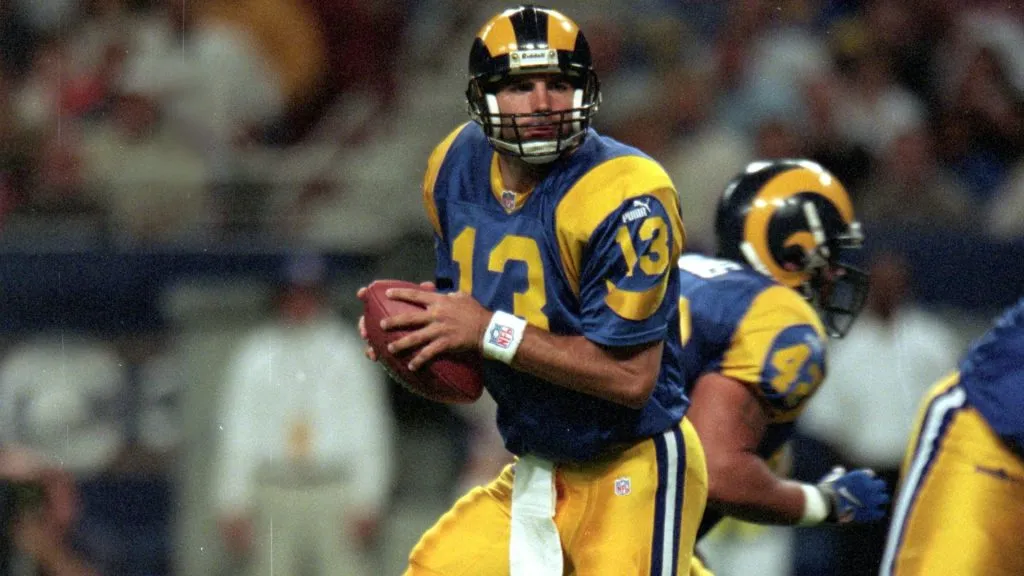
Kurt Warner #13 of the St.Louis Rams moves back to pass the ball during a game against the Cleveland Browns in 1999. (Source: Elsa Hasch /Allsport)
The 1999 St. Louis Rams, under head coach Dick Vermeil, finished the regular season with a 13–3 record, showcasing a high-powered offense known as the “Greatest Show on Turf.” Quarterback Kurt Warner led the team with precision, earning NFL MVP honors, while the defense made timely plays throughout the season.
In Super Bowl XXXIV, the Rams faced the Tennessee Titans and secured a 23–16 victory, earning their first Super Bowl title. This win marked the culmination of a remarkable season and solidified their place in NFL history.
Dallas Cowboys – 1992
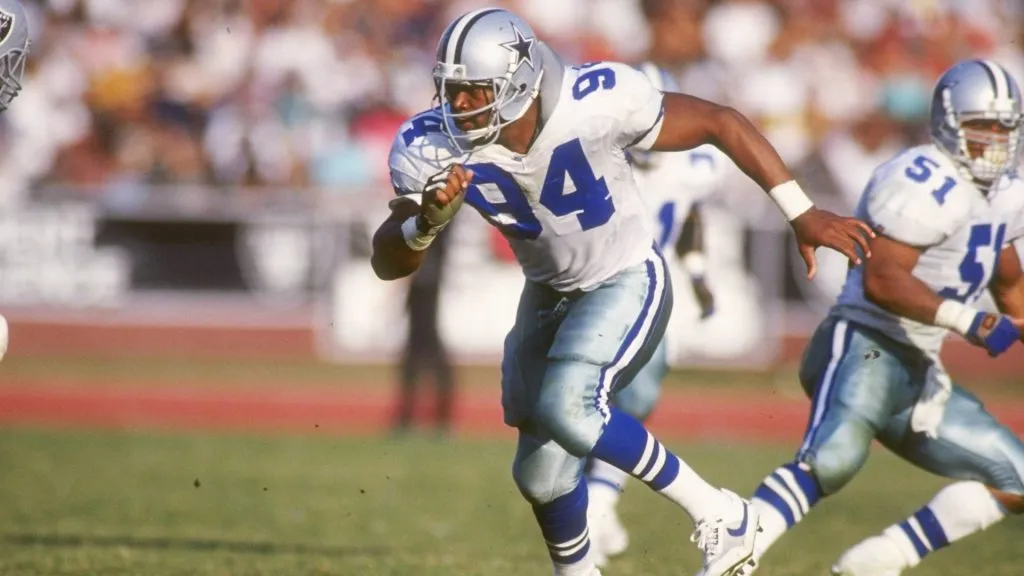
Defensive lineman Charles Haley of the Dallas Cowboys moves down the field during a game against the Los Angeles Raiders in 1992. (Source: Getty Images)
The 1992 Dallas Cowboys, under head coach Jimmy Johnson, finished the regular season with a 13–3 record, showcasing a balanced team with a potent offense and a dominant defense. Quarterback Troy Aikman led the offense with precision, while running back Emmitt Smith earned NFL Offensive Player of the Year honors.
In Super Bowl XXVII, the Cowboys faced the Buffalo Bills and secured a 52–17 victory, earning their third Super Bowl title. This win marked the beginning of a dynasty for the Cowboys in the 1990s.
Pittsburgh Steelers – 1975
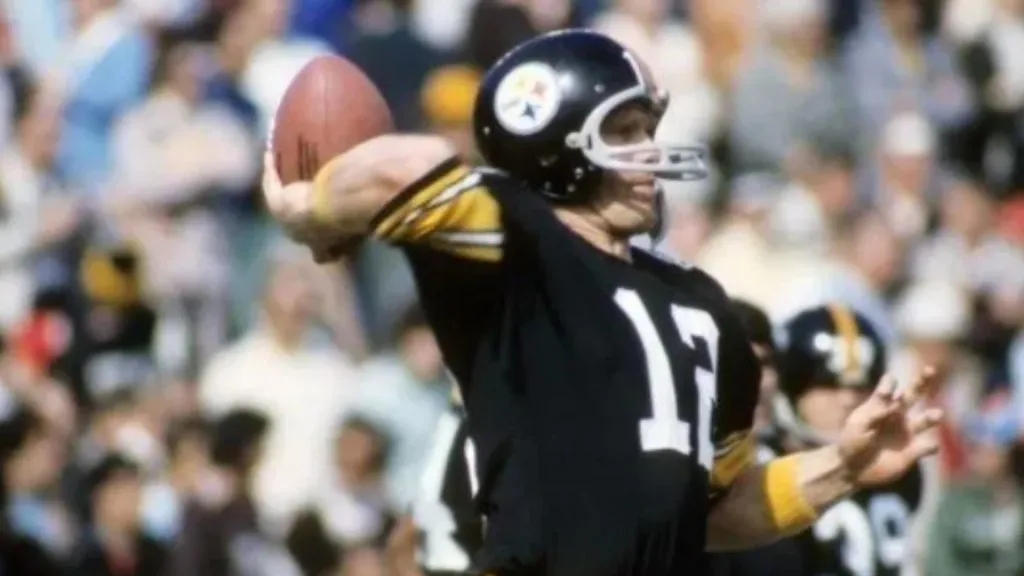
Terry Bradshaw throwing a pass (Source: Getty Images)
The 1975 Pittsburgh Steelers, coached by Chuck Noll, finished the regular season with an 11–3 record, showcasing a balanced team with a potent offense and a dominant defense. Quarterback Terry Bradshaw led the offense with precision, while the defense, featuring players like “Mean” Joe Greene and Jack Lambert, was formidable.
In Super Bowl X, the Steelers faced the Dallas Cowboys and secured a 21–17 victory, earning their second Super Bowl title. This win solidified their place as one of the NFL’s elite teams and marked the beginning of a dynasty in Pittsburgh.
San Francisco 49ers – 1994
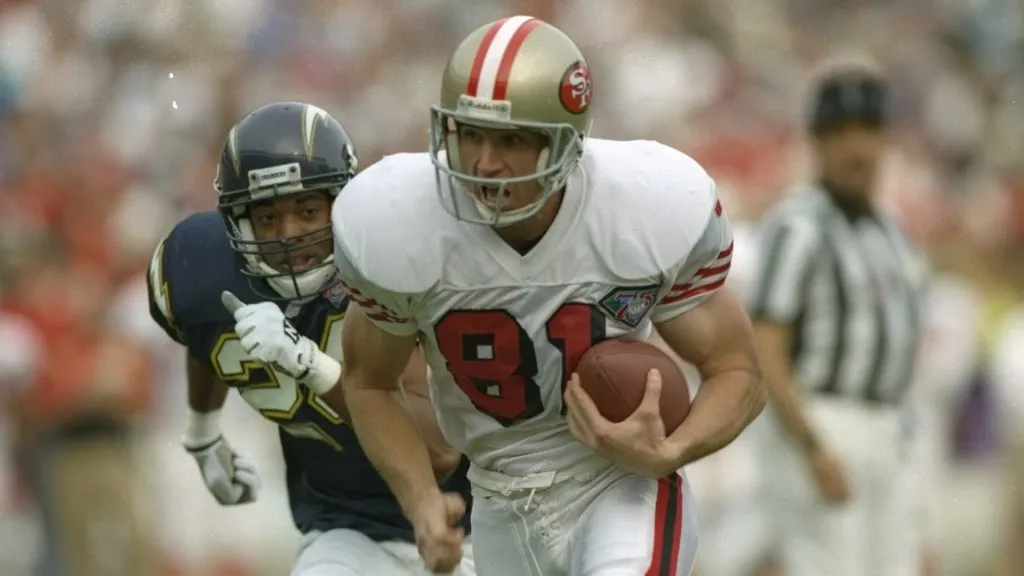
Wide receiver Ed McCaffrey of the San Francisco 49ers moves the ball during a game against the San Diego Chargers at Jack Murphy Stadium in 1994. (Source: Stephen Dunn /Allsport)
The 1994 San Francisco 49ers, under head coach George Seifert, finished the regular season with a 13–3 record, showcasing a high-powered offense and a stingy defense. Quarterback Steve Young led the team with precision, earning NFL MVP honors, while the defense, featuring players like Deion Sanders, was dominant.
In Super Bowl XXIX, the 49ers faced the San Diego Chargers and secured a 49–26 victory, earning their fifth Super Bowl title. This win solidified their place as one of the NFL’s greatest teams and marked the culmination of a remarkable season.
Pittsburgh Steelers – 1978
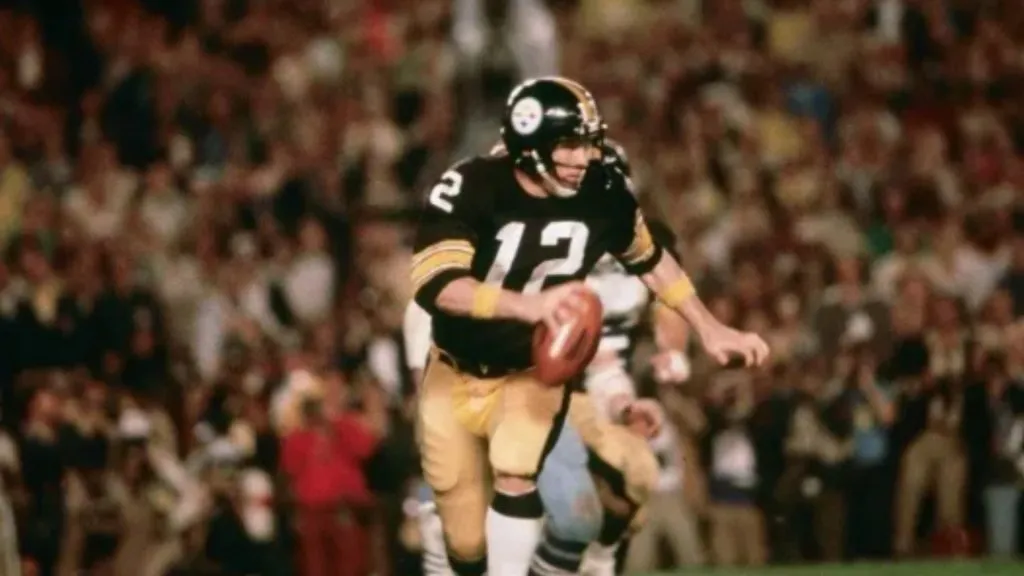
Terry Bradshaw (Source: Getty Images)
The 1978 Pittsburgh Steelers, coached by Chuck Noll, finished the regular season with a 14–2 record, showcasing a perfect blend of offensive firepower and defensive dominance.
Quarterback Terry Bradshaw orchestrated the offense with poise, while the “Steel Curtain” defense, anchored by Mean Joe Greene, Jack Lambert, and Jack Ham, stifled opposing teams all season. In Super Bowl XIII, the Steelers faced the Dallas Cowboys in a thriller that highlighted their resilience.
Pittsburgh emerged victorious, 35–31, earning their third Super Bowl title and solidifying their dynasty of the 1970s. The team’s combination of strategic coaching, disciplined execution, and star power ensured the 1978 Steelers would be remembered as one of the NFL’s greatest squads.
Chicago Bears – 1985
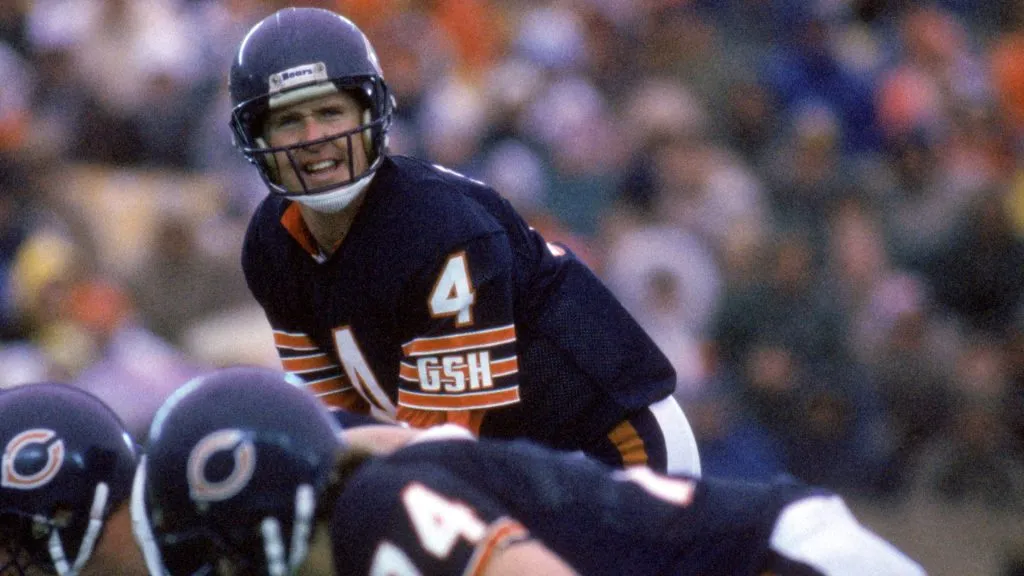
Quarterback Steve Fuller #4 of the Chicago Bears calls a play at the line of scrimmage during a game against the Detroit Lions in 1985. (Source: Mike Powell/Getty Images)
The 1985 Chicago Bears, under head coach Mike Ditka, are widely regarded as one of the most dominant teams in NFL history. Finishing the regular season with a 15–1 record, their defense, famously dubbed the “46 Defense” and orchestrated by coordinator Buddy Ryan, was nearly unstoppable, allowing only 198 points all season.
Hall of Famers like Mike Singletary, Richard Dent, and Dan Hampton made the defense an impenetrable force. In the postseason, the Bears overwhelmed every opponent, culminating in a 46–10 victory over the New England Patriots in Super Bowl XX.
Quarterback Jim McMahon and running back Walter Payton provided a balanced offensive attack, but it was the defense that truly defined their season. The 1985 Bears set the standard for team dominance, leaving a legacy that remains iconic in NFL lore.
Miami Dolphins – 1972
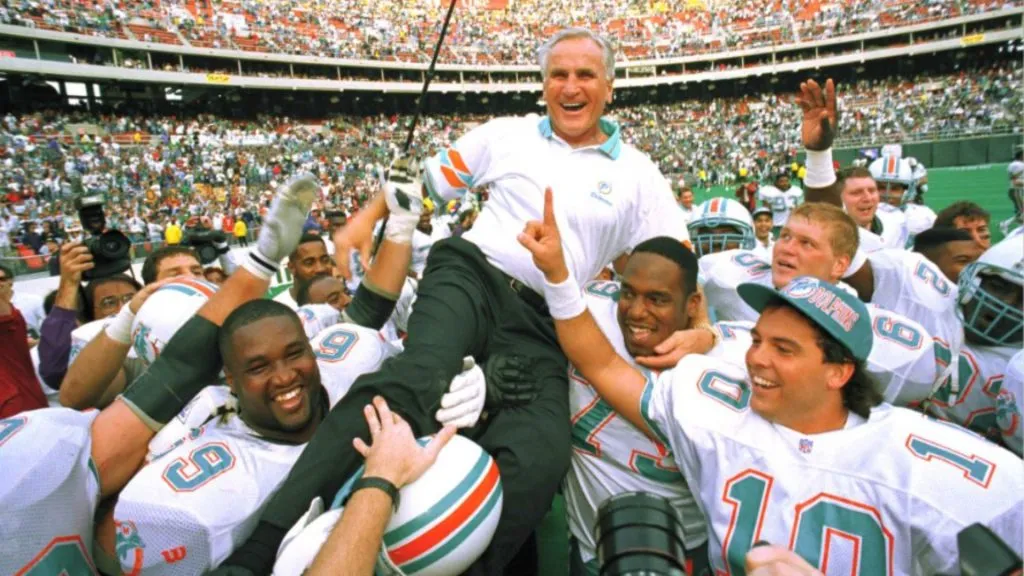
Don Shula of the Miami Dolphins in 1972. (Source: NFL)
The impossible, in its original form. Miami didn’t just win every game: they carved out a perfect season with a clear identity. When Bob Griese broke his leg in October, 38-year-old Earl Morrall stepped in and never let the ship drift off course.
The offense punished teams on the ground with a landmark achievement: Larry Csonka (1,117) and Mercury Morris (1,000) became the first teammates to both surpass 1,000 rushing yards in a single season, anchored by the famous line of Jim Langer and Larry Little.
Meanwhile, the “No-Name Defense” shrank scoreboards and egos alike, giving up only 171 points in 14 games. The finale was cinematic: Super Bowl VII, a 14–7 win over Washington, MVP safety Jake Scott, and the infamous “Garo’s Gaffe” that nearly spoiled the 17-0 run—until the defense locked it down. No other team has replicated a perfect season capped with a championship in the modern era.
San Francisco 49ers – 1984
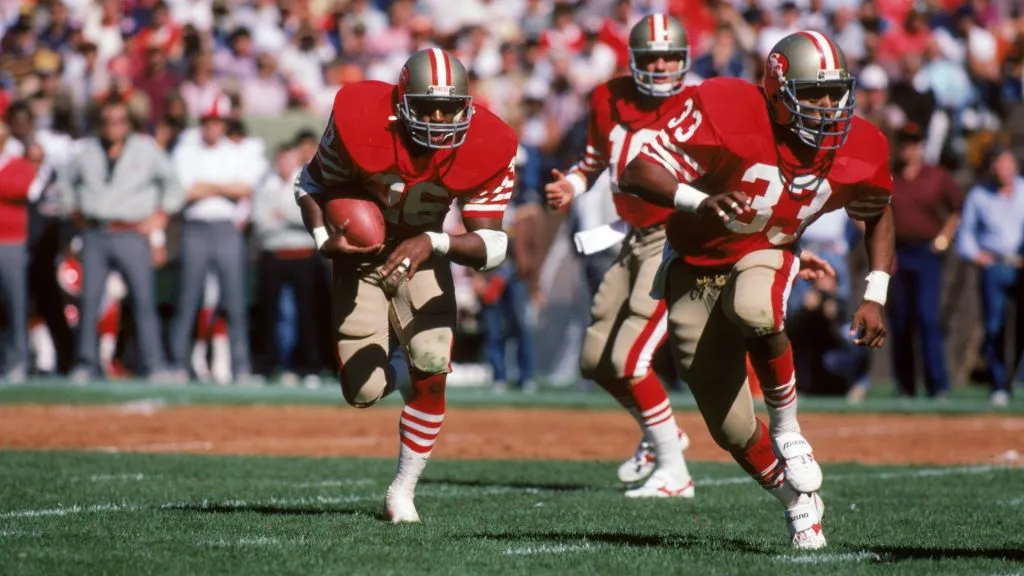
Wendell Tyler runs behind the protection of teammate running back Roger Craig #33 during a game against the Atlanta Falcons at Candlestick Park on September 30, 1984. (Source: George Rose/Getty Images)
If the West Coast Offense was a scalpel, this was its cleanest cut. With Bill Walsh at the helm and Joe Montana in clinical form, San Francisco went 15–1, combining surgical precision on offense (475 points scored) with steel-cold defense (227 allowed).
The road to glory featured milestones: a 23–0 shutout of the Bears in the NFC Championship and a masterclass in Super Bowl XIX against Dan Marino’s Dolphins. Montana threw for 331 yards, took home MVP, and guided a 38–16 triumph that left no doubt.
Beyond the numbers, it was the validation of an idea: Walsh’s system—quick progressions, timed routes, total ball control—was no longer a trend. It was a way to rule the NFL.
Baltimore Ravens – 2000
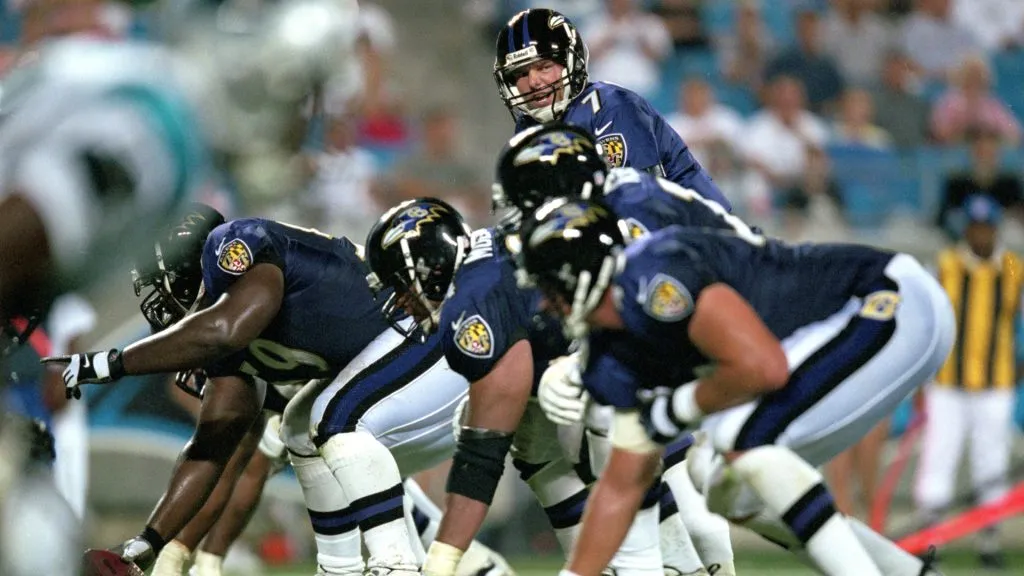
Quarterback Chris Redman #7 of the Baltimore Ravens calls the play during the Pre-Season game against the Carolina Panthers in 2000. (Source: Craig Jones /Allsport)
A historic padlock. These Ravens didn’t just play defense—they handed down sentences. They allowed 165 points across 16 games—the best mark for that format—survived a five-game stretch without scoring an offensive touchdown, and still made it to January with a clear script: kick doors down.
In the playoffs, their defense surrendered only 23 points in four games and crowned the run with a 34–7 rout of the Giants in Super Bowl XXXV. The identity had names (Ray Lewis at the forefront), but above all, it had a culture: clean tackling, discipline, and opportunism.
Buffalo Bills – 1990
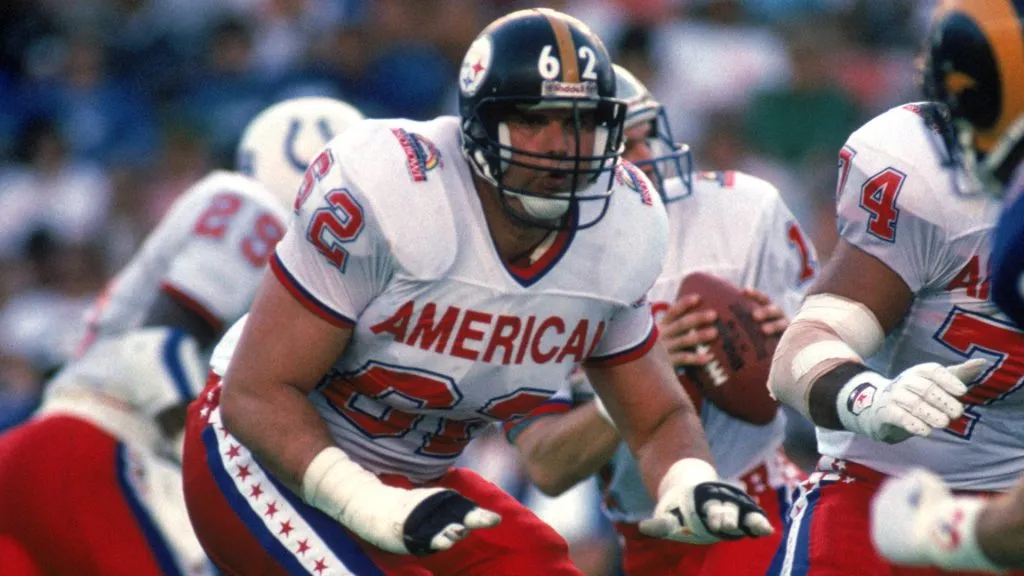
Buffalo Bills offensive tackle Tunch Ilkin #62 of the AFC squad stands in protection during the 1990 NFL Pro Bowl at Aloha Stadium on February 4, 1990. (Source: George Rose/Getty Images)
The K-Gun offense put the league in no-huddle mode and looked back only to see opponents gasping. With Marv Levy and Ted Marchibroda cranking up the tempo from the sideline, the Bills led the NFL in points (428) and obliterated the Raiders 51–3 in the AFC Championship before colliding with the cruelest night: “Wide Right” in the 20–19 Super Bowl XXV loss to the Giants.
It was the first final decided by a single point, and a duel of styles—New York’s long, suffocating possessions designed to neutralize the speed of Jim Kelly, Thurman Thomas, and Andre Reed.
Washington (Redskins/Commanders) – 1991
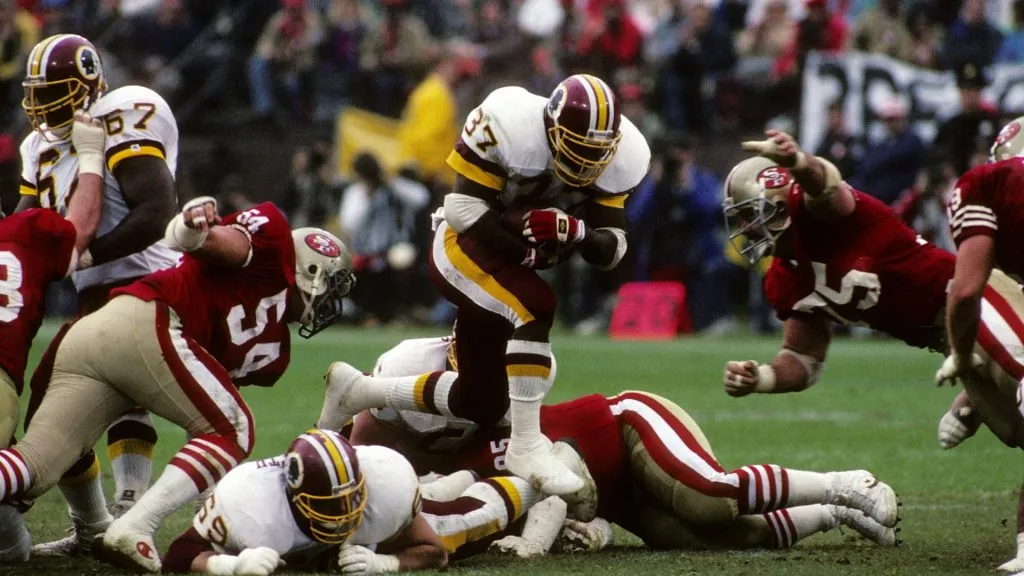
Gerald Riggs of the Washington Redskins runs with the ball under pressure from Matt Millen and Kevin Fagan of the San Francisco 49ers during the 1990 NFC Divisional Playoffs. (Source: George Rose/Getty Images)
Relentless efficiency. Joe Gibbs’ squad of Washington started 11–0, finished 14–2, and posted a +261 point differential that still echoes. Mark Rypien launched deep bombs to Art Monk, Gary Clark, and Ricky Sanders; Earnest Byner pounded between tackles; and the Hogs’ offensive line plowed the way.
The finished product was a machine that hit you from every angle and almost never hit itself. Come January, Washington kept the pedal down: a 37–24 win over the Bills in Super Bowl XXVI sealed the crown. By volume and cleanliness, this season regularly makes the shortlist of the greatest in the modern era.
Pittsburgh Steelers – 2005
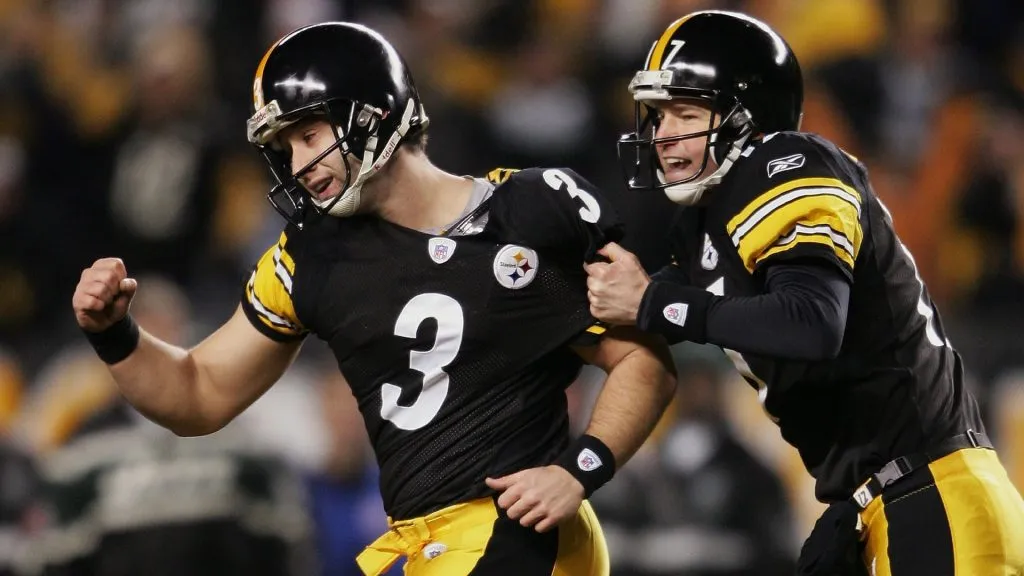
Jeff Reed Chris Gardocki of the Pittsburgh Steelers celebrate the game winning field goal against the New York Jets in an AFC divisional game at Heinz Field on January 15, 2005. (Source: Andy Lyons/Getty Images)
Road warriors with a soundtrack of rock and roll. Seeded No. 6 in the AFC, these Steelers didn’t walk through the front door—they ripped it off its hinges. They won three straight playoff games on the road—in Cincinnati, at 14-2 Indianapolis, and at high-altitude Denver—before finishing the job with a 21–10 victory over Seattle in Super Bowl XL.
It was the first time a No. 6 seed lifted the Lombardi: an aggressive defense, a second-year Ben Roethlisberger making just the right play, and a movie-like farewell for Jerome Bettis, retiring as champion in his native Detroit. The night left two indelible images: Willie Parker’s 75-yard run (a Super Bowl record at the time) and Antwaan Randle El’s trick-play touchdown pass to MVP Hines Ward.