
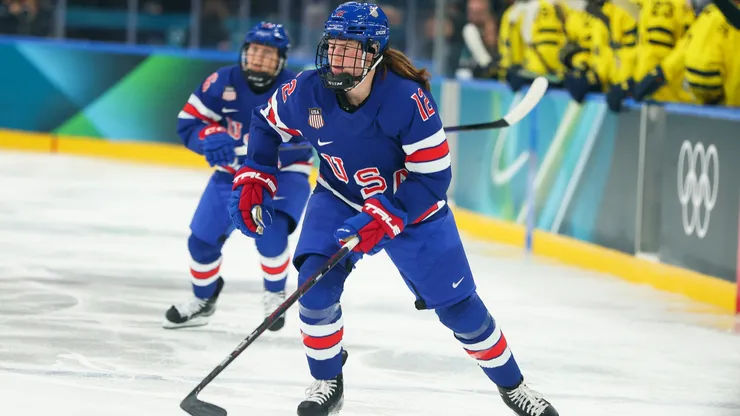
In a rivalry that has defined women’s hockey for decades, United States and Canada find themselves once again on a collision course for Olympic gold at the 2026 Winter Games in Milano‑Cortina.
These two powerhouses have met in seven of the eight women’s finals since the sport’s Olympic debut in 1998, trading blows and titles with barely a breath between them. But today, they will finally get their long‑awaited rematch.
The Americans arrive unbeaten and dominant, outscoring opponents 31‑1 and handing Canada a rare 5‑0 defeat earlier in the tournament, the first time the reigning champions were ever shut out at an Olympics.
What happens if USA beats Canada?
If United States defeats Canada in the gold medal game, the result would register as a regulation win in the Olympic record books and award one of the highest accomplishments in international hockey: Olympic gold.
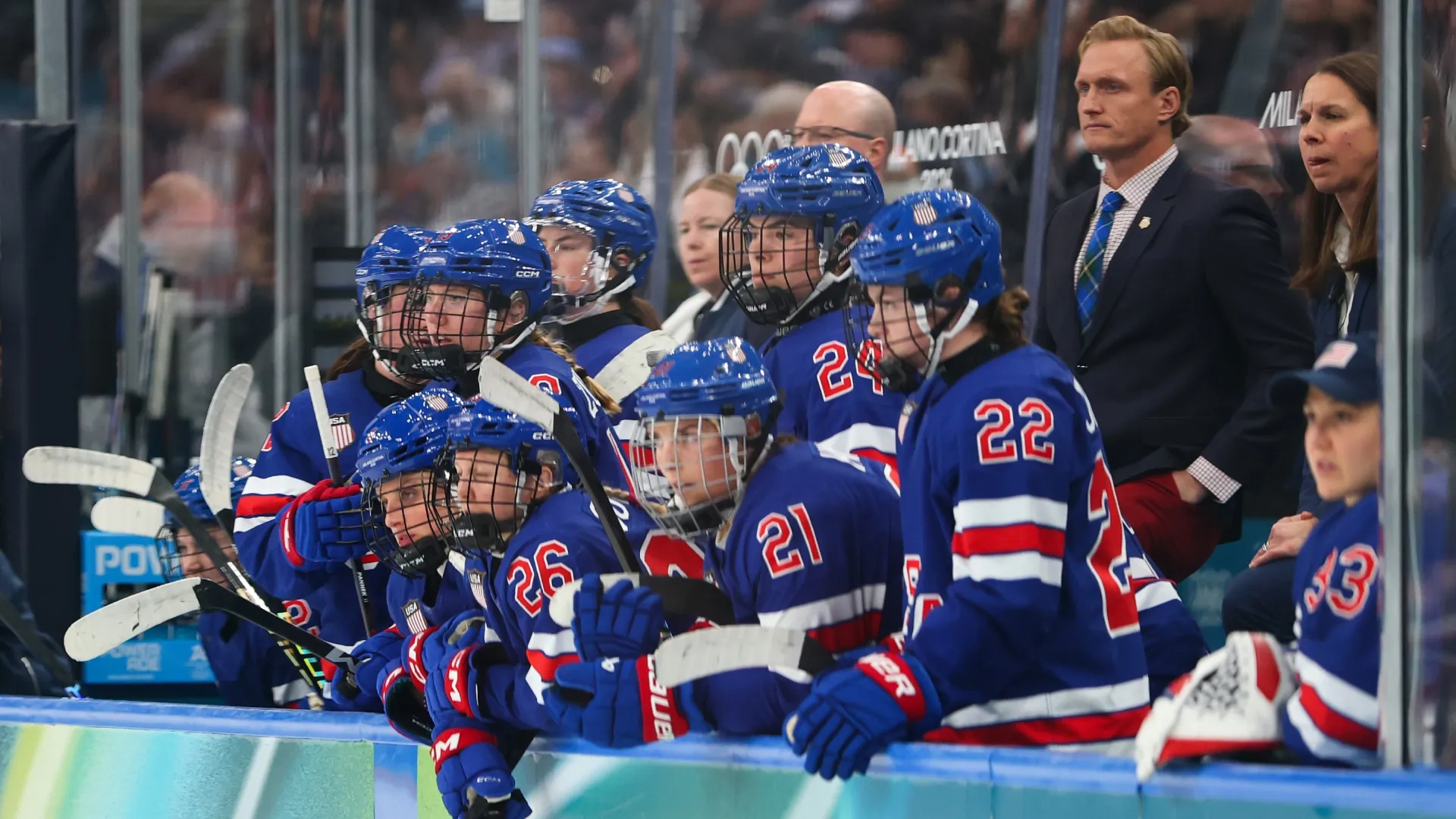
Players of Team USA during the 2026 Winter Olympic games (Source: Gregory Shamus/Getty Images)
At the 2026 Games, the Americans entered the final unbeaten, outscoring opponents by large margins and posting multiple shutouts, including a 5‑0 win over Canada earlier in the tournament.
From a tactical and statistical perspective, a U.S. victory would reinforce their dominance across several key metrics: goals for vs. against differentials, power‑play effectiveness, and shot suppression.
In knockout play, such superiority often correlates with stronger puck possession rates and better goaltending save percentages, both of which are key indicators of championship outcomes in tournaments regulated under international rules.
What happens if USA and Canada tie?
In the Olympics’ gold medal context, a tie after the standard three 20‑minute periods is not a final result — under current tournament format, the game proceeds to sudden‑death overtime.
According to the 2026 Olympic hockey rules, teams play a 20‑minute period of 3‑on‑3 sudden‑death with 15-minute intermissions and ice resurfacing between periods. If neither team scores, additional periods continue in the same format until a winning goal is scored.
This differs from the preliminary and earlier knockout rounds, where shorter overtime with a possible shootout can decide outcomes, because the gold medal game cannot be decided by a shootout, ensuring that a championship is earned on the ice during active play rather than in a skills competition.
What happens if USA loses to Canada today?
A regulation loss for the U.S. would result in Canada taking the gold medal. Canada’s roster, led by established leaders and high‑impact scorers, reached the final by virtue of skillful execution in the semifinals, including a narrow victory that continued their streak of Olympic final appearances.
A defeat would also alter the international rankings and momentum for both programs. Canada would gain the upper hand not only in Olympic gold counts but also in psychological edge for future tournaments, especially given their historic success and depth in clutch moments.