
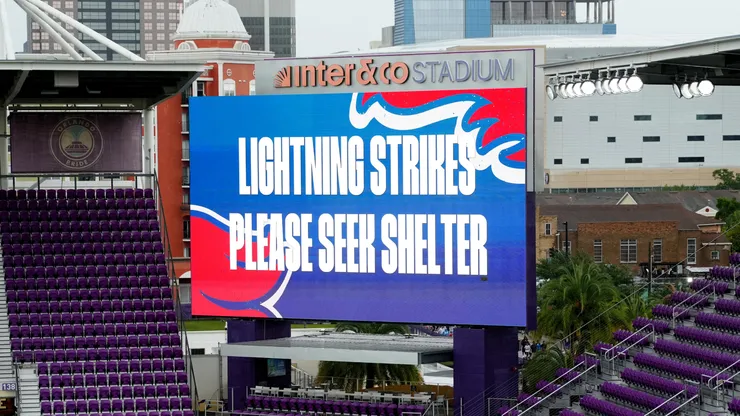
The 2026 FIFA World Cup, spanning Canada, Mexico, and the United States, faces a unique logistical opponent: extreme summer weather. While standard rainfall rarely stops a football match, the intense seasonal storms typical of North American climates bring a much higher risk of disruption. FIFA has made it clear that regular rain will not halt play, provided the pitch does not become completely waterlogged or hazardous.
The real tipping point for tournament organizers isn’t the rain itself, but the severe atmospheric activity that often accompanies it. Because FIFA defers to local safety protocols, it must strictly adhere to the strict regulations imposed by municipal authorities in each host city. In North America, particularly in the United States, these local public safety mandates take a definitive, zero-tolerance approach to lightning and severe storms.
Consequently, matches during this tournament are highly susceptible to sudden kickoff delays or temporary pauses. Rather than focusing on how hard the rain is falling, tournament officials and referees rely on localized environmental tracking systems. The true indicator for an immediate match suspension depends entirely on a strict, mathematical radius concerning dangerous electrical activity.
The 8-mile rule and resumption protocols
According to regional public safety guidelines, a World Cup match must be suspended immediately if lightning is detected within an 8-mile (approximately 13-kilometer) radius of the stadium. When this threshold is crossed, the referee will halt play, and both teams must immediately vacate the pitch for the locker rooms. Simultaneously, fans in the stands are directed to leave exposed seating areas and move to the safety of covered concourses.
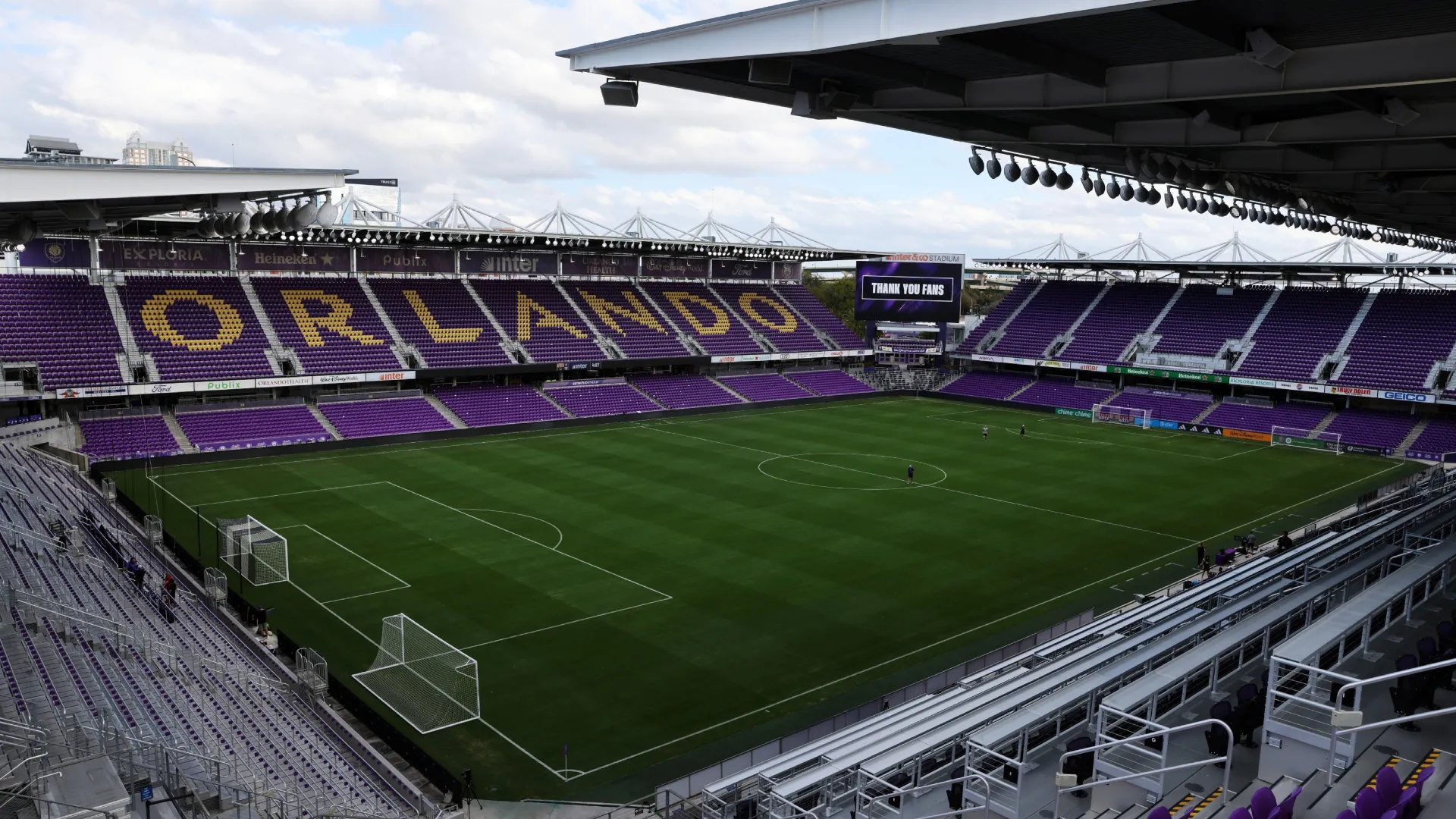
General view inside Inter&Co Stadium in Orlando, Florida.
Once a match is suspended due to lightning, a mandatory 30-minute countdown clock begins. For play to safely resume, a full 30-minute window must pass without a single additional strike being recorded inside that same 8-mile danger zone. The logistical challenge is that any subsequent lightning strike detected during the waiting period automatically resets the 30-minute timer back to zero, creating rolling delays.

FIFA has confirmed there is no fixed, maximum duration a match can remain delayed before it is officially called off for the day. Instead, football’s governing body reviews every severe weather delay on a case-by-case basis, factoring in stadium logistics and fan transportation. If a prolonged storm forces a permanent postponement, the match is typically rescheduled to resume the following day, picking up from the exact minute and scoreline.
Pitch playability and strategic stadium design
Outside of electrical storms, standard rain will only trigger a suspension if it severely compromises the integrity of the playing surface. A referee will conduct an official pitch inspection if torrential downpours cause significant pooling, preventing the ball from rolling naturally or bouncing safely. If the ball consistently gets stuck in puddles or players face hazardous slipping, play is paused for ground crews to manage the water.
Fortunately, tournament organizers heavily prepared for these scenarios by upgrading stadium infrastructure across all three hosting nations. Many venues, such as Guadalajara Stadium, feature cutting-edge hybrid turf and advanced vacuum drainage systems designed to siphon heavy moisture away in real time. Furthermore, several venues in storm-prone cities boast retractable or fixed roof structures that completely eliminate the threat of rain delays.