
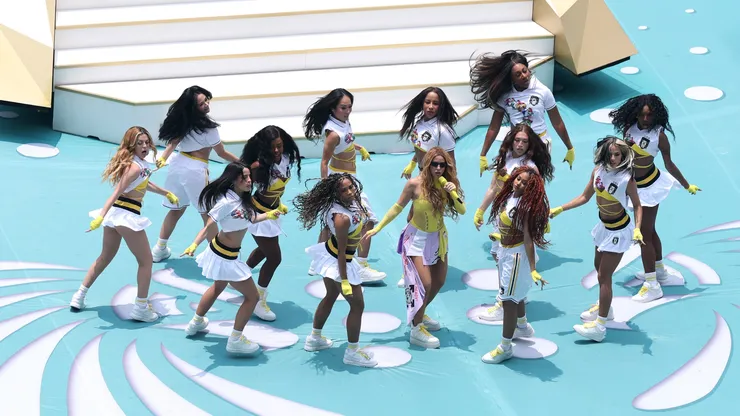
The FIFA World Cup Final has always been the biggest match in soccer, but in 2026 it will also become the stage for a historic first. FIFA is introducing a Super Bowl-style halftime show at the championship game.
It brings together some of the biggest music stars in a production designed for a global television audience. While the artists will grab the headlines, an enormous workforce will be responsible for making the spectacle happen behind the scenes.
For the Final alone, hundreds of professionals—from production managers and stage technicians to security personnel—will work in coordination to ensure the halftime show is assembled, performed and cleared within minutes.
How many volunteers are working at the 2026 FIFA World Cup?
The 2026 FIFA World Cup will rely on approximately 70,000 volunteers, making it the largest volunteer program in the tournament’s history. They are part of an overall workforce that FIFA says it exceeded 85,000 people.
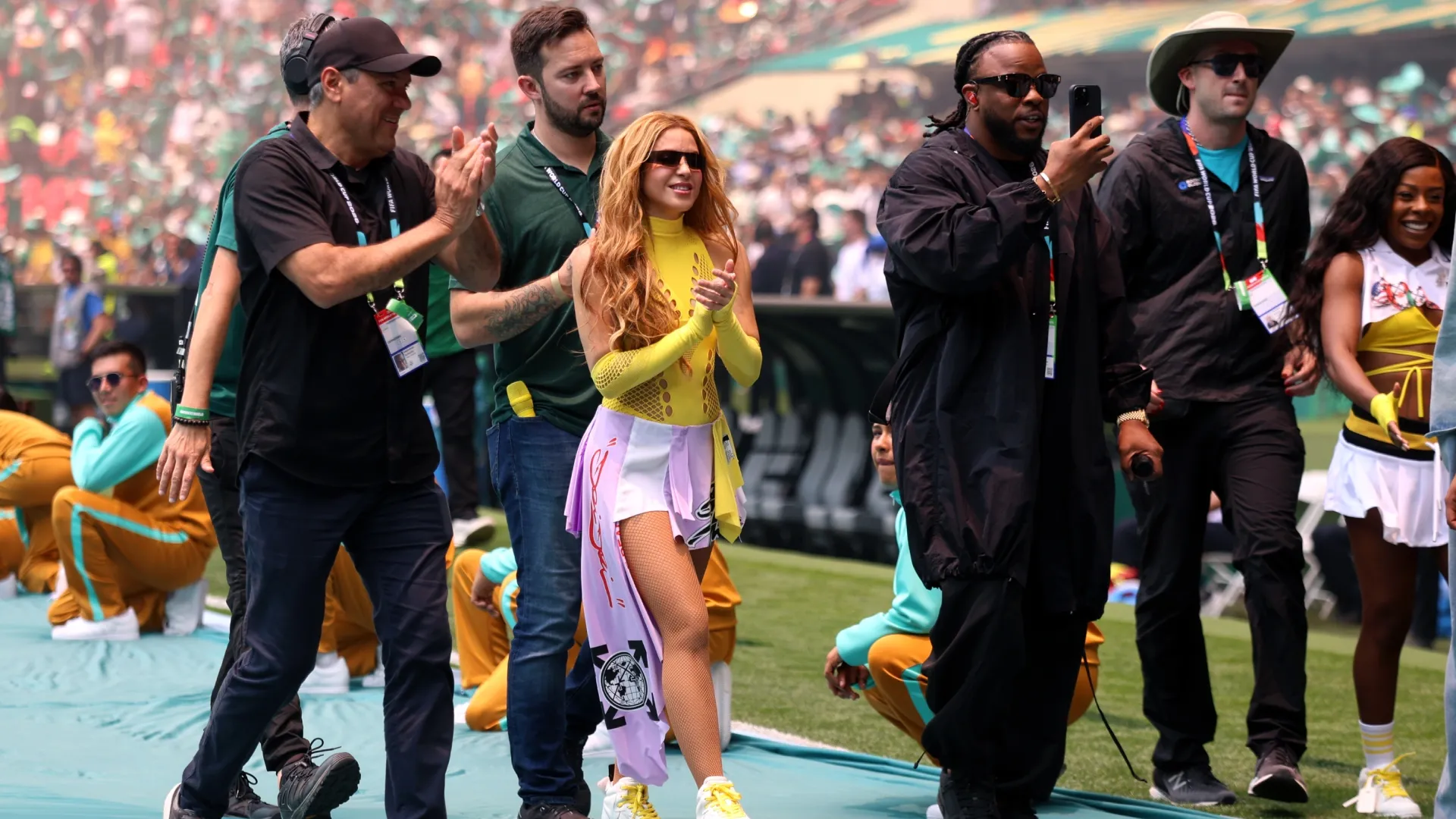
Shakira during the Opening Ceremony before the FIFA World Cup 2026 Group A match (Source: Angel Delgado/Getty Images)
Volunteers are expected to help with crowd management, backstage logistics, media coordination, guest services, transportation and transitions before and after the performance, working alongside experienced production professionals.
Since the 2026 edition spans 16 host cities across three countries, volunteers are considered essential to maintaining smooth operations throughout the month-long tournament, including its showcase event: the World Cup Final.
Who is involved in producing the 2026 FIFA World Cup Final halftime show?
The 2026 FIFA World Cup Final halftime show is being produced by Global Citizen in partnership with Live Nation and Done + Dusted, while Coldplay frontman Chris Martin serves as the show’s curator.
Global Citizen is leading the overall production while also using the event to support the FIFA Global Citizen Education Fund, an initiative that aims to raise money for education and youth programs around the world.
Chris Martin has helped shape the creative vision, select performers and coordinate the artistic direction of what FIFA hopes will become a defining entertainment tradition for future World Cups.
With dozens of production companies, creative directors, technicians and support staff working behind the scenes, the event represents one of the most ambitious live entertainment productions ever staged during a FIFA World Cup.