Pedro Leitao Brito has become one of the most influential figures in Cape Verdean soccer history. After taking charge of the national team in 2020, the former defender guided the Blue Sharks through a remarkable rise.
He enjoyed a playing career as a center back before making a successful transition into coaching. He represented his country before gaining experience with several domestic clubs and serving as an assistant with the national team.
His journey from national team captain to the architect of Cape Verde‘s greatest soccer milestone has made him a respected name on the international stage and a central figure in the country’s soccer growth.
Why is Pedro Leitao Brito known as Bubista?
Pedro Leitao Brito is known as “Bubista” because the nickname comes from Boa Vista, the Cape Verdean island where he was born. In Cape Verdean Creole, “Bubista” is a colloquial way of referring to someone from Boa Vista.
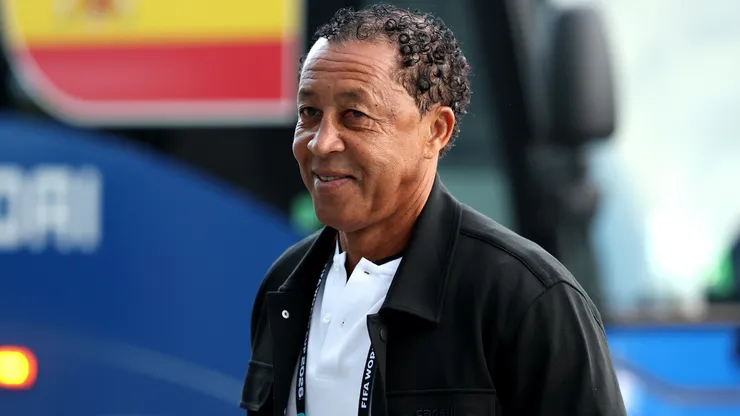
Bubista ahead of the FIFA World Cup 2026 Group H match (Source: Michael Steele/Getty Images)
The nickname has taken on even greater significance during his coaching career. As the manager who led Cape Verde to its first-ever FIFA World Cup qualification, he has become one of the most recognizable figures.
How old is Pedro Leitao Brito?
Pedro Leitao Brito is 56 years old. He was born on January 6, 1970, on the island of Boa Vista, then part of Portuguese Cape Verde.
His decades of experience in the game have included roles as a player, national team captain, assistant coach, club manager and head coach of Cape Verde. That background has helped him build one of Africa’s most disciplined national teams.
How tall is Pedro Leitao Brito?
Pedro Leitao Brito stands 5-foot-11 (1.80 m) tall. During his playing career, he featured primarily as a center back, although he was also capable of playing as a defensive midfielder thanks to his tactical awareness and physical strength.
Former teammates often described him as a strong defender who excelled in aerial duels despite not being among the tallest players. Those defensive principles later became one of the hallmarks of his coaching philosophy.
Pedro Leitao Brito’s playing career
Pedro Leitao Brito enjoyed a professional playing career that spanned nearly two decades before becoming a coach. A central defender by trade, he represented Cape Verde internationally from the early 1990s until 2005.
Although his time in European soccer was brief, he gained valuable experience in Spain before continuing his career in Angola, where he enjoyed the most successful period of his club career. He later returned to Cape Verde to finish playing before moving into management.
After retiring, he remained deeply involved in developing soccer in his home country, first as an assistant with the national team and later as a head coach at both club and international levels.
Which clubs did Pedro Leitao Brito play for?
Pedro Leitao Brito played for four professional clubs during his career. His best-known stop in Europe came with CD Badajoz in Spain’s Segunda Division during the 1995-96 season, where he made two league appearances.
He then moved to ASA (Atletico Sport Aviacao) in Angola, spending six seasons with the club and helping it win the 2002 Girabola, Angola’s top-flight championship. That title remains the biggest club honor of his playing career.
Following his time in Angola, he had a brief stint with Portuguese side Estoril before returning to Cape Verde to play for Falcoes do Norte, where he finished his playing career in 2006.
When did Pedro Leitao Brito make his debut as Cape Verde’s coach?
Pedro Leitao Brito became Cape Verde’s head coach in January 2020. After spending several years as an assistant with the national team and coaching clubs in the Cape Verdean league, he was appointed to replace Janito Carvalho.
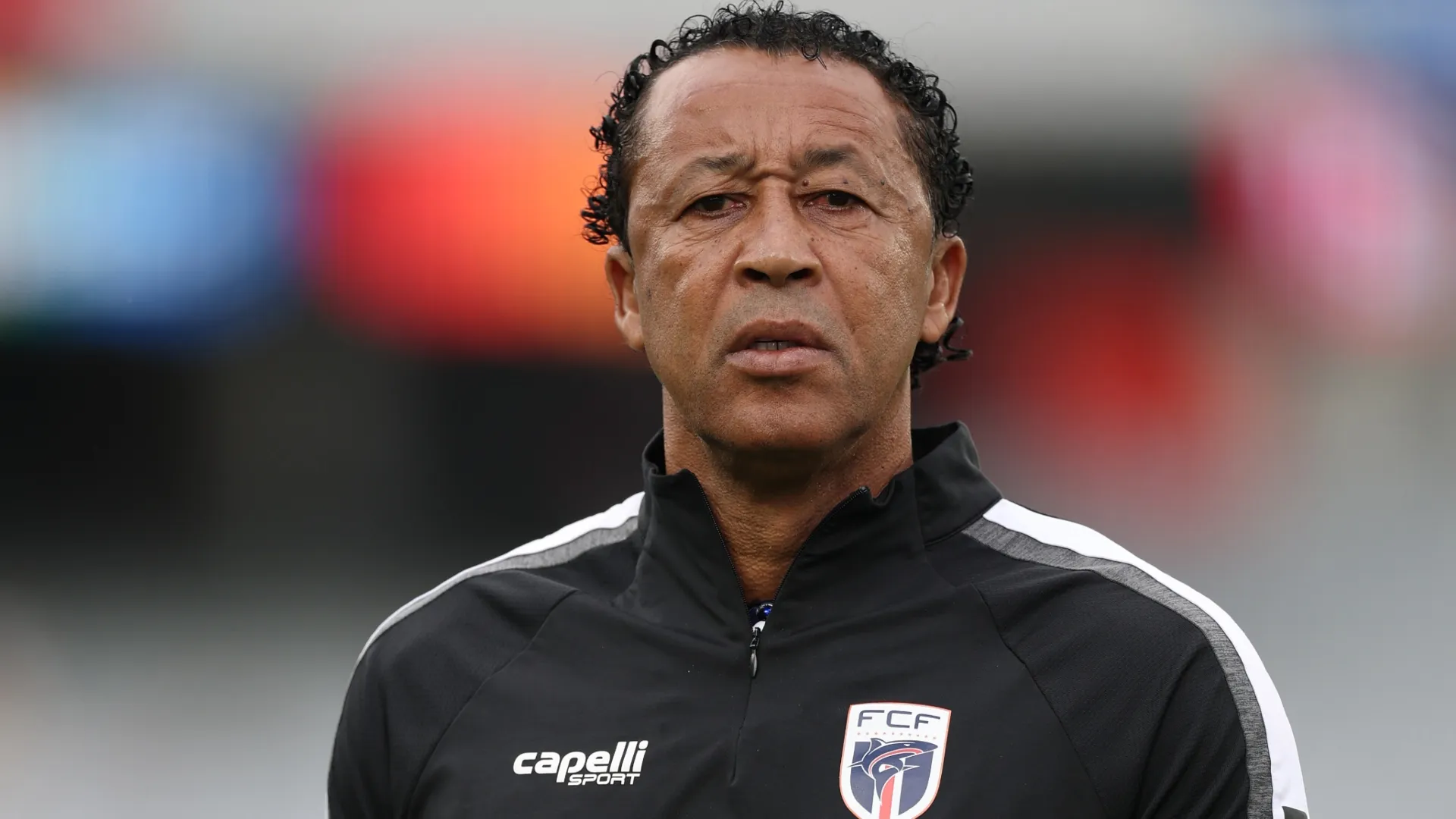
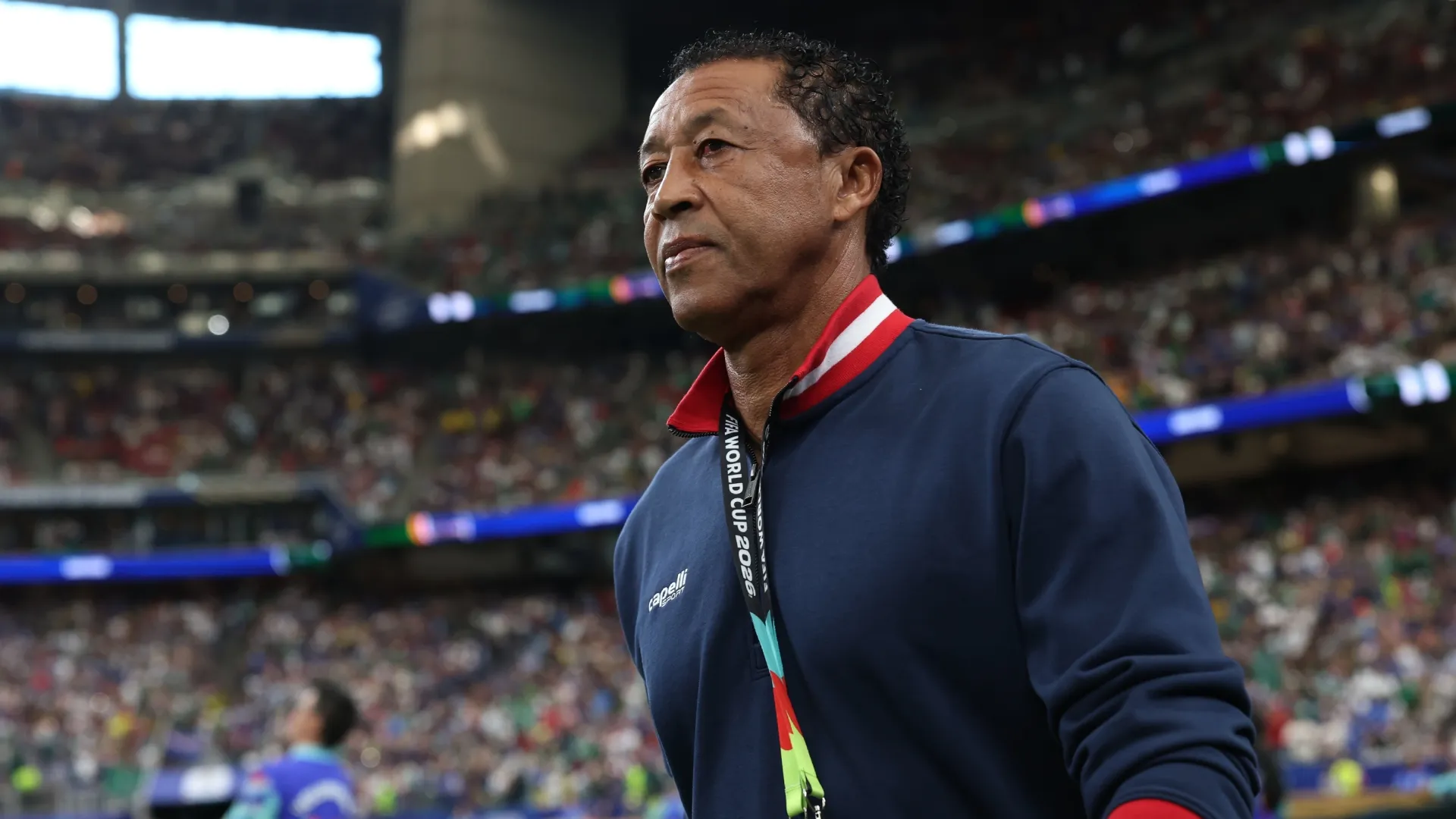
Bubista looks on during the FIFA Series match (Source: Phil Walter/Getty Images)
His tenure got off to a strong start. In March 2021, he guided Cape Verde to qualification for the Africa Cup of Nations after a decisive victory over Mozambique, marking one of the first major milestones of his time in charge.
Since then, he has transformed the Blue Sharks into one of Africa’s most organized national teams, relying on a disciplined defensive structure and successfully integrating players from Cape Verde’s large diaspora across Europe.
Pedro Leitao Brito’s career highlights
- Led Cape Verde to its first-ever FIFA World Cup qualification (2025): Bubista achieved the greatest milestone in the nation’s soccer history by guiding the Blue Sharks to their maiden FIFA World Cup appearance after a successful African qualifying campaign. Cape Verde became one of the smallest nations ever to qualify for the tournament.
- Named CAF Coach of the Year (2025): Following the historic World Cup qualification, Bubista was honored as the Confederation of African Football (CAF) Coach of the Year, recognizing his impact on one of Africa’s fastest-rising national teams.
- Reached the 2023 Africa Cup of Nations quarterfinals: Under his leadership, Cape Verde produced its best AFCON campaign in years, defeating Mauritania in the Round of 16 before narrowly losing to South Africa in a penalty shootout in the quarterfinals.
- Qualified for the 2021 Africa Cup of Nations: Shortly after taking over as head coach in 2020, Bubista guided Cape Verde to AFCON by securing a decisive victory over Mozambique in the final qualifying match, marking an important early success in his tenure.
- Won the Cape Verdean Football Championship with CS Mindelense (2013): Before becoming the national team coach, Bubista enjoyed domestic success by leading CS Mindelense to the Cape Verdean national title, establishing himself as one of the country’s top young managers.
- Won the Girabola as a player with ASA (2002): His biggest club achievement as a player came in Angola, where he helped Atletico Sport Aviacao (ASA) capture the 2002 Girabola championship before transitioning into coaching.
- Turned Cape Verde into a respected international contender: Beyond trophies, Bubista’s lasting legacy has been transforming Cape Verde into a disciplined, well-organized national team capable of competing with traditional powers. His squad has earned praise for its defensive structure, resilience, and fearless mentality on the international stage.