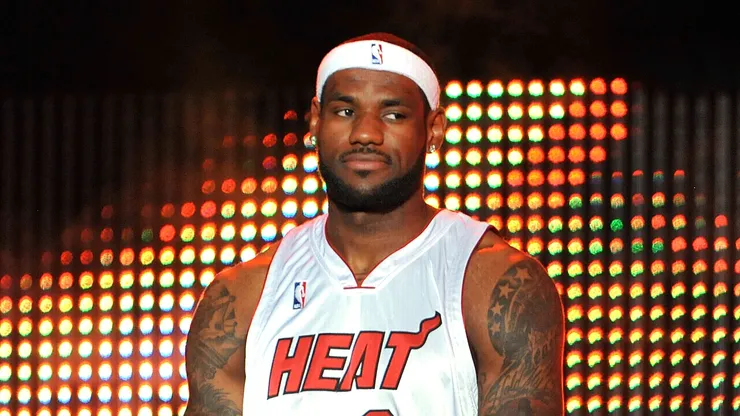
LeBron James’ decision to leave the Cleveland Cavaliers in the summer of 2010 and join the Miami Heat was a pivotal moment that reshaped the NBA landscape. It marked the dawn of a new era where superstars took control of their careers, creating one of the most polarizing narratives in the league’s history.
According to ESPN’s Dave McMenamin, James experienced significant turmoil after the move, even breaking down in tears one night as he questioned his decision. “His mind was spiraling,” McMenamin reported. “His choice to leave the Cleveland Cavaliers, the franchise that drafted him as a teenager to play just 45 minutes from his hometown in Akron, Ohio, already felt like the wrong one.”
McMenamin recounted a moment when James, at 3 a.m., called his close friend Randy Mims, seeking solace. “‘I’m coming over,’ James told him. ‘I need to talk to you.’” James arrived in his burgundy Bentley, parked in the driveway, and broke down. “‘I’m not sure I’m doing this right,’ James said. ‘I’m not sure I made the right decision to come here.’”
“The Decision” and its fallout
In July 2010, LeBron announced his move during a televised ESPN special titled The Decision. The broadcast, which drew millions of viewers, became infamous for its perceived insensitivity, particularly among Cleveland fans. During the program, LeBron uttered the now-iconic phrase:
“I’m taking my talents to South Beach and join the Miami Heat.”
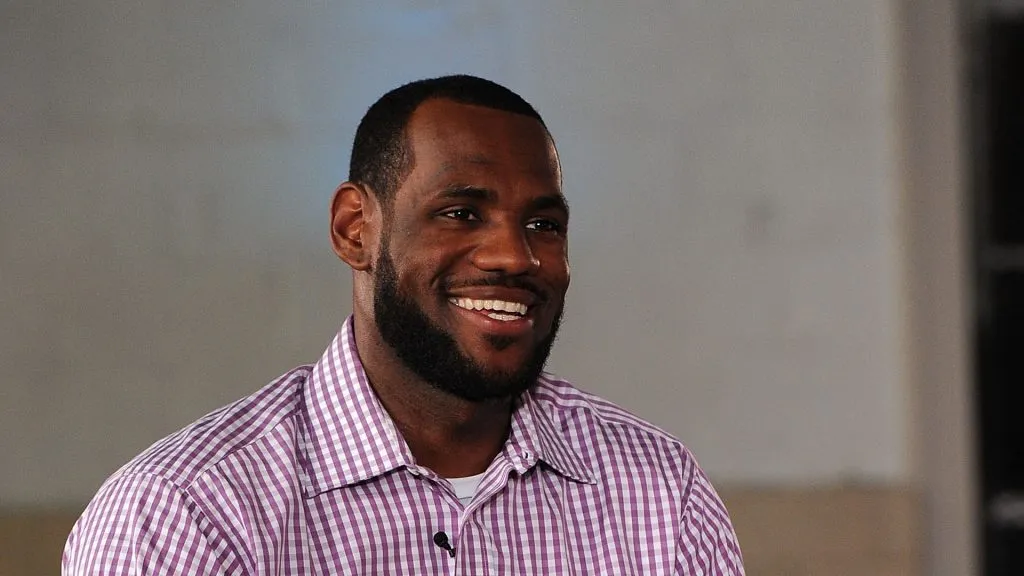
James announced during a live broadcast on ESPN that he will play for the Miami Heat next season
The backlash was immediate and intense. Cleveland fans burned his jerseys in protest, and Cavaliers owner Dan Gilbert penned a scathing open letter, calling LeBron’s move a “cowardly betrayal” and vowing that the Cavaliers would win a championship before James—a promise that ultimately fell flat.
The “Big Three” era in Miami
In Miami, LeBron teamed up with Dwyane Wade and Chris Bosh to form the renowned “Big Three,” an ambitious superteam designed to dominate the league. Under the guidance of head coach Erik Spoelstra and team president Pat Riley, the Heat became instant title contenders.
The 2010-11 season saw Miami reach the NBA Finals, though they fell to the Dallas Mavericks in a stunning upset. That loss became a turning point for James, who used it as motivation to evolve as a player and a leader. The Heat rebounded by winning back-to-back championships in 2012 and 2013, with LeBron earning his first two rings and silencing many of his critics.
Redefining player empowerment
LeBron’s move to Miami set a precedent for how NBA stars approached their careers. It popularized the idea that players could collaborate to maximize their chances of success, shifting the league’s power dynamics. Although initially vilified for leaving Cleveland, LeBron matured in Miami, both as a player and as a leader, solidifying his status as one of the game’s all-time greats.
A full-circle legacy
When LeBron returned to Cleveland in 2014 after his Miami stint, the narrative around him shifted dramatically. His departure was no longer seen as a betrayal but as a necessary chapter in his development as a player and champion. By the time he delivered on his promise to bring a championship to Cleveland in 2016, LeBron’s legacy as a transformative figure in NBA history was firmly cemented.