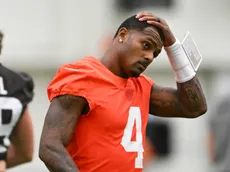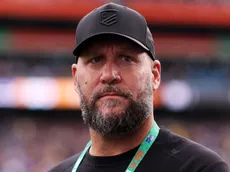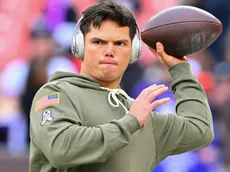
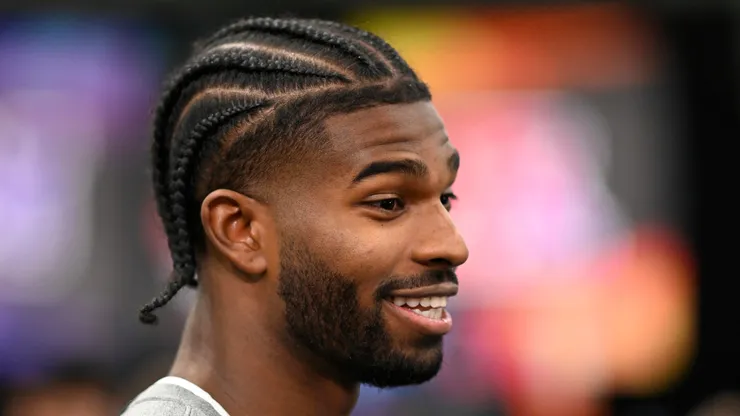
The Cleveland Browns’ decision to name Deshaun Watson their starting quarterback over Shedeur Sanders has generated plenty of controversy, especially after the former Colorado star appeared to outperform the veteran during the 2026 preseason.
On the surface, the decision has been difficult for some Browns fans to understand. Sanders showed flashes of the talent that made him one of the most intriguing quarterbacks in the 2025 NFL Draft, while Watson’s performances did not necessarily separate him from Shedeur.
However, prestigious reported Mary Kay Cabot has provided more context on why head coach Todd Monken ultimately favored Watson. According to her information, the explanation may have much more to do with what happened away from the field than what fans saw during preseason games.
What happened behind the scenes with Shedeur Sanders?
Mary Kay Cabot explained that Todd Monken has repeatedly emphasized that Shedeur Sanders still has a learning curve to navigate, particularly when it comes to mastering the Browns’ offensive system.
“Todd has been trying to tell us over and over and over again that Shedeur still needs to come up the learning curve on that kind of stuff. Todd does not like what he calls crappy football. And it’s not that Shedeur would play crappy football, but you have to have a certain amount of comfortability with the system, with the scheme to be able to run the show.”
That explanation provides an important distinction. The decision does not necessarily mean that Watson has been dramatically better than Sanders physically or that Shedeur failed to impress during preseason action.
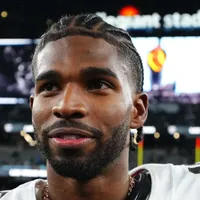
Instead, Monken appears to be prioritizing operational consistency and familiarity with the offensive system, elements that are much harder for fans to evaluate from game highlights.
Why did Todd Monken choose Deshaun Watson over Shedeur Sanders?
According to Mary Kay Cabot, some of the most important evidence behind the decision happened away from the spotlight. The Browns’ evaluation included what “happened in meeting rooms,” “in walkthroughs” and “in the operational details that never show up in a clip shared on social media.”
That could explain why Sanders’ strong preseason performances were not enough to win the job. A quarterback can make impressive throws and show good decision-making during limited game action while still having areas to improve when it comes to running an entire NFL offense.
For Monken, that distinction appears to have been decisive. The Browns’ head coach needs a quarterback who can operate the scheme with enough confidence and consistency to execute the entire game plan, not simply make impressive plays when given an opportunity.
Watson’s experience gives him an obvious advantage in that area. Despite the controversy surrounding his tenure in Cleveland and his inconsistent play since joining the team, he has considerably more NFL experience than Sanders.
Shedeur Sanders still has a path to the Browns QB1 job
The decision does not necessarily close the door on Sanders becoming Cleveland’s quarterback in the future. If anything, the explanation from Cabot suggests that his path to the starting job could depend on how quickly he closes the gap in his understanding of Monken’s offense.
That could be particularly important if Watson struggles once the regular season begins. The Browns have already seen enough from Sanders to know that he has the physical ability to compete, but Shedeur now has to demonstrate that he can consistently operate the offense at the level Monken expects.
For fans who believed Sanders clearly outplayed Watson in the preseason, the explanation may be frustrating. But preseason statistics and highlights only reveal part of the evaluation process.
For now, Watson has won the competition. But if Sanders continues learning the system and proves he can “run the show” without the operational mistakes Monken wants to avoid, he could eventually get another opportunity to change the Browns’ decision.