The Denver Broncos enter the 2026 offseason in a far different financial position than in recent years. With millions in available cap space under the NFL salary cap, the franchise suddenly has room to consider moves that once seemed unlikely.
Years of heavy contracts and complicated financial decisions shaped their recent roster building, forcing the front office to navigate tight margins. Now, the organization appears to have regained a degree of flexibility.
Between key contracts, upcoming roster decisions and the realities of free agency, Denver’s financial outlook could shift quickly—making the Broncos’ 2026 cap situation more complex than it first appears.
How much is the Broncos’ cap space in 2026?
The Denver Broncos are projected to have around $25.2 million in available cap space for the 2026 season, according to Sports Illustrated. That figure comes from the NFL’s Top-51 offseason accounting, which places them roughly in the middle of the league in available spending room entering the new league year.
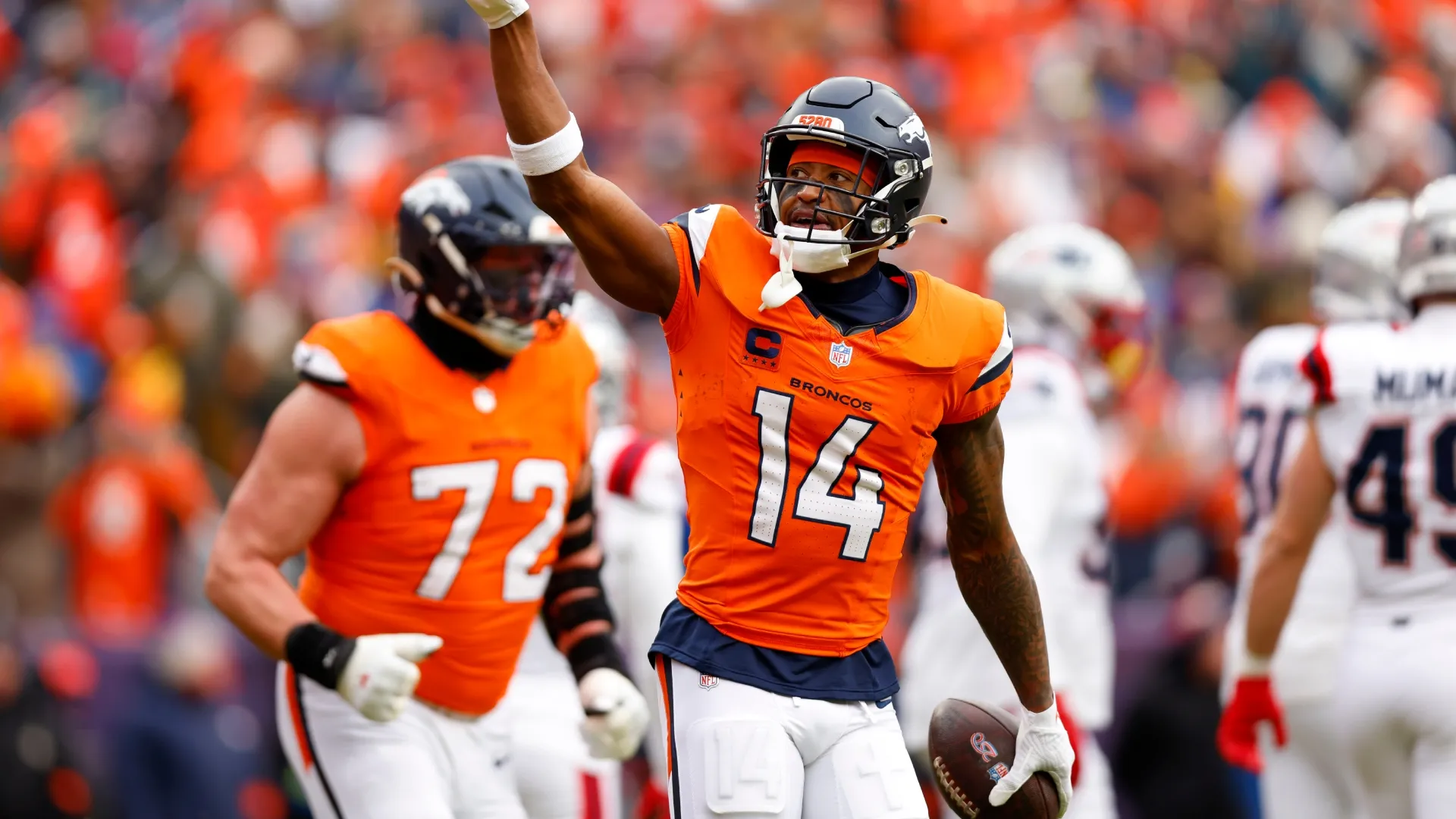
Courtland Sutton celebrates after scoring a touchdown in 2026 (Source: Justin Edmonds/Getty Images)
That number is calculated against a projected $301.2 million salary cap for the 2026 NFL season. When factoring in their rollover money from the previous year and minor adjustments, the franchise’s adjusted cap limit rises to roughly $301.8 million, with more than $280 million already committed to the top 51 contracts on the roster.
One notable aspect of Denver’s financial picture is how little dead money remains on the books compared with previous seasons. Spotrac estimates just over $1.2 million in dead cap for 2026, a significant drop from prior years when the team was still absorbing large financial penalties from past roster decisions.
That cleaner ledger provides the front office with more flexibility when considering extensions, free-agent additions, or roster restructuring. Several contracts also shape the Broncos’ cap structure heading into the season.
Players such as Mike McGlinchey, Quinn Meinerz and Ben Powers carry some of the largest cap hits on the roster, while defensive cornerstone Patrick Surtain II remains one of the most valuable long-term pieces in the team’s financial planning.