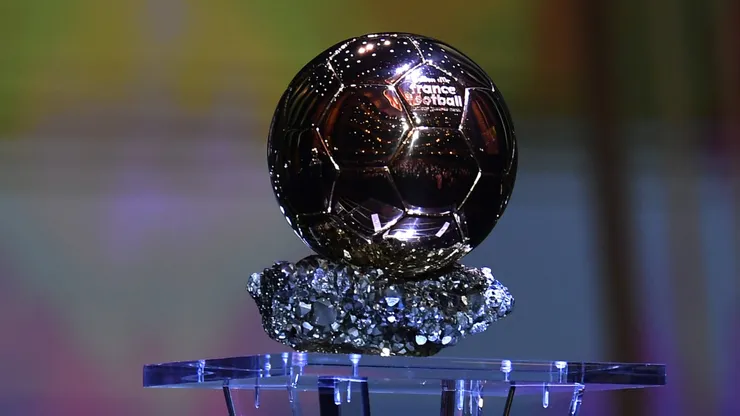
Sir Stanley Matthews took home the inaugural Ballon d’Or in 1956 with Blackpool. Hence, it was expected for English soccer to dominate the award, but that hasn’t been exactly the case, though they still have multiple winners. You’ll find plenty in the list of all Ballon d’Or winners in history.
A decade after Matthews, Sir Bobby Charlton was awarded the prize in 1966. Kevin Keegan made history in 1978 and 1979 by becoming the only English player to win the honor twice. The last English player to claim the award was Michael Owen in 2001. At 21 years old, Owen led Liverpool to a cup treble. These are the English winners:
- Stanley Matthews (1956)
- Bobby Charlton (1966)
- Kevin Keegan (1978, 1979)
- Michael Owen (2001)
How many English players have been runners-up in Ballon d’Or voting?
Six English players have finished as runners-up in the final voting, accounting for seven total second-place finishes. So, they’ve been quite close to becoming a dominant nation in terms of this individual award. This is the full list of English Ballon d’Or runners-up:
| Player | Year(s) as Runner-Up | Club(s) at the Time | Winner That Year |
| Billy Wright | 1957 | Wolverhampton Wanderers | Alfredo Di Stéfano |
| Bobby Charlton | 1967, 1968 | Manchester United | Flórián Albert (1967), George Best (1968) |
| Bobby Moore | 1970 | West Ham United | Gerd Müller |
| Kevin Keegan | 1977 | Hamburger SV | Allan Simonsen |
| Gary Lineker | 1986 | Everton / Barcelona | Igor Belanov |
| David Beckham | 1999 | Manchester United | Rivaldo |
| Frank Lampard | 2005 | Chelsea | Ronaldinho |
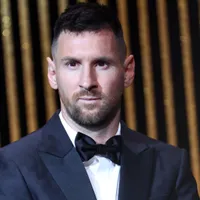
How does a player win the Ballon d’Or?
The Ballon d’Or, presented by France Football, is determined by an international panel of specialized sports journalists. Since it’s given by a private media outlet, it’s separated from FIFA, though they’ve intertwined the award in some periods of time. To win, a player must amass the highest point total through a structured voting framework:
1. The Shortlist
- The editorial staff of France Football and L’Équipe (alongside designated ambassadors) compile an official shortlist of 30 nominees.
2. The Voting Panel
- The jury consists of one accredited football journalist from each nation ranked within the top 100 of the official FIFA Men’s World Rankings. Limiting the panel prevents regional skew and guarantees high journalistic expertise.
3. The Core Criteria
Jurors evaluate candidates strictly based on their achievements across the standard European club season (August to August), rather than a calendar year. The regulations outline three core criteria in order of priority:
- Individual performances, decisiveness, and impressive character: The player’s on-pitch impact, statistical dominance, and decisive contributions in big games.
- Team achievements and titles won: Collective trophies and deep runs secured with both club and national team during the evaluated season.
- Class and fair play: Sportsmanship, demeanor, and adherence to the spirit of the game.
(An athlete’s prior career reputation is intentionally omitted from the voting criteria to ensure each season is judged solely on its own merits)
4. The Points System
- Each juror submits a ranked ballot from the 30-player shortlist.
- Points are allocated to each player based on their ranked position on the ballot (with top choices earning descending weighted scores).
- The player with the highest cumulative point score across all ballots is awarded the Ballon d’Or. In the event of a tie, the tie-breaker is resolved by the highest number of first-place votes, followed by second-place votes, and so forth.
Key takeaways
- Sir Stanley Matthews won the inaugural Ballon d’Or in 1956 playing for Blackpool.
- Kevin Keegan made history as the only English player to win the award twice.
- Six English players finished as Ballon d’Or runners-up across seven different years.