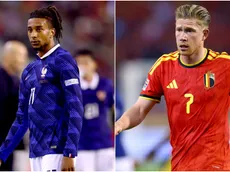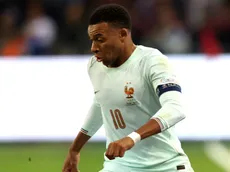
A growing number of France’s 2026 World Cup squad members were born outside mainland France or began their soccer journeys abroad, reflecting how Les Bleus have become one of the most internationally shaped teams. In fact, France have several players representing other countries at the 2026 World Cup.
From England-born forward Michael Olise to Italy-born striker Marcus Thuram, Didier Deschamps’ selection once again blends domestic development with global roots, reinforcing the country’s long-standing multicultural identity.
What stands out is how seamlessly these players—regardless of birthplace—have been absorbed into a system built for competition at the highest level, where identity is measured more by performance than geography.
Which France players were born outside the country?
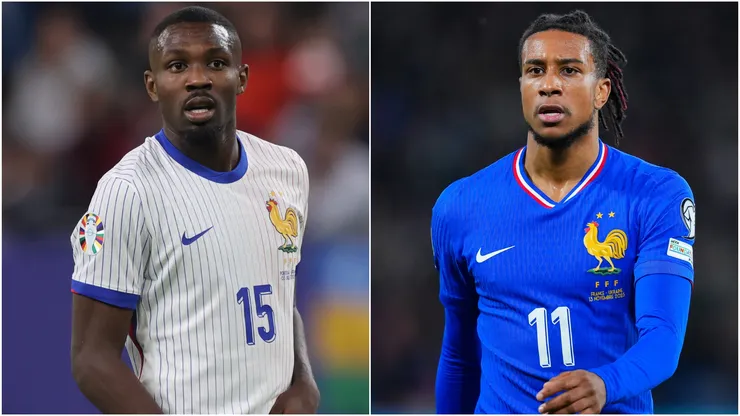
France’s 2026 World Cup squad includes three players born outside mainland France: Michael Olise (England), Marcus Thuram (Italy) and Brice Samba (Republic of Congo), all fully integrated into Didier Deschamps’ 26-man roster.
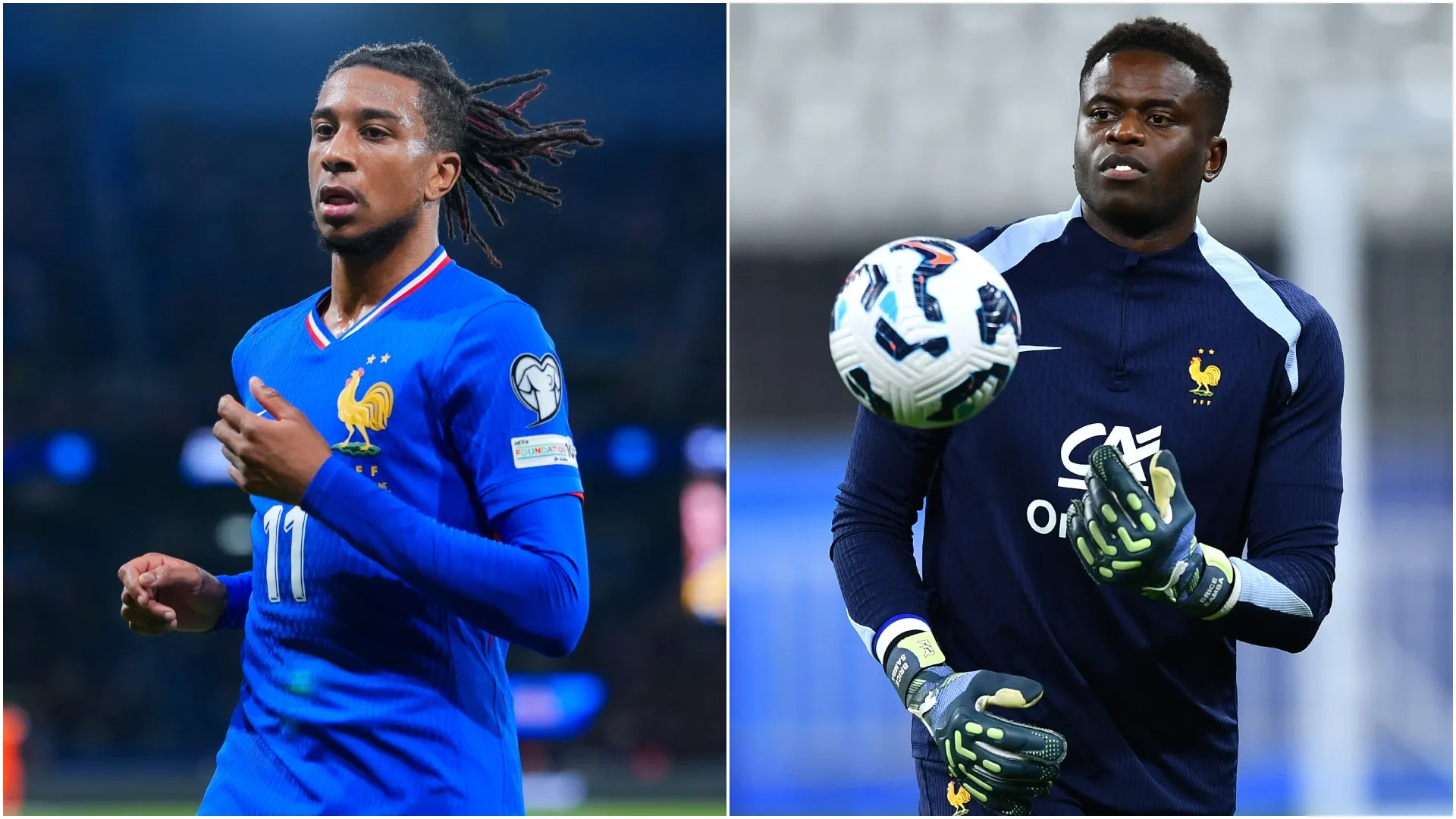
Michael Olise and Brice Samba of France (Source: Franco Arland — Getty Images)
Olise, now at Bayern Munich, was born in Hammersmith, before developing through youth systems in England and later committing to France at international level. His rise has made him one of the most creative attacking options.
Thuram, born in Parma while his father Lilian was playing in Italy, represents one of the most established forwards in the group. He has become a reliable option in major tournaments thanks to his physical presence and versatility in attack.
Meanwhile, Brice Samba, the Rennes goalkeeper, was born in Linzolo in the Republic of Congo before moving to France at a young age and progressing through the French soccer system.
Why does France have so many foreign-born players?
France has a high number of foreign-born or internationally rooted players because its soccer system is deeply shaped by immigration history, overseas territories and one of the strongest talent-development networks. Senegal, for instance, has several French players on its 2026 World Cup roster.
In practice, the French Football Federation prioritizes development through academies over birthplace, which allows players born abroad or to immigrant families to enter the system early and progress to the senior national team.
A key structural reason is the role of migration and citizenship rules. France follows a jus soli tradition (birthright-based citizenship), which has historically made it easier for children of immigrants to become eligible for the national team.
Another major factor is geography and soccer development. A large proportion of elite French players come from densely populated urban areas like the Paris banlieues, where immigrant communities are strongly represented.
At the same time, France’s colonial past and overseas territories (such as Guadeloupe, Martinique and Reunion) also contribute players who are technically French but born outside continental Europe.