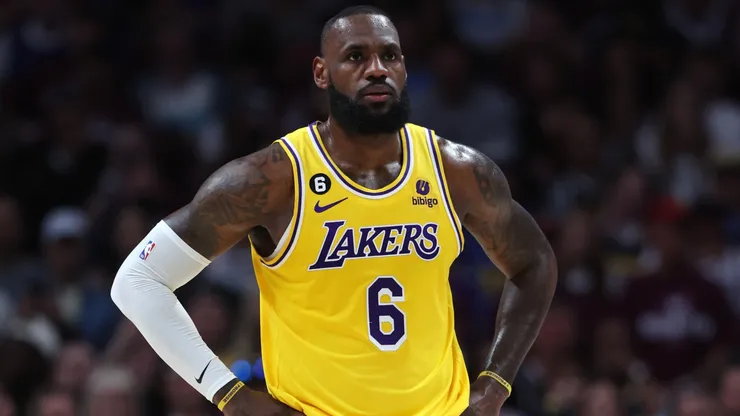
The NBA Finals are where legends are made, and only a rare few have reached that stage countless times. From dynastic Celtics to modern superstars, the Finals have long been a proving ground for greatness — and for winners.
Across decades, some players have redefined what it means to chase championships, appearing on the biggest stage again and again. Whether through resilience or pure talent, these icons carved their names into NBA lore.
Their journeys tell a story of determination, sacrifice and glory, shaping the narrative of the league itself. As the Finals spotlight shone brightest, these all-time greats kept finding their way back, season after season.
Bill Russell – 12 appearances
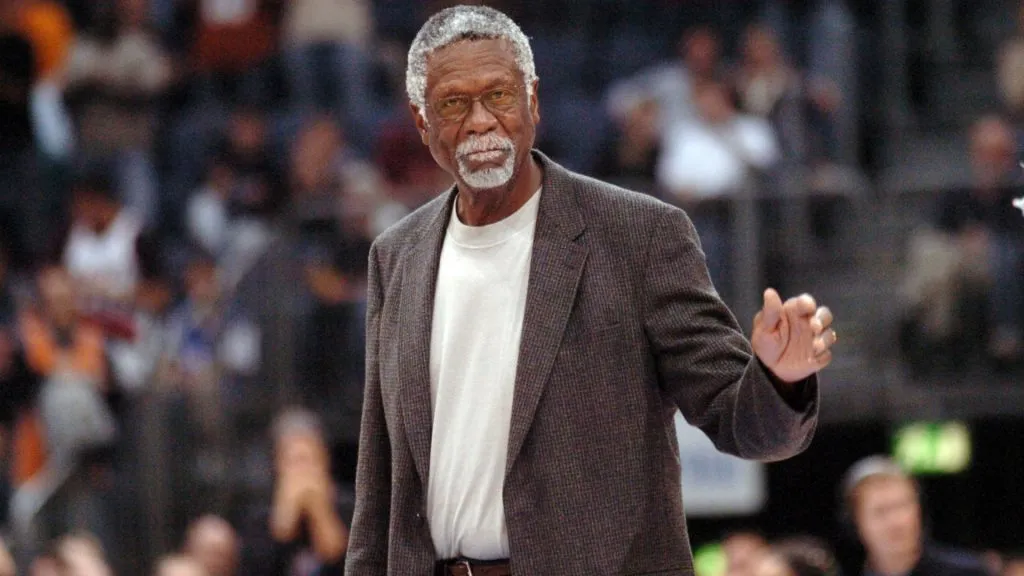
NBA great Bill Russell gets introduced to the crowd during the NBA Europe Live Tour presented by EA Sports on October 11, 2006. (Source: Mansoor Ahmed/Getty Images)
Bill Russell holds the all-time record for NBA Finals appearances with 12 trips to the championship round, all with the Boston Celtics. His dominance in the 1950s and 1960s helped define the NBA’s early years, and he secured an astonishing 11 championships in those 12 appearances — a record that remains untouchable.
He was known for his incredible defensive presence, shot-blocking, and leadership, which were the backbone of Boston’s dynasty. Beyond the stats, his legacy goes far deeper.
He was a pioneer for African American athletes and a civil rights advocate, using his platform to speak out against racism during a turbulent era in American history. Even today, his influence is felt, and the NBA Finals MVP trophy is named in his honor.
Sam Jones – 11 appearances
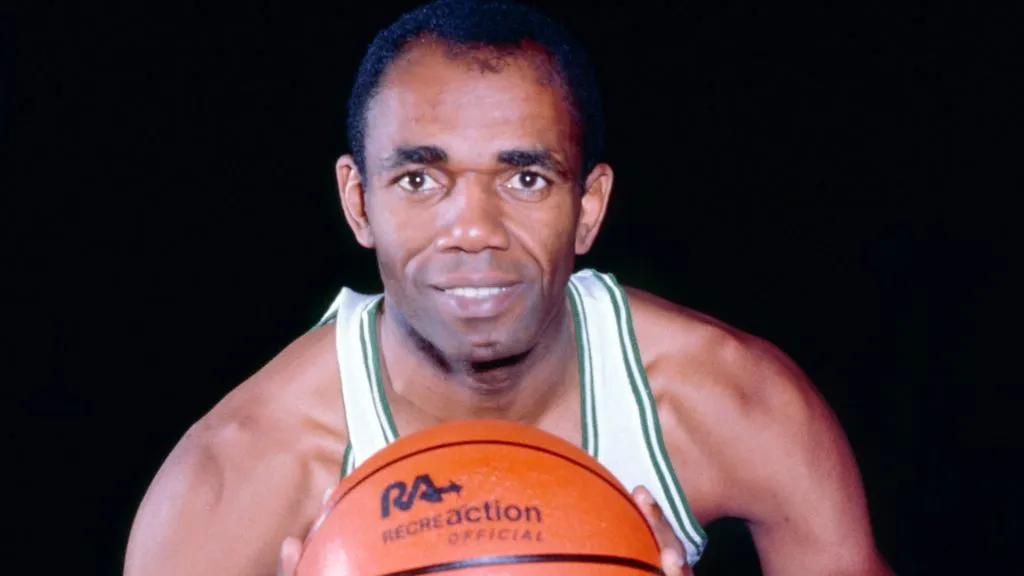
Celtics legend Sam Jones (Source: @BleacherReport)
Sam Jones, often called “Mr. Clutch”, appeared in 11 NBA Finals, all with the Celtics alongside Bill Russell. Known for his deadly bank shot and ability to deliver in crucial moments, he was one of Boston’s most reliable scorers.
With 10 championships under his belt, he ranks second only to Russell in rings won, making him a key figure in one of the greatest dynasties in sports history. Despite not being as famous as some of his teammates, his impact was enormous.
His cool demeanor and ability to rise to the occasion in critical games made him a player coaches and teammates trusted. Without his scoring prowess, many of those Celtics championships would not have been possible.
LeBron James – 10 appearances
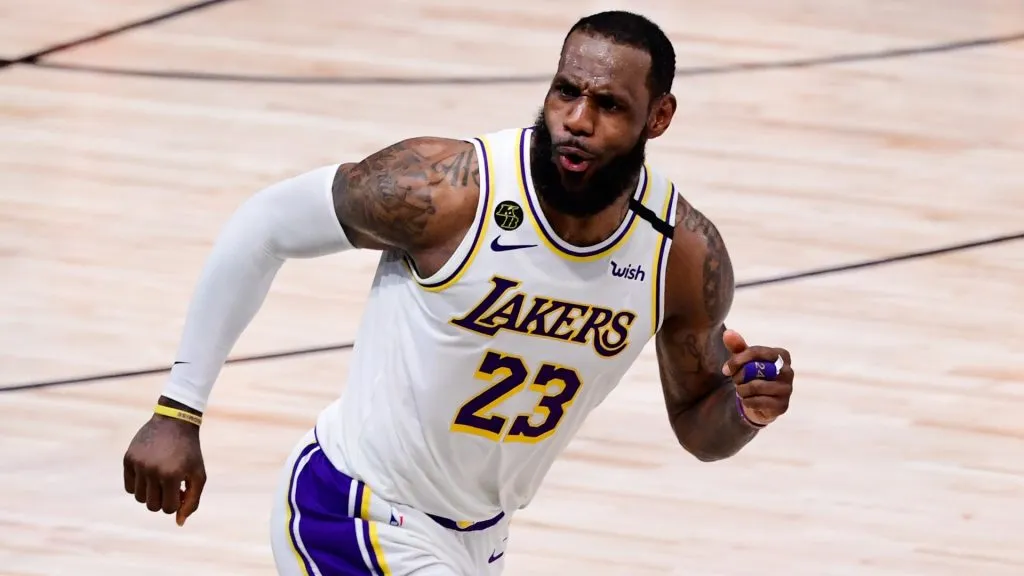
LeBron James #23 of the Los Angeles Lakers reacts during the fourth quarter against the Miami Heat in Game Six of the 2020 NBA Finals. (Source: Douglas P. DeFelice/Getty Images)
LeBron James has reached the NBA Finals 10 times over a career spanning two decades, playing for the Cavaliers, Heat and Lakers. His Finals journey is marked by resilience and adaptability, facing off against dynasties like the Spurs and Warriors.
With 4 championships so far, his Finals record is sometimes debated, but few deny his greatness and consistent ability to carry teams to the biggest stage. His legacy is not just about wins and losses — it’s about longevity, versatility, and rewriting what’s possible for a basketball player.
Whether leading massive comebacks, like the 2016 Finals against Golden State, or winning a title in the bubble with the Lakers, he has cemented his place among the greatest ever.
Kareem Abdul-Jabbar – 10 appearances

Kareem Abdul-Jabbar #33 of the Los Angeles Lakers rests during an NBA game at the Great Western Forum in 1987. (Source: Stephen Dunn/Getty Images)
Kareem Abdul-Jabbar made 10 Finals appearances with the Bucks and Lakers, winning 6 championships and establishing himself as one of the most dominant centers in history. Famous for his skyhook shot, he was a model of consistency and excellence, performing at a high level well into his late 30s.
His Finals runs spanned nearly two decades, a testament to his conditioning and skill. Off the court, he was a thoughtful and outspoken athlete, engaging in social and political issues and becoming an intellectual figure in sports.
His impact on the game is felt both through his records — including being the NBA’s all-time leading scorer for nearly 40 years — and his contributions to culture and society.
Magic Johnson – 9 appearances
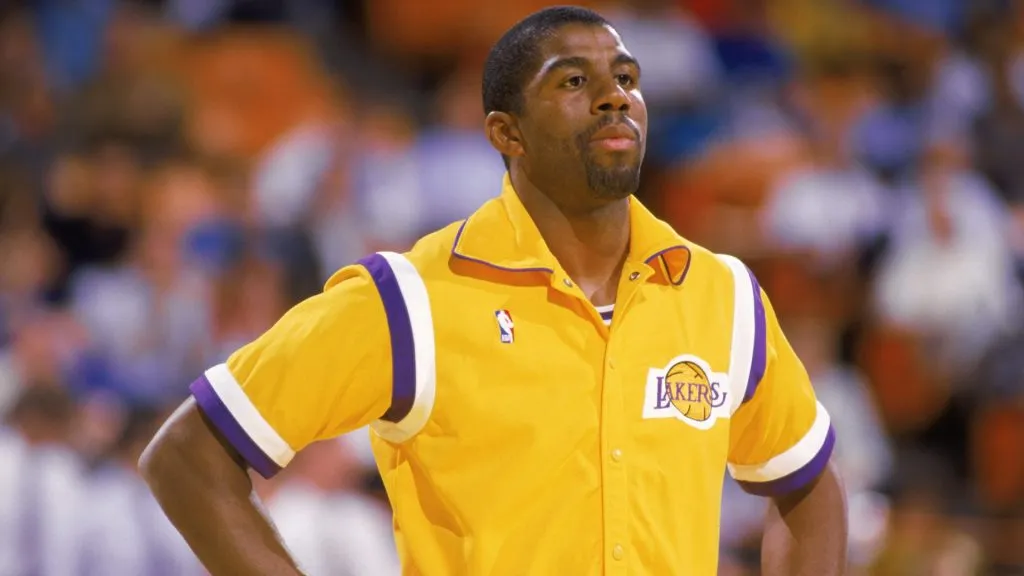
Magic Johnson #32 of the Los Angeles Lakers stands during warm ups before an NBA game at the Great Western Forum in 1987. (Source: Stephen Dunn/Getty Images)
Magic Johnson’s nine NBA Finals appearances all came with the Lakers during the 1980s, where he led the “Showtime” era to five championships. Known for his dazzling passing, infectious charisma and clutch performances, he transformed the point guard position and became one of the most marketable stars in NBA history. His Finals battles against Larry Bird’s Celtics are legendary.
His impact extended beyond the court. His public announcement of his HIV diagnosis in 1991 changed the conversation around the disease, and his business ventures after retirement made him a global figure. His Finals performances and leadership made him a cornerstone of NBA history.
Jerry West – 9 appearances
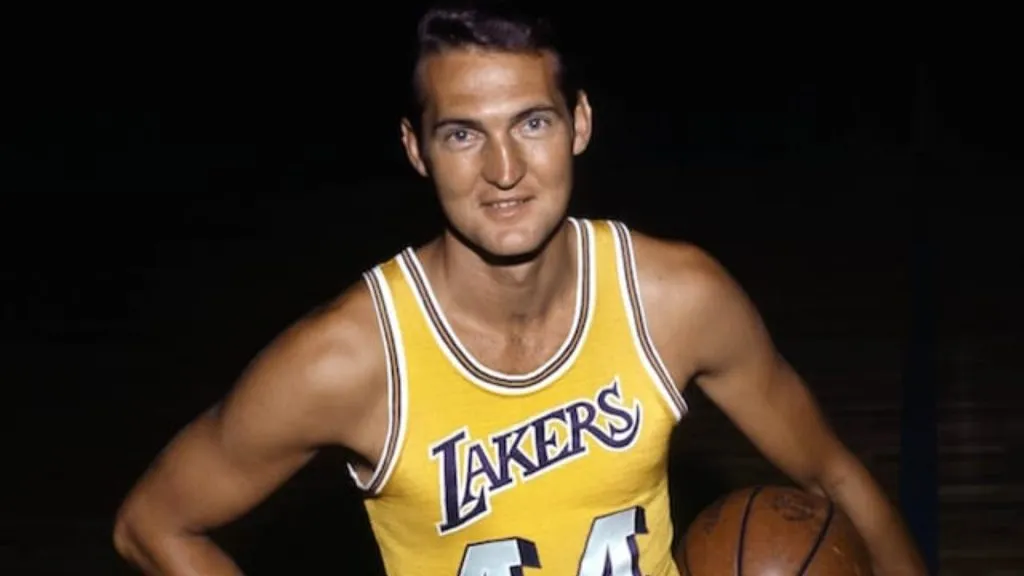
Jerry West (Source: @OmarJimenez)
Jerry West, famously nicknamed “Mr. Clutch,” reached the NBA Finals nine times with the Lakers but won only one championship in 1972. Despite the tough Finals losses, often to the Celtics, he remains one of the most respected players in league history.
Remarkably, he’s the only player to win Finals MVP (1969) while playing on the losing team. His competitive fire, leadership, and scoring ability defined his era.
After his playing career, he became one of the most successful executives in NBA history, helping to build Lakers dynasties in the 1980s and early 2000s. His silhouette is literally the NBA logo, a testament to his lasting influence.
Tom Heinsohn – 9 appearances
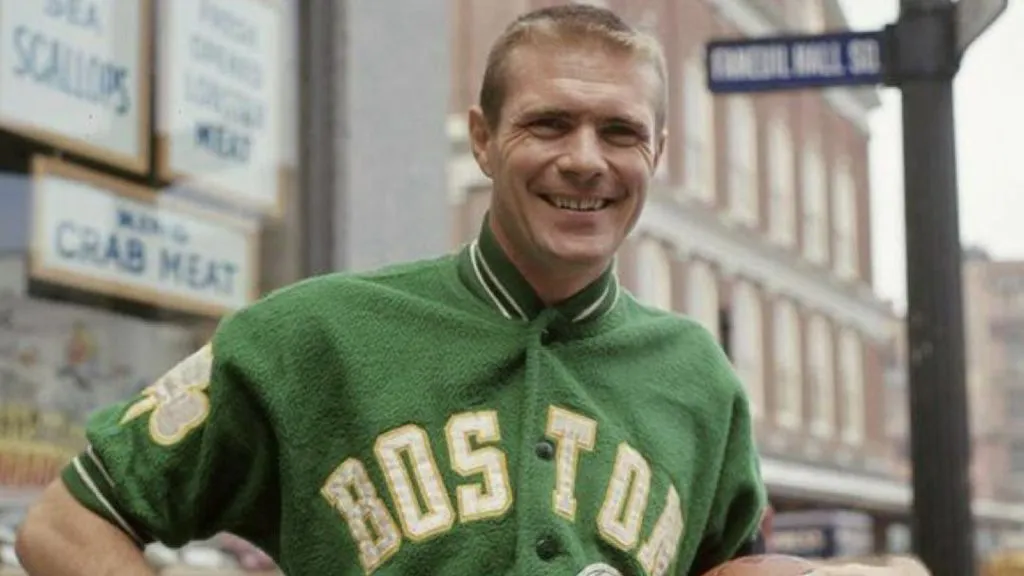
Tom Heinsohn (Source: @podoffame)
Tom Heinsohn reached the NBA Finals nine times with the Celtics, winning eight championships during Boston’s golden era. As a power forward, he brought toughness, scoring, and rebounding, making him an essential piece of the team’s dynasty. After his playing days, he continued to influence the team as a coach and longtime broadcaster.
His love for the Celtics spanned over six decades, making him one of the most beloved figures in franchise history. His passion for the game and his team’s success helped set the tone for generations of Celtics players and fans alike.
Michael Cooper – 8 appearances
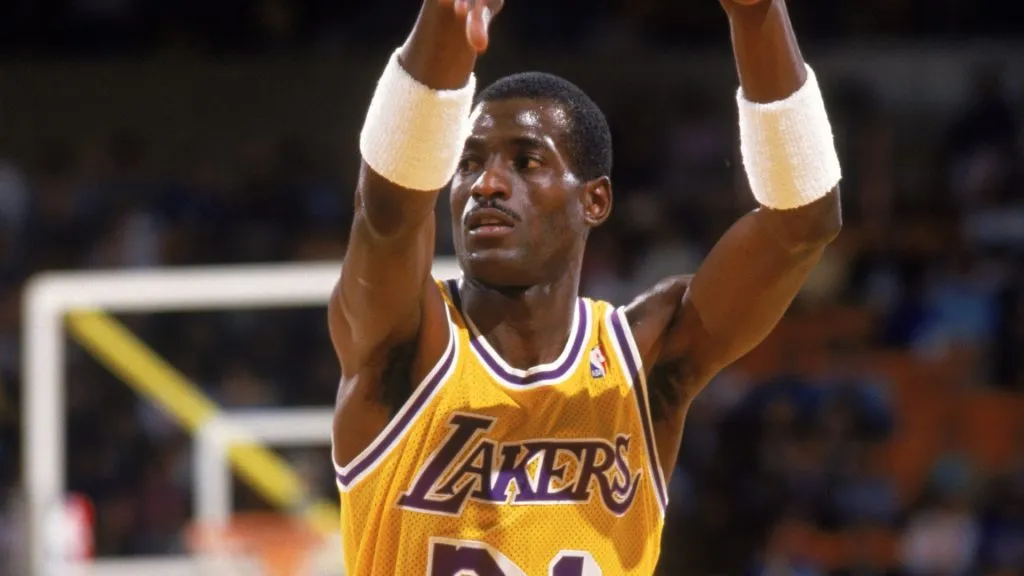
Michael Cooper #21 of the Los Angeles Lakers passes the ball during an NBA game at the Great Western Forum in 1987. (Source: Stephen Dunn/Getty Images)
Michael Cooper appeared in eight NBA Finals with the Lakers, serving as a defensive anchor and utility player during the “Showtime” era. Renowned for his perimeter defense, he was often tasked with guarding the opposing team’s best scorer, making crucial stops in key moments.
His contributions helped the Lakers win five championships in the 1980s. His role on the Lakers was invaluable even though his stats didn’t always jump off the page.
His versatility and ability to impact games without needing the ball in his hands made him the ultimate teammate and one of the most respected role players in NBA history.
Dennis Rodman – 8 appearances
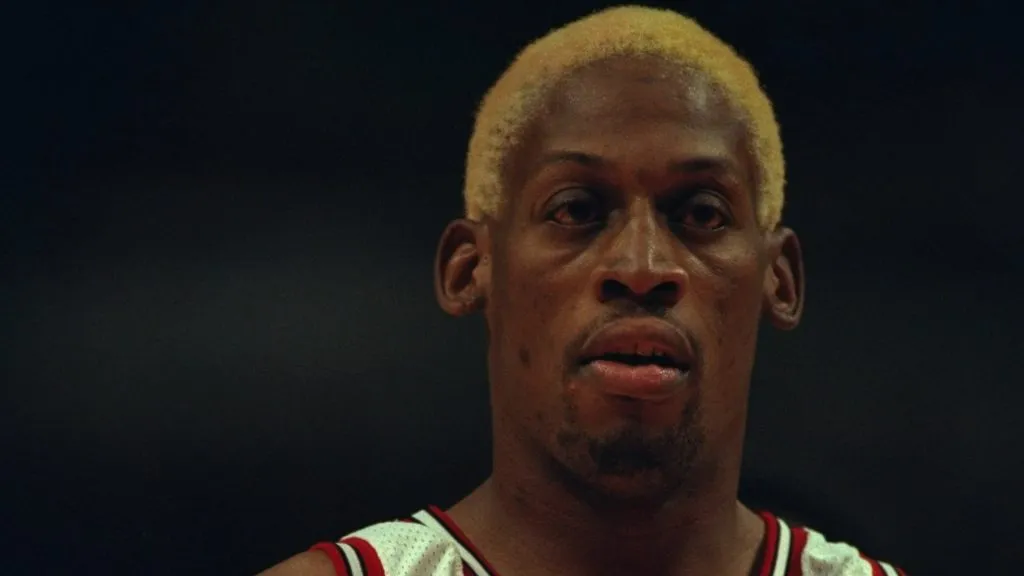
Guard Dennis Rodman #91 of the Chicago Bulls stands on the court at the United Center in 1995. (Source: Jonathan Daniel/Alls – Getty Images)
Dennis Rodman reached eight NBA Finals with the Pistons, Bulls and Spurs, winning five championships. Known as one of the greatest rebounders and defenders ever, his relentless hustle and ability to get inside opponents’ heads were his trademarks. His Finals battles, especially during the Bulls’ second three-peat, cemented his legacy as a key piece of championship teams.
Off the court, he became a pop culture icon, known for his eccentric personality, tattoos, piercings, and tabloid headlines. But on the floor, he was a tireless competitor and an irreplaceable glue guy on some of the best teams ever assembled.
Frank Ramsey – 8 appearances
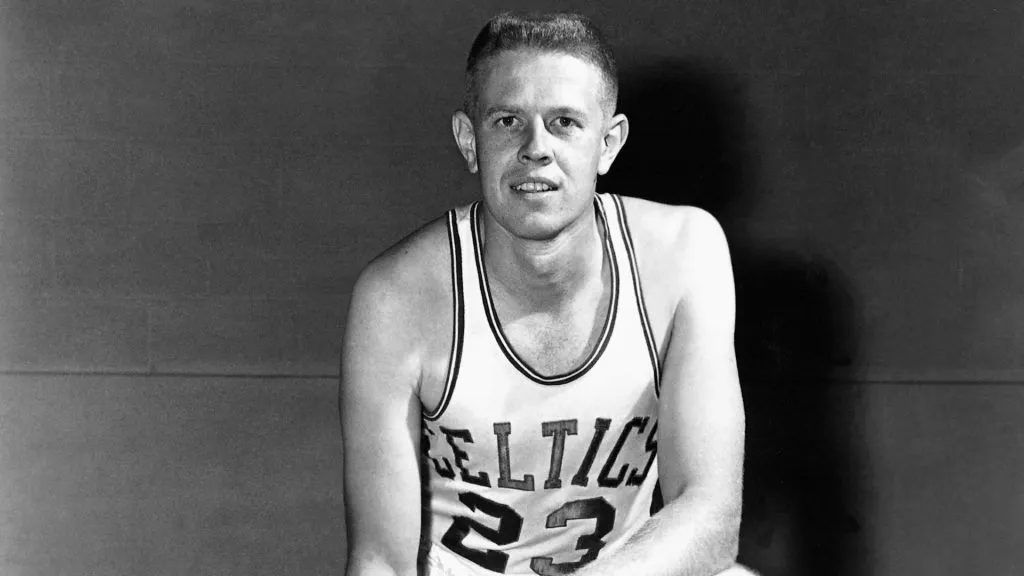
Frank Ramsey (Source: @NBAHistory)
Frank Ramsey played in eight NBA Finals with the Celtics, winning seven championships. Often called the NBA’s first “sixth man”, he came off the bench to provide scoring punch and versatility, redefining the value of a reserve player. His selflessness and adaptability were key to Boston’s incredible run of success.
His role set a precedent for future generations, proving that being a bench player didn’t mean being any less important. His contributions were crucial to the Celtics’ dynasty, and he remains a celebrated figure in the team’s history.