The Miami Dolphins have stood as one of the NFL’s most recognizable teams, marked by eras of dominance, reinvention and enduring pride. Through the highs of championship runs, their history remains a benchmark of consistency.
Each decade brought a new identity — quarterbacks who redefined passing, defenses that set the tone and playmakers who kept Miami in the spotlight. Their legacy has been shaped as much by its icons as by its resilience on the field.
Names like Dan Marino highlight how the franchise made indelible history in the National Football League. Even if the Dolphins are missing the good old glory days, they have a history to be proud of.
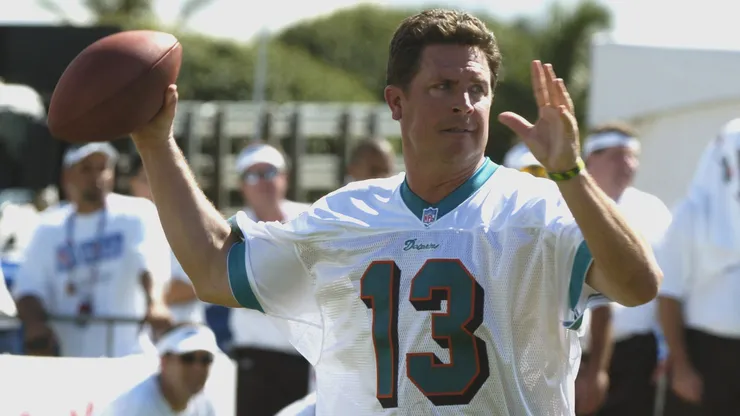
Dan Marino
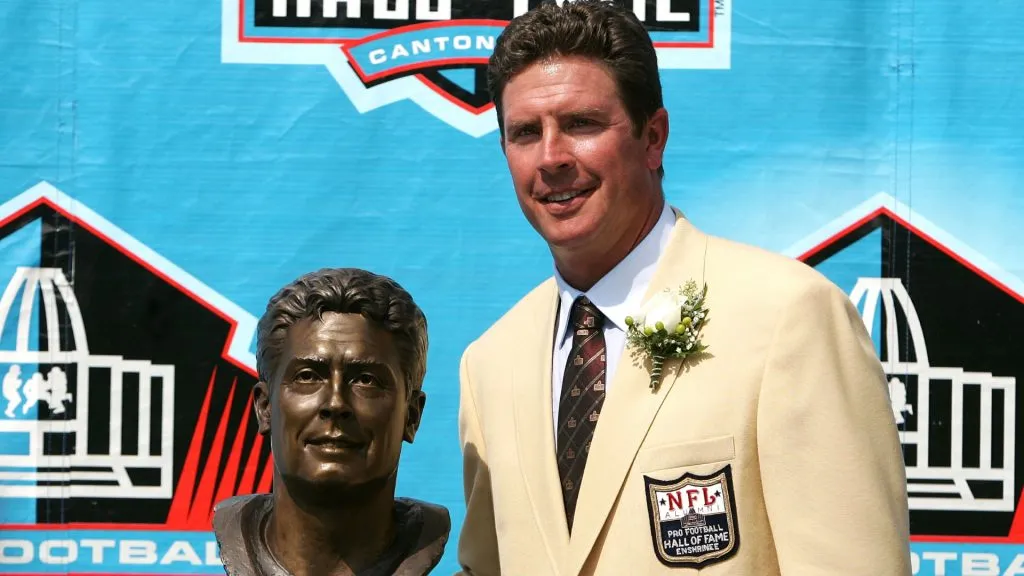
Dan Marino (Source: Jonathan Daniel/Getty Images)
When one searches for the very definition of pure, unadulterated passing talent, the conversation begins—and often ends—with Dan Marino. Taken in the legendary 1983 quarterback class, he single-handedly dragged the Dolphins into the modern aerial age with a right arm unlike any the league had ever seen. He was the ultimate gunslinger.
Unlike the ring-laden legends of his era, his genius resides in the indisputable, ahead-of-its-time passing volume he brought to the game. His sophomore season in 1984 instantly became the stuff of legend when he shattered NFL records with 5,084 passing yards and 48 touchdown passes, a mark that obliterated the previous record and stood untouched for two decades.
With a lightning-fast release that defensive coordinators couldn’t scheme around, Marino was the relentless engine of an unstoppable offense featuring the “Marks Brothers”, anchored by center Dwight Stephenson. He retired after 17 seasons holding nearly every major career passing record, cementing his legacy as a player whose individual excellence and revolutionary impact transcended the missing Super Bowl ring.
Bob Griese
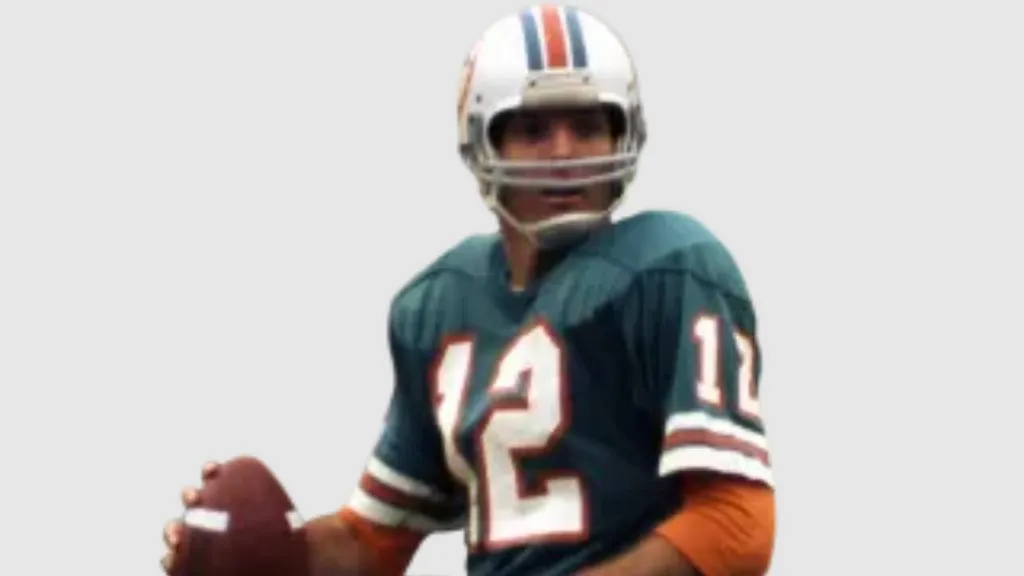
Bob Griese (Source: NFL)
In an era where flash often grabs the spotlight, Bob Griese stands as the quintessential leader, a model of efficiency and poise. He wasn’t a gunslinger; he was a strategic architect, the cool-headed field general who dictated the pace for Don Shula’s dominant teams of the 1970s. He was the metronome for the offense that led the franchise to three consecutive Super Bowls, culminating in victories in Super Bowl VII and VIII.
His career-defining achievement, and the crowning glory of the franchise, was orchestrating the 1972 perfect season, a feat that remains unique in NFL history. Though he missed time that year due to injury, he returned to lead the team through the postseason, solidifying his irreplaceable role.
His game was built on intelligent decision-making, surgical accuracy, and seamlessly complementing a ground attack that featured Larry Csonka and the famed “No-Name Defense”. His understated yet highly effective leadership was paramount to establishing the Dolphins as an indisputable force.
Larry Csonka
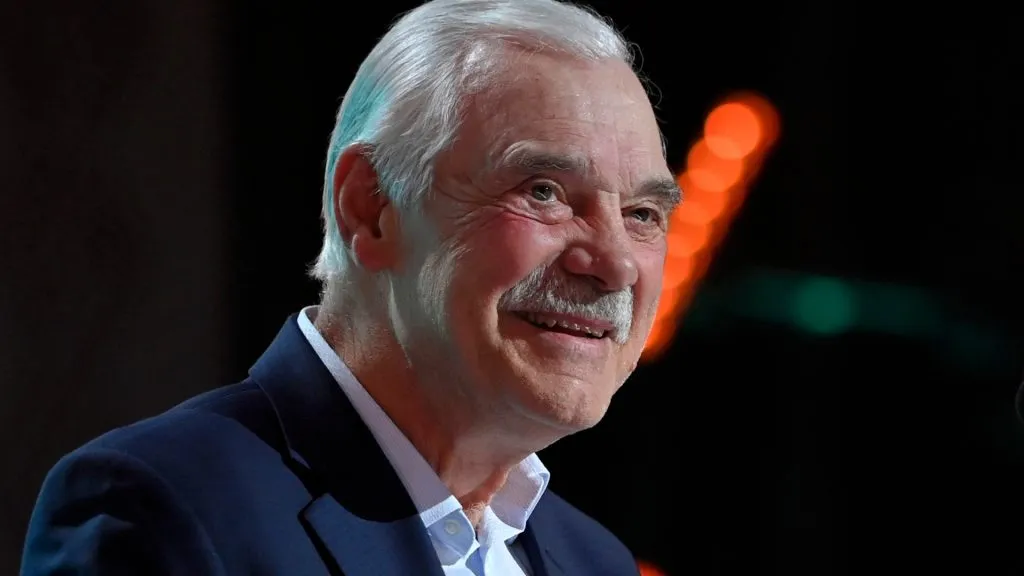
Larry Csonka (Source: David Becker/Getty Images)
Larry Csonka didn’t just run with the football; he administered punishment. He was the absolute embodiment of power, a classic, line-smashing fullback whose relentless style defined the ground-and-pound attack of the Dolphins’ Golden Era in the early 1970s.
He was the central pillar of Miami’s clock-controlling offense, and his ferocious tenacity mirrored the gritty, winning mentality of those championship teams. The Hall of Famer churned out three straight 1,000-yard rushing seasons (1971-1973), a remarkable accomplishment given his constant, between-the-tackles usage.
His ultimate single-game performance came in the team’s second championship, Super Bowl VIII, where he was named the game’s Most Valuable Player after a bruising 145-yard, two-touchdown effort. Along with Mercury Morris, he was part of the first-ever pair of teammates in the NFL to each rush for over a thousand yards in a single season (1972). He was more than a running back; he was the spiritual anchor of the team.
Dwight Stephenson
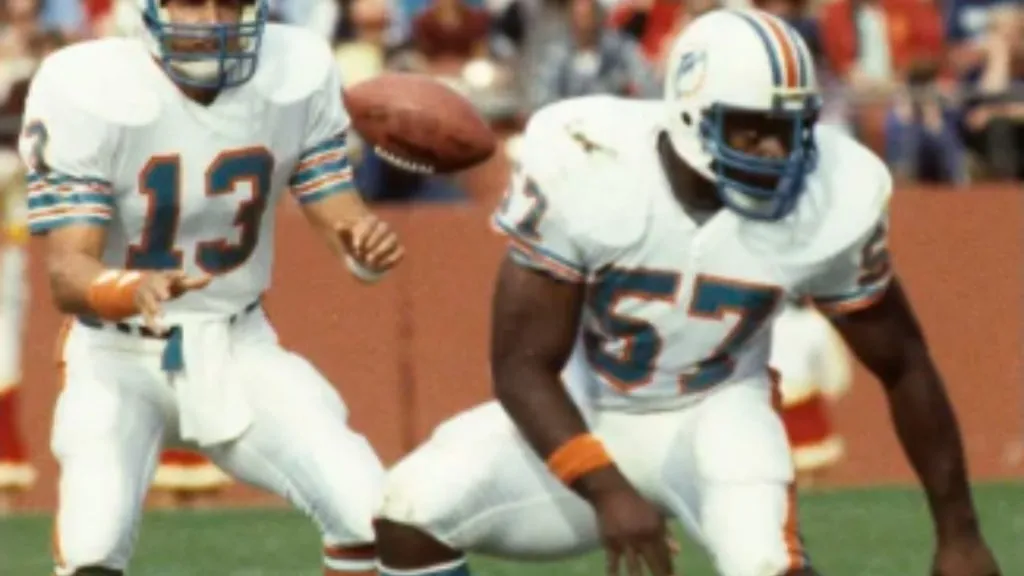
Dwight Stephenson (Source: NFL)
While the scorers soak up the adoration, true mastery often resides in the trenches. Dwight Stephenson, despite an tragically short eight-year career, is universally regarded as one of the greatest centers in NFL history. The second-round pick was the formidable foundation that protected Dan Marino during the dawn of the “Marino Magic” era in the 1980s.
His brilliance stemmed not just from pure technical skill, but from a rare blend of athleticism and football intelligence. He was the undisputed leader who anchored an offensive line that allowed the fewest quarterback sacks in the NFL for a stunning six consecutive seasons (1982-1987).
This extraordinary run of protection is a testament to his dominance. A five-time First-Team All-Pro, his career was cut short by a severe knee injury in 1987. Yet, the impact he had in such a brief time was so profound he earned a spot in the Pro Football Hall of Fame, forever recognized as the vital column that allowed Marino to rewrite the record books.
Jason Taylor
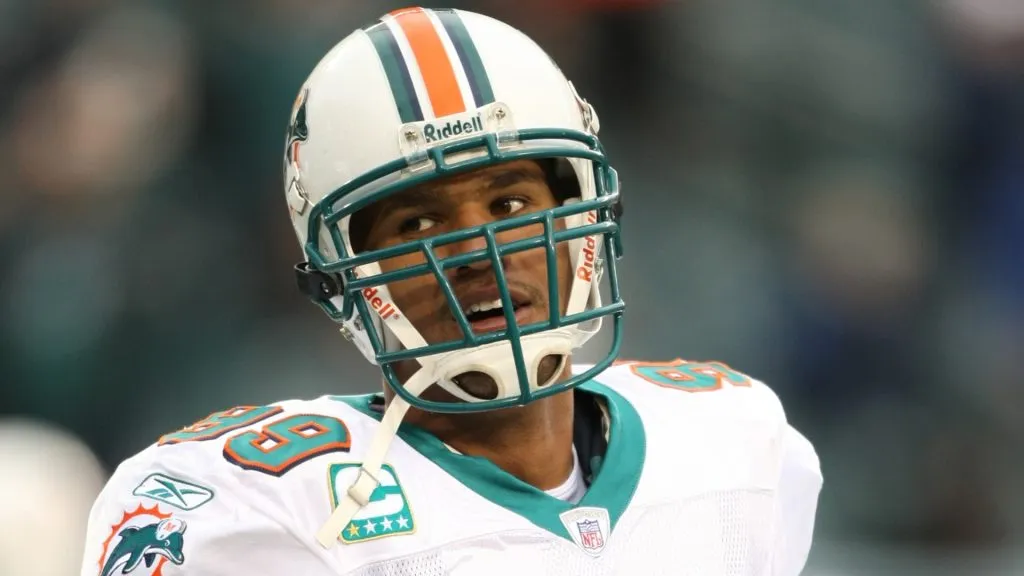
Jason Taylor (Source: Al Bello/Getty Images)
Few players in Dolphins history have combined explosive speed, relentless motor, and sheer game-changing ability quite like Jason Taylor. This defensive end/linebacker hybrid was a nightmare for opposing quarterbacks for over a decade, utilizing blinding quickness and perfect timing to terrorize the pocket.
He became the prototype for the modern edge rusher, and he remains the franchise’s all-time leader in sacks. His true genius, however, was his ability to create turnovers—he wasn’t just disrupting plays; he was ending drives and scoring points.
His career culminated in 2006, when he was rightfully named the NFL Defensive Player of the Year after a spectacular season that included 13.5 sacks, two interceptions, and a remarkable nine forced fumbles. A six-time Pro Bowler, Taylor’s presence on the field demanded adjustments from every offensive coordinator, leaving an indelible mark as a dominant and unforgettable defensive force.
Paul Warfield
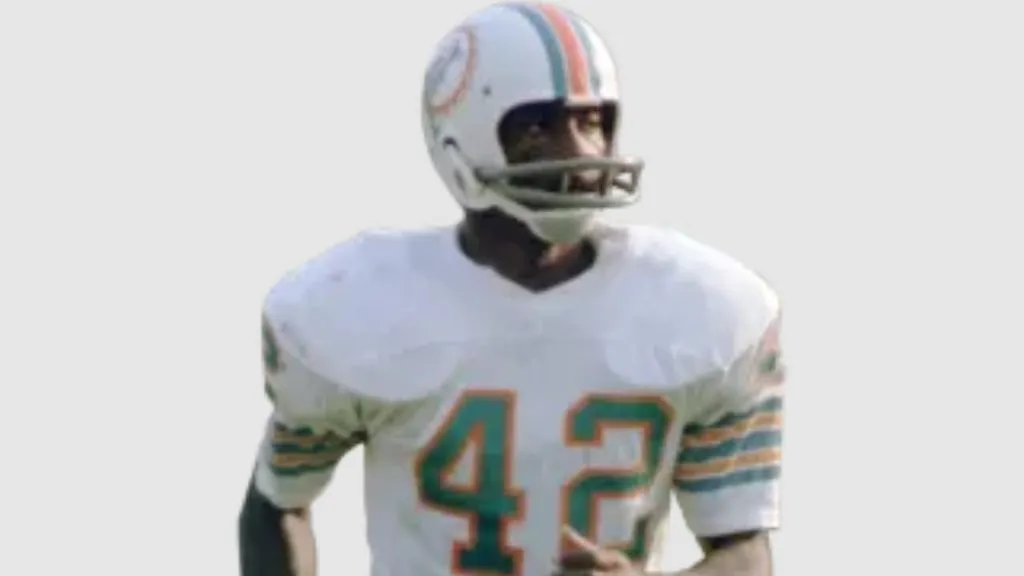
Paul Warfield (Source: NFL)
When discussing the architects of the 1972 undefeated run and the consecutive championships, Paul Warfield is the essential, often-unseen piece of the puzzle. Acquired in a blockbuster trade from the Cleveland Browns in 1970, he instantly became the ultimate deep threat—a master route runner with game-changing speed that forced defenses to play deep.
Though the Dolphins’ dynasty was built on running the ball, his presence was the crucial element that made the ground game even more lethal. His ability to stretch the field vertically opened up massive holes underneath for the bulldozing runs of Larry Csonka and Mercury Morris.
During his five-year tenure in Miami, Warfield was a fixture in the Pro Bowl and a vital contributor to both Super Bowl victories. He demonstrated that even in a ball-control offense, having a player who can strike lightning-fast on any given down is paramount to sustained success.
Zach Thomas
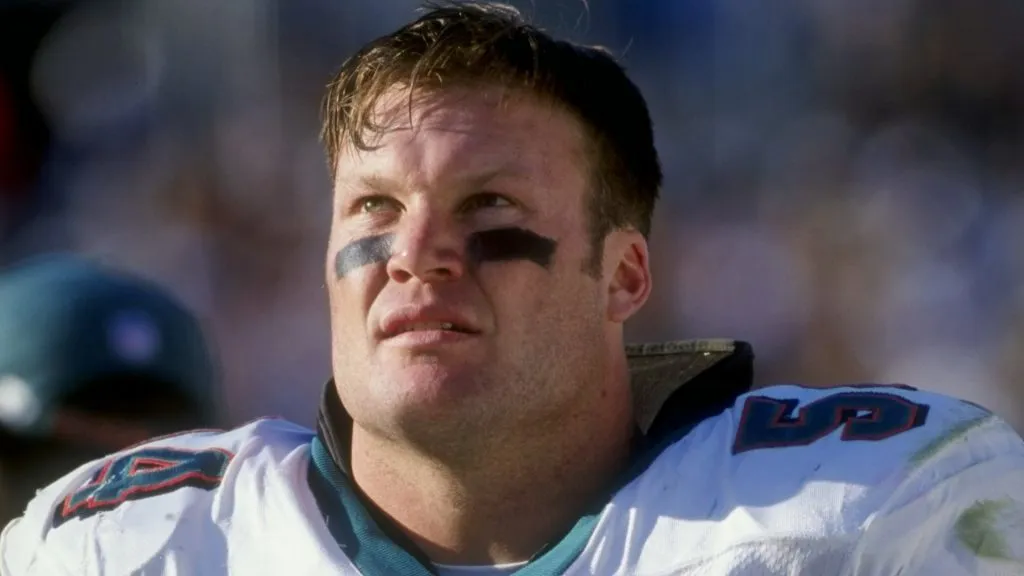
Zach Thomas (Source: Getty Images)
Zach Thomas is a profound testament to the power of sheer will over physical limitations. Drafted in the fifth round and viewed by some as undersized for a middle linebacker, he proved his doubters spectacularly wrong by becoming the most prolific tackler in Miami Dolphins history.
His relentless motor, razor-sharp football instincts, and unparalleled work ethic allowed him to overcome any perceived size deficit. He was the passionate core of the Dolphins’ defense for over a decade, serving as the defensive quarterback who drove the intensity of the entire unit.
His staggering production earned him seven Pro Bowl selections and five First-Team All-Pro honors, a reflection of his consistent, elite play. He was recently enshrined in the Pro Football Hall of Fame, confirming his status as an all-time great whose fierce dedication and commitment left an undeniable, fiery mark on the franchise’s culture.
Nick Buoniconti
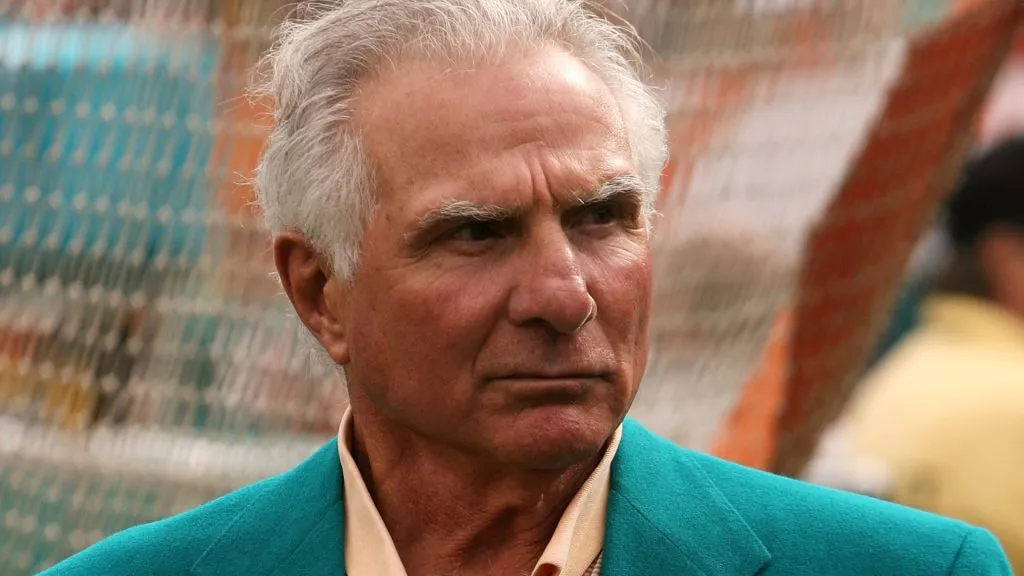
Nick Buoniconti (Source: Doug Benc/Getty Images)
Nick Buoniconti arrived in Miami in 1969 via a shrewd trade with the Boston Patriots—a trade so notorious for its lopsidedness that the Dolphins sent the Patriots little more than film of a third-string quarterback. Despite being notoriously undersized for a middle linebacker at a mere 5’11”, he brought an intensity and intellectual vigor that instantly anchored the fledgling defense.
He became the undisputed captain and brains of the famed “No-Name Defense”, calling the signals and directing the unit that became synonymous with Don Shula’s dynasty. He was a tackling machine, recording a team-record 162 tackles in 1973, and his hard-hitting, fiercely determined style epitomized the defense’s relentless attitude.
He was the emotional heartbeat of the teams that won Super Bowls VII and VIII, including the legendary 17-0 perfect season. His subsequent career as a lawyer and co-host of Inside the NFL, coupled with his tireless work for The Miami Project to Cure Paralysis, only burnished the legacy of this Hall of Fame warrior.
Larry Little
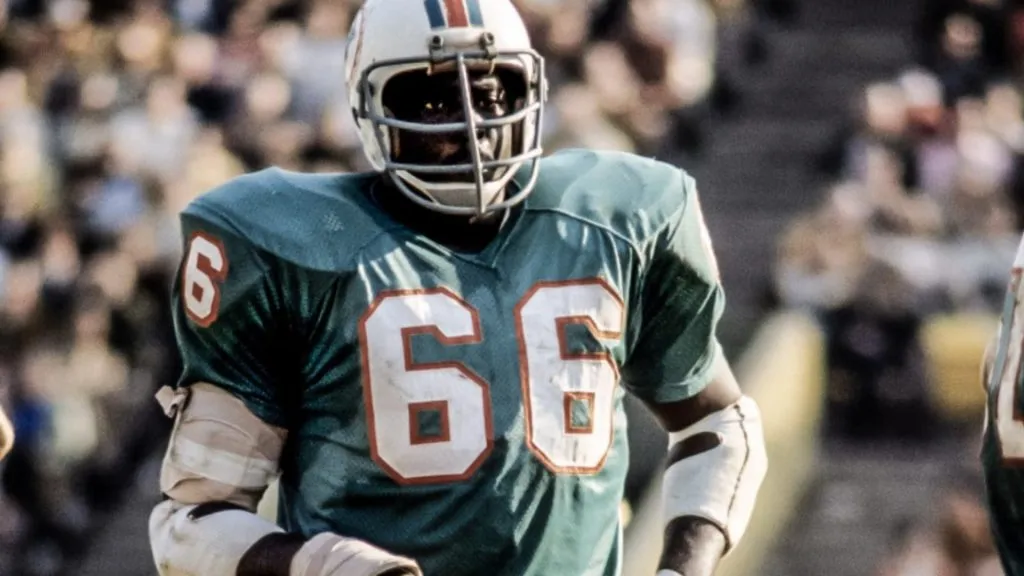
Larry Little (Source: Miami Dolphins)
If Larry Csonka was the bulldozer, Larry Little was the earthmover. Traded to Miami in 1969, he was quickly recognized as one of the most dominant offensive guards in the NFL, becoming the right guard fixture for the entire Dolphins dynasty. Undrafted out of college, he built his Hall of Fame career on raw power and intimidation, embodying the sheer force of Miami’s punishing rushing attack.
He revolutionized the position by taking on the responsibility of “pulling” out of the line to lead the powerful sweep plays—a task usually reserved for lighter linemen. His athleticism and brute strength allowed him to steamroll defenders in open space, creating the massive running lanes that defined the Dolphins’ 1970s success.
He earned First-Team All-NFL honors six times and was voted the AFC Offensive Lineman of the Year three straight seasons by the NFLPA, cementing his status as the premier interior blocker who spearheaded back-to-back Super Bowl wins.
Jim Langer
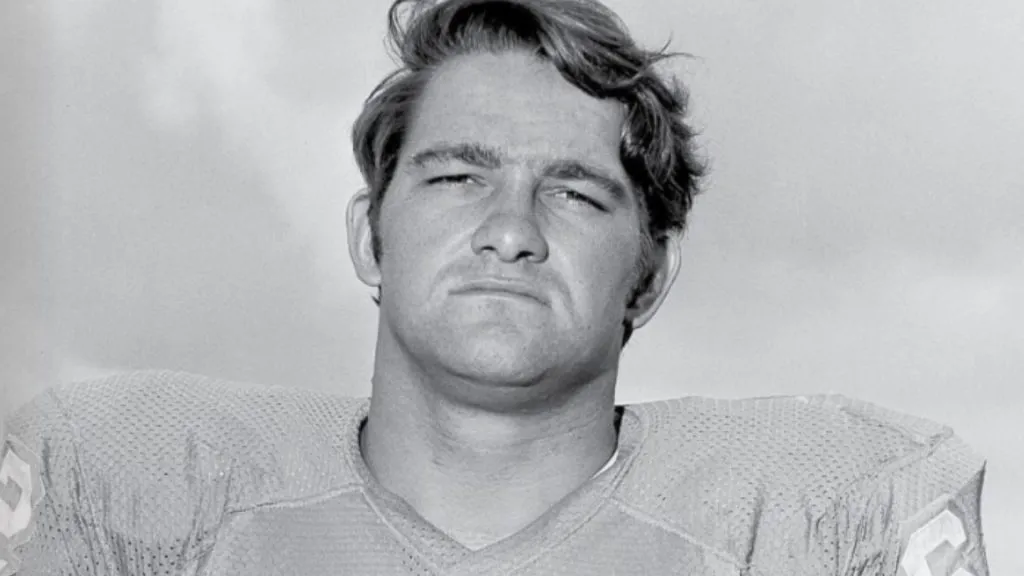
Jim Langer (Source: Miami Dolphins)
The journey of Jim Langer, from an obscure free agent cut by the Cleveland Browns to a Hall of Fame center, is one of the franchise’s most inspiring tales of perseverance. After joining the Dolphins in 1970, he toiled for two years before taking over the starting center role in 1972. It was a perfect fit, literally and figuratively.
He became the anchor of the legendary offensive line, known for his work ethic and quick, low-driving blocking. In that historic 1972 perfect season, he played every single offensive down, reportedly only requiring assistance on three of more than 500 blocking assignments—a nearly flawless display of individual dominance.
He was the “brains” of the line, responsible for calling all blocking assignments, and his consistent, durable play earned him six straight Pro Bowl selections. Langer’s rise from free agent afterthought to the cornerstone of a dynasty highlights the value of relentless effort over pedigree.
Richmond Webb
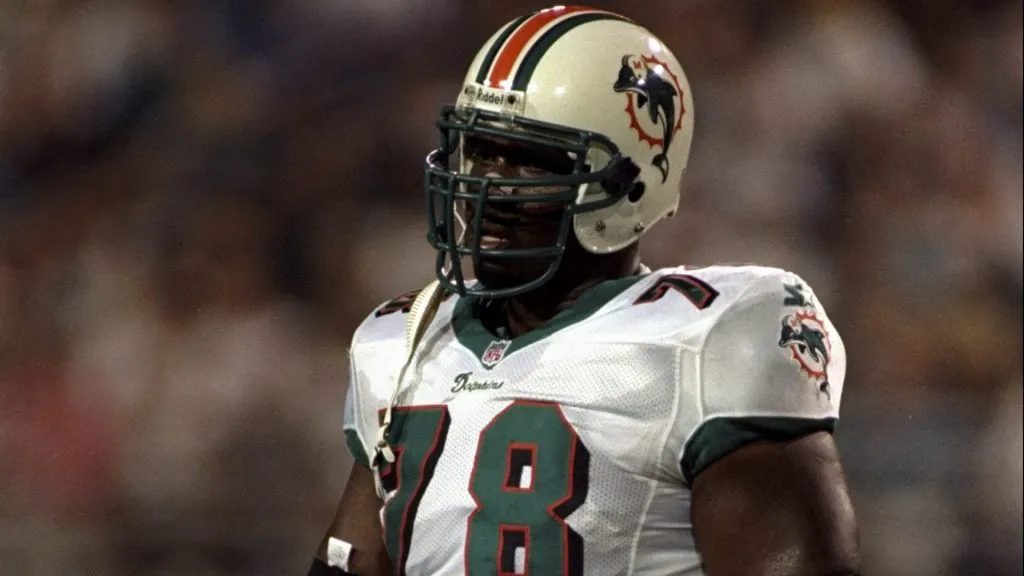
Richmond Webb (Source: Scott Halleran /Allsport)
When you have a quarterback with the generational passing talent of Dan Marino, securing his blindside is the most critical job on the field. For 11 seasons, that job belonged to Richmond Webb, the mammoth left tackle drafted ninth overall in 1990. Webb was an immediate success, quickly establishing himself as one of the elite pass protectors of his era and a perennial fixture in the Pro Bowl.
His arrival stabilized the left side of the line, providing Marino with the precious seconds he needed to utilize his quick release. He was remarkably consistent, making the Pro Bowl in each of his first seven NFL seasons—a Dolphins team record for consecutive selections.
Named to the NFL 1990s All-Decade Team, he combined a massive 6’6″ frame with surprising agility, allowing him to neutralize the best speed rushers in the league. His enduring partnership with Marino defined the offensive trench warfare for the Dolphins through the early 90s.
Cameron Wake
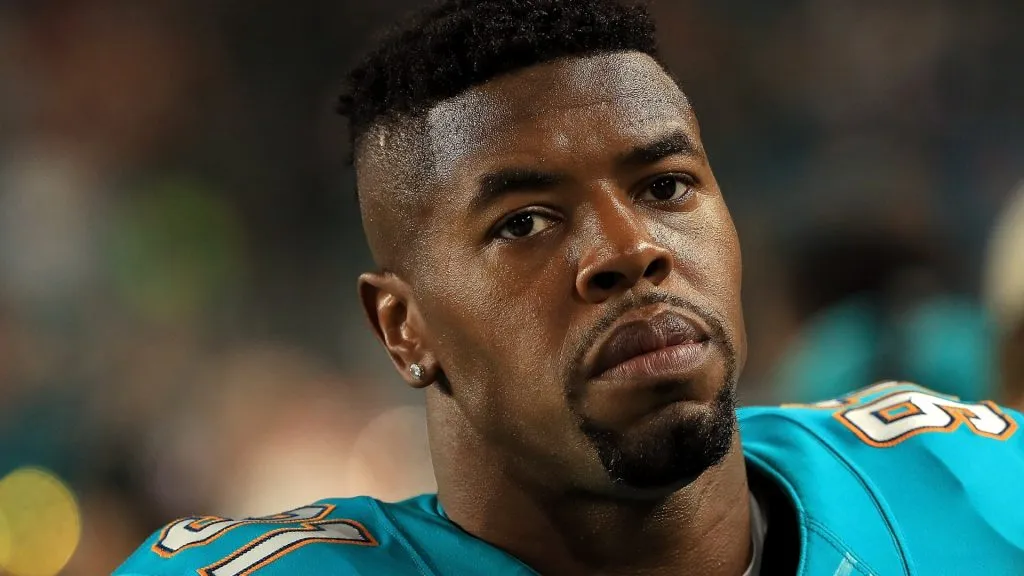
Cameron Wake (Source: Mike Ehrmann/Getty Images)
The story of Cameron Wake is an improbable, cinematic tale of refusal to quit. After being signed and cut by the Giants, and then dominating the Canadian Football League, he finally found his true home with the Dolphins in 2009.
His success was a potent blend of speed, bend, and explosive power, turning him into one of the most dynamic edge rushers of the post-Marino era. He swiftly became a sack specialist, relentlessly pursuing quarterbacks and racking up 100.5 career sacks (second only to Jason Taylor in franchise history).
His 2012 season earned him First-Team All-Pro honors, and he developed a reputation for single-handedly changing the momentum of games—most memorably with a game-ending safety in overtime against the Bengals in 2013, one of only a few in NFL history. His improbable journey from CFL star to five-time Pro Bowler solidified his status as a modern-day legend.
Bryan Cox
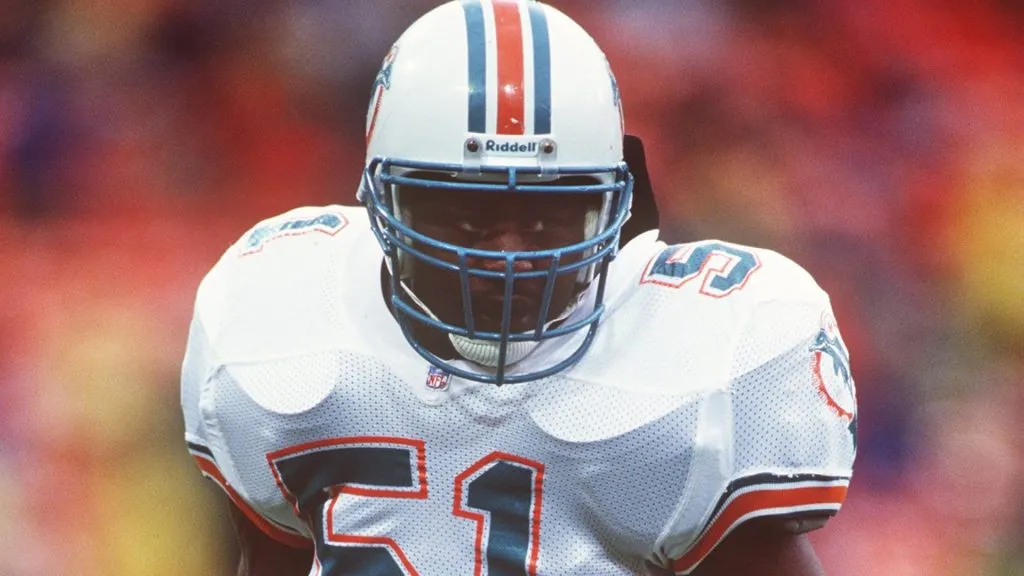
Bryan Cox (Source: Otto Greule/ALLSPORT)
Bryan Cox brought an unapologetic edge and ferocious intensity to the Dolphins’ defense throughout the 1990s. Drafted in the fifth round in 1991, he was not just a player; he was the emotional lightning rod for the team, whose highly aggressive, physical style of play often pushed the envelope.
Starting as an outside linebacker, he quickly blossomed, earning his first of three Pro Bowl nods in his sophomore season after logging 14 sacks and five forced fumbles. He later shifted to middle linebacker, where he became the primary run-stopper and signal-caller.
He was a quintessential Don Shula player: tough, fearless, and relentlessly passionate, establishing a confrontational, hard-nosed identity for the defense during the peak of Dan Marino’s passing years. His intensity defined a defensive era for the franchise, serving as a constant spark plug both on the field and in the locker room.
A. J. Duhe
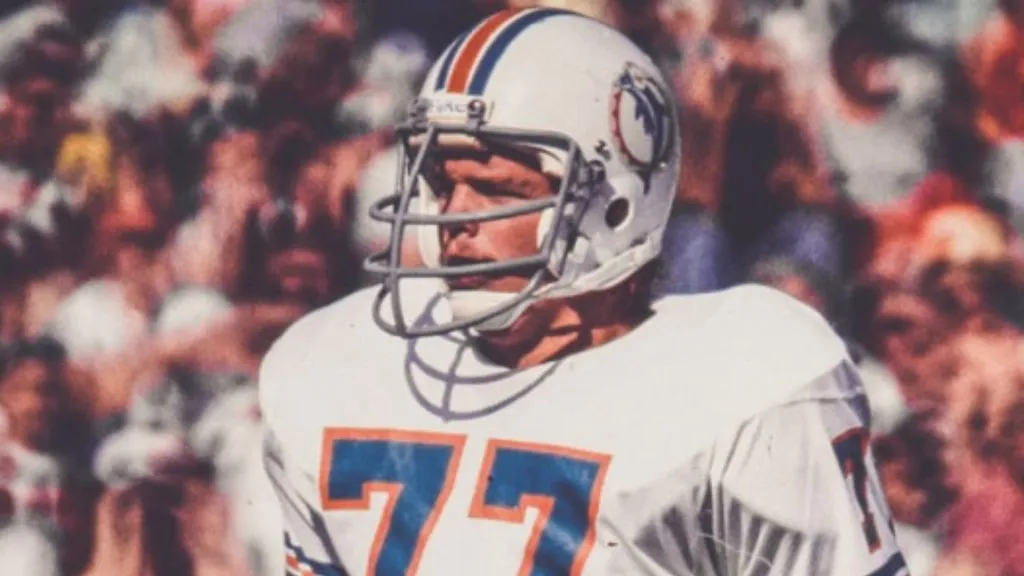
A. J. Duhe (Source: Miami Dolphins)
A. J. Duhe’s career is defined by a rare versatility and one monumental performance that instantly became Dolphins folklore. Drafted in the first round in 1977, he immediately made an impact, winning the 1977 AP NFL Defensive Rookie of the Year as a defensive end. However, in a testament to his adaptability and the strategic mind of Don Shula, Duhe made a pivotal switch to inside linebacker in 1980, where he became an All-AFC performer.
While his career was unfortunately cut short by a series of injuries, his name is permanently etched in Miami history for a single afternoon. In the 1982 AFC Championship Game against the New York Jets, played in a torrential downpour, Duhe put on a performance for the ages.
He intercepted Jets quarterback Richard Todd an unbelievable three times, returning the final pick 35 yards for the game-sealing touchdown in a 14-0 victory. This iconic “Duhe Game” single-handedly secured the Dolphins’ trip to Super Bowl XVII, showcasing his supreme athleticism and uncanny nose for the ball in the biggest moment.
Bob Kuechenberg
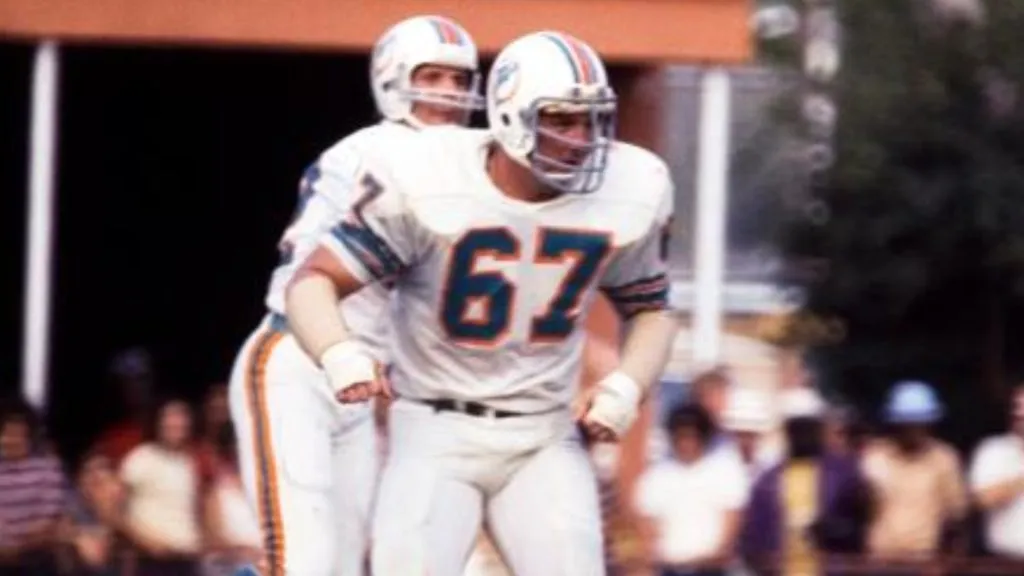
Bob Kuechenberg playing for the Dolphins.
Bob Kuechenberg was a cornerstone of the Miami Dolphins’ offensive line during their golden era in the 1970s. Joining as an undrafted free agent, his versatility allowed him to excel at different positions, contributing to Miami’s back-to-back Super Bowl victories and playing a vital role in the Fins’ perfect 1972 season.
Kuechenberg’s blocking prowess was instrumental in the success of the Dolphins’ powerful running game, featuring stars like Larry Csonka and Mercury Morris. His tenacity and ability to play through injuries, such as a broken arm in Super Bowl VIII, exemplified the toughness that defined the Dolphins’ championship teams. He was rewarded with six Pro Bowl selections for his outstanding performances.
Beyond his on-field achievements, Kuechenberg’s legacy with the Dolphins is one of perseverance and professionalism. Even today, he is remembered as one of the best offensive linemen in Dolphins history, embodying the spirit of teamwork and resilience that continues to inspire the franchise.
Mark Duper
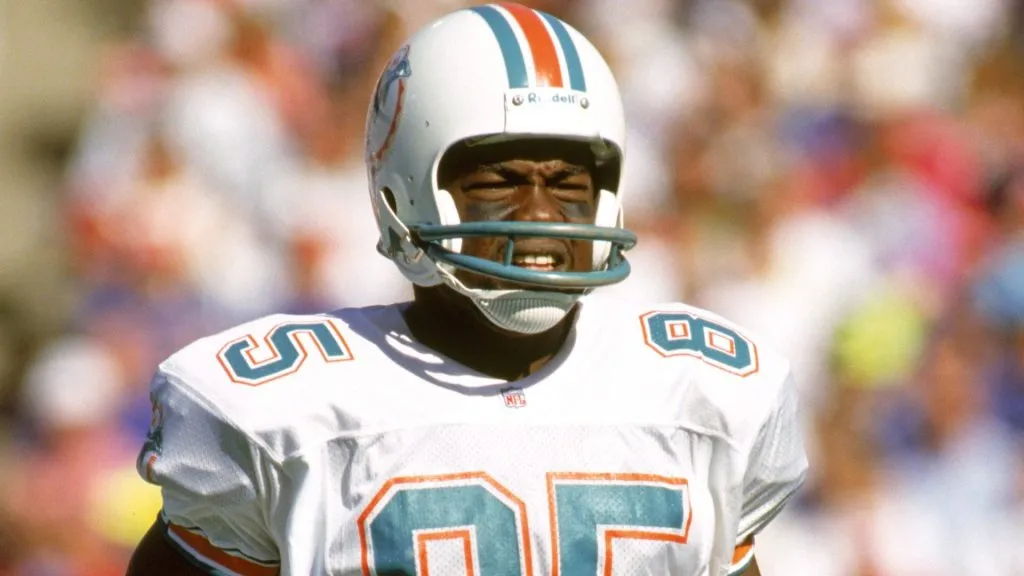
Mark Duper (Source: Rick Stewart/Getty Images)
Mark “Super” Duper was the quintessential vertical threat in the NFL’s most prolific passing attack of the mid-1980s. Alongside Mark Clayton, he formed the iconic “Marks Brothers” tandem, becoming a legendary target for Dan Marino’s explosive arm.
His background as a track star—he even competed in the Olympic trials—translated perfectly to the football field, giving him the straight-line speed to blow past defensive backs. A three-time Pro Bowl selection, he consistently stretched the field for the Dolphins, forcing defenses into deep coverage and opening up the intermediate passing game for his partner.
He surpassed the 1,000-yard receiving mark four times in his 11-year career with Miami, proving his longevity and effectiveness well into the 1990s. His spectacular downfield grabs and ability to win one-on-one matchups were foundational to the record-breaking aerial numbers put up by the Dolphins’ offense during the Marino era.
Mark Clayton
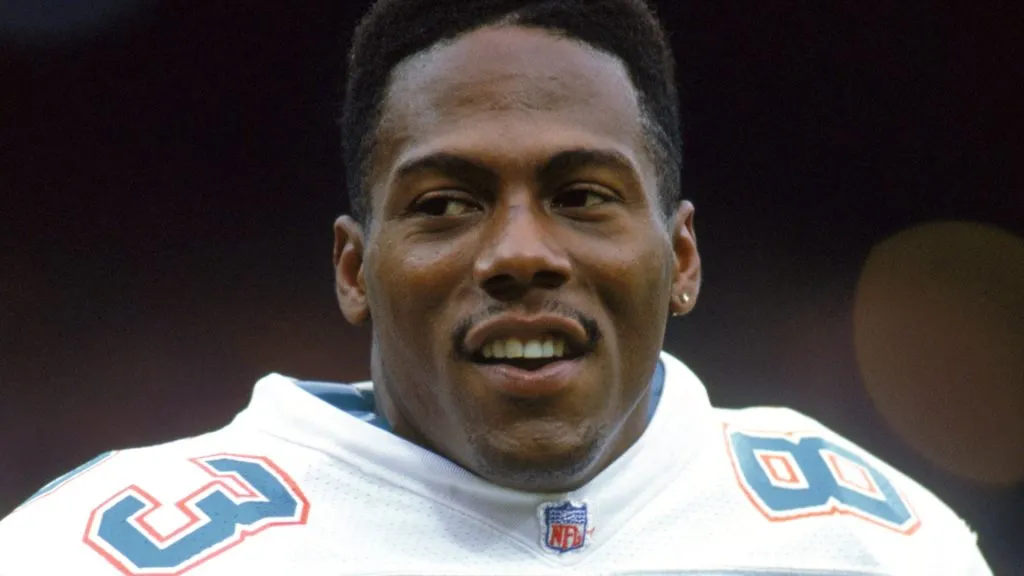
Mark Clayton (Source: Otto Greule Jr/Getty Images)
If Mark Duper was the speed, Mark Clayton was the touchdown artist and precise route runner. Selected late in the 1983 draft, he quickly transformed from a punt returner into one of Dan Marino’s most trusted and productive targets. The synergy between Marino and Clayton was immediate and record-breaking.
In his breakout 1984 season, he led the league with a then-NFL record 18 receiving touchdowns, a figure that still ranks among the highest single-season totals ever. This performance earned him the first of his five Pro Bowl selections.
He holds the franchise records for career receiving touchdowns and was, for a time, half of the most prolific QB-WR duo in NFL history with Marino. His ability to find seams in the zone and secure contested catches in the red zone made him an absolute nightmare for opposing secondaries and a cornerstone of the Dolphins’ high-flying offense for a decade.
Ricky Williams
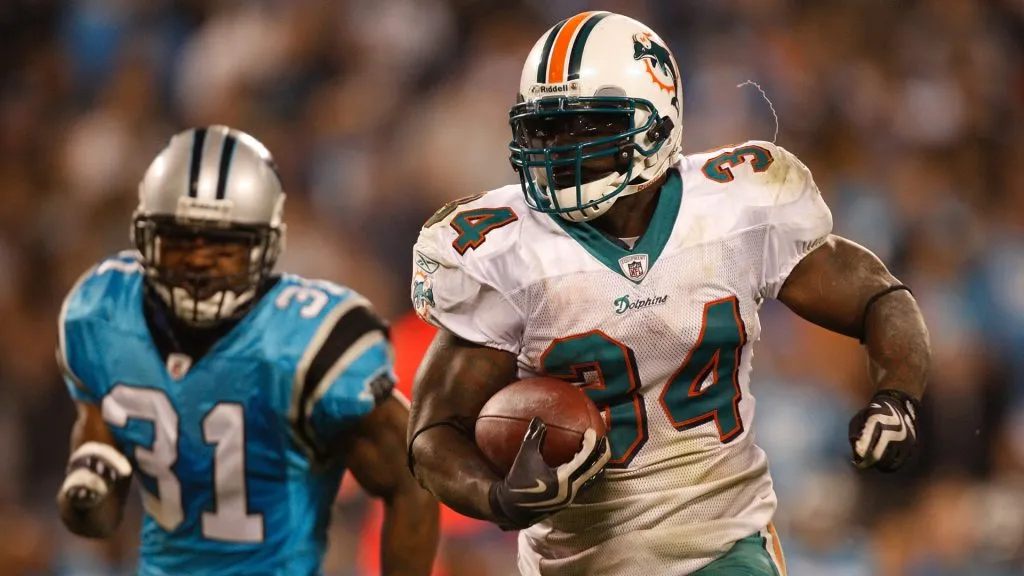
Ricky Williams (Source: Streeter Lecka/Getty Images)
Ricky Williams‘ time in Miami was a thrilling, chaotic, and utterly dominant chapter in the franchise’s modern history. Traded to the Dolphins in 2002 after a massive blockbuster deal, he immediately delivered on his promise, bringing a punishing, relentless style of running that the franchise hadn’t seen since the Csonka era.
In his unforgettable 2002 season, he was an absolute workhorse, leading the entire NFL in rushing with an astounding 1,853 yards on 383 carries, earning First-Team All-Pro honors and a Pro Bowl nod. He set the Dolphins’ team record for most 100-yard rushing games and became the focal point of the offense.
Though his career was marked by unpredictable departures and returns—adding a layer of enigmatic complexity to his story—his best seasons in Miami established him as one of the most physically gifted and productive running backs ever to wear the aqua and orange. He remains the second-leading rusher in franchise history.
Nat Moore
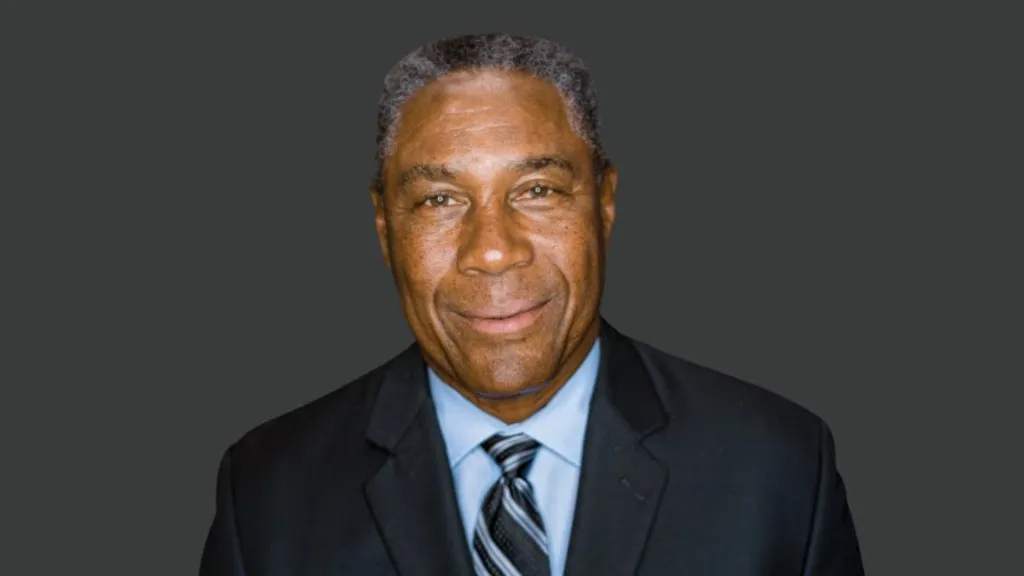
Nat Moore (Source: Miami Dolphins)
Nat Moore’s 13-year career with the Miami Dolphins spanned the eras of two Hall of Fame quarterbacks, Bob Griese and Dan Marino, solidifying his role as one of the most beloved and consistent receivers in team history. Drafted as a running back, he was converted to wide receiver, where his reliable hands and courage over the middle made him a highly trusted target.
He led the NFL in receiving touchdowns in 1977 and is immortalized for his legendary “helicopter catch,” a famous highlight where he was leveled by two defenders and spun airborne, yet held onto the ball. Beyond the field, his legacy is defined by his character.
He was named the NFL Walter Payton Man of the Year in 1984 for his outstanding community service. Serving as a crucial mentor to young receivers Mark Duper and Mark Clayton, he was the epitome of a team leader whose influence extended far beyond his 510 career receptions.
Junior Seau
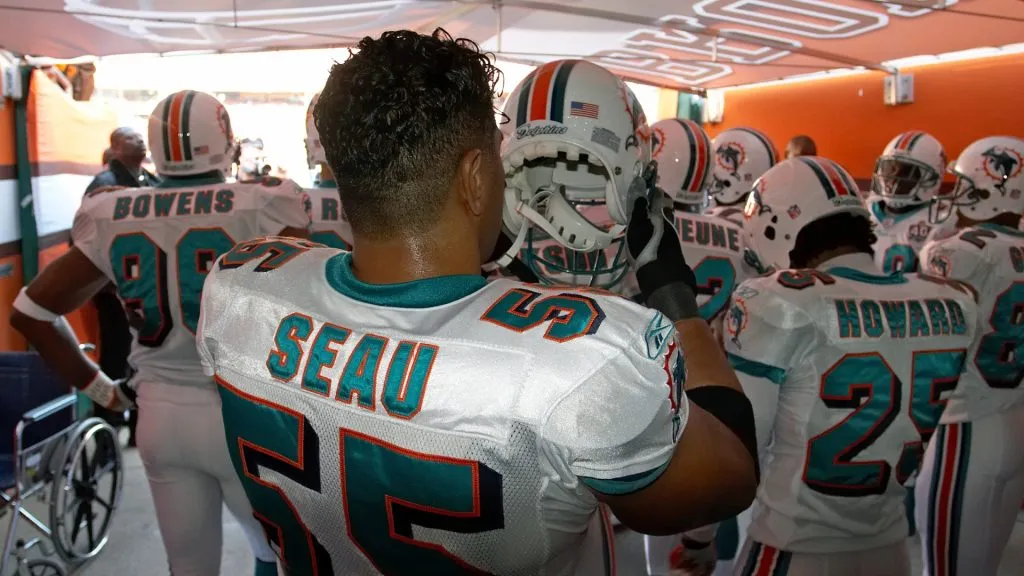
Junior Seau (Source: Jamie Mullen/NFLPhotoLibrary)
While the entirety of Junior Seau‘s legendary career belongs to the entire NFL, his three-season tenure with the Dolphins in the mid-2000s saw the veteran linebacker bring a rare, infectious level of passion and intensity to the defense. Traded to Miami in 2003, he was already a 12-time Pro Bowler and an undeniable force, but his time in South Florida proved his immediate leadership capability.
In his first year with the Dolphins (2003), he started 15 games and was an immediate defensive standout for the 10-6 team, demonstrating his unrivaled instincts and hitting power.
Although subsequent seasons were hampered by injuries, his arrival injected a veteran presence and an undeniable swagger into the locker room. Though he is more famous as a Charger, his brief but impactful stop in Miami provided a vital, hard-hitting defensive identity during a transitional period for the franchise.
Tony Nathan
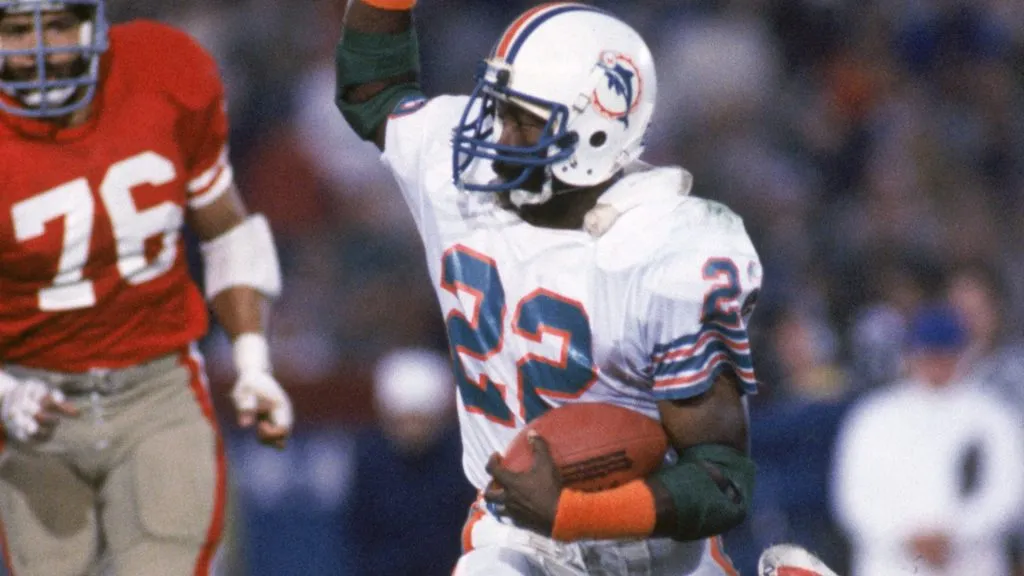
Tony Nathan (Source: George Rose/Getty Images)
Tony Nathan’s nine-year career with the Dolphins (1979–1987) was a testament to versatility and clutch play, transitioning seamlessly from the ground-oriented offense of the late 70s into a critical component of Dan Marino’s aerial attack. Drafted out of Alabama, where he was a national champion, he became the rare running back who excelled equally as a runner and a receiver, finishing his career with nearly identical totals in rushing and receiving yards.
He was the starting running back in both Super Bowl XVII and Super Bowl XIX, proving his value on the biggest stage. His finest postseason moment came in “The Epic in Miami,” the 1981 Divisional Playoff against the Chargers, where he was integral to the legendary “Hook and Lateral” play.
His superb performance in Super Bowl XIX, which included 10 receptions (then the second-most in Super Bowl history), underscored his role as a dependable, multi-faceted weapon that became an offensive MVP for the team in 1981.
Patrick Surtain
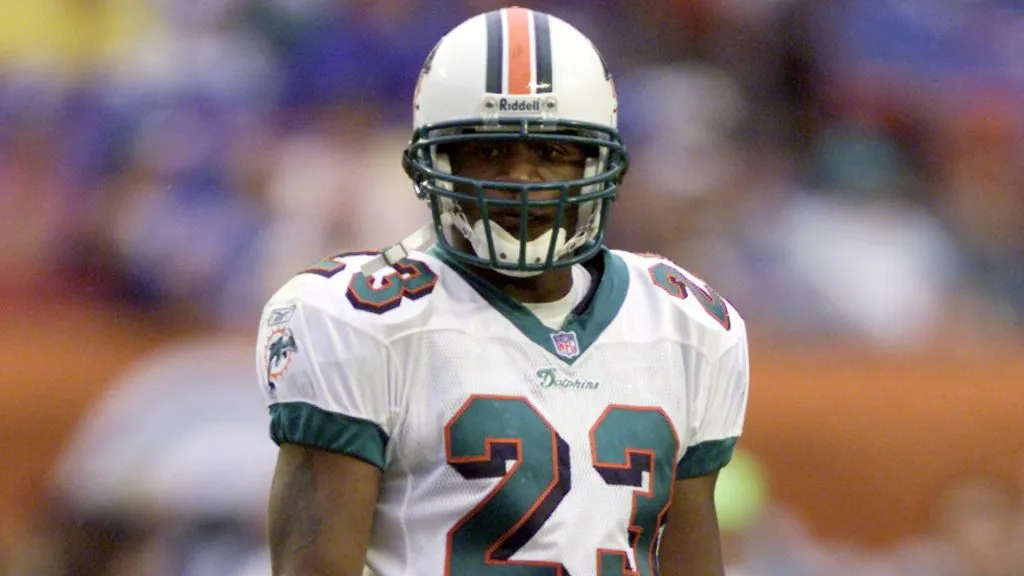
Patrick Surtain (Source: Eliot Schechter/Allsport)
Patrick Surtain emerged in the late 1990s as one half of a dynamic, modern cornerback tandem, quickly establishing himself as one of the NFL’s premier shutdown defenders. Drafted in 1998, his seven seasons in Miami cemented his place as an elite ball-hawk and tackler, providing the Dolphins with the kind of defensive backfield anchor the team needed in the post-Marino transitional years.
He was a model of consistency and big-play ability, accumulating 29 interceptions (tied for fourth in franchise history) during his time in aqua and orange. His peak came between 2002 and 2004, a dominant stretch that earned him three consecutive Pro Bowl selections and First-Team All-Pro honors in 2002.
His ability to lock down his side of the field allowed the Dolphins defense to take calculated risks, and his disciplined, physical coverage became the standard for the secondary well into the 2000s. His son, Patrick Surtain II, now carries on the Pro Bowl tradition in the NFL.
John Offerdahl
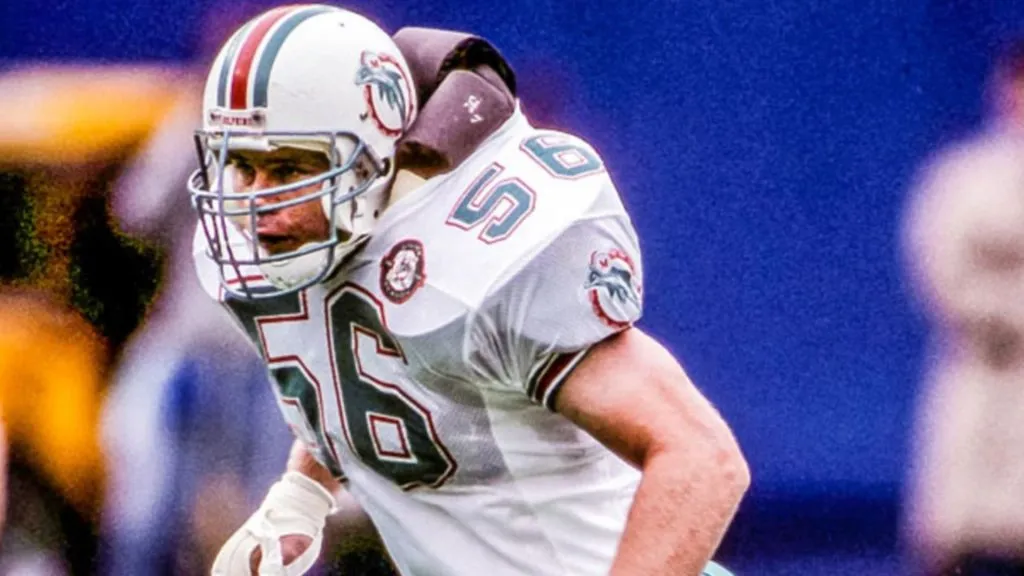
John Offerdahl (Source: Miami Dolphins)
John Offerdahl’s career with the Dolphins began with a bang and sustained a high level of excellence until injuries intervened. The inside linebacker, chosen as the team’s first pick in 1986, made history by being selected to the Pro Bowl in each of his first five NFL seasons, a remarkable feat of instant dominance and consistency.
Dubbed the NFL Defensive Rookie of the Year in 1986, he brought tenacity and an uncanny nose for the ball to the middle of the defense during the heart of the Dan Marino era. His draft stock famously soared after he gave an eye-popping performance against Bo Jackson in the Senior Bowl.
While injuries regrettably cut his career short in 1993, his five Pro Bowls in eight seasons secure his place as one of the most productive and consistent linebackers in franchise history. His legacy is uniquely tied to South Florida as he also became a successful entrepreneur, founding his well-known chain of bagel and café restaurants while still playing.
Dick Anderson
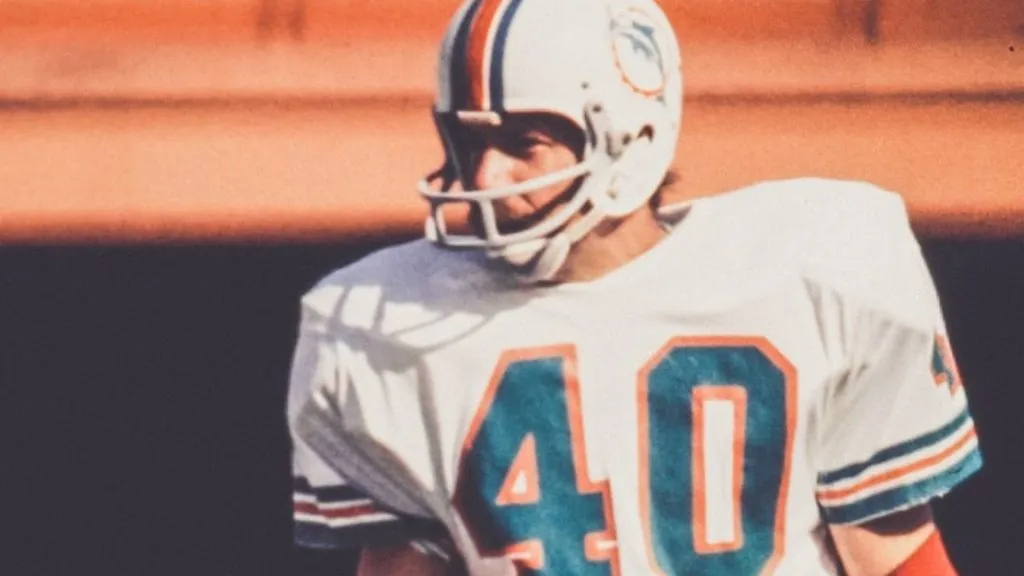
Dick Anderson (Source: Miami Dolphins)
Dick Anderson was a vital, hard-hitting component of the “No-Name Defense,” patrolling the deep secondary with instinct and ferocity during the Dolphins’ championship era. Drafted in 1968, he made an instant impression, sharing the AFL Defensive Rookie of the Year award. Paired with Jake Scott, the duo formed one of the most formidable safety tandems of the 1970s.
His individual career apex came in 1973, when he was named the NFL Defensive Player of the Year, a season that included a stunning, record-tying four interceptions in a single game against the Pittsburgh Steelers.
A three-time Pro Bowl selection and two-time Super Bowl champion, he possessed exceptional ball skills, retiring as the Dolphins’ second all-time leading interceptor. His impact was so profound that he was named to the NFL 1970s All-Decade Team, cementing his status as a true defensive stalwart.
Bill Stanfill
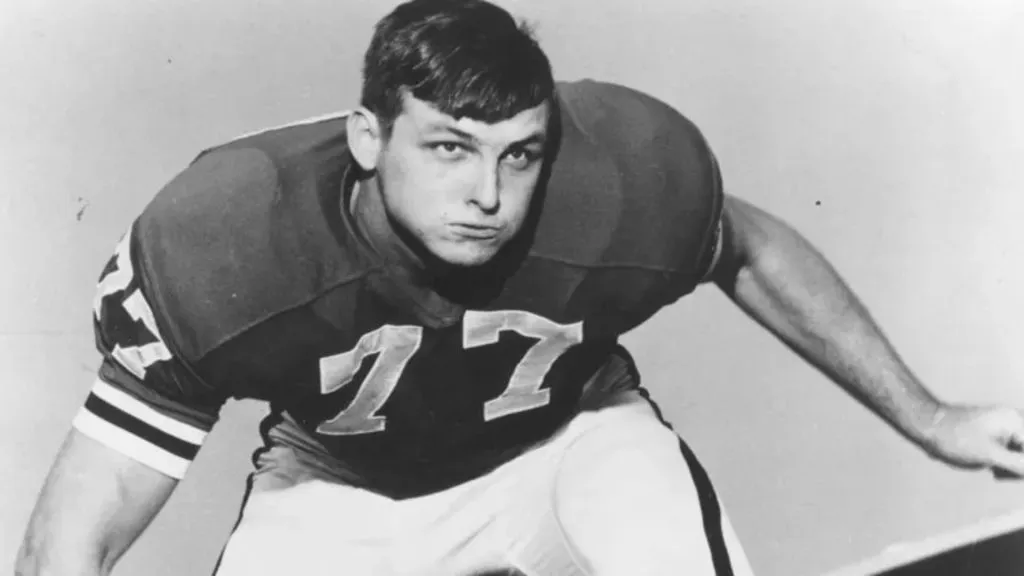
Bill Stanfill (Source: Southeastern Conference)
Before sacks were officially recorded, Bill Stanfill was the Dolphins’ original and dominant sack artist. The Outland Trophy winner was the team’s first-round pick in 1969 and immediately anchored the defensive line during the championship run. He played with a unique blend of size, speed, and raw athletic grace—so much so that legendary coach Vince Dooley called him “the greatest athlete as a lineman I ever coached”.
He was a devastating pass rusher on the famed “No-Name Defense,” creating chaos in opposing backfields. Although unofficial, his 18.5 sacks in the 1973 season remains the highest single-season mark in franchise history.
He was a five-time Pro Bowl selection and a critical starter on both Super Bowl-winning teams. Don Shula praised his toughness and fierce competitive spirit, recognizing him as a key, yet often unsung, reason for the defense’s overall success.