Building an NHL team isn’t just about talent—it’s a financial chess match. The salary cap forces teams to think strategically, balancing big contracts and budget limits. Every move, from blockbuster signings to tough cuts, is shaped by this invisible but powerful constraint.
Success isn’t just about spending; it’s about smart management. They must decide when to invest in superstars, when to develop young talent, and when to let go of veterans. The right balance can create a dynasty, while missteps can lead to years of mediocrity.
But not all of them play by the same rules. Creative strategies like front-loaded contracts, salary retention and injury exemptions help franchises maximize their cap space. In a league where numbers matter as much as skill, financial savvy is the key to long-term success.
Cap structure
The NHL salary cap is the financial framework that governs how much teams can spend on player salaries each season. It forces every franchise to carefully weigh the costs of signing star players against building a balanced, competitive roster.
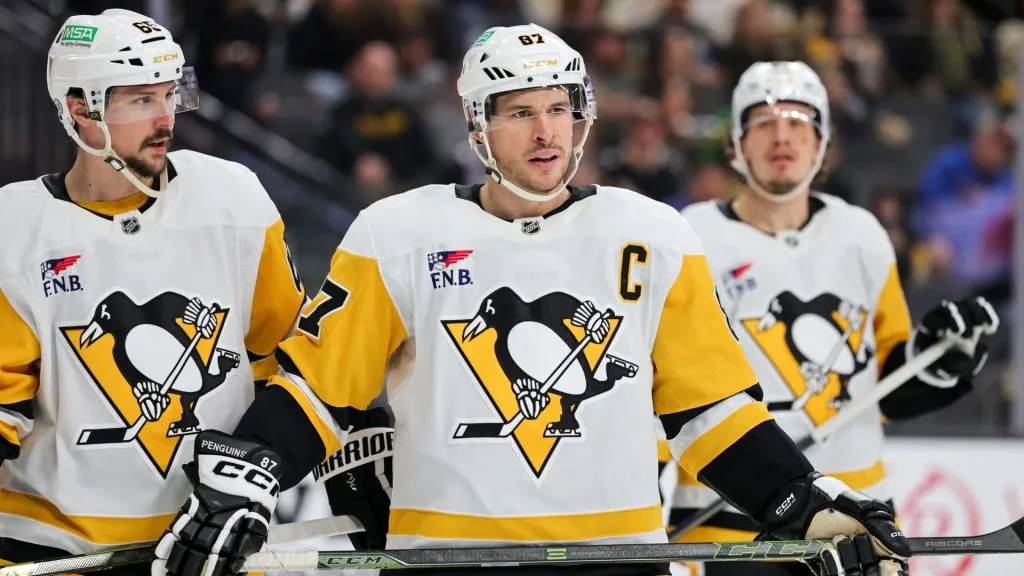
Erik Karlsson #65 and Sidney Crosby #87 of the Pittsburgh Penguins wait for a faceoff in the second period of a game against the Vegas Golden Knights on March 07, 2025. (Source: Ethan Miller/Getty Images)
This structure is adjusted annually based on league revenues and economic conditions, ensuring that even the smallest-market teams have a fighting chance against wealthier rivals. It levels the playing field and encourages creative financial strategies.
In practice, every contract, trade and negotiation is a tactical move. The cap transforms team management into a strategic game of chess, where each piece represents a financial decision that can make or break a season.
Daily cap
The Daily Cap represents the real-time snapshot of a team’s payroll, constantly updated as transactions occur throughout the season. It reflects every trade, injury, or call-up immediately, making it a crucial number for front offices.
This dynamic figure requires that every move—no matter how small—be carefully planned. Whether it’s a last-minute trade or a sudden roster change due to an injury, it ensures that each adjustment is in line with the overall financial strategy.
For general managers, this is both a challenge and an opportunity. The ever-changing daily numbers mean they must be ready to act swiftly, balancing immediate needs with long-term team goals.
LTIR explained
Long-Term Injured Reserve (LTIR) is a vital tool for teams when a key player is sidelined by a serious injury. Under LTIR, a player’s cap hit can be temporarily “frozen”, allowing the team to sign replacement talent without breaching salary cap limits.
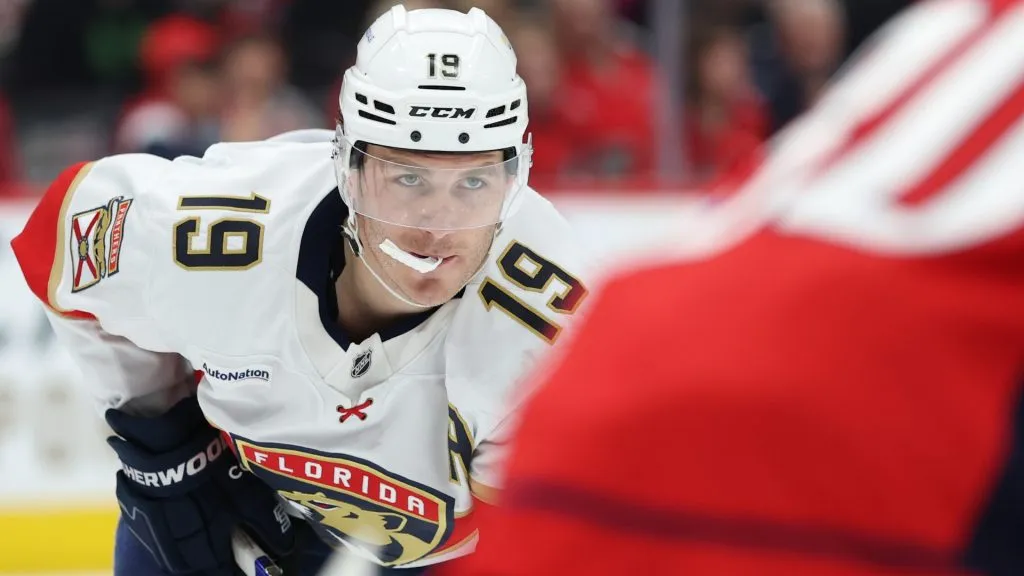
Matthew Tkachuk #19 of the Florida Panthers looks on against the Washington Capitals at Capital One Arena on February 04, 2025. (Source: Patrick Smith/Getty Images)
This mechanism is designed to cushion the blow of losing a star player mid-season, providing teams with the flexibility to maintain competitive balance even in the face of adversity. It’s a calculated risk that lets franchises keep their championship aspirations alive.
However, navigating LTIR isn’t without its challenges. The rules are intricate, requiring precise calculations and strategic foresight to ensure that the financial relief it provides does not lead to long-term complications.
Offseason vs. in-season
The offseason is a strategic playground where teams plan, negotiate and reconfigure their rosters for the season ahead. It’s a time for scouting, free agency moves and laying the financial groundwork without the immediate pressure of game results.
Once the season starts, the focus shifts dramatically. In-season management becomes a real-time balancing act where every injury, performance dip, or unexpected opportunity demands immediate action—all while keeping the Daily Cap in check.
This dual phase of management highlights the importance of both long-term vision and short-term agility. The offseason sets the stage for success, while the in-season period tests a team’s ability to adapt and respond to the ever-changing landscape of professional hockey.