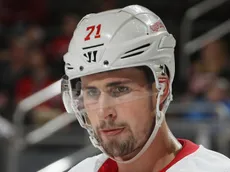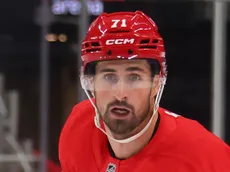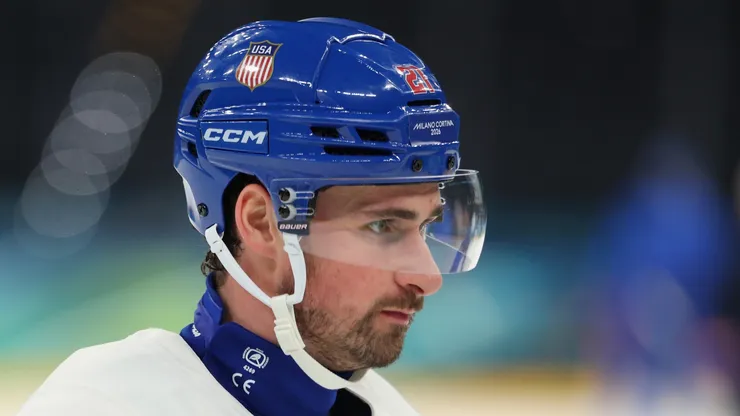
The trade standoff between the Detroit Red Wings and Dylan Larkin remains one of the most complex sagas in the NHL. While Larkin expanded his approved destination list to 10 U.S.-based contenders—including the Minnesota Wild, Carolina Hurricanes, and New Jersey Devils—interim general manager Shawn Horcoff has refused to rush a deal without receiving elite, immediate value in return.
Long-time Detroit Free Press beat writer Helene St. James offered key insight into why a traditional one-on-one trade between Detroit and a contender continues to hit a wall. According to St. James, fulfilling Detroit’s steep demands will almost certainly require involving a third franchise to facilitate the movement of roster assets and cap space.
“In my opinion, I think it’s gonna end up taking a three. Another team has to be involved. They want value-now players in return. They basically need someone like Larkin in return.”
Why a three-team trade structure makes sense for Detroit
St. James’ analysis exposes the central paradox stalling negotiations across the league. While contenders targeting Larkin want to add his 30-goal, top-line center presence to bolster their playoff push, those same teams are unwilling—or unable—to subtract an equivalent top-six center from their active NHL roster.
For Detroit, trading away a premier first-line center for purely future-based assets (such as draft picks or unproven prospects) risks derailing their immediate competitiveness and extending a ten-year playoff drought.
By leveraging a third team, Horcoff could redirect draft capital received from a contender to a secondary club willing to part with an established, NHL-ready top-six center. Several factors make a three-team block crucial to resolving the impasse:

- Contenders’ Roster Retentiveness: Playoff contenders trading for Larkin are looking to stack depth, meaning they will not surrender their own top-line center to get him.
- Rebuilding Facilitators: A third team with cap space and rebuilding goals can absorb draft picks and future assets from the acquiring contender while shipping an established top-six center to Detroit.
- Cap Matching Flexibility: Facilitating teams can retain a portion of Larkin’s $8.7 million annual cap hit, making the finances manageable for contenders operating near the cap ceiling.
What’s next for Dylan Larkin?
Despite the ongoing speculation, Dylan Larkin continues to suit up for Detroit while maintaining a professional approach on the ice. However, with interim GM Shawn Horcoff holding firm on his requirement for immediate, high-impact roster talent, rival executives must get creative if they hope to land the veteran center before the trade deadline.
Unless a primary suitor agrees to part with an elite, young NHL center or a third team steps up to supply that piece, Detroit remains completely comfortable holding onto Larkin until an undeniable offer materializes.
Key takeaways
- Helene St. James believes trading Dylan Larkin will require a three-team trade framework to satisfy Detroit’s demands.
- Detroit insists on receiving an immediate “value-now” player—specifically a top-line center capable of replacing Larkin’s output.
- Contenders targeting Larkin are reluctant to strip their own roster of top-six center talent, necessitating a third team to bridge the gap.