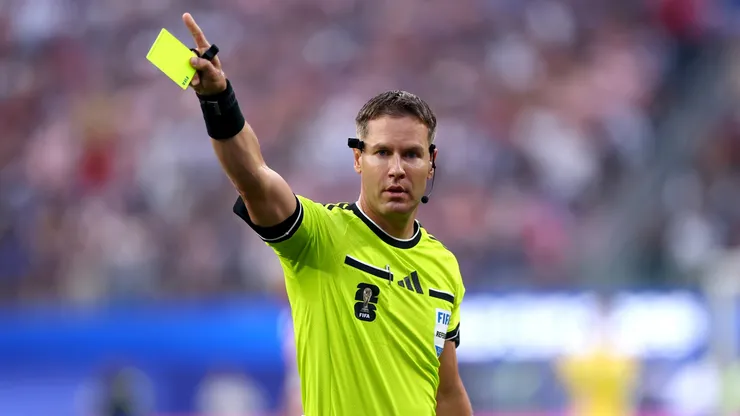
The 2026 World Cup introduced several historic changes, but one of the most important adjustments happened away from the pitch. Along with expanding the tournament from 32 to 48 teams and increasing the schedule to a record 104 matches, FIFA also updated its disciplinary regulations to reflect the new competition format.
The expanded tournament now includes an additional knockout round, meaning the teams that reach the final have to play more matches than ever before. Under the previous rules, players faced a greater risk of accumulating yellow cards over a longer period, potentially causing suspensions in decisive matches simply because the competition had become longer.
To address that issue, FIFA modified the yellow-card reset system for the 2026 World Cup. Instead of using the same disciplinary timeline from previous editions, the governing body created two separate reset windows designed to reduce the impact of accumulated cautions while still maintaining sporting fairness throughout the tournament.
When will yellow cards reset at the 2026 WC?
Yellow cards are reset at two different points during the tournament. The first reset takes place immediately after the group stage, meaning every player begins the knockout rounds with a clean disciplinary record.
The second reset occurs after the quarterfinals, allowing all remaining players to enter the semifinals without carrying yellow cards accumulated earlier in the knockout stage.
Why did FIFA change the yellow-card rules?

Before the 2026 World Cup, yellow cards were only reset after the quarterfinals. However, the expansion to 48 teams added an extra knockout round, increasing the number of matches each team could potentially play.
To account for the longer tournament, FIFA introduced two reset windows instead of one, helping prevent players from carrying cautions throughout an extended knockout campaign.
How many yellow cards lead to a suspension?
A player who receives two yellow cards before a reset is automatically suspended for one match. That suspension must be served in the next game, making discipline a crucial factor during both the group stage and the knockout rounds.
For teams chasing the World Cup title, avoiding unnecessary bookings can be just as important as winning matches, especially with so much at stake in the latter stages of the tournament.