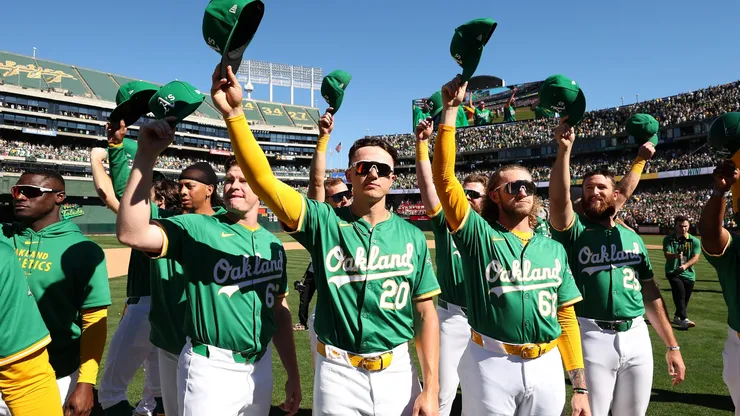
Baseball purists often celebrate the sport’s unchanging nature. The history of Major League Baseball is littered with the ghosts of franchises—teams and entire institutions that once anchored their cities before being uprooted or vanishing entirely.
The 1950s initiated a seismic shift, a pivotal decade where declining attendance and the lure of burgeoning West Coast markets shattered decades-long loyalties. While the painful move of the Brooklyn Dodgers to Los Angeles captured the national imagination, it was far from an isolated incident.
Cities like Boston, St. Louis and Philadelphia lost charter franchises to new destinations seeking greater financial promise and modern ballparks. Some relocations are more than just business footnotes; they are deeply felt civic scars, representing lost community identity and broken traditions.
The A’s final pitch: Trading Oakland for the Glitz of Vegas
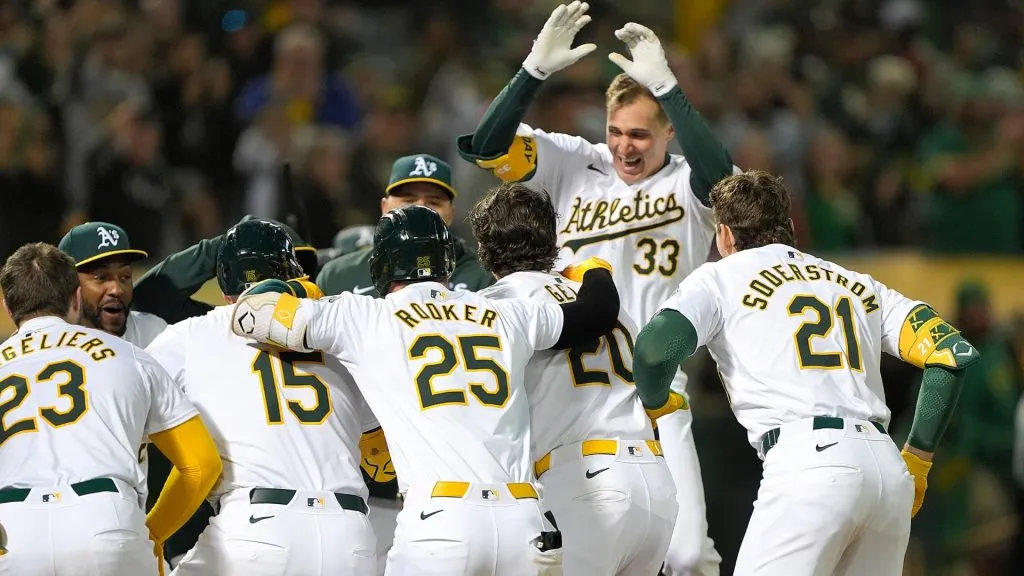
Oakland Athletics playes (Source: Thearon W. Henderson/Getty Images)
The Athletics franchise is in the process of relocating for the fourth time in its history. After decades of disputes over the aging Oakland Coliseum and failed attempts to secure a new facility, owner John Fisher secured unanimous approval from MLB owners for a move to Las Vegas.
The team plans to build a partially publicly funded, 33,000-seat ballpark on the Las Vegas Strip, at the site currently occupied by the Tropicana Las Vegas. The move is driven entirely by the desire for a lucrative new market and a modern venue, leaving behind a fan base that celebrated four World Series titles in Oakland.
The Expos’ bitter goodbye: Canada’s team reborn in Washington D.C.
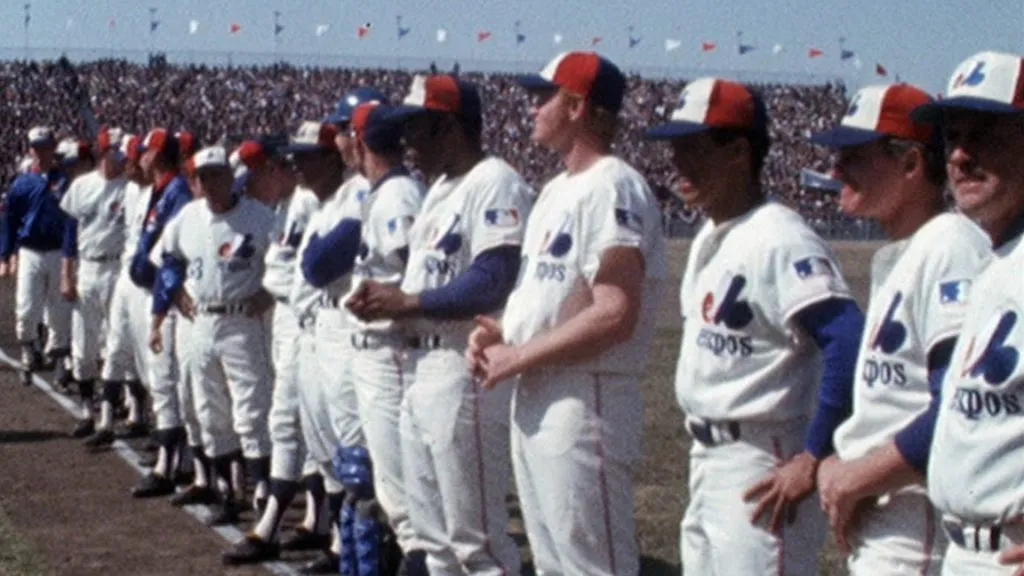
Montreal Expos (Source: CBC News)
The departure of the Montreal Expos marked the end of the first international chapter in MLB history. Despite developing Hall of Fame talent like Gary Carter, Andre Dawson, and Pedro Martínez, the franchise was plagued by financial struggles and the inability to secure a new ballpark to replace the immense, outdated Olympic Stadium.
After the devastating 1994 players’ strike, attendance never fully recovered, leading MLB to take control of the franchise in 2002. The Expos were relocated to Washington, D.C., where they were renamed the Nationals, restoring baseball to the capital city after a 33-year absence.
From Senators to Rangers: D.C.’s second heartbreak moves to Texas
Washington Senators (Source: MLB)
This was the second Washington Senators franchise to abandon D.C. (the first moved to Minnesota in 1961). The expansion team, created in 1961 to replace the original Senators, endured a decade of poor performance and financial losses.
Despite Hall of Famer Ted Williams briefly managing the club and achieving their only winning season in 1969, the ownership received permission to move the struggling team. The franchise relocated to the Dallas-Fort Worth area, where they were rebranded as the Texas Rangers.
The one-year wonder: How the Seattle Pilots became the Milwaukee Brewers
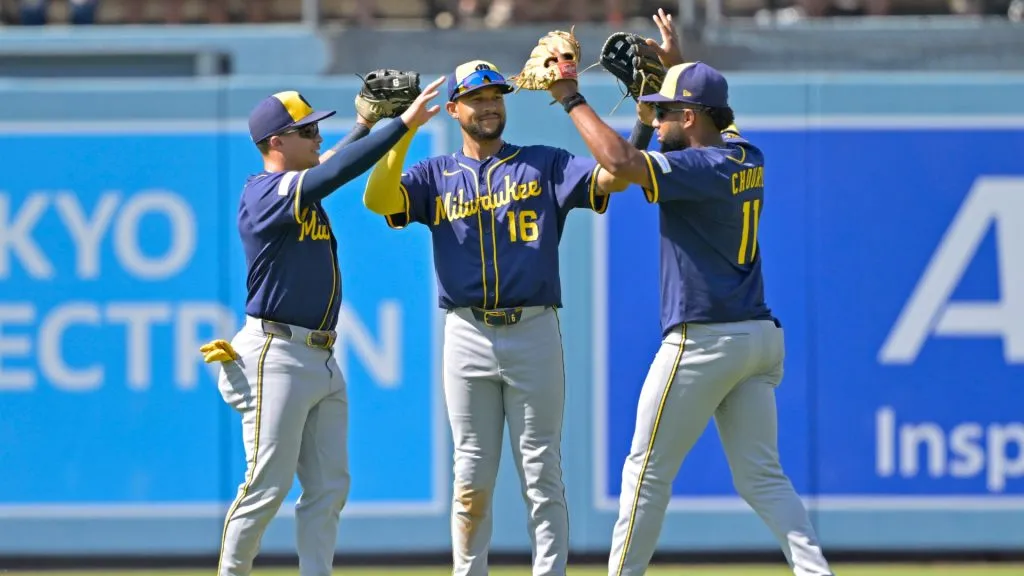
Milwaukee Brewers players (Source: Jayne Kamin-Oncea/Getty Images)
The Seattle Pilots hold the unique distinction of having the shortest lifespan of any modern expansion team: just one disastrous season in 1969. The team’s failure was immediate, due largely to financial struggles and a poorly conditioned, outdated home: Sicks’ Stadium.
Immortality, however, was secured by pitcher Jim Bouton in his groundbreaking, tell-all book, Ball Four. The bankrupt franchise was sold to a group led by Bud Selig and moved just days before the 1970 season to become the Milwaukee Brewers, restoring baseball to Milwaukee after the Braves left.
Finley’s folly: Why the Kansas City A’s fled to Oakland
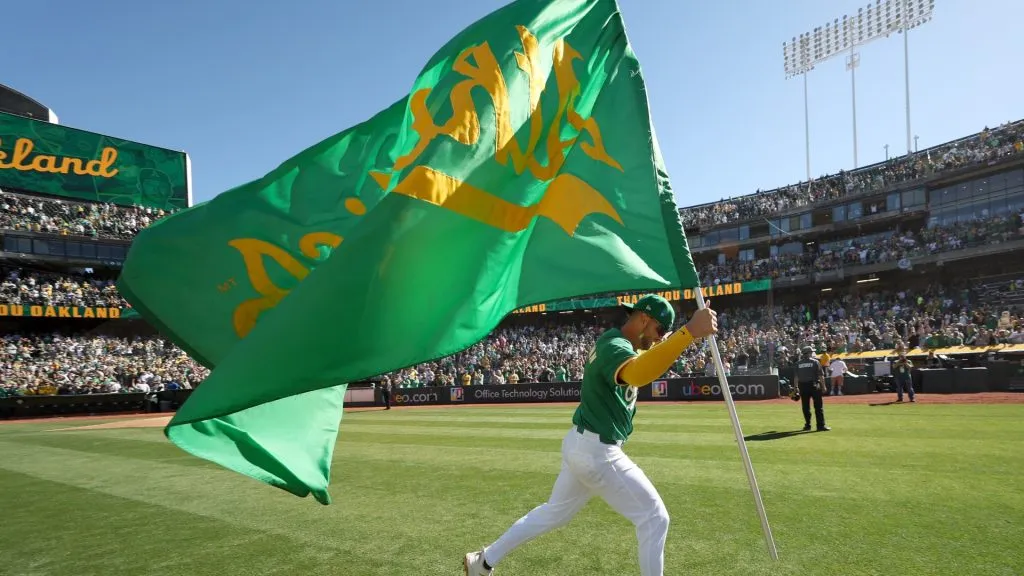
Max Schuemann #12 of the Oakland Athletics (Source: Ezra Shaw/Getty Images)
After relocating from Philadelphia, the Athletics spent 13 seasons in Kansas City without ever posting a winning record. The move to Oakland was engineered by owner Charlie Finley, who was frustrated with his lease and felt the city did little to support the team.
The relocation was fueled by the promise of higher radio and TV revenues and the new, modern Oakland Coliseum. The move cleared the way for the Kansas City Royals expansion team to begin play in 1969.
The southern shift: The Milwaukee Braves chase bigger money in Atlanta

Milwaukee Braves (Source: SABR.org)
The Braves‘ move from Milwaukee to Atlanta was a painful example of a team abandoning a successful market for purely financial reasons. After moving from Boston, the Braves were a smash hit in Milwaukee, winning a World Series and drawing 1.8 million fans in their first season.
However, by the mid-1960s, the ownership sought a larger TV market. Despite intense legal battles waged by Milwaukee officials, the National League ultimately approved the move to Atlanta, making the Braves the first major league professional sports team in the Deep South.
The Twins’ origin story: Washington D.C.’s first loss
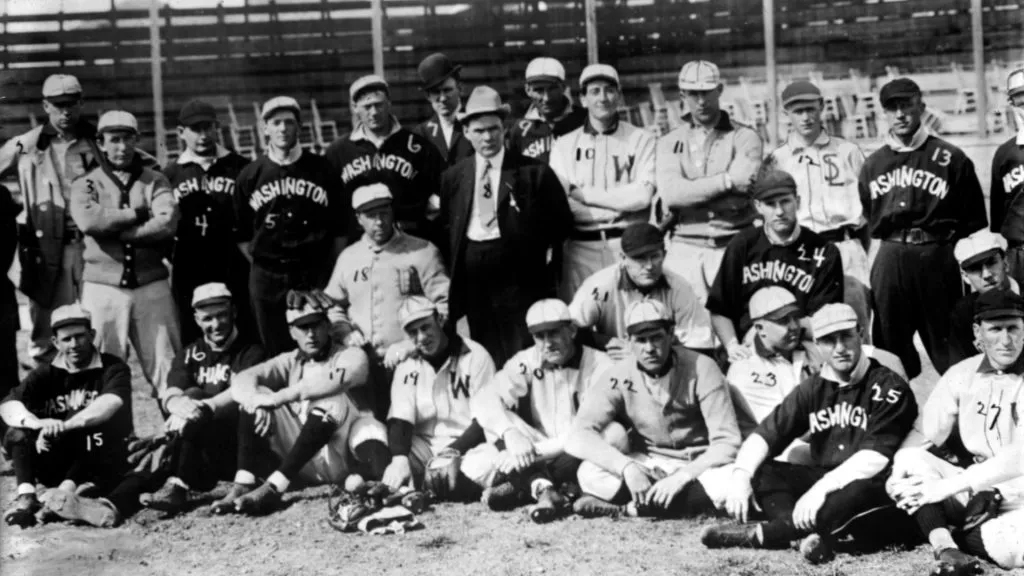
Washington Senators players (Source: Wikimedia Commons)
This marked the end of the original Washington Senators franchise, an American League charter member. Owner Calvin Griffith received permission to move the club to the Twin Cities on October 26, 1960. The team became the Minnesota Twins in 1961.
The move was driven by poor attendance and the owner’s desire to tap into a fresh, potentially more lucrative market, although it famously opened the door for D.C. to endure the failure of a second Senators team.
The great migration: Dodgers and Giants leave New York for California
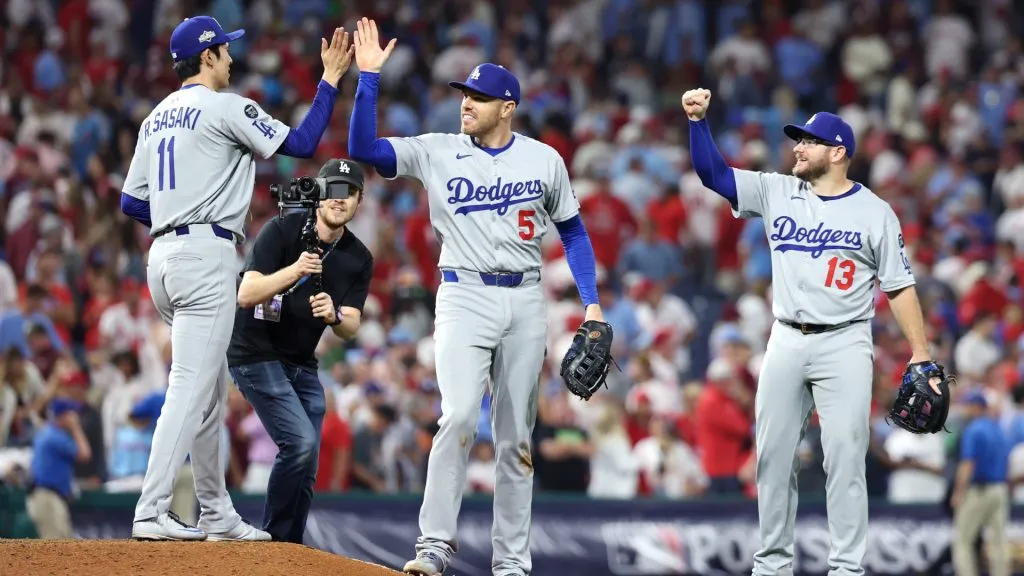
Los Angeles Dodgers (Source: Emilee Chinn/Getty Images)
This joint move shattered baseball’s long-standing East Coast geographical tradition. Dodgers owner Walter O’Malley was frustrated by the city’s refusal to build a modern stadium to replace Ebbets Field.
He persuaded Giants owner Horace Stoneham—who was also unhappy with the aging Polo Grounds—to move his club to San Francisco, allowing the legendary rivalry to continue on the West Coast. The relocations were met with fan outrage but were a massive financial success, initiating the geographical expansion of MLB.
The Connie Mack conundrum: Philly’s athletics depart for Kansas City
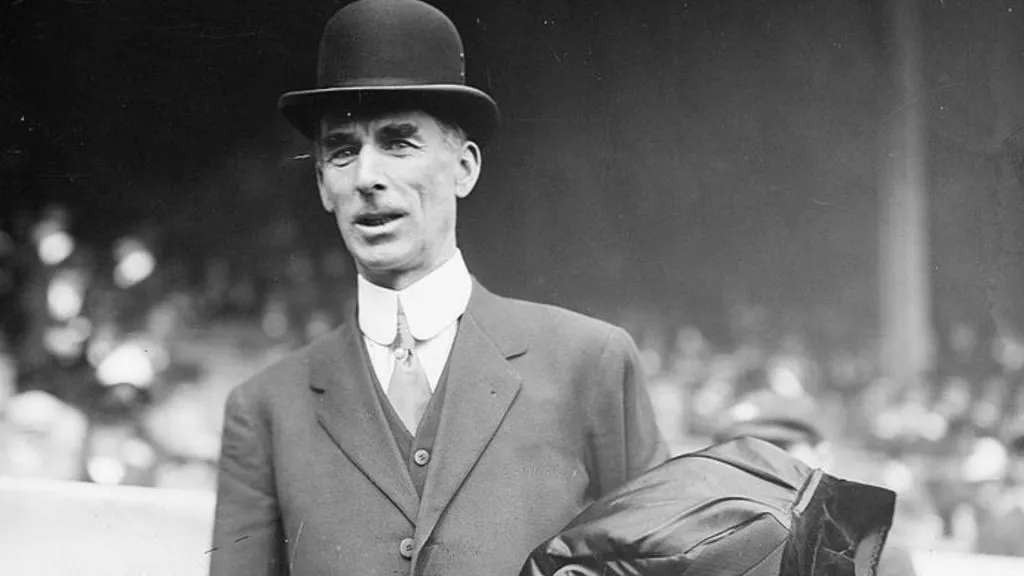
Connie Mack (Source: PhillyVoice)
The A’s relocation from Philadelphia was driven by dwindling attendance and deep financial instability caused by internal feuds within the Mack family ownership.
Despite a storied history that included five World Series titles, the team could not compete with the growing popularity of the Phillies. In 1954, owner Arnold Johnson purchased the franchise and moved it to Kansas City, continuing the post-war trend of moving teams out of two-team cities to tap into new markets.
From Brown to Bird: The St. Louis Browns reborn as the Baltimore Orioles
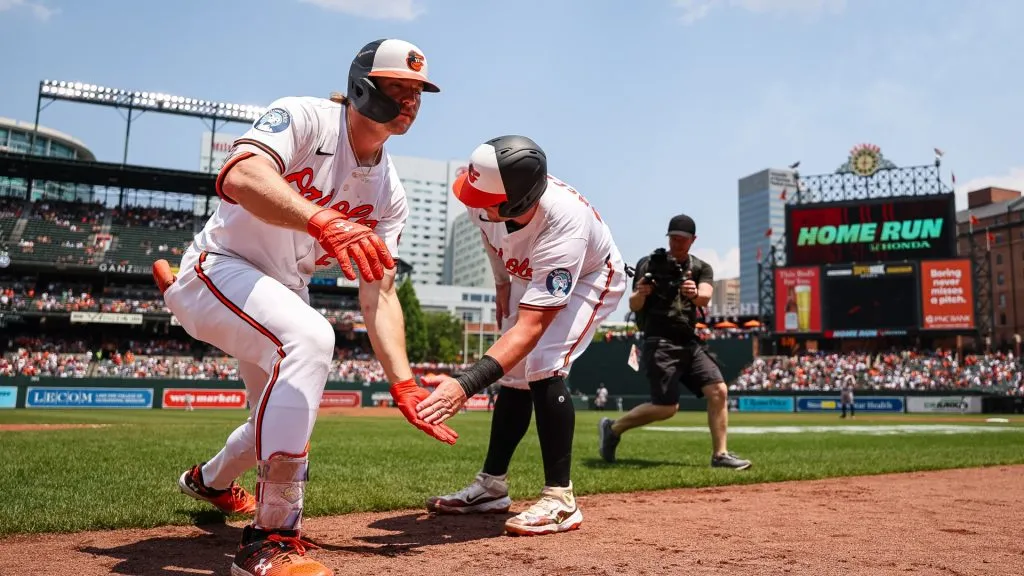
Baltimore Orioles players (Source: Scott Taetsch/Getty Images)
The Browns spent decades as the perennial weaklings of the American League, completely overshadowed by the successful Cardinals, despite sharing Sportsman’s Park. The team’s final season in St. Louis in 1953 saw their total attendance plummet, drawing only 3,174 fans to their final home game.
The American League approved the sale and relocation of the long-struggling franchise to Baltimore, where they were renamed the Baltimore Orioles in 1954, immediately garnering passionate support.
The move that shook baseball: Boston Braves head west to Milwaukee
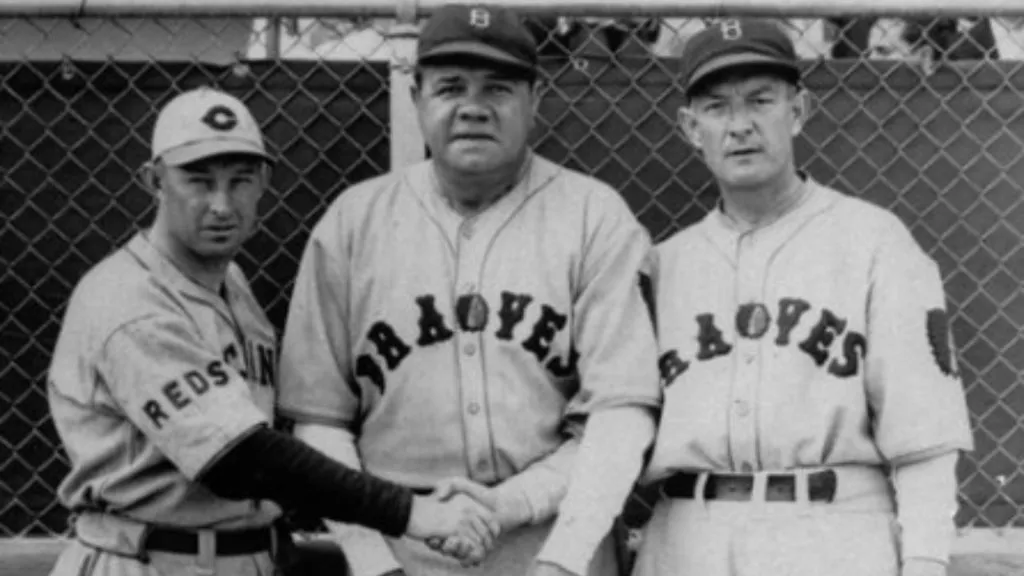
Boston Braves (Source: Baseball History Comes Alive)
This move dramatically broke a 50-year period of stability in Major League Baseball. Braves owner Lou Perini moved the franchise after it had consistently struggled with poor attendance in Boston, often drawing less than a third of the fans of the crosstown Red Sox.
The National League unanimously approved the relocation, and the subsequent attendance boom in Milwaukee—where the team drew 1.8 million fans in their first season—immediately validated the decision and set a precedent for the flurry of relocations that followed throughout the 1950s.
| Team | League | Seasons | Status | Reason for move/disbandment |
| Louisville Colonels | NL | 18 | Defunct | Contraction of National League |
| Baltimore Orioles | NL | 18 | Defunct | Contraction of National League |
| Cleveland Spiders | NL | 13 | Defunct | Contraction of National League |
| Washington Senators | NL | 9 | Defunct | Contraction of National League |
| Milwaukee Brewers | AL | 1 | Baltimore Orioles | Poor attendance |
| Baltimore Orioles | AL | 2 | Defunct | American League wanted a franchise in New York City |
| Indianapolis Hoosiers | FL | 1 | Defunct | Poor attendance |
| Kansas City Packers | FL | 2 | Defunct | Disbandment of Federal League |
| Chicago Whales | FL | 2 | Defunct | Disbandment of Federal League |
| Baltimore Terrapins | FL | 2 | Defunct | Disbandment of Federal League |
| St. Louis Terriers | FL | 2 | Defunct | Disbandment of Federal League |
| Brooklyn Tip-Tops | FL | 2 | Defunct | Disbandment of Federal League |
| Pittsburgh Rebels | FL | 2 | Defunct | Disbandment of Federal League |
| Buffalo Blues | FL | 2 | Defunct | Disbandment of Federal League |
| Newark Peppers | FL | 1 | Defunct | Disbandment of Federal League |
| Boston Braves | NL | 77 | Atlanta Braves | Poor attendance and competition with the Boston Red Sox |
| St. Louis Brown | AL | 52 | Baltimore Orioles | Poor attendance and competition with the St. Louis Cardinals |
| Philadelphia Athletics | AL | 54 | Athletics | Poor attendance and competition with the Philadelphia Phillies |
| New York Giants | NL | 75 | San Francisco Giants | Declining attendance and desire for a new ballpark |
| Brooklyn Dodgers | NL | 74 | Los Angeles Dodgers | Declining attendance and desire for a new ballpark |
| Washington Senators | AL | 60 | Minnesota Twins | Poor attendance and owner Calvin Griffith’s desire to have less black fans attending games |
| Milwaukee Braves | NL | 13 | Atlanta Braves | Declining attendance and the owner’s desire for a larger market |
| Kansas City Athletics | AL | 13 | Athletics | Poor attendance and the owner’s desire for a larger market |
| Seattle Pilots | AL | 1 | Milwaukee Brewers | Poor attendance and desire for a larger ballpark |
| Washington Senators | AL | 11 | Texas Rangers | Poor attendance |
| Montreal Expos | NL | 36 | Washington Nationals | Poor attendance and desire for a new ballpark |
| Oakland Athletics | AL | 57 | Athletics | Poor attendance and desire for a new ballpark |