Belgium’s 2026 FIFA World Cup roster is largely made up of players born and developed in the country, although it also includes cases like Amadou Onana, who was born in Senegal before representing Belgium internationally.
The current selection for the Belgium national team reflects a traditionally European development pipeline rather than a diaspora-heavy structure, even as modern World Cup squads across the globe become increasingly international.
Their current group continues to be shaped largely by players born and raised within the country’s three main regions—Flanders, Wallonia and Brussels—reflecting the structure of its domestic academies and federation system.
Who are the key players in Belgium’s 2026 World Cup roster?
Belgium’s 2026 FIFA World Cup roster is led by a core of established stars including Kevin De Bruyne, Romelu Lukaku and Thibaut Courtois, who remain the team’s main references heading into the tournament.
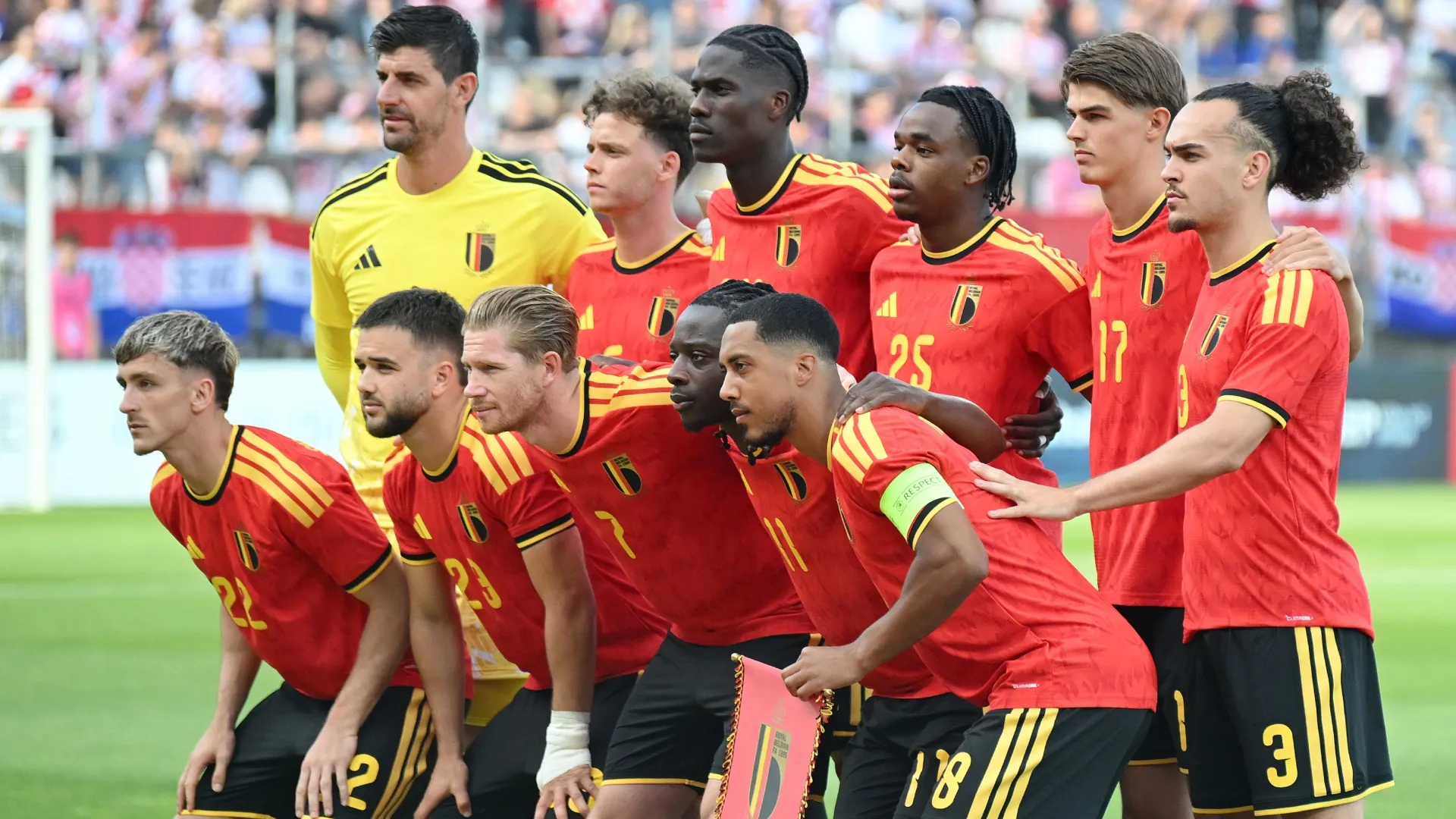
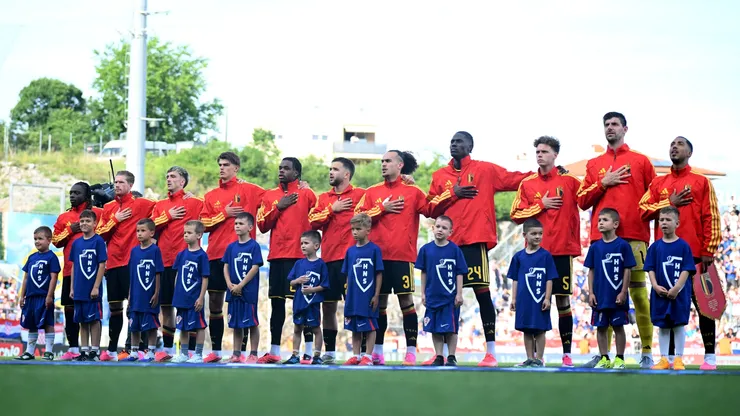
Players of Belgium pose for a team photograph prior to the international friendly match (Source: Jurij Kodrun/Getty Images)
The Belgium national football team continues to rely on this experienced “golden generation” core, supported by players such as Youri Tielemans, Amadou Onana, and Jeremy Doku, who bring a younger dynamic to the squad.
This mix of leadership and emerging talent is what Belgium hopes will finally push it beyond recent World Cup disappointments and into contention in the knockout stages of the 2026 tournament.
What are FIFA eligibility rules for the 2026 World Cup?
FIFA eligibility rules for the 2026 FIFA World Cup require players to hold the nationality of the country they represent and demonstrate a clear “genuine link” to that nation through birth, family heritage or long-term residency.
Under FIFA’s Regulations Governing the Application of the Statutes, a player can be eligible if they were born in the country, or if their biological parents or grandparents were born there, or if they have lived in that country for a minimum residency period (generally five years in adulthood).
Recent rule updates have also made the system more flexible, allowing certain players to switch associations under specific conditions if they meet eligibility criteria and have not exceeded competitive appearance limits.