
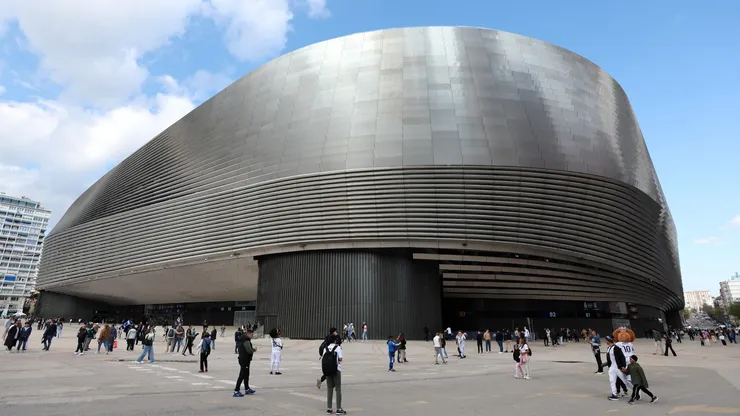
The race to host the 2030 FIFA World Cup final has become one of the biggest off-field storylines surrounding the centenary edition of the tournament. According to The New York Times, Spain and Morocco are battling for the honor of staging the biggest match in international soccer, with two iconic venues emerging as the main contenders.
While FIFA hasn’t officially announced the location of the final, the Santiago Bernabéu in Madrid and Morocco’s planned Hassan II Stadium near Casablanca are considered the strongest candidates. Both countries have presented different arguments as they seek to secure the centerpiece match of a historic World Cup.
The 2030 World Cup will be hosted primarily by Spain, Portugal and Morocco, while Argentina, Uruguay and Paraguay will each stage a centenary celebration match honoring the first tournament held in 1930. The final venue remains one of the major decisions still pending before the competition.
Santiago Bernabéu vs Hassan II Stadium: the battle for the 2030 final
Spain’s strongest candidate is Real Madrid’s Santiago Bernabéu, one of the most recognized stadiums in world soccer. The venue has undergone a major renovation in recent years, adding modern hospitality areas, upgraded facilities and a new design aimed at hosting global sporting events.
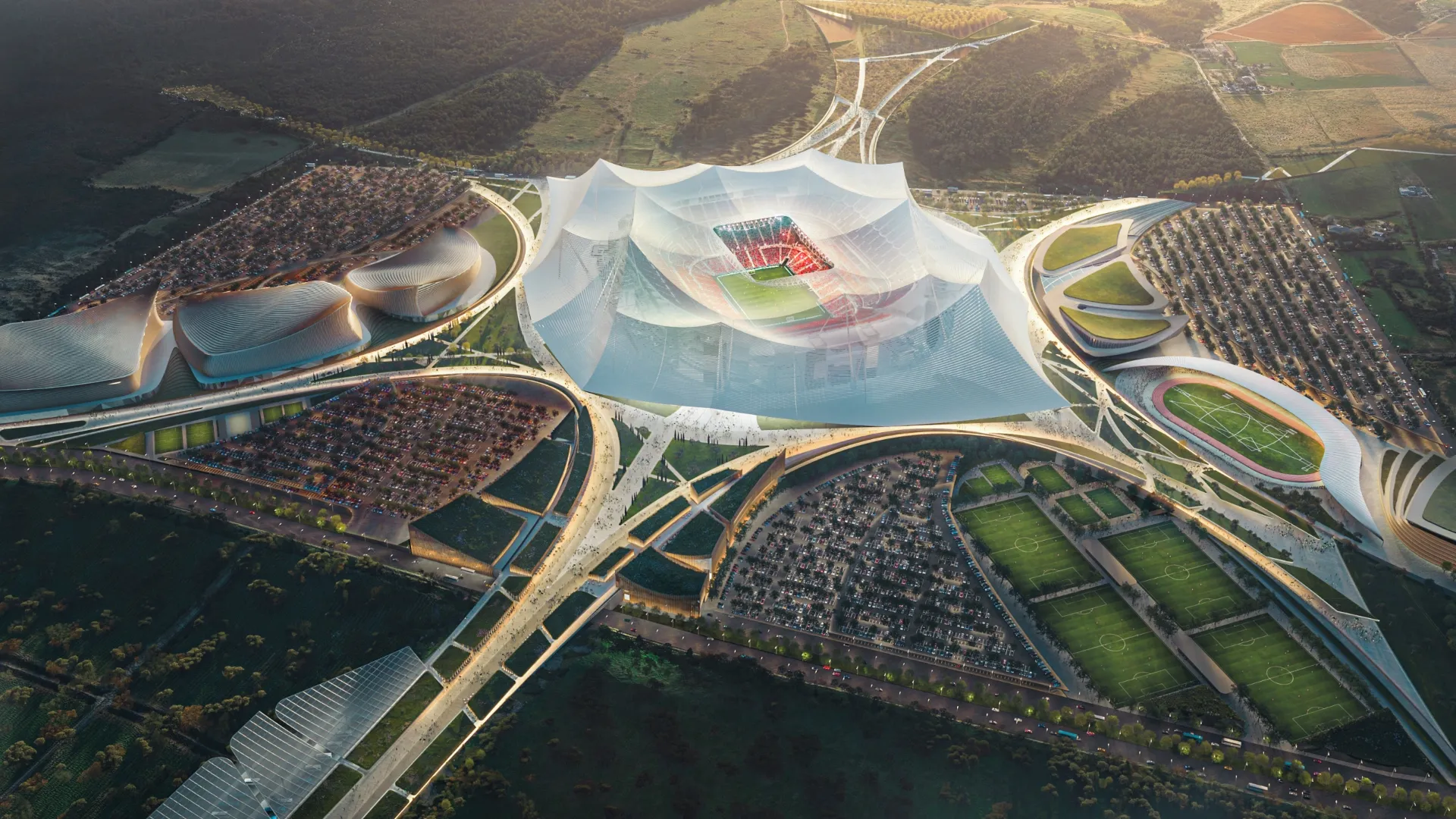
The projected 115,000‑seat Casablanca stadium, shown on August 20, 2024. Populous via Handout/Getty Images
The Spanish bid also has the advantage of history and experience. The Bernabéu previously hosted the 1982 FIFA World Cup final, when Italy defeated West Germany, and remains one of the most prestigious stadiums in European soccer.

However, Morocco have emerged as a serious challenger with an ambitious project. The country is building the Hassan II Stadium, a venue expected to hold around 115,000 spectators and become one of the largest soccer stadiums in the world.
Why Morocco believes Casablanca can host the final
Unlike existing venues, the project would offer FIFA a purpose-built stadium designed specifically for a major international event. Morocco also sees the 2030 final as an opportunity for Africa to host another World Cup showpiece. South Africa remains the only African nation to have staged a men’s World Cup, doing so in 2010.
Spain’s case: tradition, infrastructure and soccer power
The Spanish Football Federation has publicly expressed confidence that the final should be played in Spain, highlighting the country’s organizational experience and role as the largest football nation among the hosts. Spain’s argument centers around their ability to organize major events and the global importance of their soccer culture.
When will FIFA decide the 2030 World Cup final venue?
FIFA will have the final authority over the decision, and no official announcement has been made yet regarding the stadium that will host the championship match. The selection process is expected to involve discussions between FIFA, the host nations and the relevant soccer authorities
SurveyWhere should the 2030 FIFA World Cup final be played?
Where should the 2030 FIFA World Cup final be played?
ALREADY VOTED 0 PEOPLE
With the tournament marking 100 years since the first World Cup, the choice of venue will carry significant symbolic importance. Whether FIFA selects Spain or Morocco, the 2030 final will represent one of the most historic matches in the competition’s history.