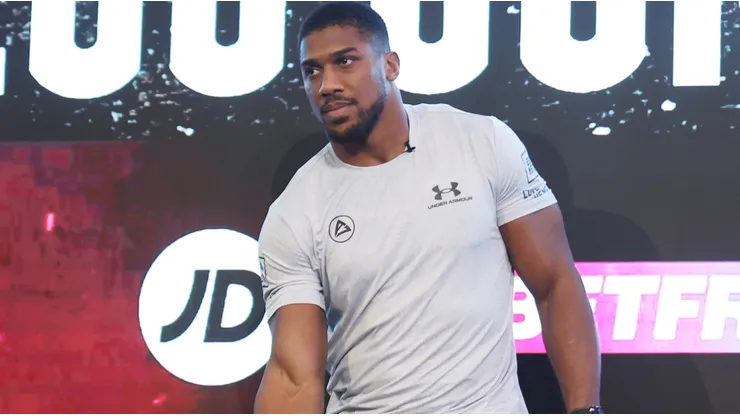
In the midst of the boxing world’s spotlight, Anthony Joshua has taken a stance on a pressing issue. The cancellation of Joshua’s rematch with Dillian Whyte due to “adverse analytical findings” raised questions about the prevalence of doping in boxing. As the Voluntary Anti-Doping Association (VADA) conducted the test, the incident underscores the necessity for greater vigilance.
Joshua’s scheduled opponent was replaced by Finnish boxer Robert Helenius, who accepted the challenge on short notice. This incident is just one of several involving prominent boxers in recent times. Amir Khan and Conor Benn also faced drug test failures in the past 18 months. With Tyson Fury, the current WBC heavyweight champion, among those who have encountered similar issues.
“Boxing is not an institution where you join a club and everything is presented to you,” Joshua emphasized. He expressed his concern that athletes train in local gyms and may be exposed to questionable practices. This observation sheds light on the need for proactive measures to address the doping issue.
Anthony Joshua Advocates for Targeted Anti-Doping Solutions
While discussing potential solutions, Joshua suggested that longer bans might not be the ultimate answer. He emphasized the importance of addressing the issue at its source rather than just extending penalties. He indicated that investment in rigorous testing is vital, as evidenced by the precautionary testing of Robert Helenius.
In response to Whyte’s situation, Joshua conveyed a mix of concern and understanding. “It doesn’t fill me with anger, no, but it’s not good,” he stated, underlining the broader consequences of such incidents. He acknowledged the complexities of finding a solution but expressed his commitment to safeguarding the sport’s integrity.
Joshua also shed light on the extensive drug-testing regimen he endures. “I get drug-tested all year round,” he revealed. He described the rigorous process of submitting his whereabouts quarterly, allowing testers to perform random checks. Despite his consistent compliance since 2011, Joshua questioned why some other boxers do not face the same level of scrutiny.