A flurry of punches, a staggering opponent, and suddenly it’s over. No count, no fall, just the referee waving his arms. In boxing, not all endings come with a dramatic knockout. Some are technical, but no less final.
While the classic KO often grabs the spotlight, its quieter sibling, the technical knockout, has shaped some of the sport’s most memorable finishes. The rules may differ by jurisdiction, but the implications are just as impactful—if not more.
Understanding the line between them reveals more than just regulatory nuance, it opens a window into how boxing prioritizes both spectacle and safety. And sometimes, what ends a fight isn’t the power of the punch, but the judgment in the ring.
What is a KO?
In the world of combat sports, few terms carry as much weight as “KO“. A knockout happens when a fighter is knocked to the ground by a strike and fails to get back on their feet before the referee counts to ten. It’s the most decisive and dramatic way to win a fight.
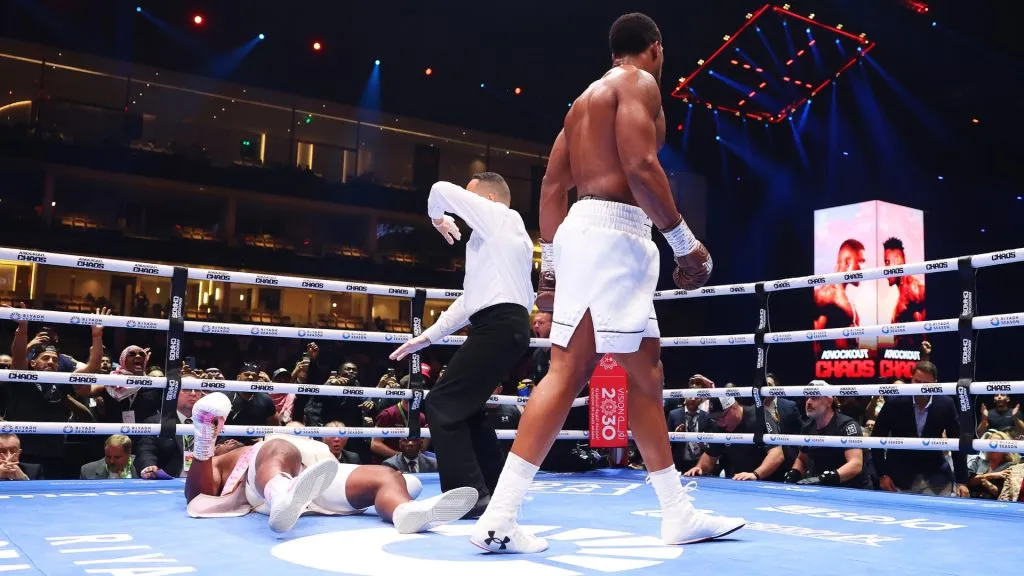
Francis Ngannou is knocked down for the third time as Referee Ricky Gonzalez stops the fight during the Heavyweight fight between Anthony Joshua and Francis Ngannou on the Knockout Chaos boxing card in 2024. (Source: Richard Pelham/Getty Images)
But a knockout isn’t just about falling. It’s about the inability to recover. The referee watches closely for signs of unconsciousness, disorientation, or lack of balance. If the fighter can’t stand and respond in time, the bout is over, no questions asked.
What is a TKO?
A technical knockout occurs when the referee stops the fight because one fighter can no longer defend themselves intelligently—even if they’re still standing. This can happen after a series of unanswered blows, a visible injury, or exhaustion that puts the fighter at risk.
TKOs don’t require a dramatic fall. In fact, many happen in the middle of the round when one fighter is clearly overwhelmed and absorbing too much damage. The referee, doctor, coach, or even the fighter can call for a stoppage. It’s a decision rooted in safety, not spectacle.
Referee role
The referee in boxing or MMA isn’t just there to make sure the rules are followed—they are the first line of defense for fighter safety. Constantly observing both athletes, the referee makes split-second decisions that can save careers, or even lives, according to the Association of Boxing Commissions and Combative Sports.
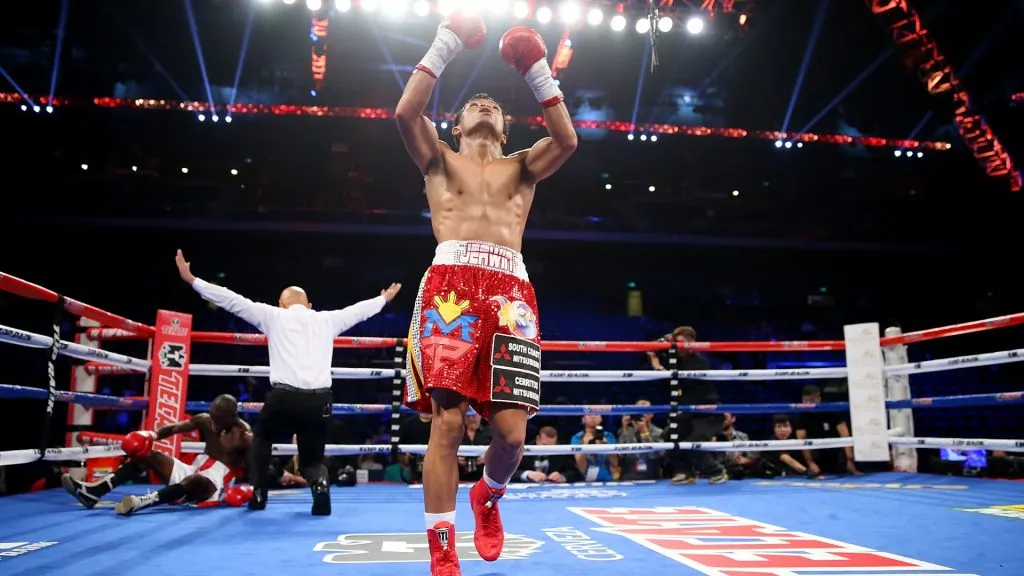
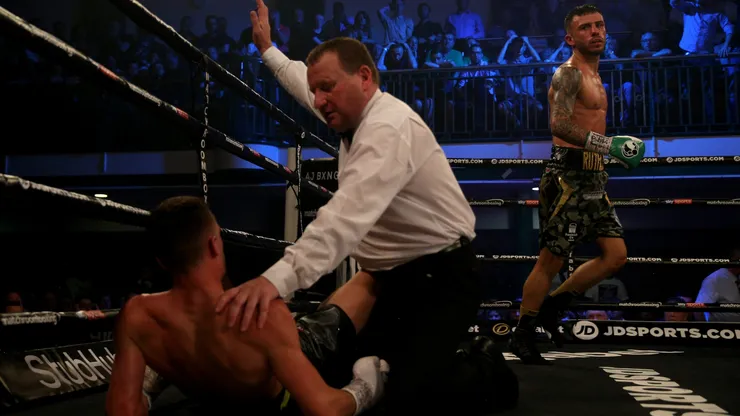
Jerwin Ancajas of the Philippines celebrates a knockout win against Fadhili Majiha of Tanzania during their bantamweight fight at The Venetian on November 23, 2014. (Source: Getty Images)
They can call knockouts, count downs, stop illegal moves, issue warnings, and intervene whenever they sense danger. If a fighter shows signs of distress, it’s the referee who brings in the ringside physician for a medical check. Their judgment can end a fight in an instant if necessary.
Medical stoppages
A medical stoppage happens when the ringside doctor steps in and determines that a fighter is unfit to continue—whether due to a deep cut, impaired vision, excessive bleeding, or any signs of neurological distress.
Usually called upon by the referee, the doctor examines the fighter between rounds or during a pause. If the risk is too high, they advise the official to call off the match. While some fans might see it as anticlimactic, medical stoppages are a vital part of modern combat sports. They put fighter health far above entertainment.