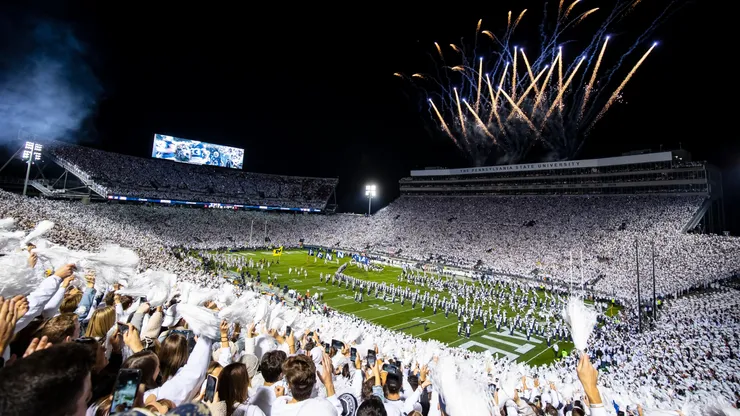
Beneath the stadium lights, college football becomes more than a game—it’s a theater of rituals. From pre-game parades to post-game songs, traditions shape the sport’s identity across generations.
Some customs are loud and electrifying, others quietly symbolic. Each one, however, carries a story of pride, community and continuity that makes Saturdays feel unlike any other day in American sports.
Whether born from campus folklore or decades of repetition, these traditions endure. They bind players, students and fans together, creating living testaments to passion that no scoreboard can measure.
Notre Dame – “Play Like a Champion Today”
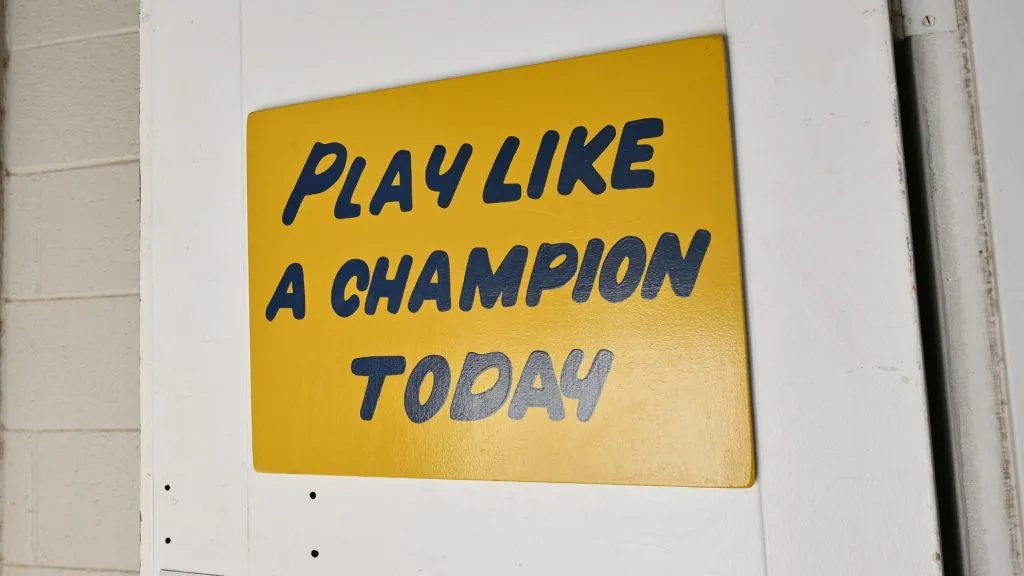
A sign with “Play Like A Champion Today” painted on it is display outside of the Notre Dame locker room. (Source: Sam Wasson/Getty Images)
Few college football images are more iconic than the gold helmet tap on Notre Dame’s “Play Like a Champion Today” sign. The tradition began in 1986 when head coach Lou Holtz had the sign placed at the exit of the tunnel, urging his players to internalize the program’s lofty standard. Before every home game at Notre Dame Stadium, athletes stretch out their hands to slap the sign, linking themselves with the generations of champions who came before.
Virginia Tech – “Enter Sandman”
In Blacksburg, the atmosphere before kickoff is unlike anywhere else. Since 2000, Virginia Tech has entered Lane Stadium to Metallica’s Enter Sandman, and the effect is spine-tingling. More than 65,000 Hokies fans leap in unison as the ground shakes, creating one of the most intimidating entrances in all of college sports. Even visiting players have admitted it gives them goosebumps before the ball is ever snapped.
Penn State – The white out
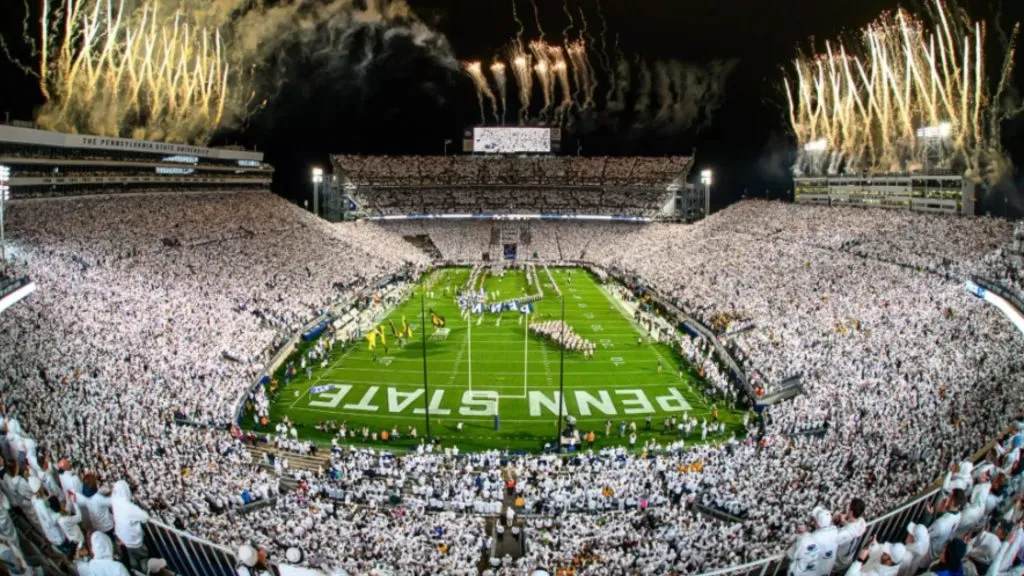
Penn State’s white out (Source: Penn State Athletics)
What started as a one-time idea in 2004 quickly became one of the sport’s defining spectacles. During Penn State’s annual White Out, Beaver Stadium becomes a blinding sea of white shirts, towels, and pom-poms as over 100,000 fans transform the venue into a snowstorm of intimidation. The White Out is usually reserved for the program’s biggest home matchup of the year, and it’s widely considered one of the hardest environments for visiting teams.
Wisconsin – “Jump Around”
At Camp Randall Stadium, the third quarter always ends with controlled chaos. Since 1998, Wisconsin has blasted House of Pain’s Jump Around over the loudspeakers, and the effect is a synchronized stadium earthquake. Students, alumni, and even players on the sideline bounce to the beat, turning the game into a party and giving the Badgers a surge of energy heading into the final quarter.
Ohio State – Script Ohio and dotting the “i”
No marching band tradition is as revered as Ohio State’s Script Ohio. First performed in 1936, the Ohio State Marching Band spells out the school’s name in flowing script across the field. The climax comes when a sousaphone player ceremonially “dots the i,” a moment of pure pageantry that is greeted with thunderous applause. Being chosen as the “i-dotter” is a once-in-a-lifetime honor.
Oklahoma – The sooner schooner
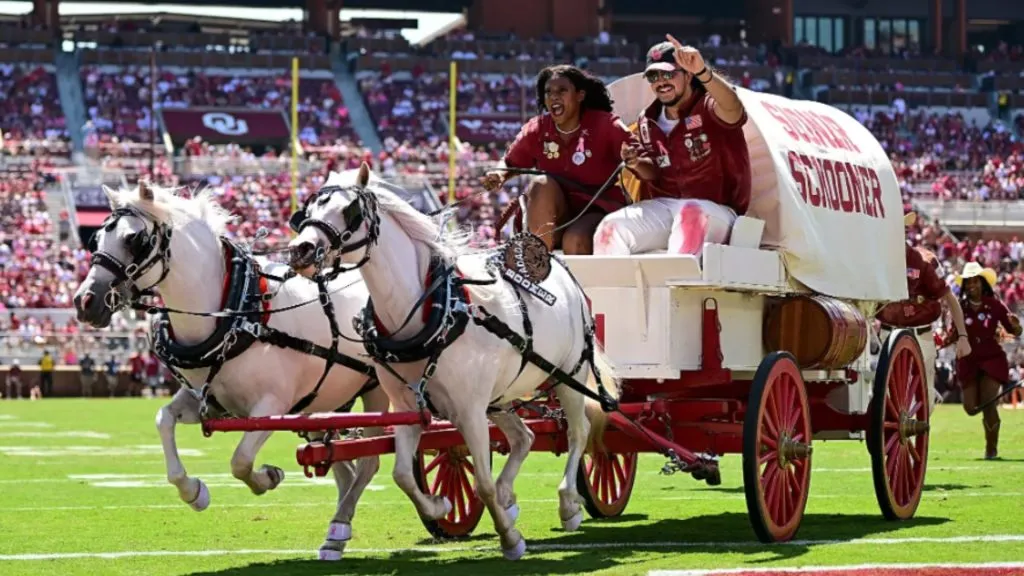
Oklahoma’s sooner schooner (Source: Sooner Sports)
Powered by ponies named Boomer and Sooner, the Sooner Schooner is a replica of the Conestoga wagons used by settlers in Oklahoma’s Land Run. After every touchdown in Norman, the wagon makes a victory lap around the field, bringing the program’s frontier roots to life. Fans cheer wildly as the schooner kicks up dirt—a symbol of the Sooners’ pioneering spirit.
Texas A&M – Midnight yell practice
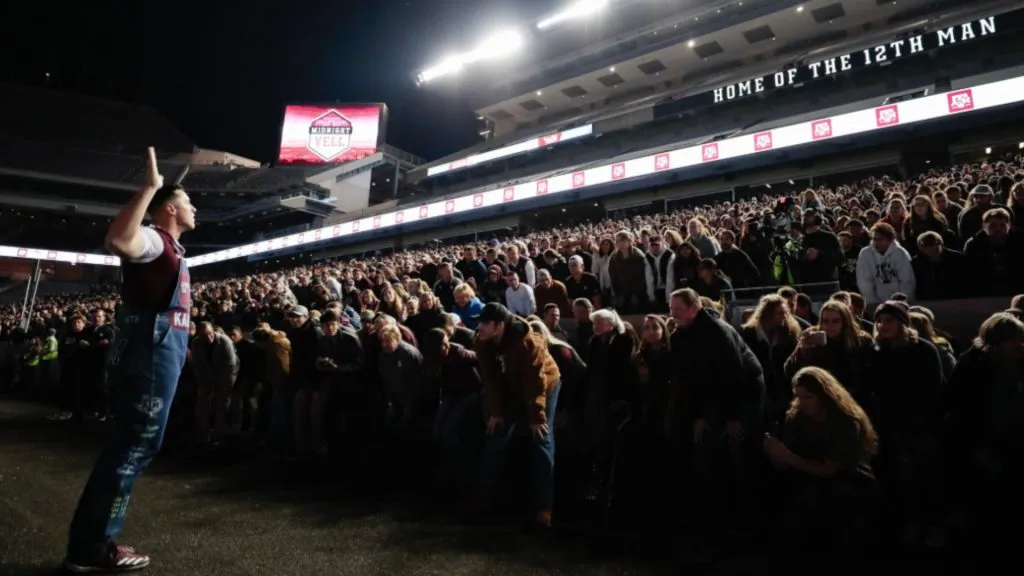
Texas A&M’s midnight yell practice (Source: Student Affairs – TAMU – Texas A&M University)
At Texas A&M, game day starts long before kickoff. Thousands of Aggies pack into Kyle Field at midnight before every home game for the Midnight Yell Practice. Instead of cheerleaders, Texas A&M has “yell leaders” who guide the crowd through songs, chants, and stories. The event builds unity among students and alumni while ensuring the 12th Man is at full volume the next day.
Colorado – Ralphie’s run
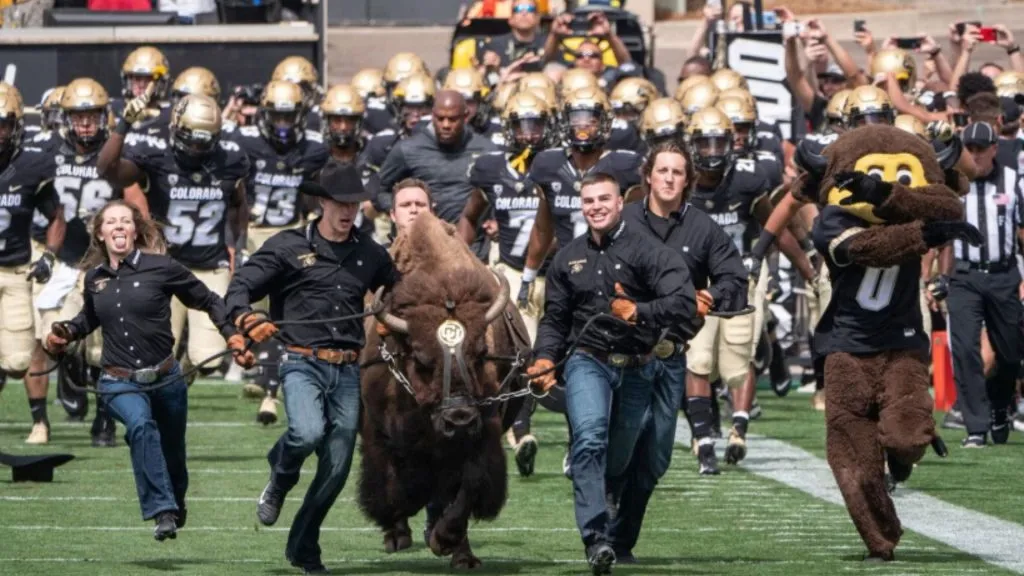
Ralphie’s run (Source: University of Colorado Boulder)
Perhaps no entrance in football is more breathtaking than Ralphie’s Run. Before kickoff in Boulder, handlers guide a live buffalo named Ralphie around the field at full sprint, leading the team out of the tunnel. The sheer size and speed of the animal, paired with the roar of Folsom Field, creates a uniquely Colorado spectacle that symbolizes the wild energy of the Buffaloes.
Iowa – The hawkeye wave
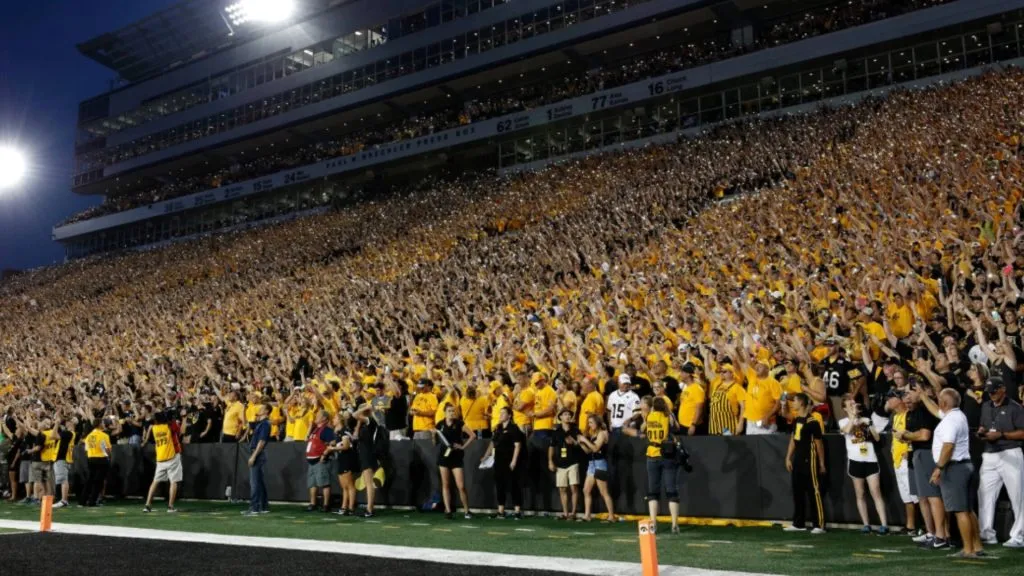
The hawkeye wave (Source: Iowa Hawkeyes)
Introduced in 2017, the Hawkeye Wave quickly became one of the sport’s most touching traditions. At the end of the first quarter in Kinnick Stadium, the entire crowd turns to wave at the children watching from the top floors of the University of Iowa Stead Family Children’s Hospital, which overlooks the field. Players and referees join in, creating a moment of connection that transcends the game.
West Virginia – “Take Me Home, Country Roads”
When the Mountaineers secure a victory, the stadium transforms into a sing-along. Since the 1970s, John Denver’s Take Me Home, Country Roads has been the anthem of West Virginia football. Players, arm in arm with fans, belt out the chorus as a celebration of state pride. The tradition embodies the bond between team and community in Morgantown.
Alabama – “Rammer Jammer” cheer
In Tuscaloosa, winning is expected, and so is the celebration that follows. As the Crimson Tide close in on victory, the crowd roars with the “Rammer Jammer” cheer: “Hey [opponent], we just beat the hell out of you!” Once considered too brash, it has become a staple of Bryant-Denny Stadium, a boastful exclamation mark on Alabama dominance.
Florida – “Two Bits” cheer
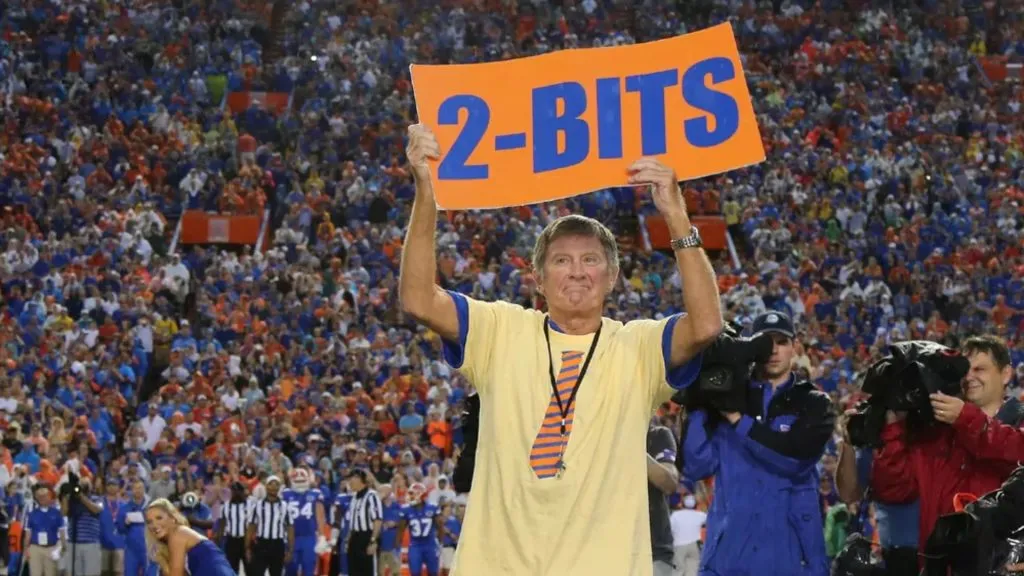
Florida’s Two Bits cheer (Source: Florida Gators)
For decades, George Edmondson Jr., better known as “Mr. Two Bits,” led Florida fans in a pregame cheer that became synonymous with Gator football. Starting in 1949, he would appear in the stands wearing his trademark yellow shirt and orange-and-blue tie, shouting: “Two bits, four bits, six bits, a dollar, all for the Gators, stand up and holler!” Today, a selected alumnus or celebrity carries on the ritual, keeping Mr. Two Bits’ spirit alive.
LSU – Night in Death Valley
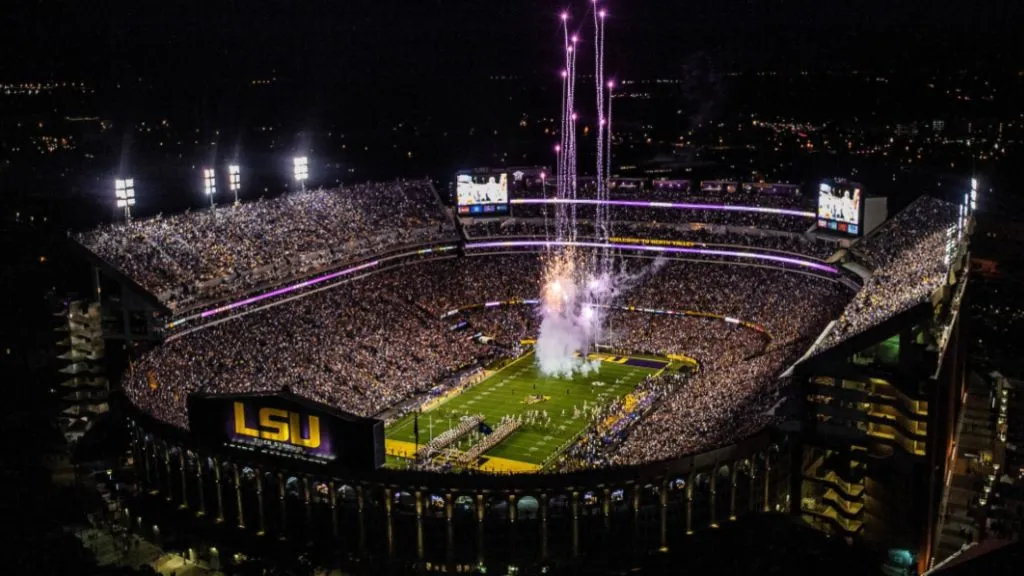
LSU’s night in Death Valley (Source: LSU Sports)
Tiger Stadium at night is one of the most intimidating venues in sports. Before every Saturday night kickoff, a booming announcement declares: “It is Saturday night in Death Valley!” The proclamation electrifies the 100,000 fans in Baton Rouge, where the noise levels regularly register on seismographs. Night games at LSU are the stuff of legend.
Army-Navy – Alma maters
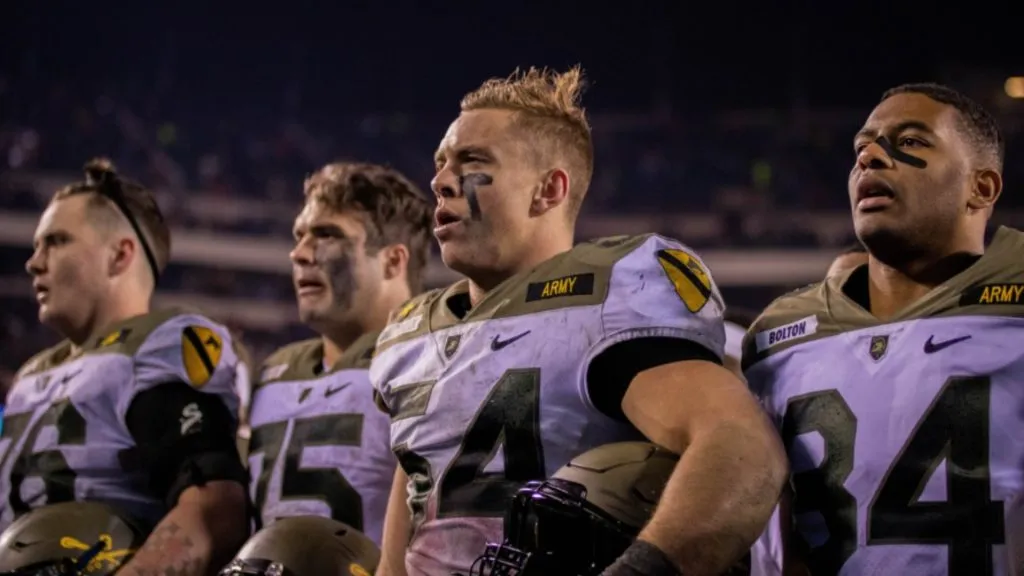
Army-Navy (Source: U.S. Army)
Few traditions embody sportsmanship like the postgame ritual at the Army-Navy Game. No matter who wins, both teams gather in front of the cadets and midshipmen to sing each school’s alma mater. The losing team sings first, followed by the victors, creating a poignant reminder that they are all serving a higher cause beyond football.
Michigan – The big house banner
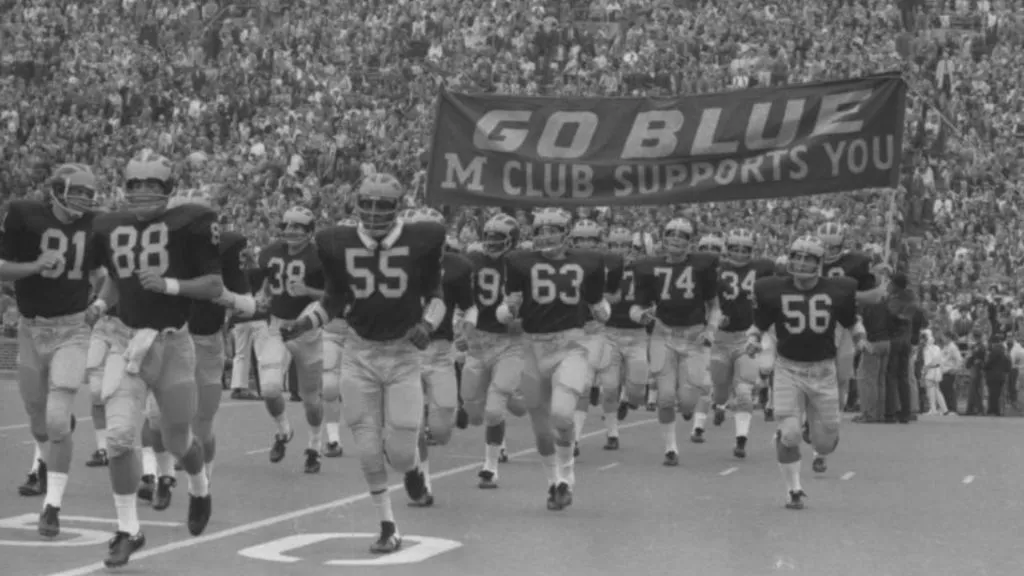
Michigan’s Go Blue banner (Source: MVictors)
The Wolverines’ entrance into Michigan Stadium is punctuated by one of college football’s most enduring visuals: players leaping to touch the maize-and-blue banner that reads “Go Blue”. First introduced in 1962, the banner has come to represent unity, pride, and the legacy of one of the sport’s most storied programs.
Clemson – Howard’s rock and the hill run
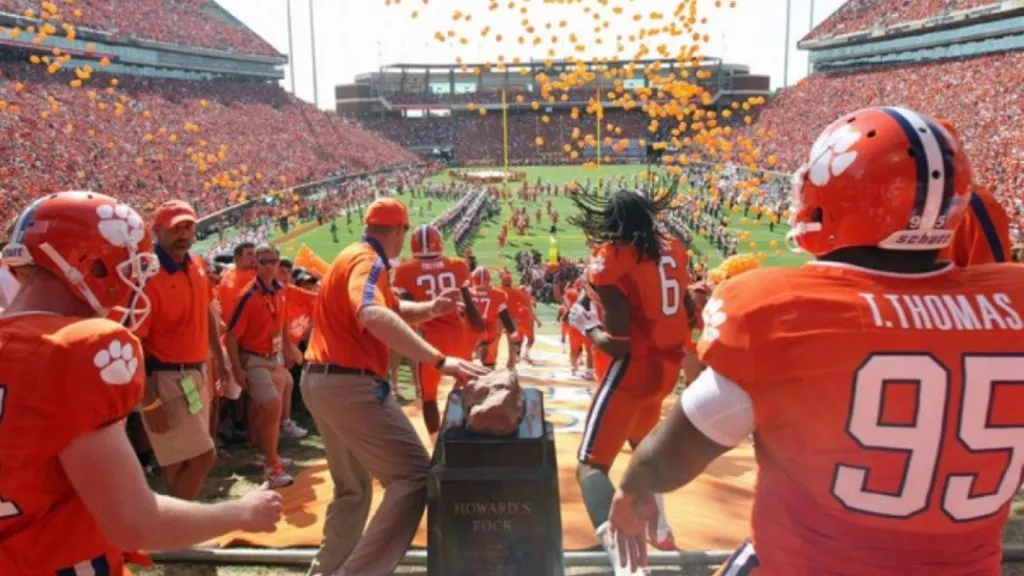
Howard’s rock (Source: Clemson Tigers)
At Clemson, players gather atop the east end zone hill, where they rub Howard’s Rock—a gift from a former coach—before charging down the steep hill into Memorial Stadium. Known as “the most exciting 25 seconds in college football,” the ritual fuses superstition, spectacle, and adrenaline in a way that no other entrance can match.
Georgia – Uga the bulldog
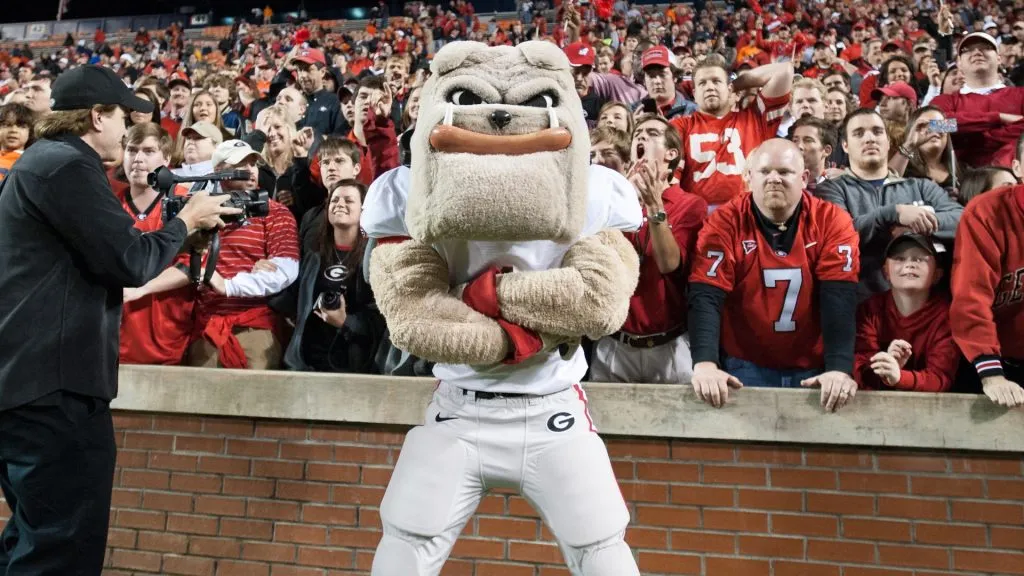
Georgia’s mascot poses in front of Georgia Bulldog fans after their game. (Source: Michael Chang/Getty Images)
Since 1956, Georgia’s beloved live mascot, Uga, has patrolled the sidelines in Athens. The white English bulldog, always dressed in a red jersey, has become one of the most recognizable mascots in college sports. Each Uga descends from the same lineage, cementing the tradition as a family legacy and a centerpiece of Bulldog pride.
Tennessee – Vol navy
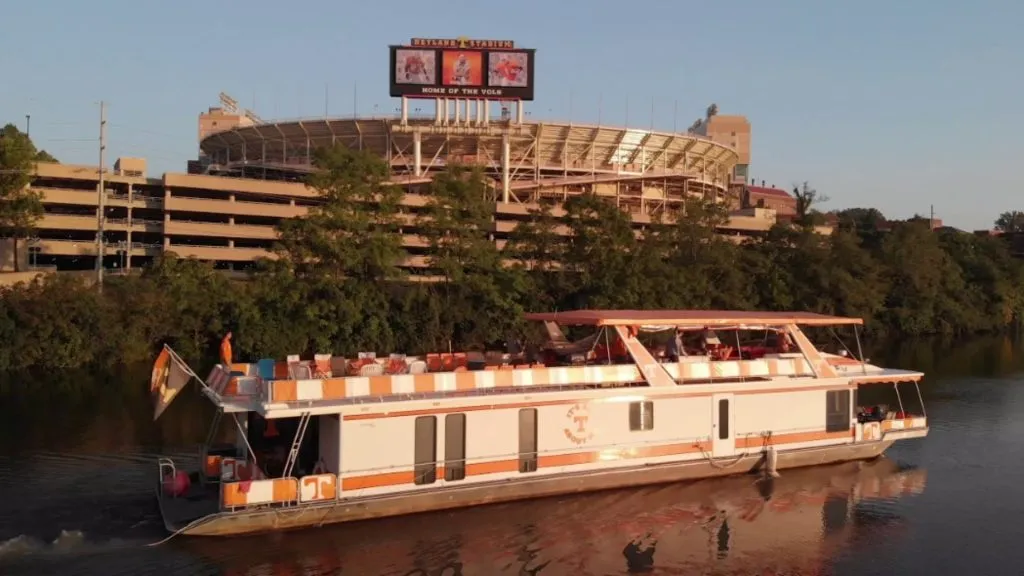
Vol navy in Tennessee (Source: Tennessee Athletics)
On fall Saturdays, the Tennessee River becomes an orange flotilla. Hundreds of boats, from fishing skiffs to luxury yachts, dock outside Neyland Stadium as part of the Vol Navy tradition. Fans tailgate on the water, then head inside to cheer on the Volunteers, making Knoxville one of the most unique game-day destinations in the country.
South Carolina – “2001: A Space Odyssey” entrance
Since 1983, South Carolina’s entrance has been set to the soaring notes of Also Sprach Zarathustra, better known as the theme from 2001: A Space Odyssey. The music builds as players storm the field, sending shivers down spines in Williams-Brice Stadium. It’s theatrical, dramatic, and distinctly South Carolina.
USC – Traveler and Tommy trojan
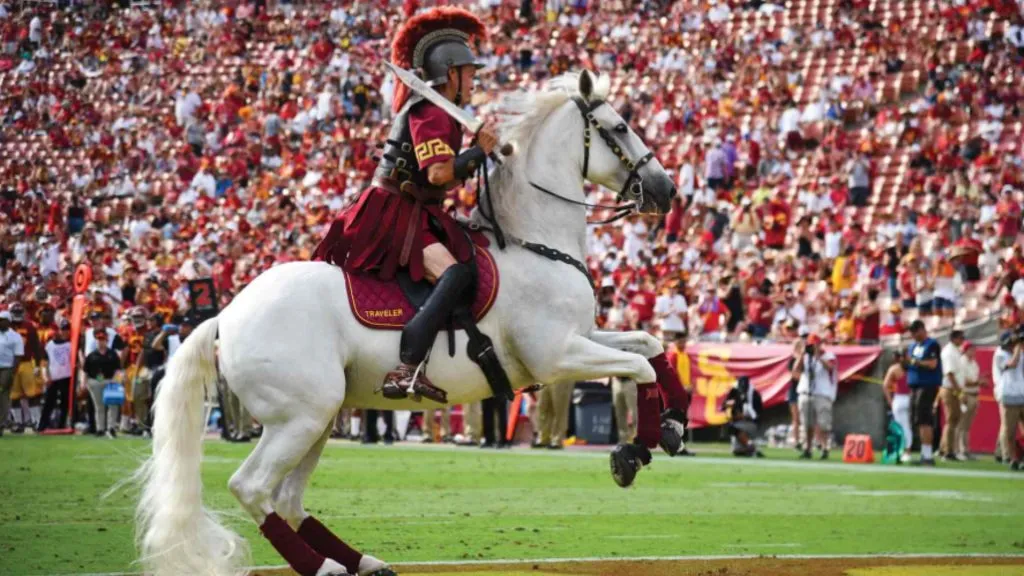
Traveler and Tommy trojan (Source: USC Today – University of Southern Califoria)
Few spectacles rival the sight of USC’s majestic white horse, Traveler, galloping across the Los Angeles Memorial Coliseum. Ridden by a costumed figure representing Tommy Trojan, Traveler charges onto the field before kickoff and after every touchdown. The display links modern-day USC with its Trojan warrior identity.
Nebraska – Tunnel walk
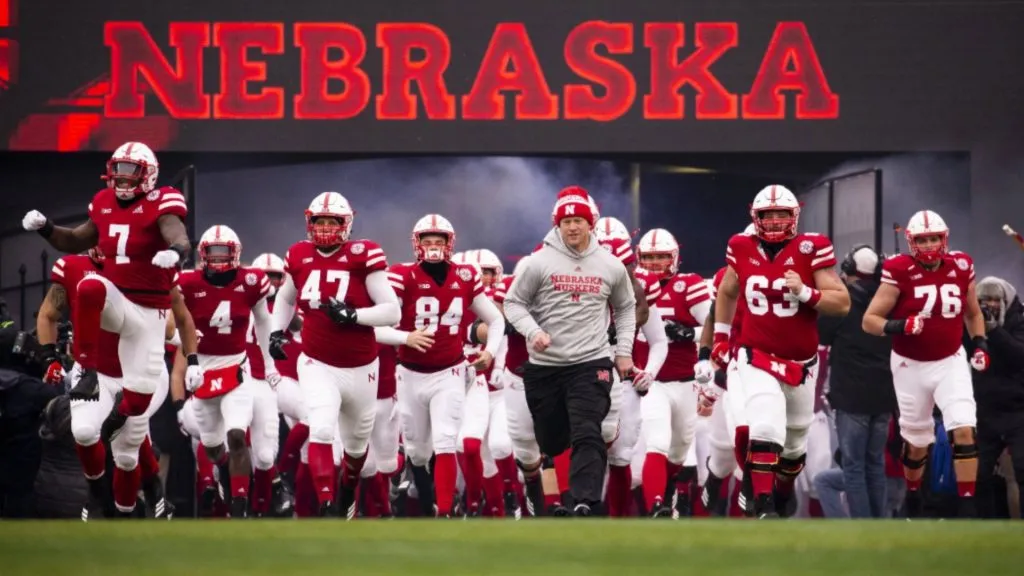
Nebraska’s tunnel walk (Source: Huskers)
At Memorial Stadium in Lincoln, anticipation builds as the Cornhuskers prepare to take the field. Since 1994, Nebraska has entered through the Tunnel Walk, accompanied by a thundering soundtrack and video montage. Fans press against the glass to watch their team emerge, creating one of the most spine-tingling moments in the sport.
Ole Miss – The Grove
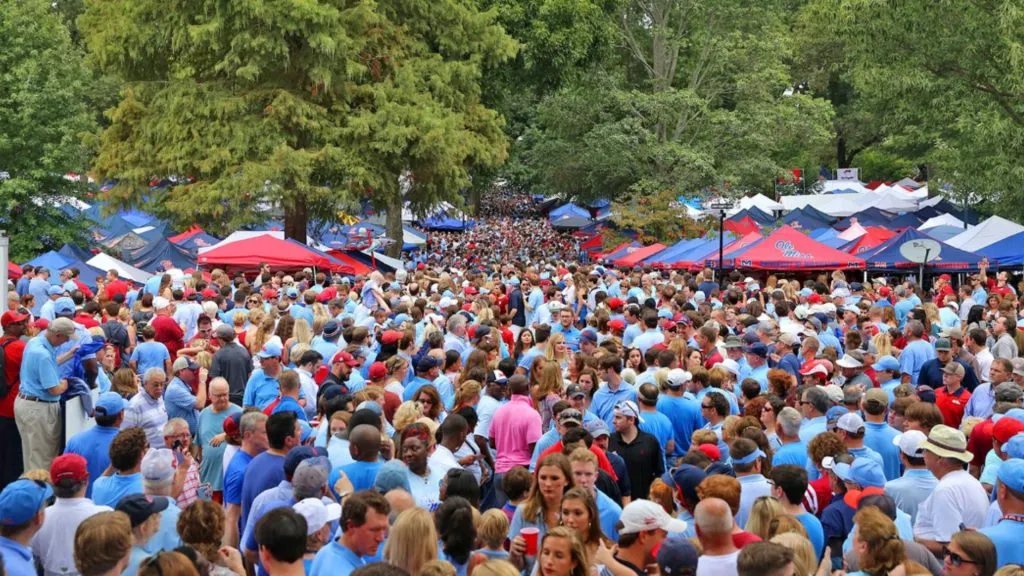
The Grove (Source: Ole Miss Athletics)
Game day in Oxford begins not in the stadium but in The Grove, a 10-acre shaded park on campus. For decades, Ole Miss fans have set up elaborate tailgate spreads with chandeliers, silverware, and Southern hospitality. The Grove is less about rowdiness and more about pageantry, making it the most famous tailgating tradition in America.
Auburn – Toomer’s corner
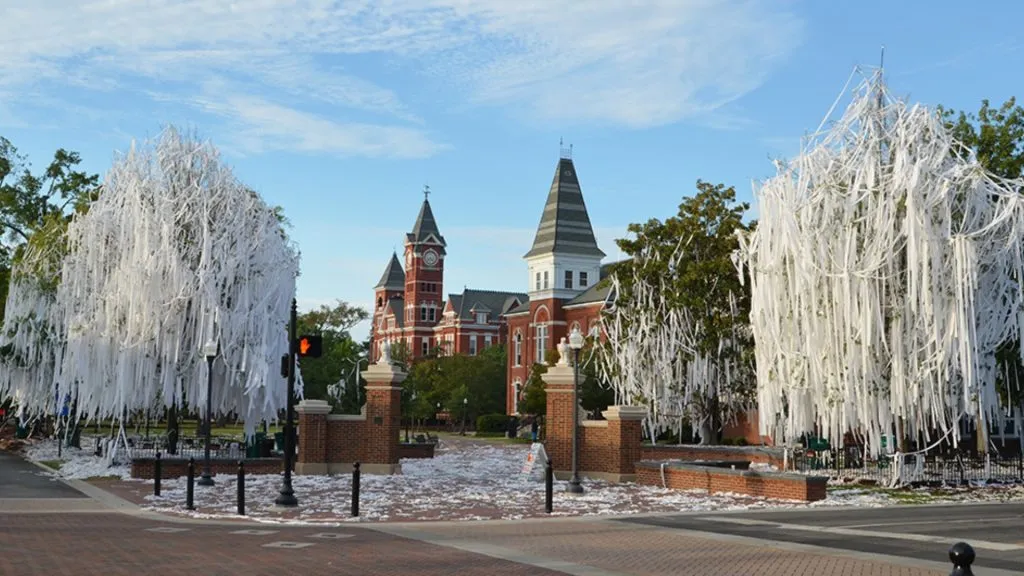
Toomer’s corner in Auburn (Source: On The Lawn – Auburn University)
Whenever Auburn wins, fans flock to the intersection of College Street and Magnolia Avenue, better known as Toomer’s Corner. They roll the oak trees with streams of toilet paper, turning the area into a white forest of celebration. It’s a quirky but beloved ritual that survived even after the original oaks were poisoned in 2010 and later replanted.
Florida State – Chief Osceola and Renegade
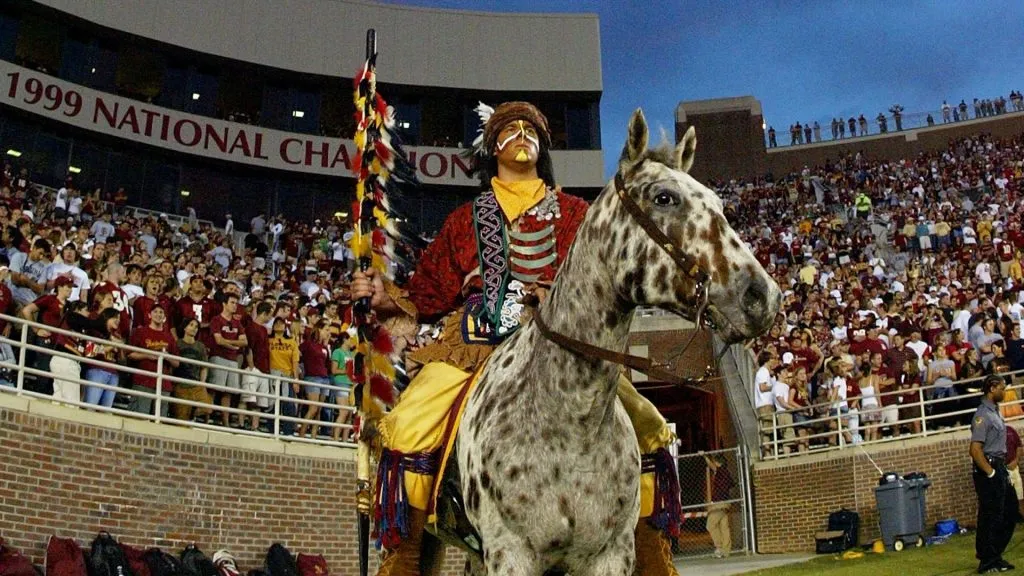
Chief Osceola and his horse Renagade wait on the field in 2005. (Source: Doug Benc/Getty Images)
Before every game in Tallahassee, a student dressed as the Seminole warrior Osceola rides a horse named Renegade to midfield. With thousands watching, he thrusts a flaming spear into the turf, igniting the crowd. The ritual, created in 1978 with the blessing of the Seminole Tribe of Florida, is one of the sport’s most dramatic pregame moments.
Arkansas – “Woo Pig Sooie”
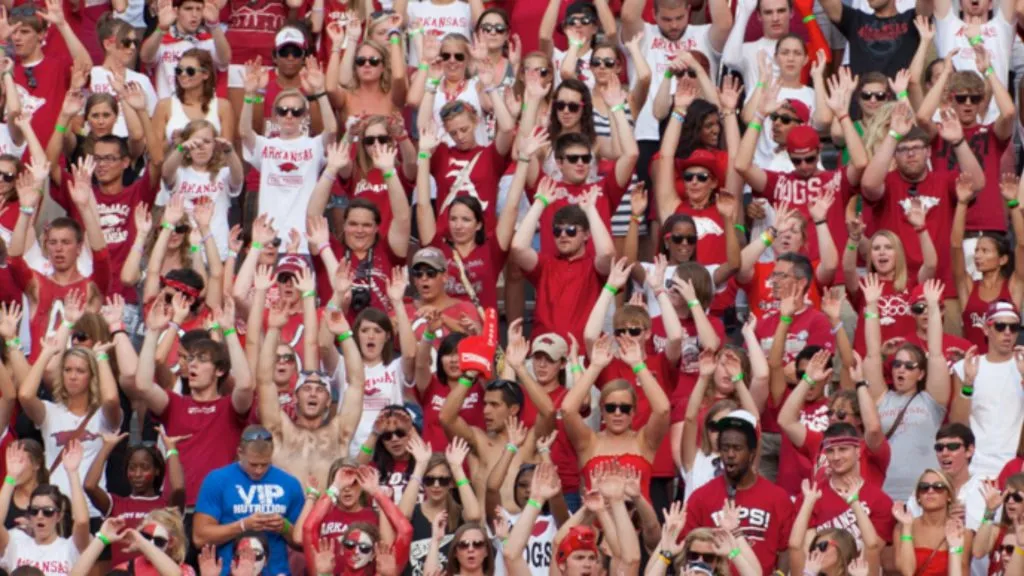
Arkansas fans (Source: University of Arkansas)
The Razorbacks’ battle cry is unlike any other in college football. At Donald W. Reynolds Razorback Stadium, fans chant “Woo Pig Sooie!” in unison, raising their arms in a wave before bringing them down with the final “Sooie.” It’s a sound that can only mean Arkansas football, echoing across the Ozarks on fall Saturdays.