The Minnesota Twins and Philadelphia Phillies will wear specially designed throwback uniforms for the 2026 MLB Field of Dreams Game, leaning into the history that makes the Dyersville event so distinctive. Around 8,000 fans are expected to attend today’s Field of Dreams Game.
The matchup on August 13 will feature both clubs in looks inspired by earlier eras of their respective franchises. For a game built around baseball nostalgia, the uniforms add another historical layer to the setting.
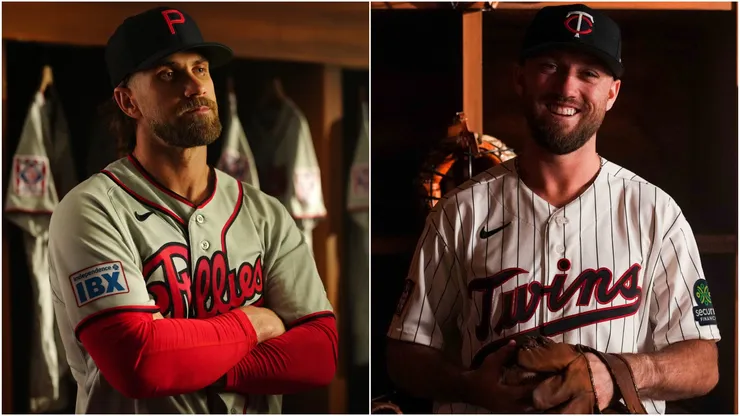
The Phillies will wear gray road uniforms based on their 1939-41 designs, while the Twins will bring back a white pinstriped look inspired by their original uniforms from the 1960s. The retro details extend beyond the jerseys.
Why are the Twins and Phillies wearing throwback uniforms?
The Twins and Phillies are wearing throwback uniforms to match the historical spirit of the Field of Dreams Game and connect the matchup with earlier eras of baseball. MLB selected retro designs for both clubs as part of the event.
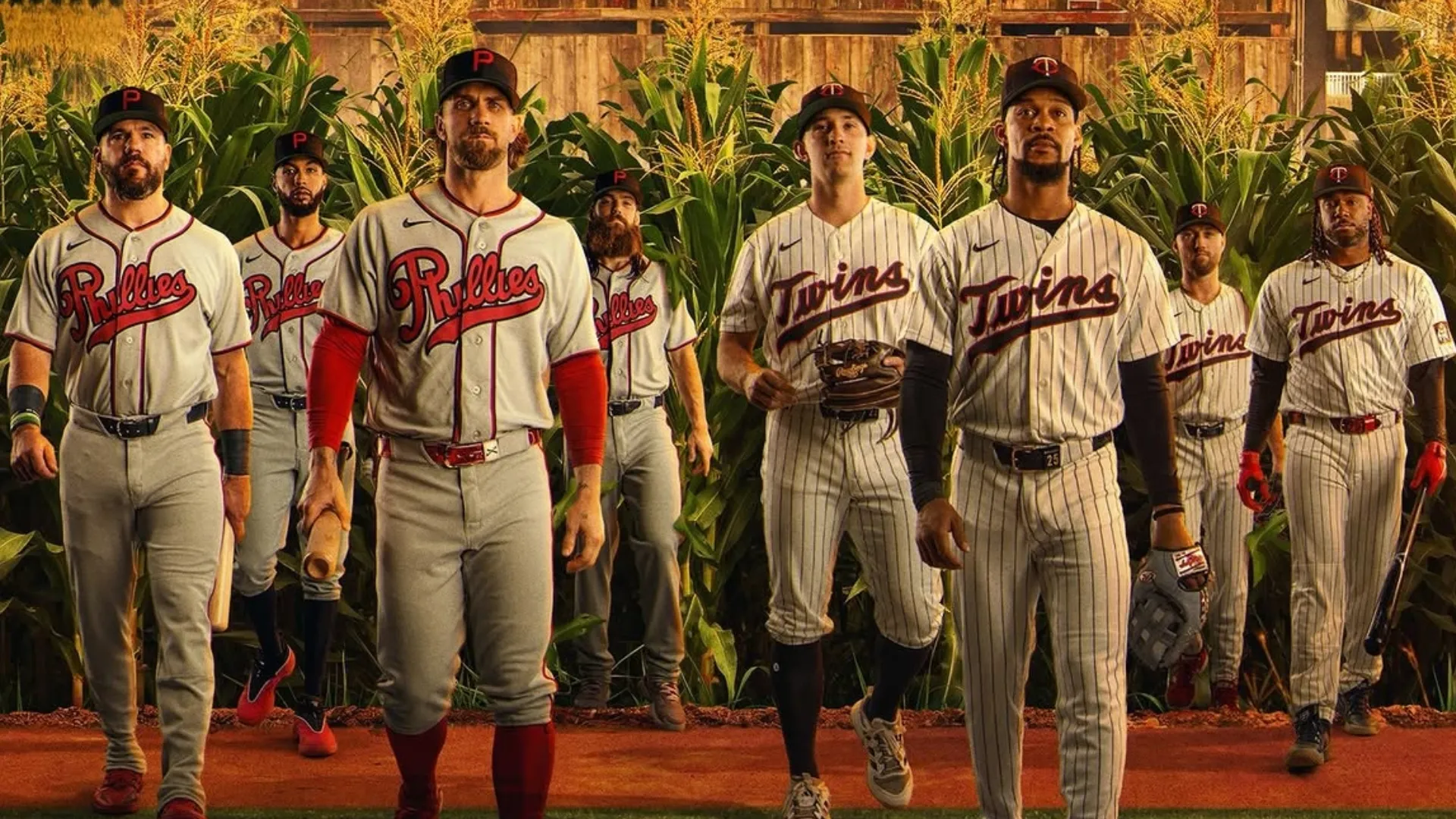
Philadelphia Phillies and Minnesota Twins (Source: @twins)
The Phillies’ uniforms are inspired by their 1939-41 road uniforms, featuring a gray base and historical details that reflect the club’s look from that period. The design gives Philadelphia a distinctly old-school appearance rather than simply reproducing its current road uniform.
The Twins are going in a different historical direction, with their uniforms inspired by the club’s early Minnesota-era designs from the 1960s. The white uniforms feature pinstripes and period-specific details, creating a visual connection to the franchise’s early years.
The choice fits the concept of the Field of Dreams Game itself. MLB’s return to Dyersville is built around baseball nostalgia, bringing a modern Major League matchup into a setting associated with the history and mythology of the sport.
The uniforms also help distinguish this event from a standard regular-season game. Rather than wearing their usual 2026 designs, both teams are using the opportunity to highlight parts of their respective histories.