The Chicago White Sox made it clear they would not move Luis Robert Jr. without a major return. During early trade talks with the New York Mets, Chicago set a high asking price, targeting key young talent as part of any potential deal.
According to the New York Post’s Jon Heyman, Chicago opened negotiations by targeting Brett Baty in a potential deal for Luis Robert Jr., but New York chose not to include him.
The negotiations reflected Chicago’s firm stance despite Robert Jr.’s recent inconsistency. Even after two uneven seasons, the White Sox valued the 28-year-old outfielder highly and were unwilling to settle for a lesser package.
Mets push back on initial demands
New York explored alternatives rather than including Baty in the deal. The Mets reportedly offered Mark Vientos at one stage, but Chicago was not interested in a bat-first option, keeping the talks at a standstill.
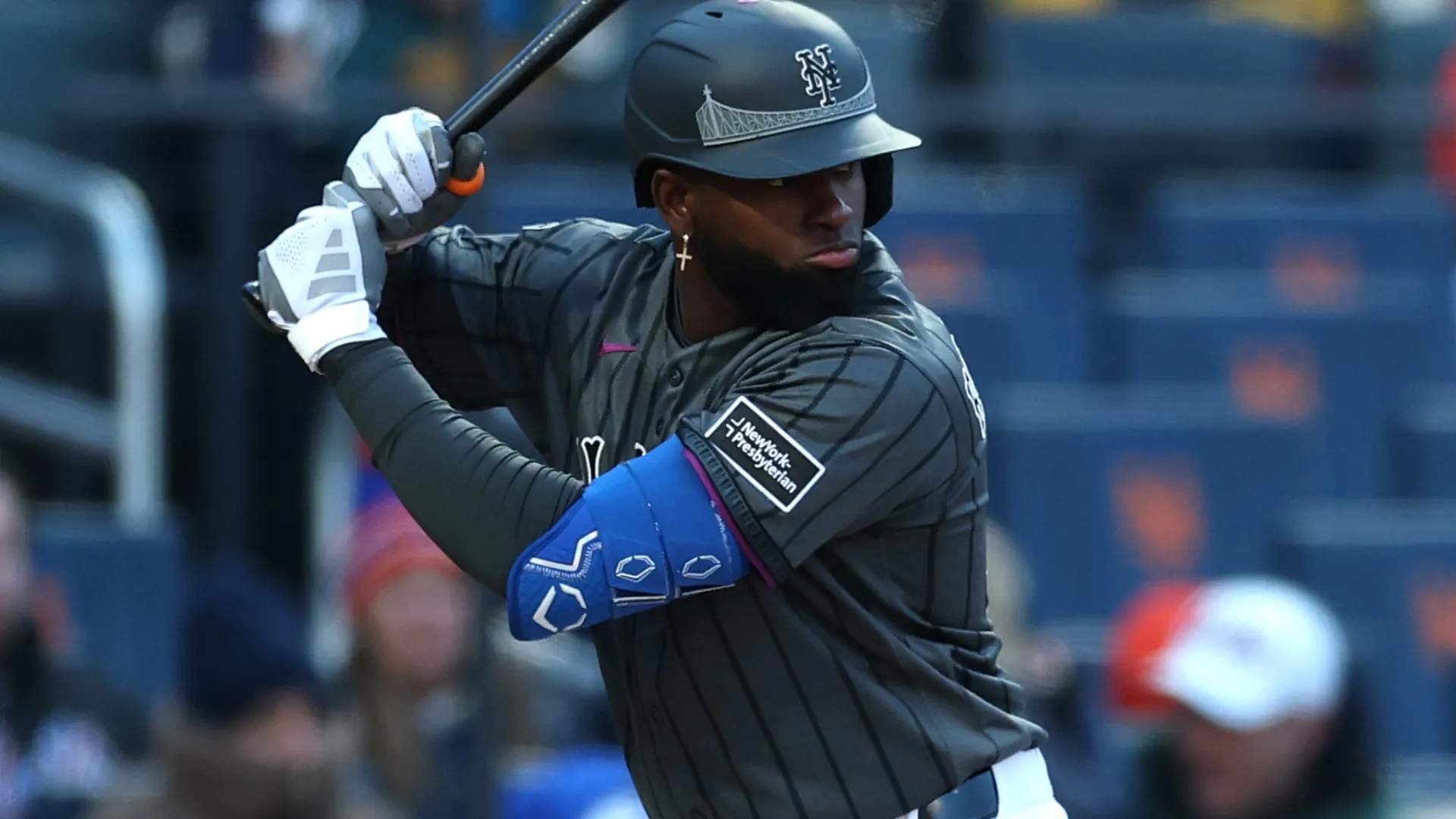
Luis Robert Jr. #88 of the Mets stands at bat during the game. Ishika Samant/Getty Images
The gap in valuation showed how far apart both sides were early in the process, with the White Sox focused on securing a cornerstone piece rather than depth or complementary players.

Final deal reflects strategic compromise
The trade was eventually completed with Luisangel Acuña Jr. and pitcher Truman Pauley heading to Chicago, a package that satisfied the White Sox without forcing New York to part with Baty.
SurveyDid the Mets make the right call by keeping Brett Baty?
Did the Mets make the right call by keeping Brett Baty?
ALREADY VOTED 0 PEOPLE
For the Mets, the move addressed their center field needs while protecting a key piece of their infield plans. With Robert Jr. already showing strong early production, the outcome suggests both teams stayed firm to their priorities before reaching a balanced agreement.