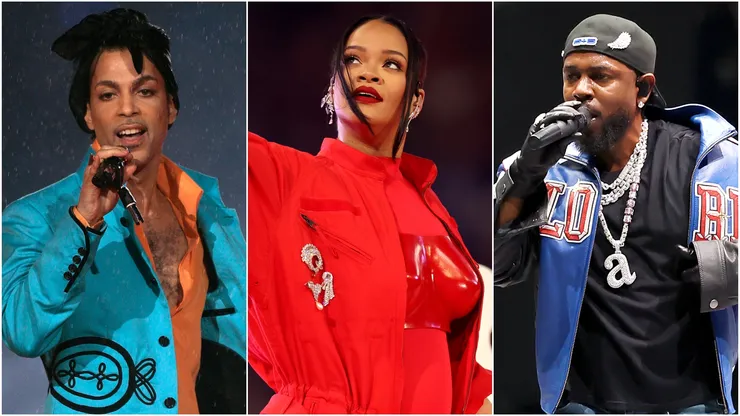
The Super Bowl halftime show began as marching bands and quirky themed tributes, but by the early ’90s it surged into a global musical phenomenon. Michael Jackson’s 1993 set transformed intermission into must-see TV, forever altering how the world watches the NFL’s biggest stage.
Since then, the lineup reads like a who’s who of modern music: Diana Ross, U2, Paul McCartney and rock staples paved the way before pop’s giants — from Beyonce and Lady Gaga to Usher and Rihanna — made it their own.
Recent years have seen hip-hop and global sounds take center stage, with Kendrick Lamar, Eminem and now Bad Bunny bringing cultural weight. Halftime has become more than a break, it’s a mirror of entertainment itself.
Super Bowl halftime performers by year
2025 — Kendrick Lamar
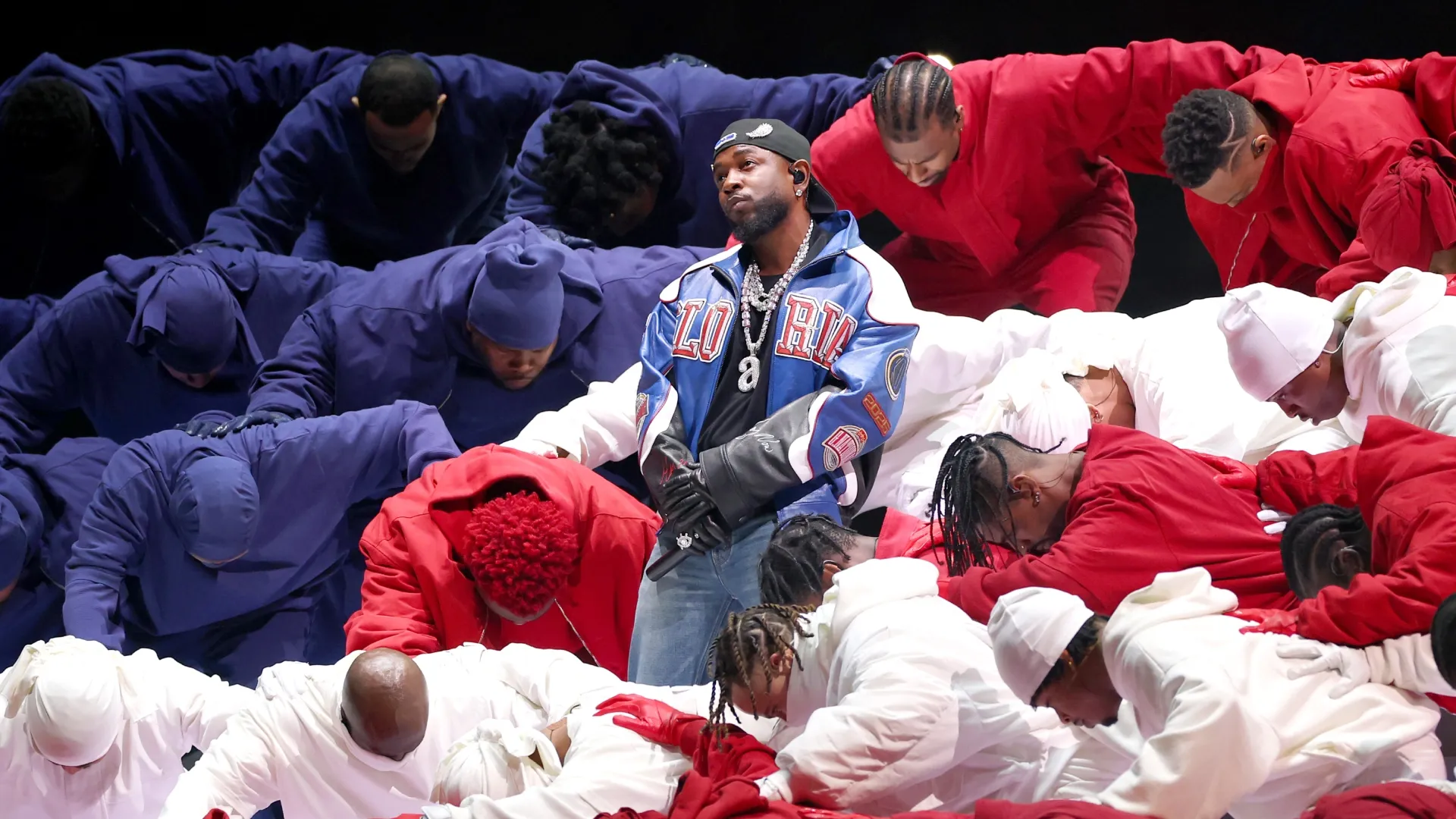
Kendrick Lamar (Source: Gregory Shamus/Getty Images)
At Super Bowl LIX in New Orleans’ Caesars Superdome, Kendrick Lamar transformed the halftime show into a theatre-like exploration of identity and spectacle, blending tight choreography with layered visuals that echoed his larger artistic vision.
With SZA joining him for emotive highlights, the performance was more than a greatest-hits set — it felt like a curated cultural statement on art, race, and narrative in a moment watched by millions.
2024 — Usher
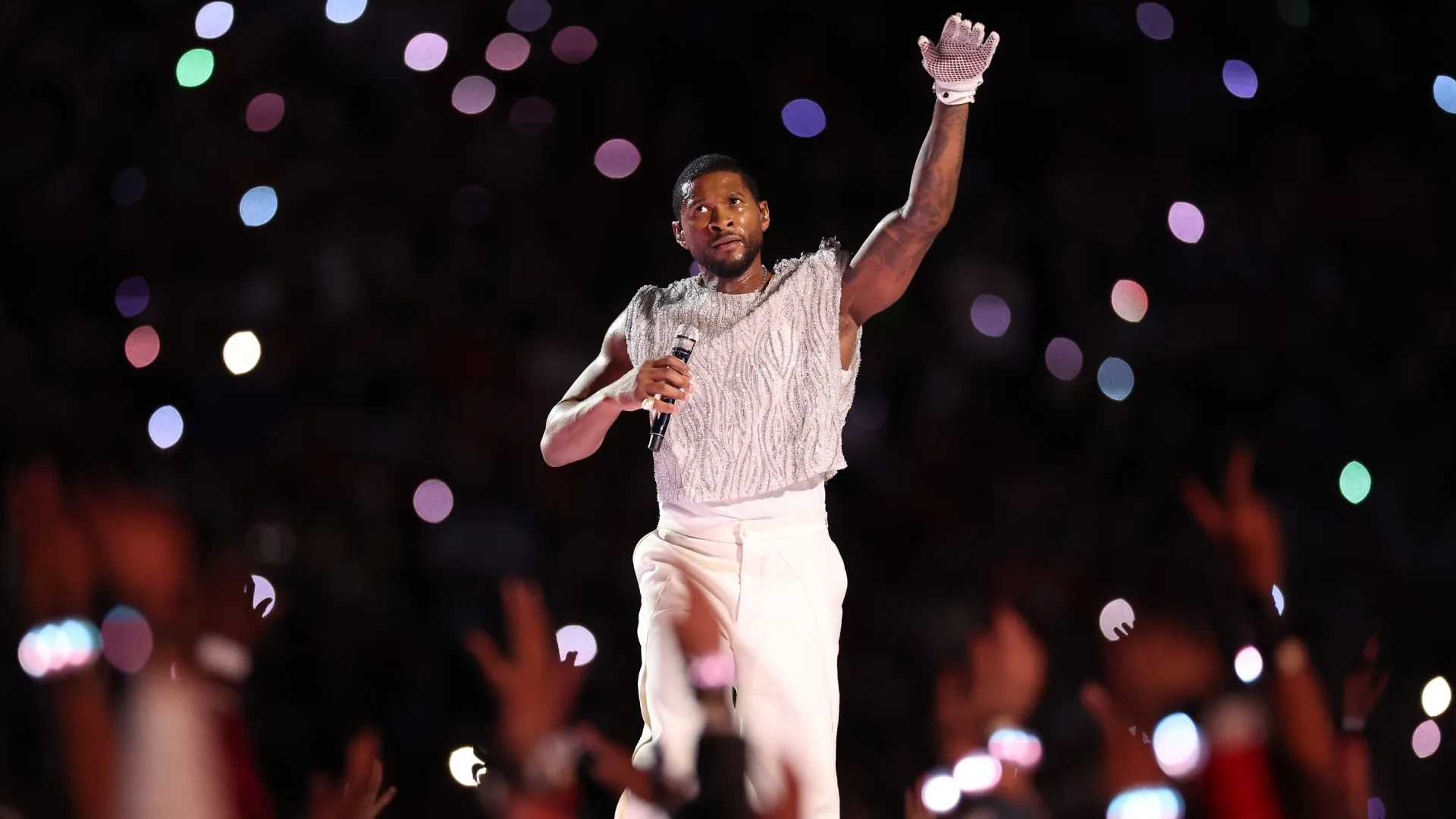
Usher (Source: Ezra Shaw/Getty Images)
Usher’s 2024 halftime moment at Allegiant Stadium in Las Vegas leaned into both nostalgia and contemporary energy. With a cast of collaborators who helped shape R&B and hip-hop across generations, the show stitched together glossy choreography and genre crossovers. From Lil Jon’s crunk surge to Alicia Keys’ soulful presence, it wasn’t just a career showcase — it mapped how urban music infiltrated global pop.
2023 — Rihanna
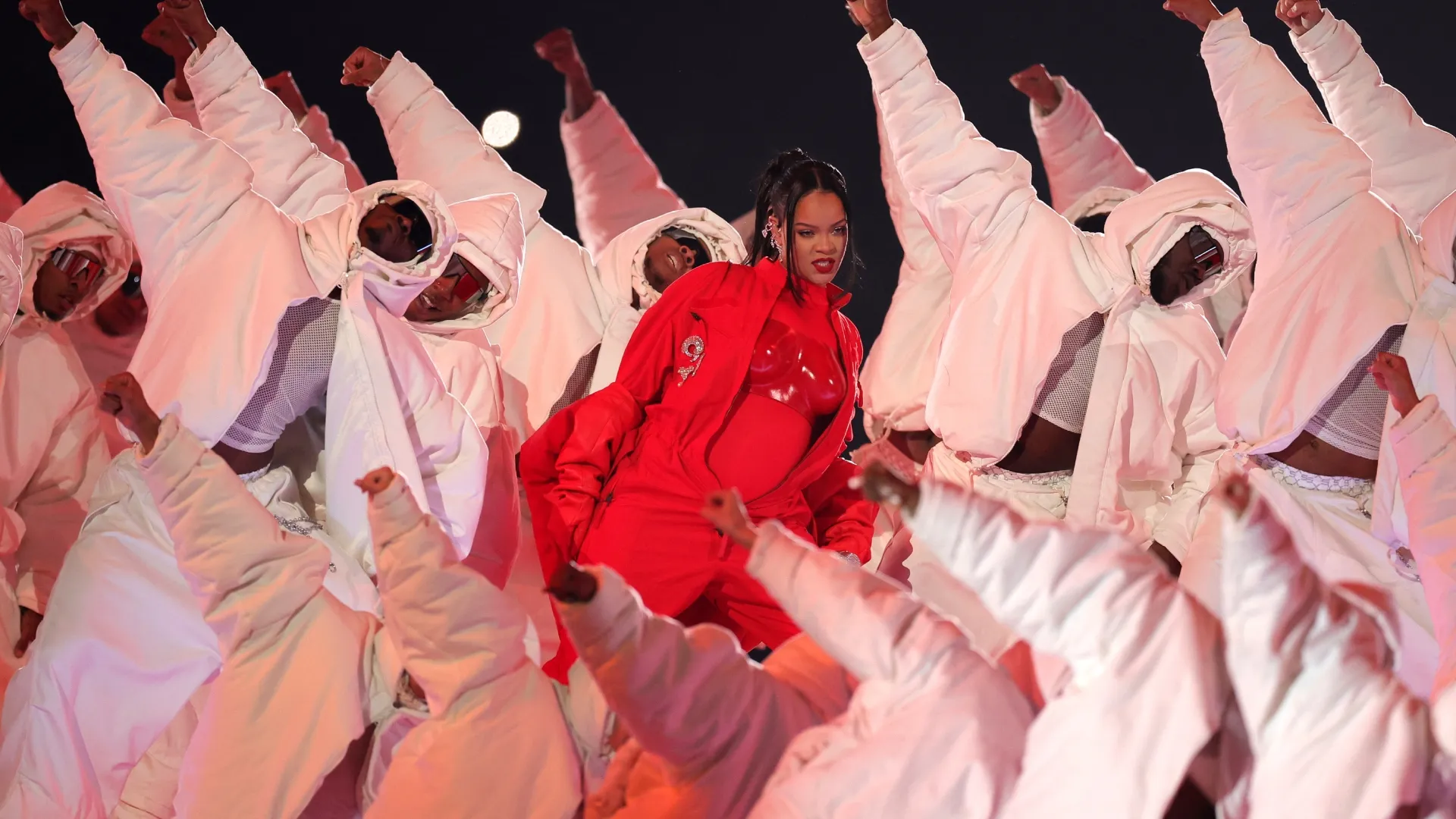
Rihanna (Source: Carmen Mandato/Getty Images)
Rihanna’s long-anticipated return to the stage at Super Bowl LVII captivated viewers not just for its visual precision but for the quiet cultural weight of the moment. Broadcast before a record audience, her set wove together a decade-spanning catalogue with cinematic staging, underscored by the personal revelation of her pregnancy — an unscripted layer that instantly became part of halftime lore.
2022 — Eminem, Dr. Dre, Snoop Dogg, Kendrick Lamar and Mary J. Blige
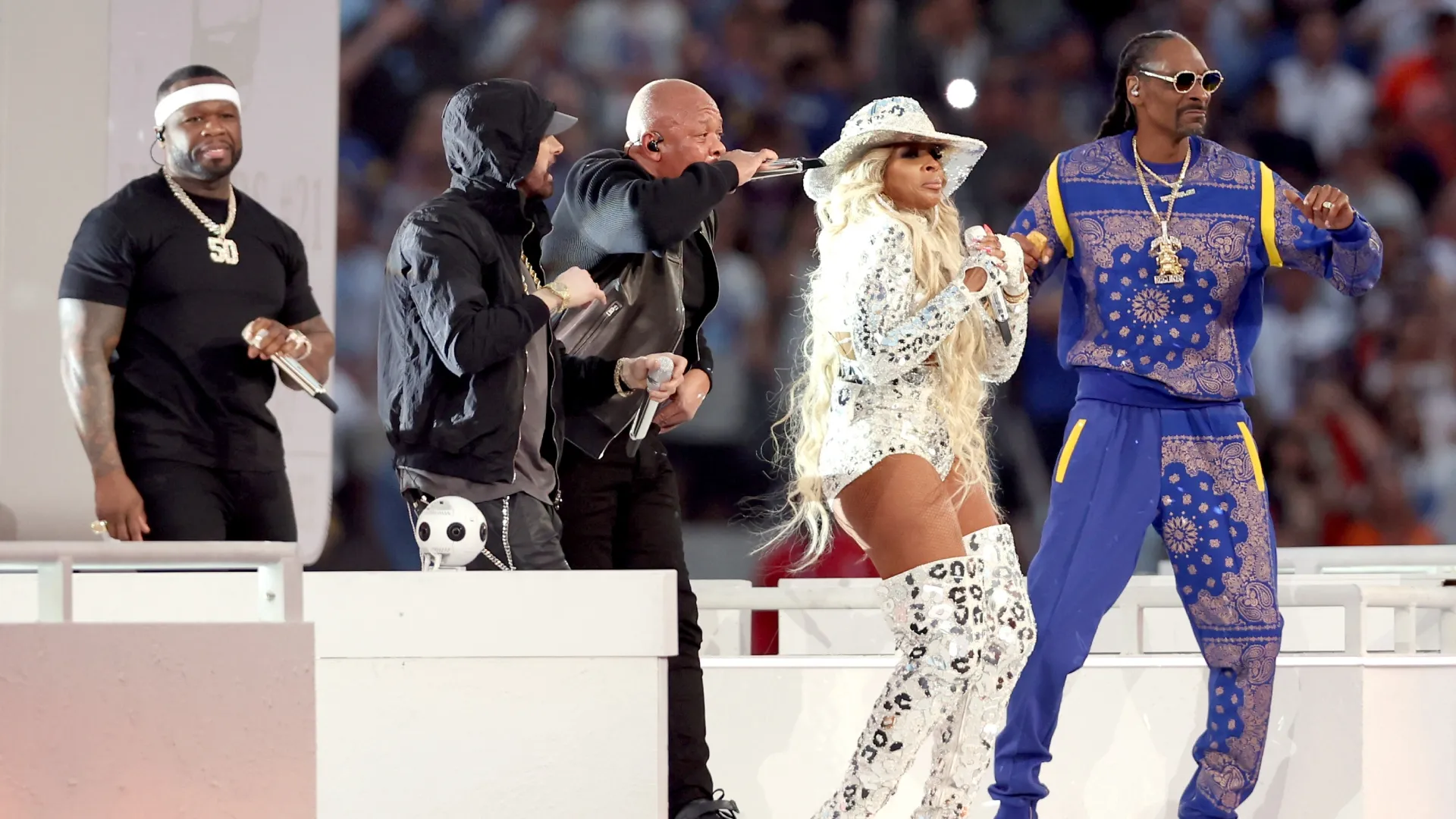
50 Cent, Eminem, Dr. Dre, Mary J. Blige and Snoop Dogg (Source: Rob Carr/Getty Images)
In a watershed for hip-hop, Super Bowl LVI brought together West Coast icons Dr. Dre and Snoop Dogg alongside Eminem’s rapid-fire delivery, Mary J. Blige’s gospel-inflected soul, and Kendrick Lamar’s sharp lyricism.
Set at SoFi Stadium, the performance didn’t simply present individual stars — it framed hip-hop as a cultural thread in American music, channeling decades of influence into a single, cohesive set.
2021 — The Weeknd
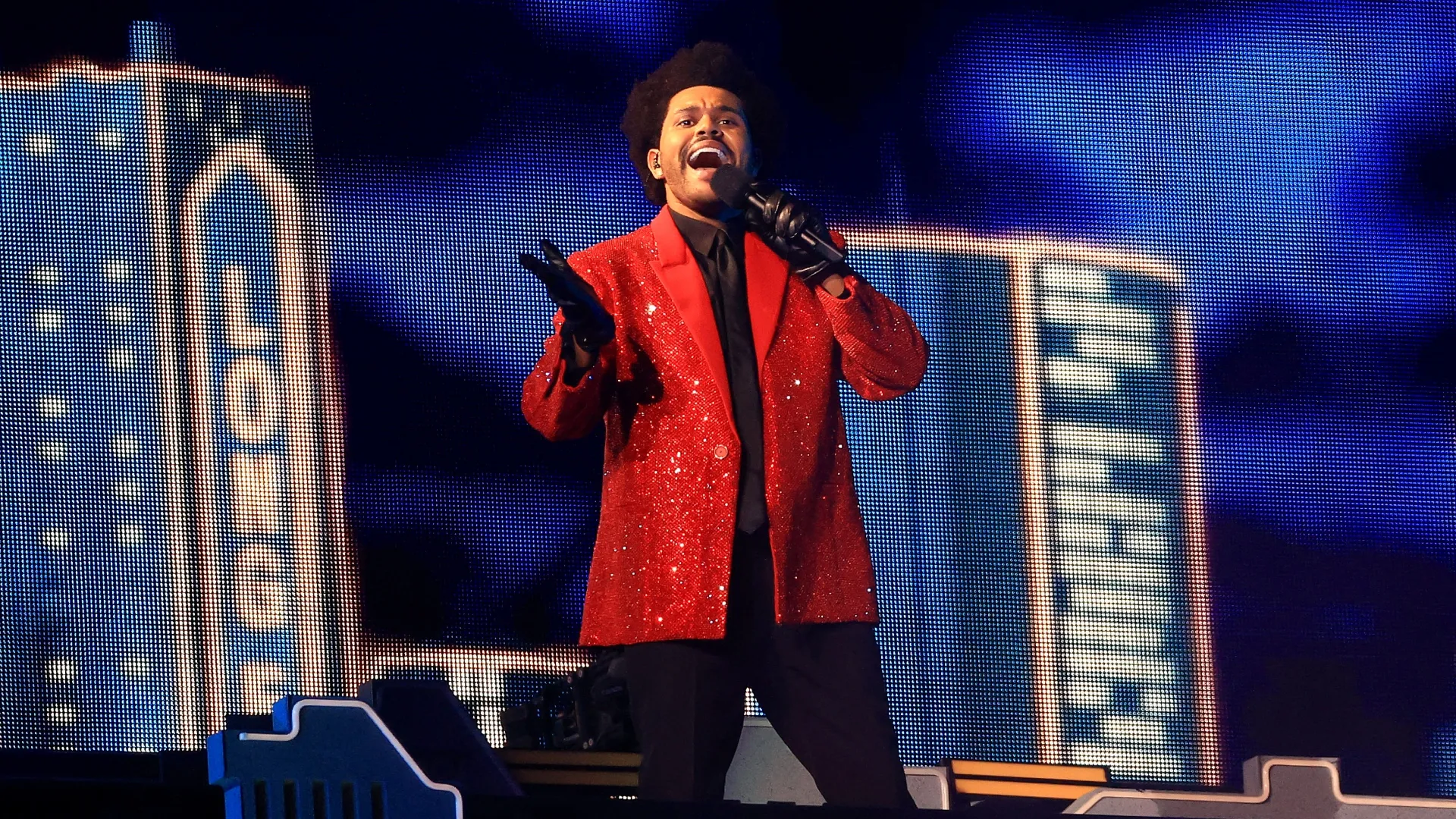
The Weeknd (Source: Mike Ehrmann/Getty Images)
The Weeknd’s halftime show in Tampa offered a distinct departure from grand guest-filled extravaganzas. Building much of the performance around in-stadium staging and hall-of-mirrors aesthetics, he crafted a singular visual identity rooted in his own discography. With no guests to dilute the focus, it became a rare, immersive dive into the moody, synth-laden world that has made him one of pop’s most compelling figures.
2020 — Shakira and Jennifer Lopez
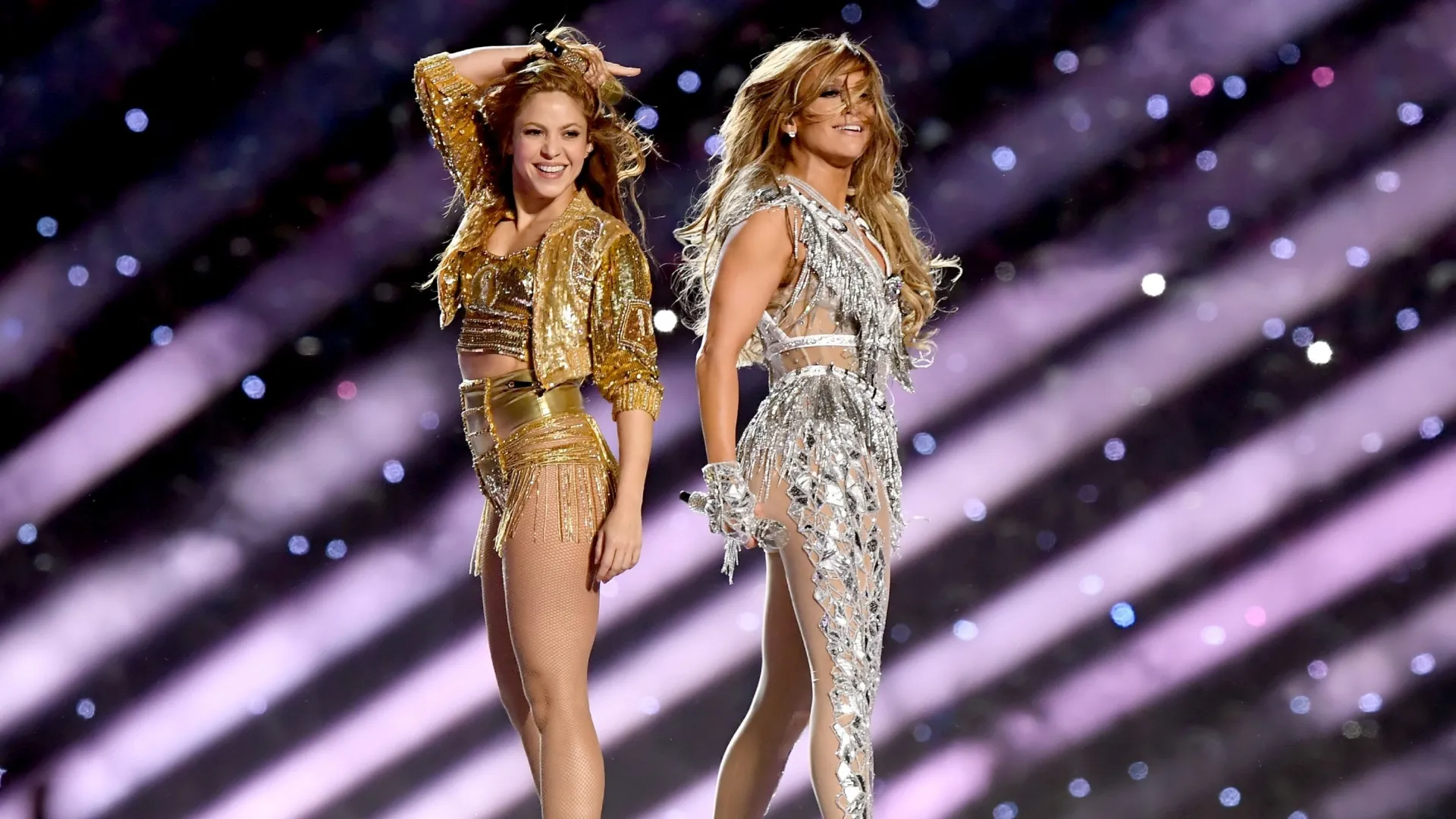
Shakira and Jennifer Lopez (Source: Kevin Winter/Getty Images)
Miami’s Hard Rock Stadium hosted a halftime show that was as much a celebration of Latin rhythm as a showcase for pop superstars. Shakira’s hip-shaking precision and Jennifer Lopez’s commanding presence bookended appearances by reggaetón champions Bad Bunny and J Balvin, while Lopez’s daughter Emme added an unexpected emotional depth. Flashes of global sound and dance affirmed how the halftime stage had become a platform for musical fusion.
2019 — Maroon 5
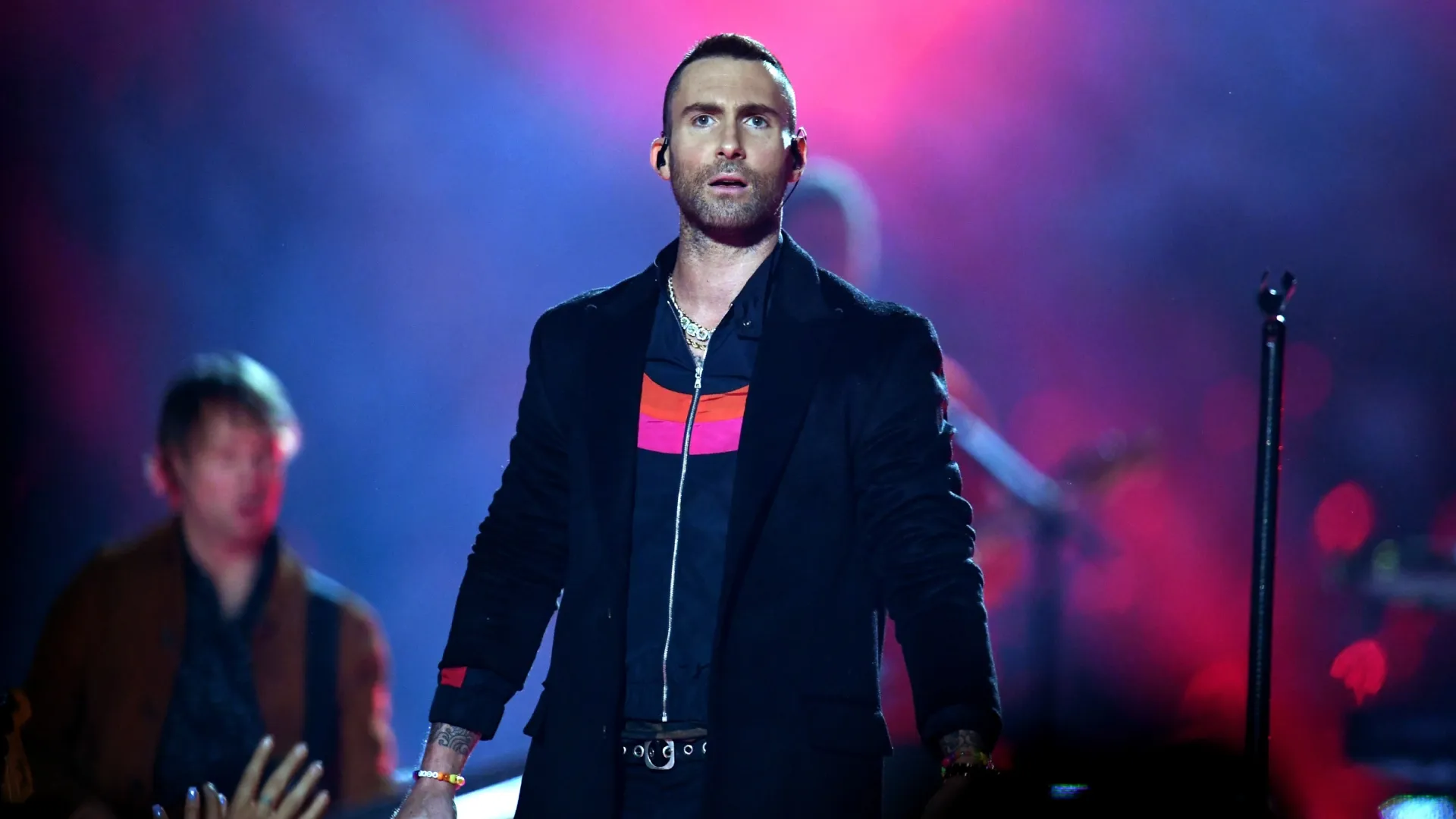
Adam Levine of Maroon 5 (Source: Kevin Winter/Getty Images)
When Maroon 5 took the field at Mercedes-Benz Stadium in Atlanta, their set was framed by the city’s rich musical heritage — but also by controversy. With guest spots from Travis Scott and Big Boi, the program mixed rock-tinged pop with hip-hop flavor, yet fan backlash and debates over the lineup’s cultural choices underscored how halftime selections often reflect wider conversations about representation in American entertainment.
2018 — Justin Timberlake
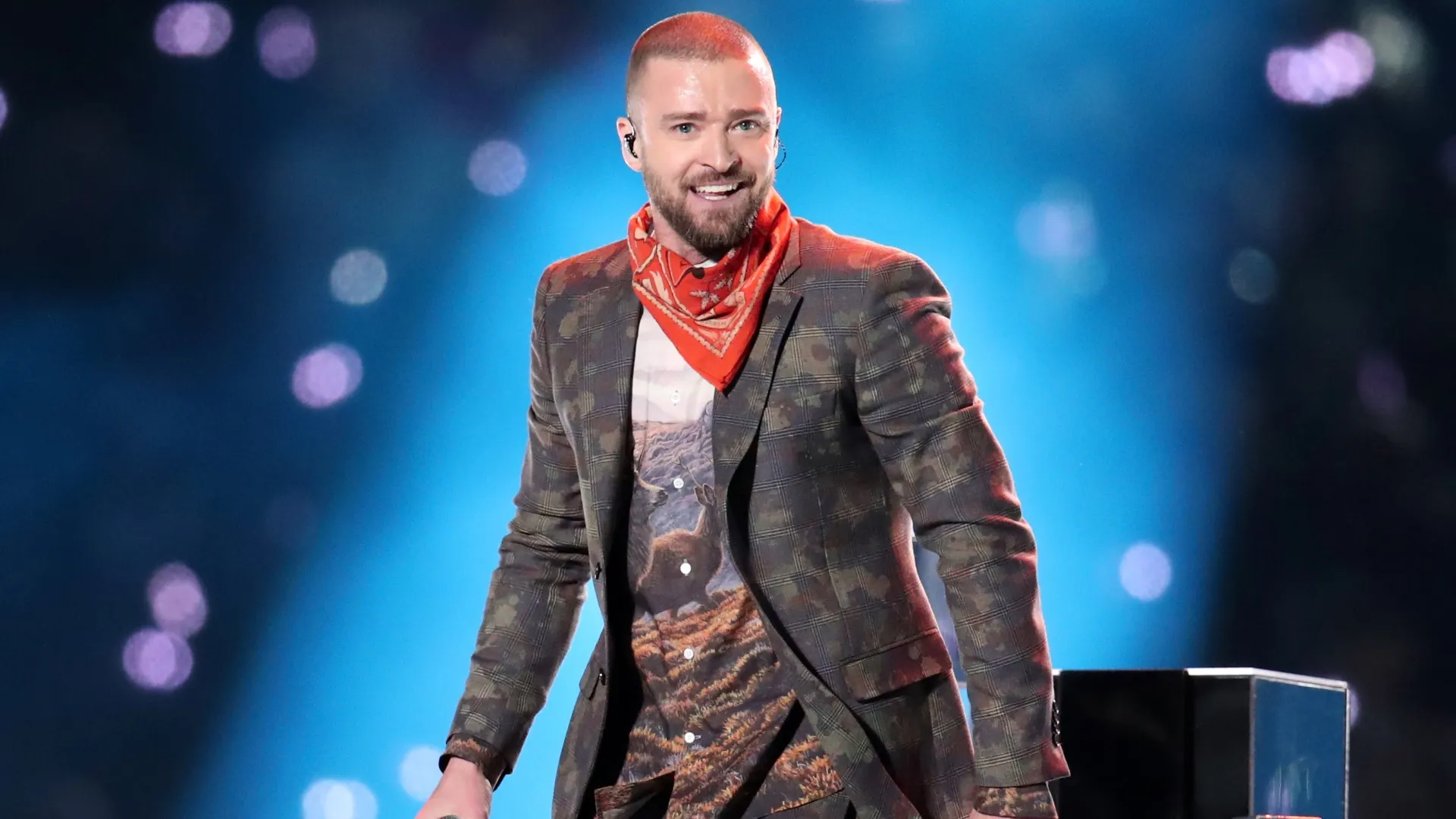
Justin Timberlake (Source: Christopher Polk/Getty Images)
Justin Timberlake’s return to the halftime spotlight at U.S. Bank Stadium blended showmanship and precision. Drawing on his deep catalog and seasoned stage band The Tennessee Kids, the performance threaded slick choreography and multi-genre nods into a compact set that felt both like a personal retrospective and a celebration of rhythmic pop craftsmanship.
2017 — Lady Gaga
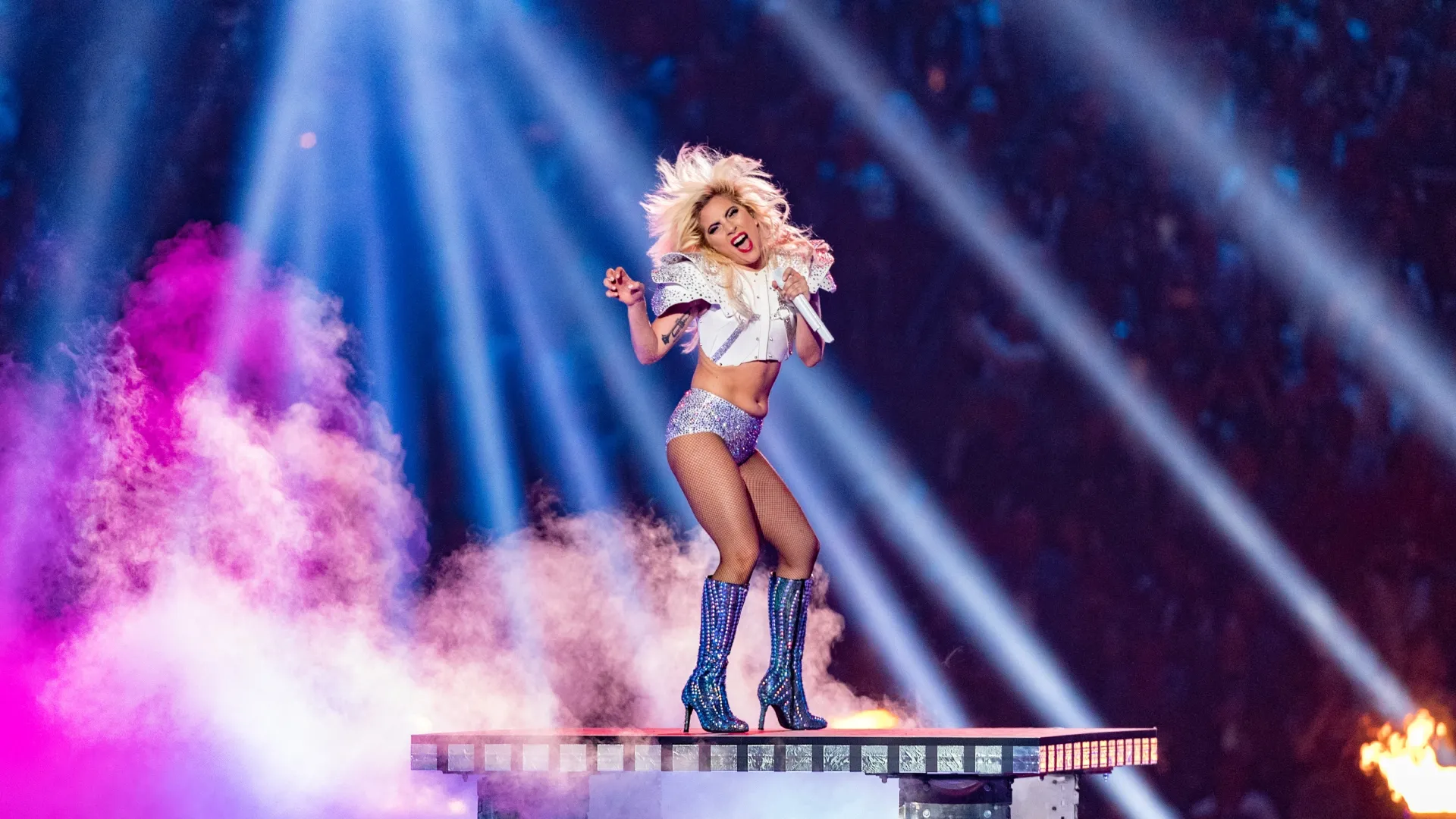
Lady Gaga (Source: Christopher Polk/Getty Images)
Lady Gaga’s Super Bowl LI show in Houston wasn’t just a performance; it was a spectacle of ambition and craft. Opening with a dramatic roof descent over NRG Stadium, she stitched together arena-ready anthems with theatrical staging that reasserted her reputation for bold artistic direction. Her take on the halftime slot signaled how pop’s biggest moments could marry performance art with mainstream entertainment.
2016 — Coldplay with Beyonce and Bruno Mars
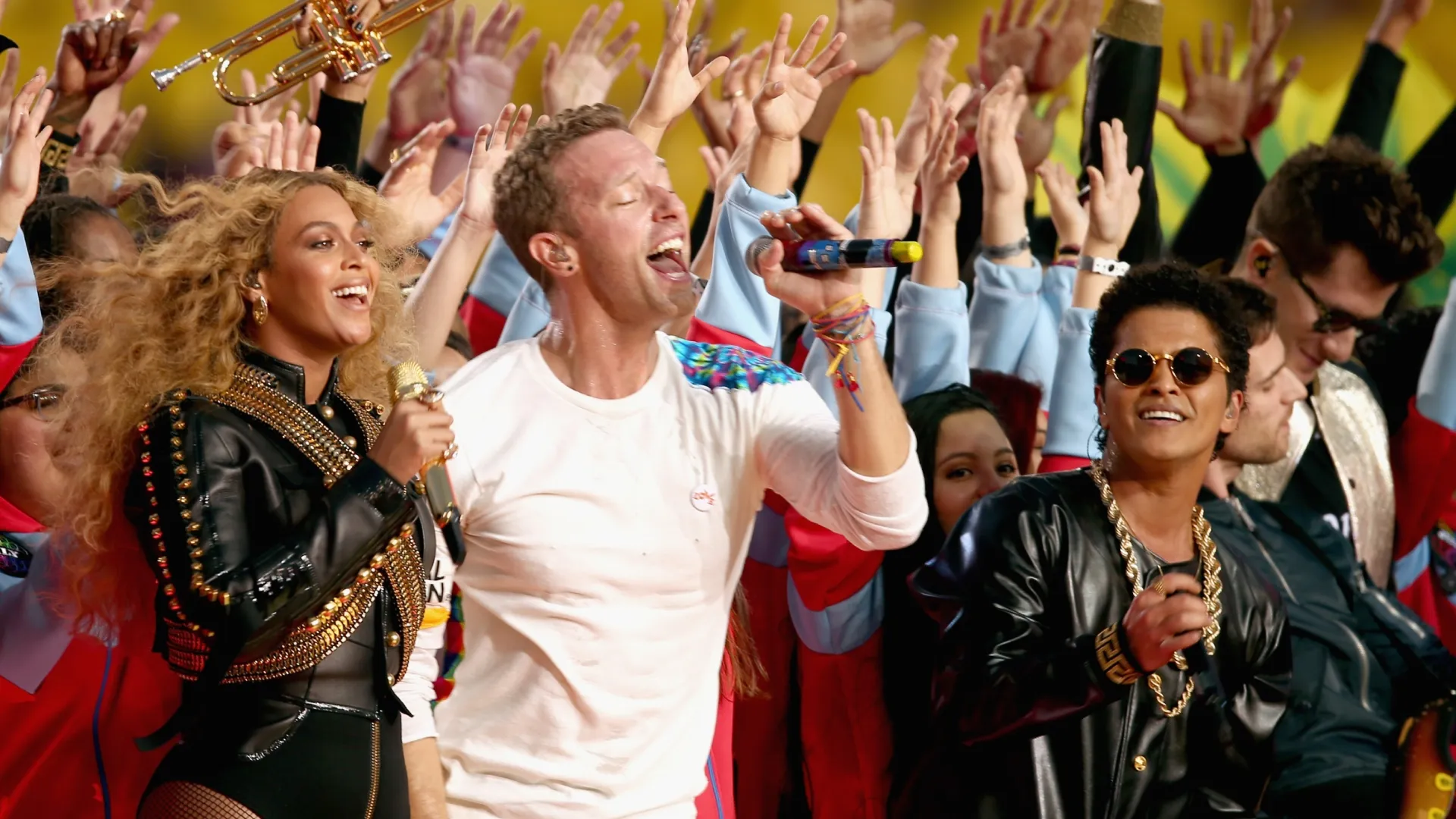
Beyonce, Chris Martin of Coldplay and Bruno Mars (Source: Matt Cowan/Getty Images)
Coldplay took the halftime stage in 2016 at Super Bowl 50 with a striking set built around themes of unity and color, blending their signature anthems with a contemporary pop spectacle.
Midway through, Beyoncé and Bruno Mars arrived to electrify the performance: Mars brought dance-floor swagger while Beyonce’s commanding presence and cultural imagery made the show feel bigger than the game itself. Together, they turned a rock-rooted moment into a vibrant crossover event.
2015 — Katy Perry
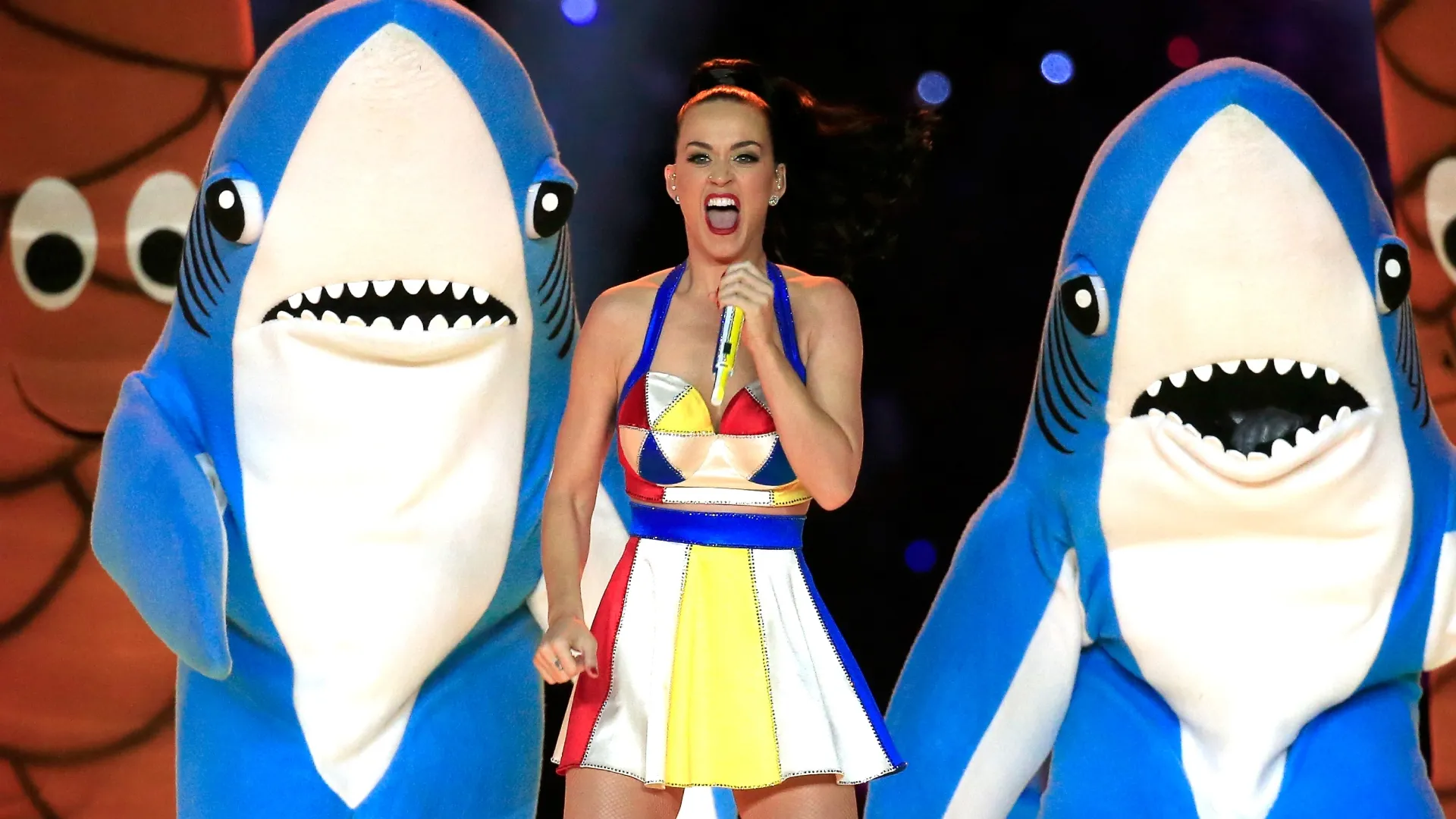
Katy Perry (Source: Rob Carr/Getty Images)
Katy Perry’s 2015 halftime show became one of the most watched in history, mixing bold visuals and playful set pieces with memorable collaborators. Lenny Kravitz added gritty rock flair, and Missy Elliott injected old-school hip-hop energy, crafting a sequence of genre shifts in a mere minutes. The spectacle wasn’t just about star power — it was a reminder of how halftime shows had grown into massive multimedia productions.
2014 — Bruno Mars
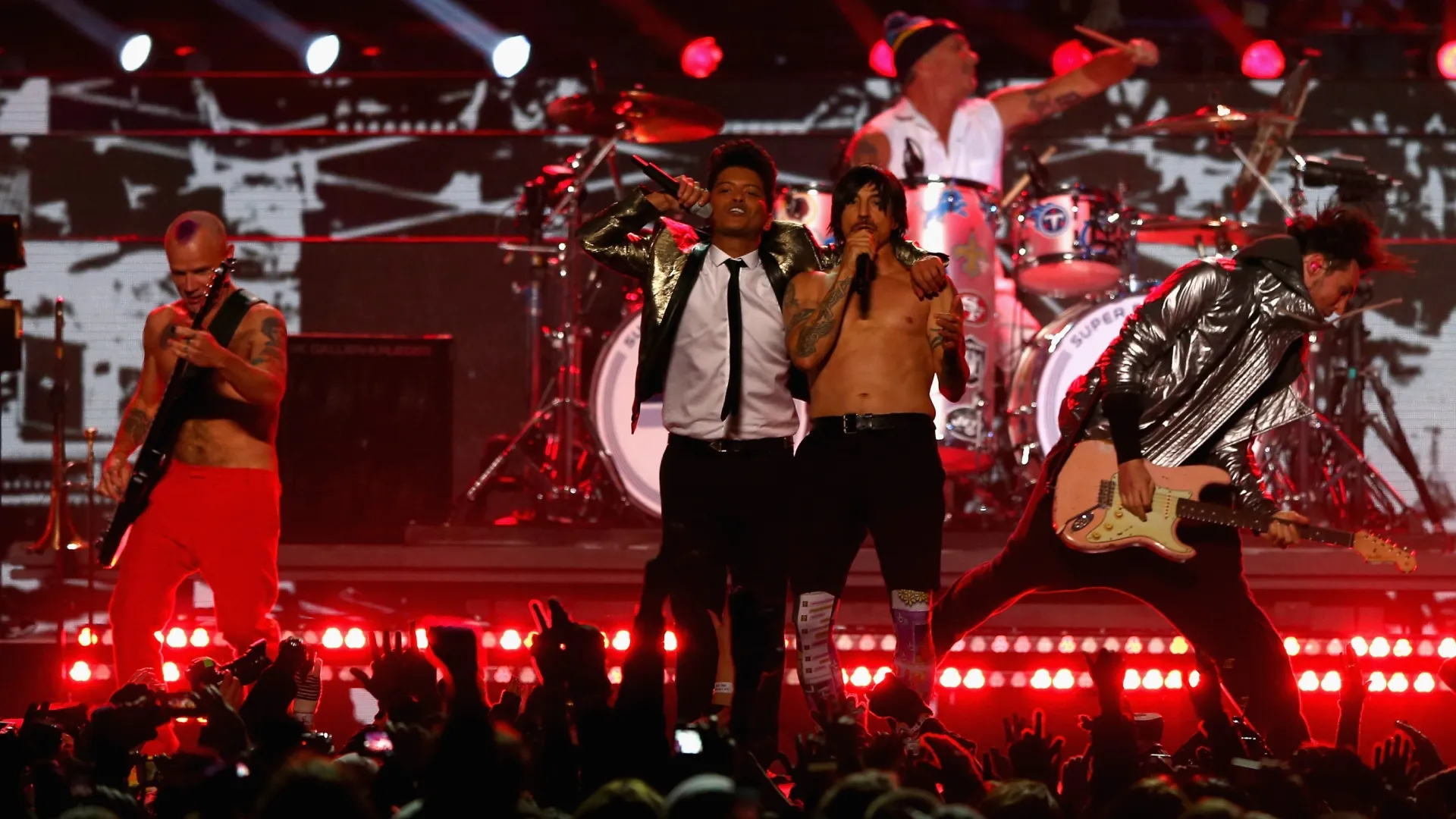
Bruno Mars and the Red Hot Chili Peppers (Source: Elsa/Getty Images)
Bruno Mars’ 2014 appearance leaned into pure performance chops: his band, tight choreography, and groove-laden hits made for a succinct yet potent set. The Red Hot Chili Peppers brought a contrasting rock edge, offering guitar-driven moments amid Mars’ sleek pop. Together they encapsulated how halftime could be about musical variety as much as crowd-pleasing hits.
2013 — Beyonce
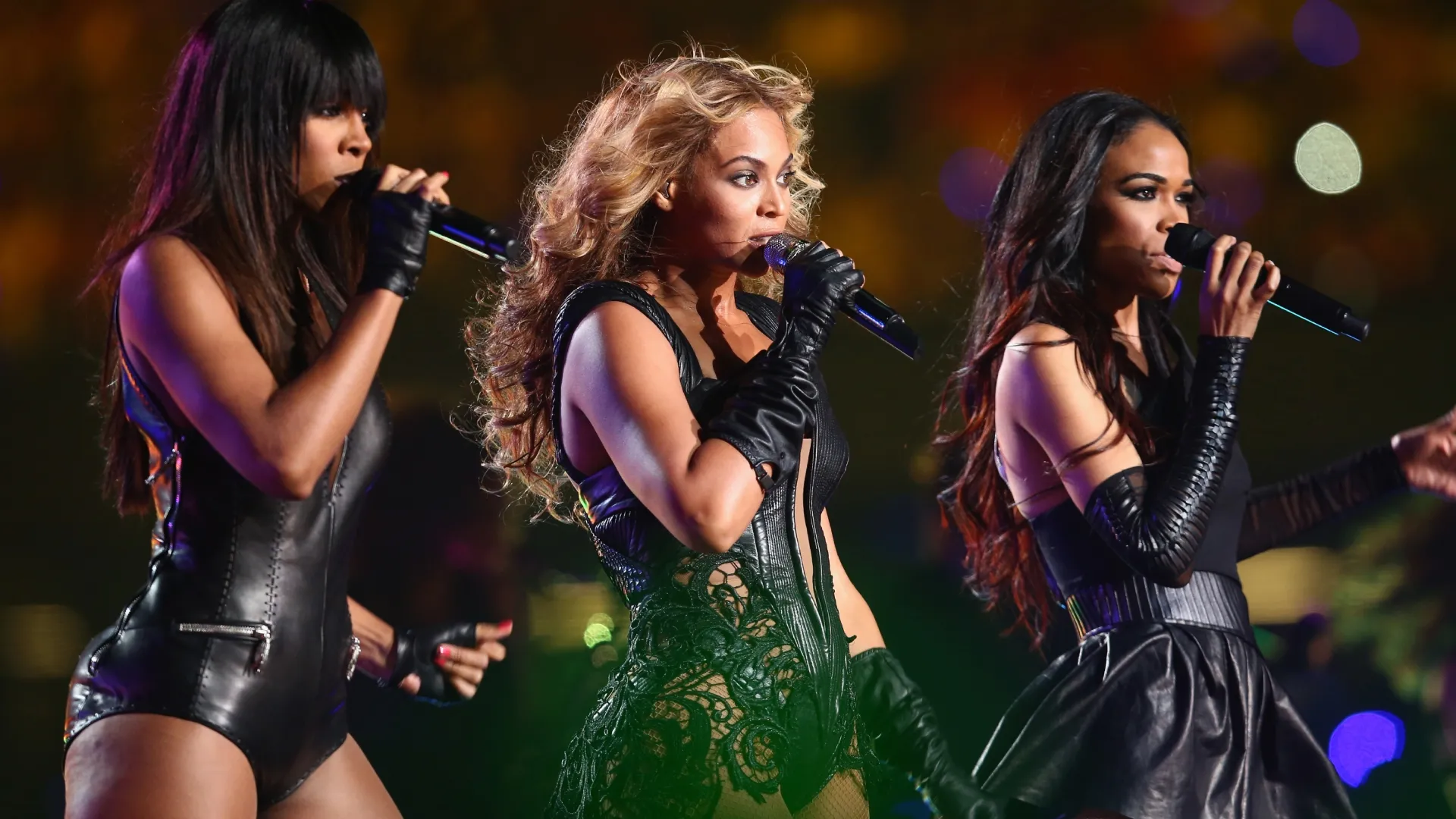
Rowland, Beyonce Knowles and Michelle Williams of Destiny’s Child (Source: Christopher Polk/Getty Images)
Beyonce’s 2013 show famously reunited her with Destiny’s Child in a surprise segment that ignited the crowd and social media alike. Her solo turns were polished and powerful, combining chart-topping singles with anthemic staging that underscored her standing as one of the era’s defining performers.
2012 — Madonna
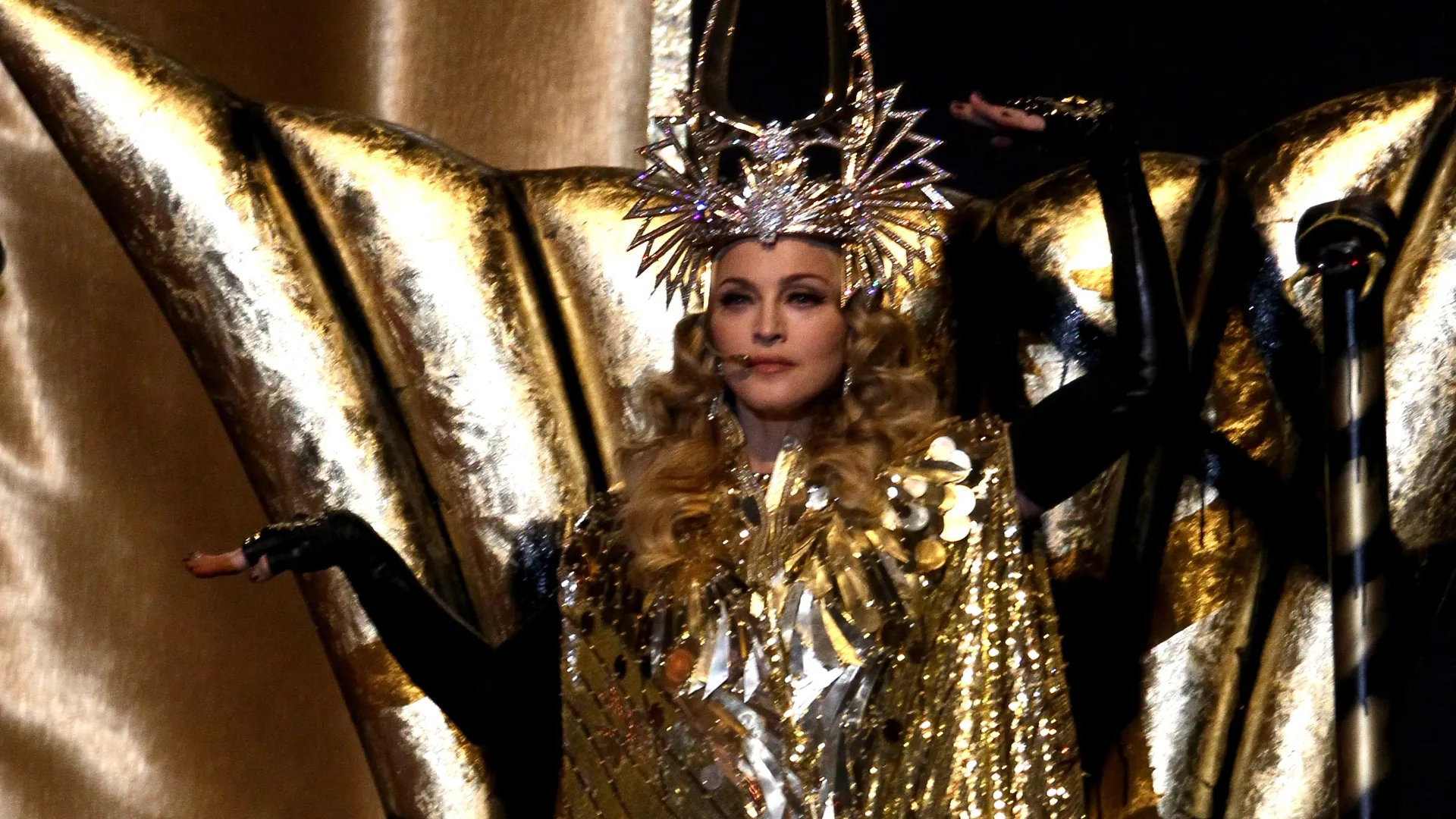
Madonna (Source: Win McNamee/Getty Images)
Madonna’s halftime production in 2012 was theatrical and ambitious, featuring dancers, costume changes, and a sprawling stage design. While the set courted controversy — notably due to M.I.A.’s explicit gesture — it stood out for its sheer scale and the pop icon’s willingness to push the boundaries of a typically conservative broadcast.
2011 — The Black Eyed Peas
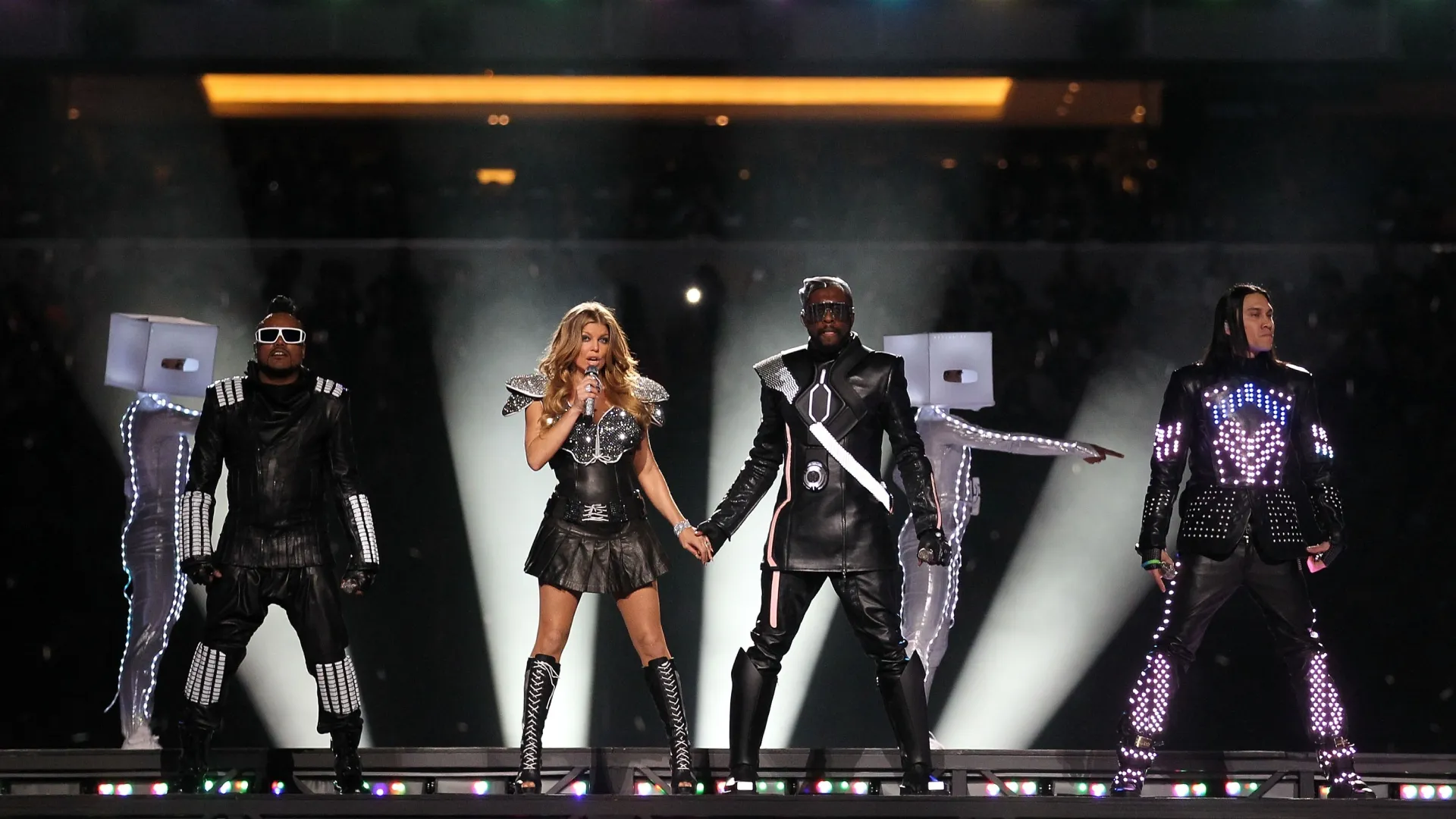
The Black Eyed Peas (Source: Al Bello/Getty Images)
In 2011, The Black Eyed Peas aimed to bring youthful energy to the halftime show, weaving their electronic pop hits with guest appearances from Usher’s R&B prowess and Slash’s rock guitar flair. Though critics were mixed about the musical cohesion, the effort underscored the NFL’s pivot toward contemporary pop and genre mashups.
2010 — The Who
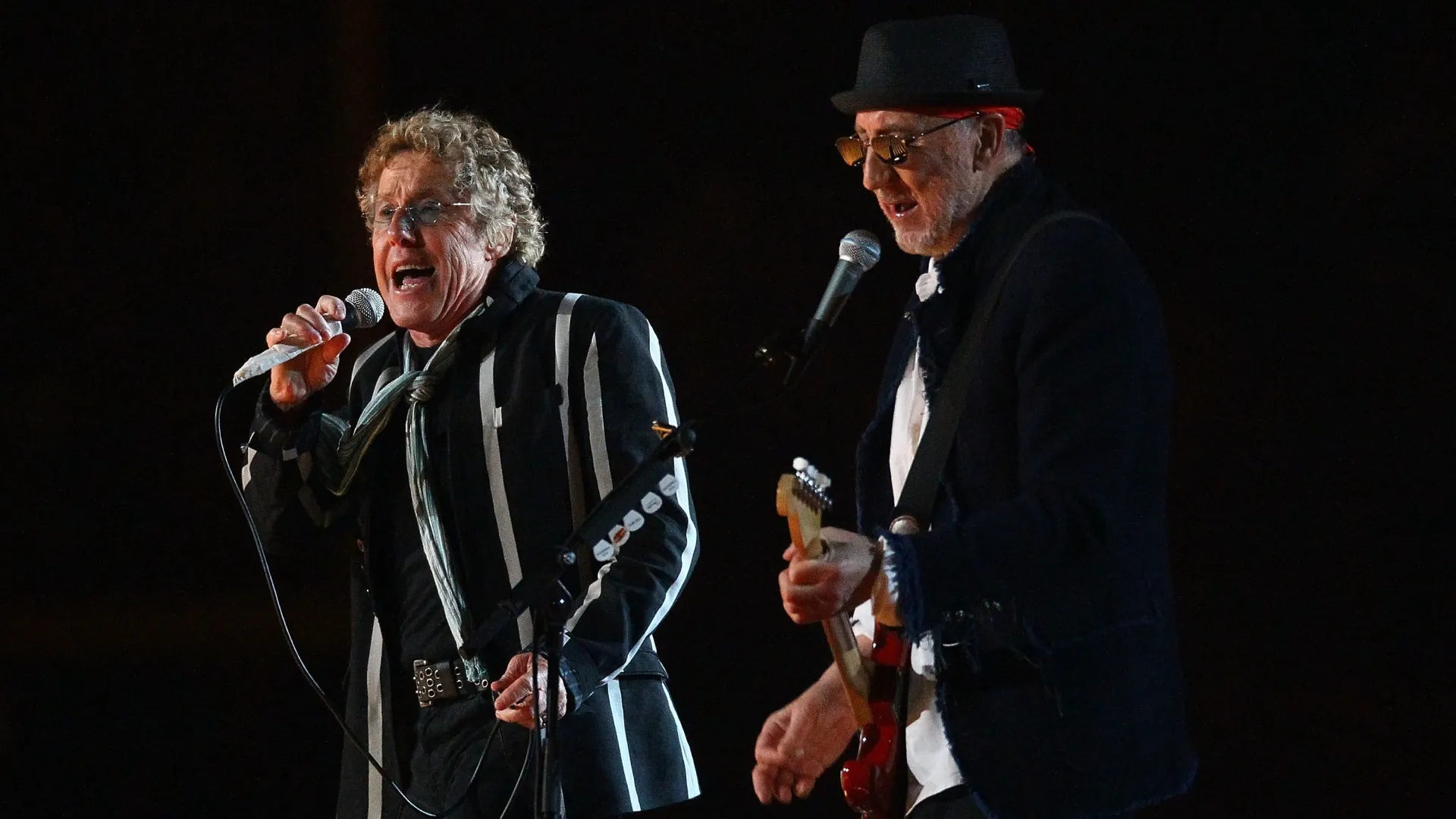
The Who (Source: Win McNamee/Getty Images)
After the backlash from earlier pop spectacle controversies, the NFL turned to rock royalty in 2010 by inviting The Who to headline. Their performance leaned into classic rock staples with a straight-ahead concert feel, signaling a brief shift toward legacy artists whose live chops matched the historic weight of the halftime slot.
2009 — Bruce Springsteen and The E Street Band
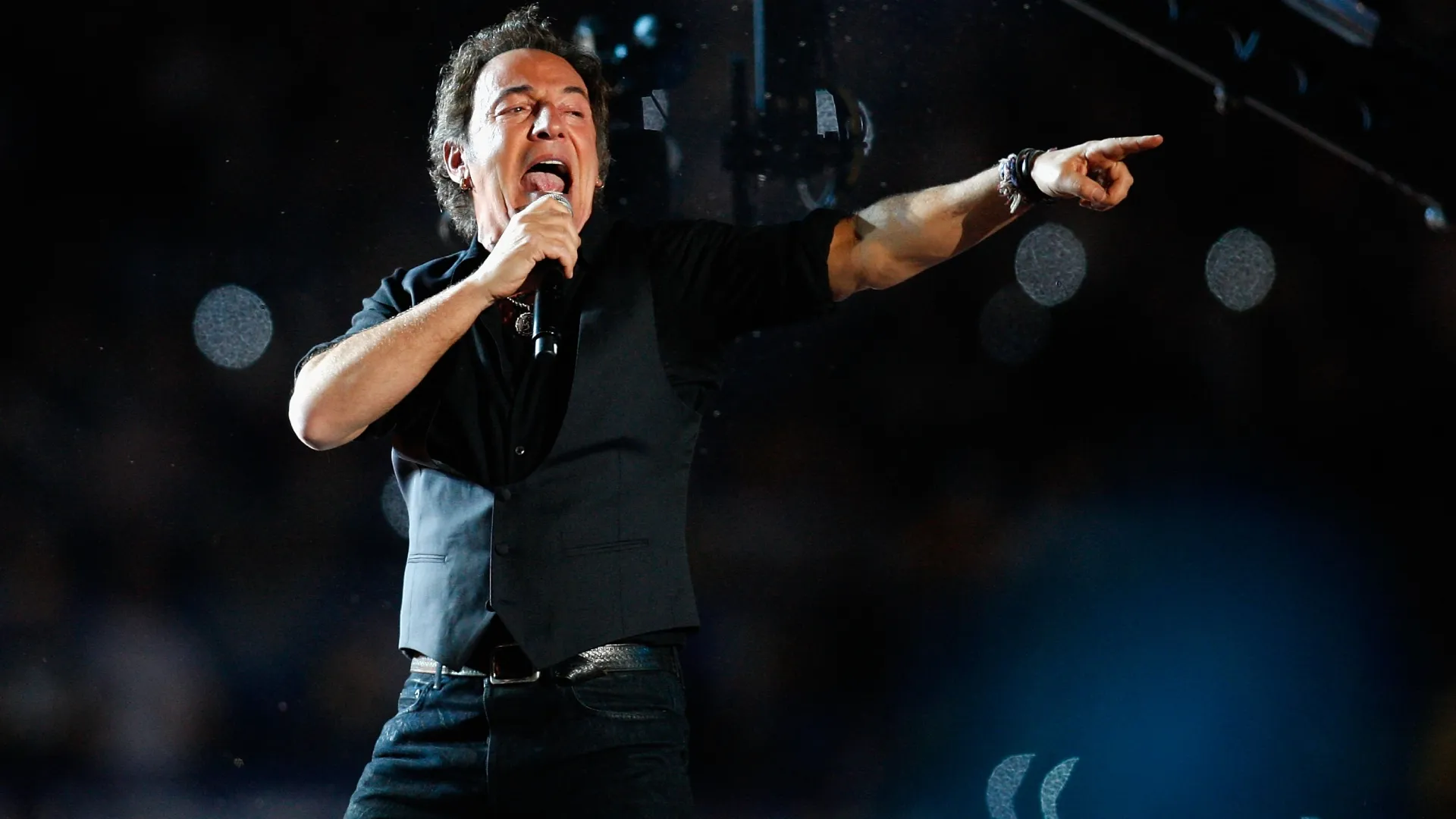
Bruce Springsteen (Source: Chris Graythen/Getty Images)
When Bruce Springsteen stormed the stage at Super Bowl XLIII in Tampa, the halftime show briefly shed its pop spectacle in favor of something rawer and unmistakably live. Backed by the ever-reliable E Street Band, Springsteen delivered a tightly wound burst of heartland rock built on grit, sweat, and crowd connection rather than elaborate theatrics.
His now-famous slide toward the camera during the opening moments set the tone for a performance that felt urgent and human, even inside a billion-dollar broadcast. In just over twelve minutes, Springsteen compressed decades of working-class storytelling into a stadium-sized sing-along, proving that authenticity could still command the Super Bowl’s grandest stage.
2008 — Tom Petty and The Heartbreakers
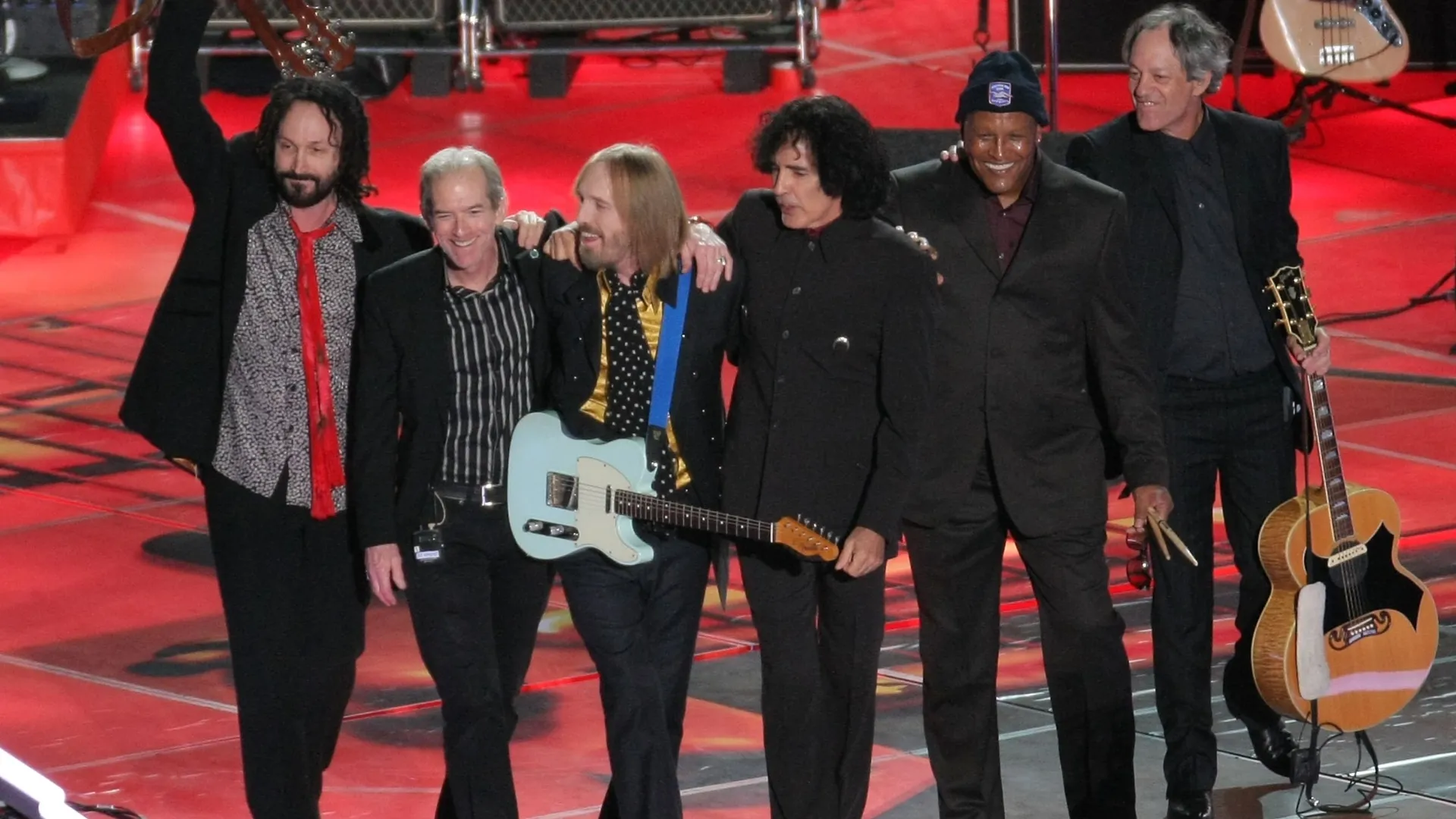
Tom Petty and The Heartbreakers (Source: Doug Pensinger/Getty Images)
Tom Petty & The Heartbreakers’ 2008 set at the University of Phoenix Stadium cut a straight path through classic rock repertoire, offering a feel-good performance steeped in guitar jangle and road-tested hits. Their approach was less about elaborate visuals and more about the power of a seasoned band delivering in front of millions.
2007 — Prince
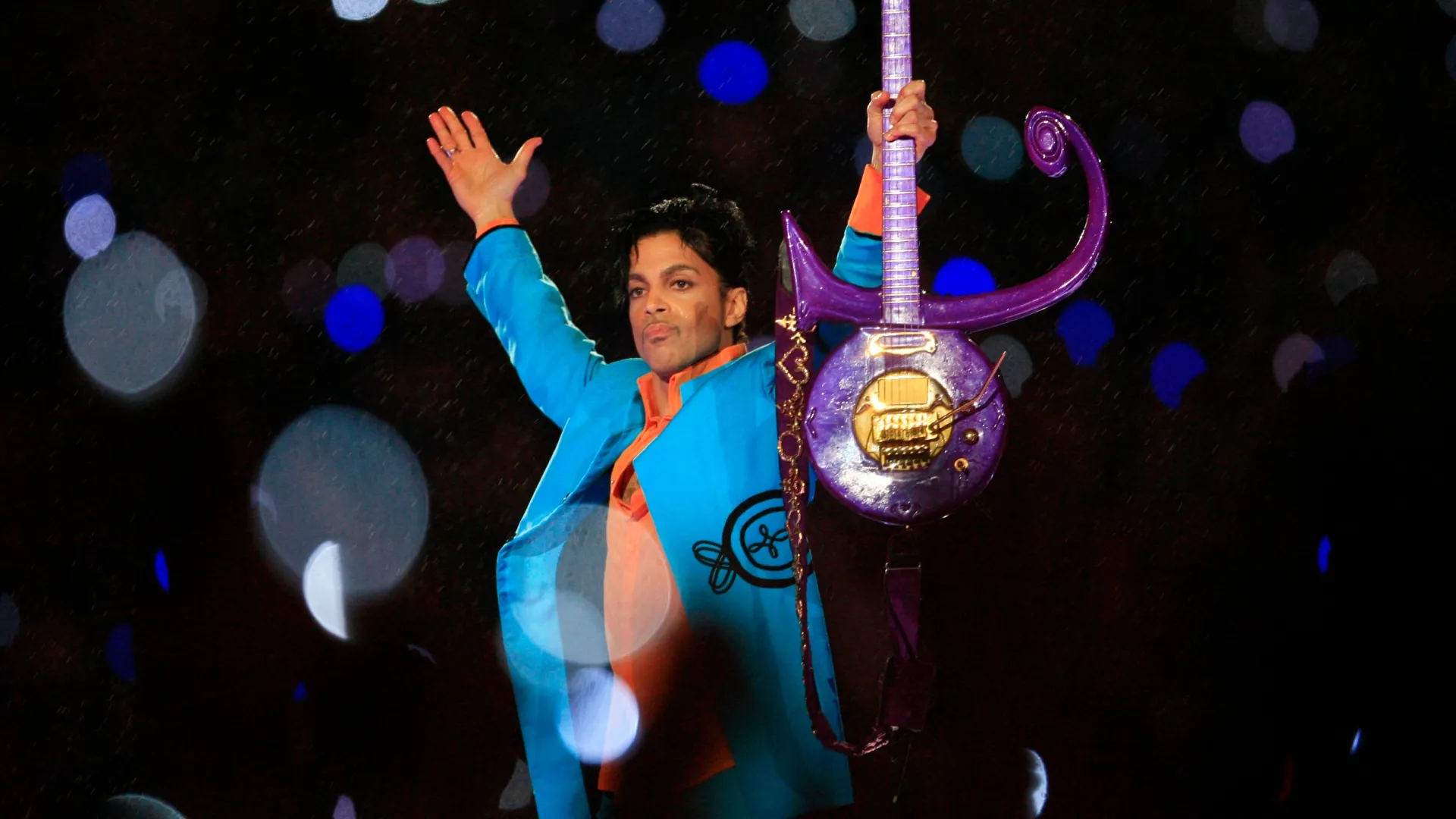
Prince (Source: Jamie Squire/Getty Images)
Prince’s 2007 halftime set is often cited as one of the greatest in Super Bowl history. Against the backdrop of a rainstorm, he delivered a masterclass of musicianship, blending his catalog with nods to fellow artists and cultural touchstones. Joined by the Florida A&M University Marching Band, the performance balanced spectacle and spontaneity in a way few others have.
2006 — The Rolling Stones
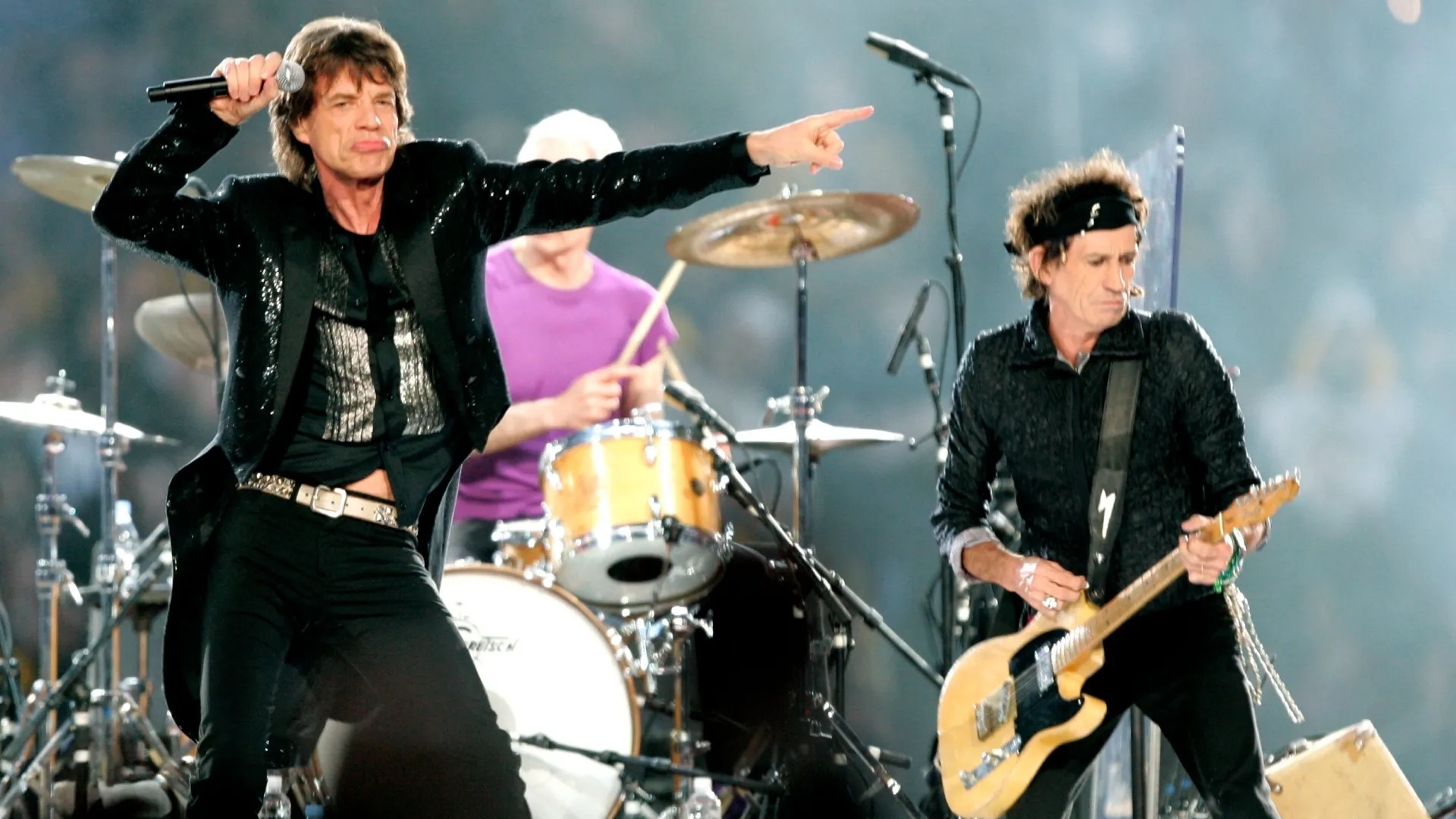
The Rolling Stones (Source: Brian Bahr/Getty Images)
When The Rolling Stones took the field in 2006, they brought decades of rock history to Detroit’s Ford Field. Their stage, shaped like their iconic tongue logo, and classic hits reaffirmed halftime’s appeal to legacy acts whose influence spans generations.
2005 — Paul McCartney
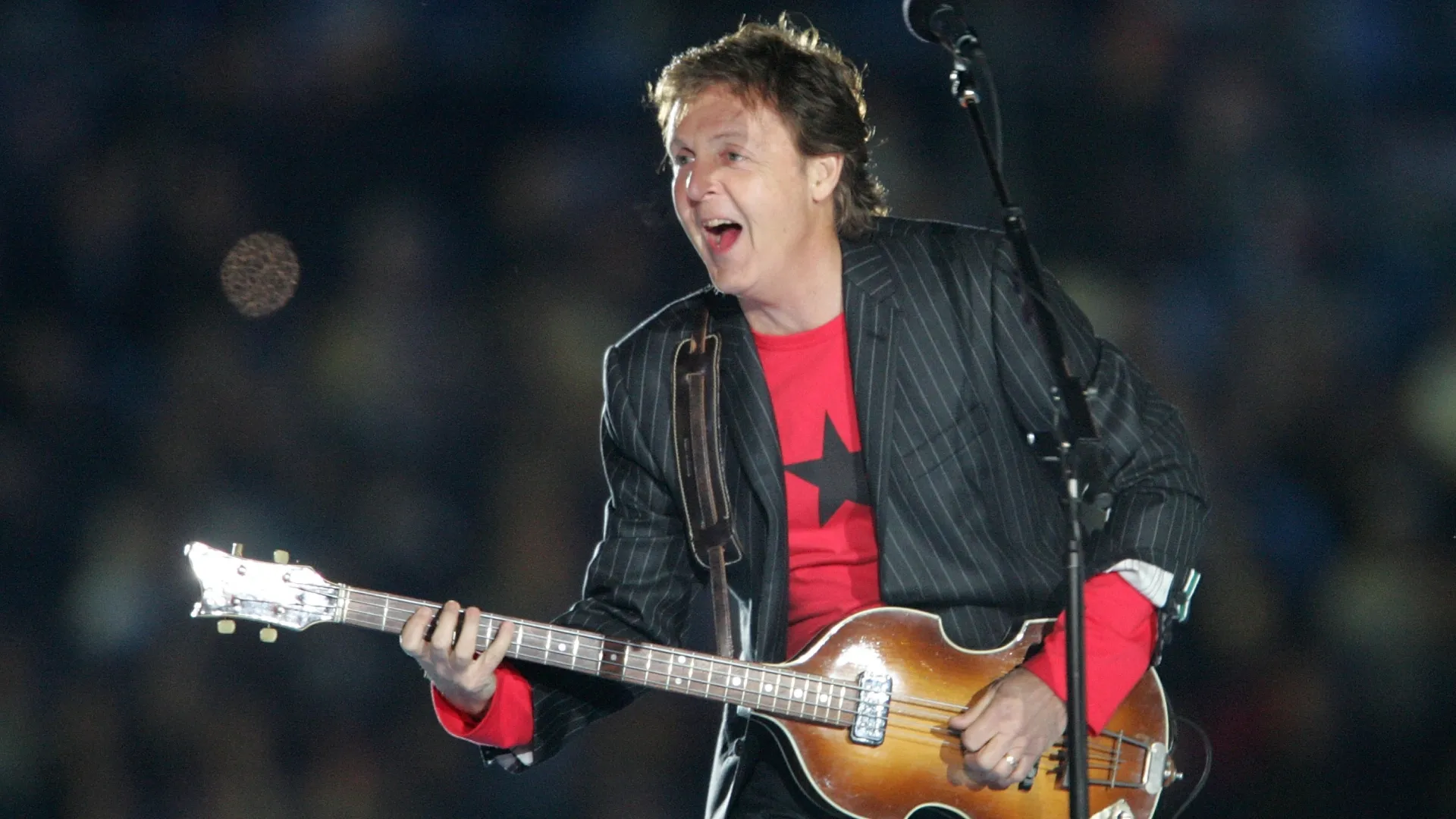
Paul McCartney (Source: Jeff Gross/Getty Images)
Paul McCartney’s 2005 appearance was a one-man affair by halftime show standards, focused on melody and deep cuts from his post-Beatles career alongside signature Beatles classics. In a moment before halftime became dominated by guest-filled pop spectacles, McCartney’s set felt like a rare, reflective celebration of musical history.
2004 — Janet Jackson, Kid Rock, P. Diddy, Nelly and Justin Timberlake
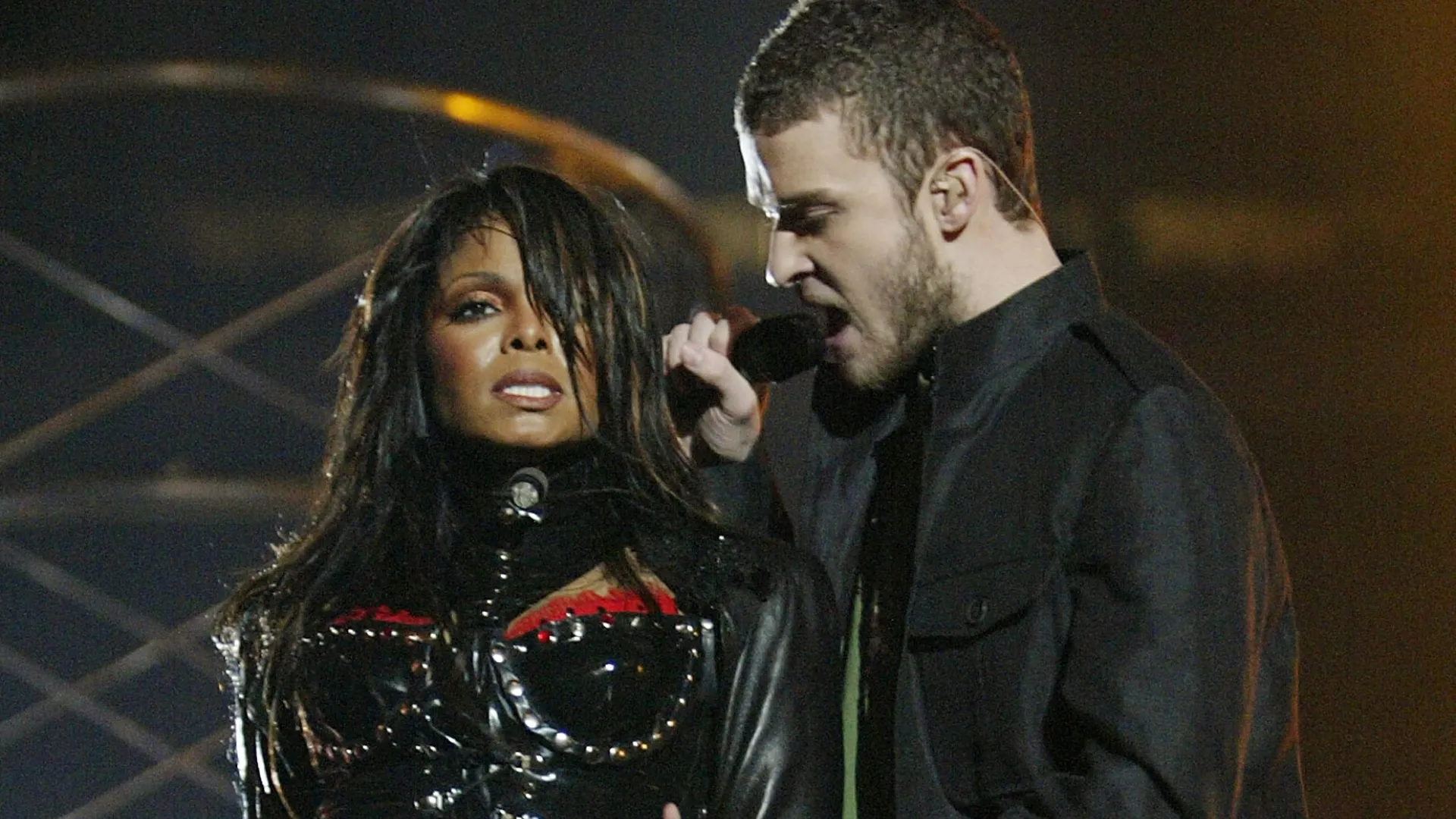
Janet Jackson and Justin Timberlake (Source: Frank Micelotta/Getty Images)
The 2004 halftime show is remembered as much for its controversy as its star-studded lineup. Featuring Janet Jackson, Justin Timberlake, and a crew of collaborators, the production was ambitious and heavily produced. A wardrobe incident during the show sparked nationwide debate, forever tying this performance to broader conversations about broadcast standards and pop culture.
2003 — Shania Twain, No Doubt and Sting
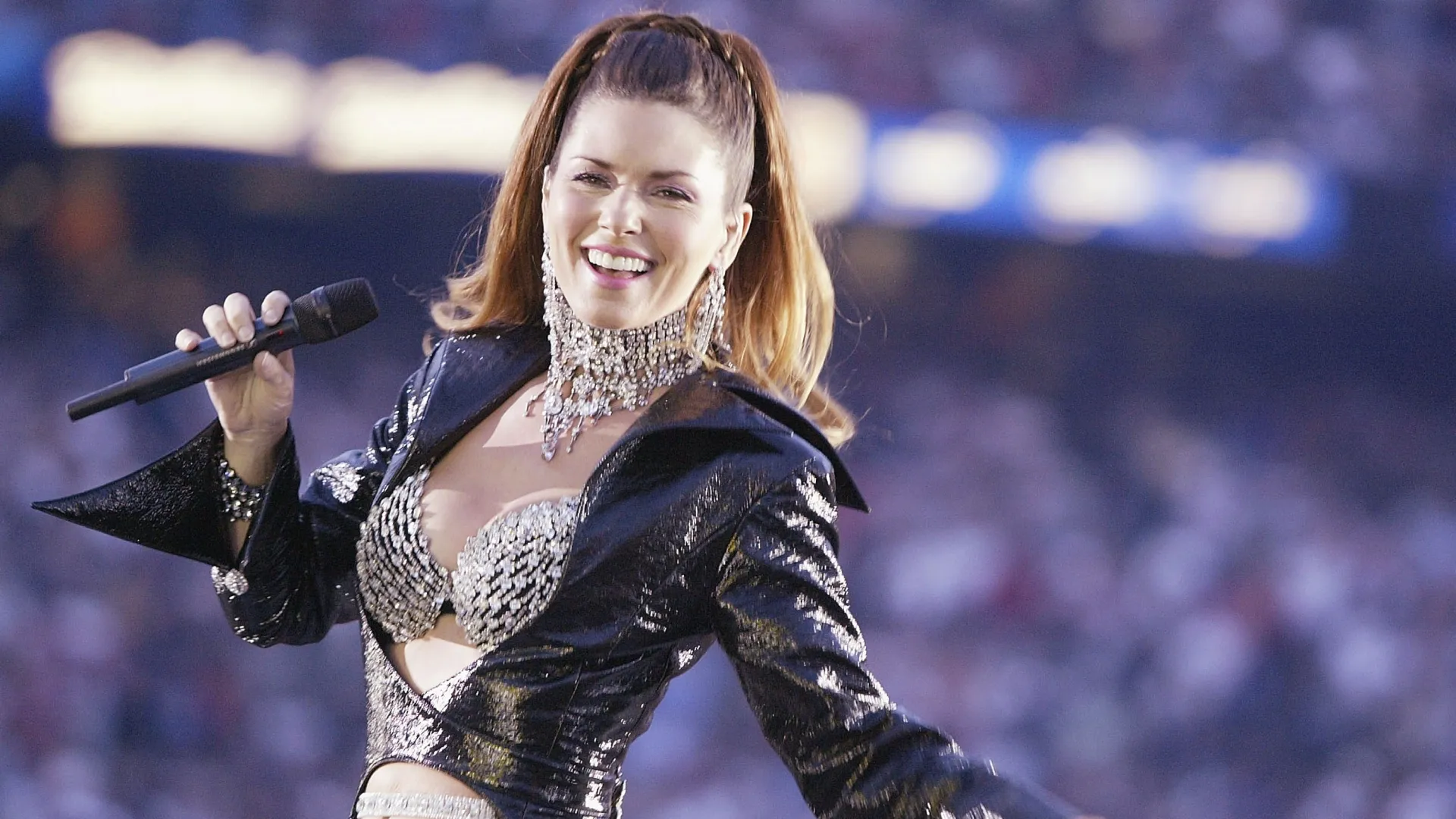
Shania Twain (Source: Al Bello/Getty Images)
In San Diego, the 2003 halftime show paired country-pop icon Shania Twain with ska-infused rockers No Doubt and British legend Sting. Critics were divided over Twain’s prerecorded vocals, but the collaborative set crossed genre lines, culminating in a memorable Sting–Stefani pairing on “Message in a Bottle.”
2002 — U2
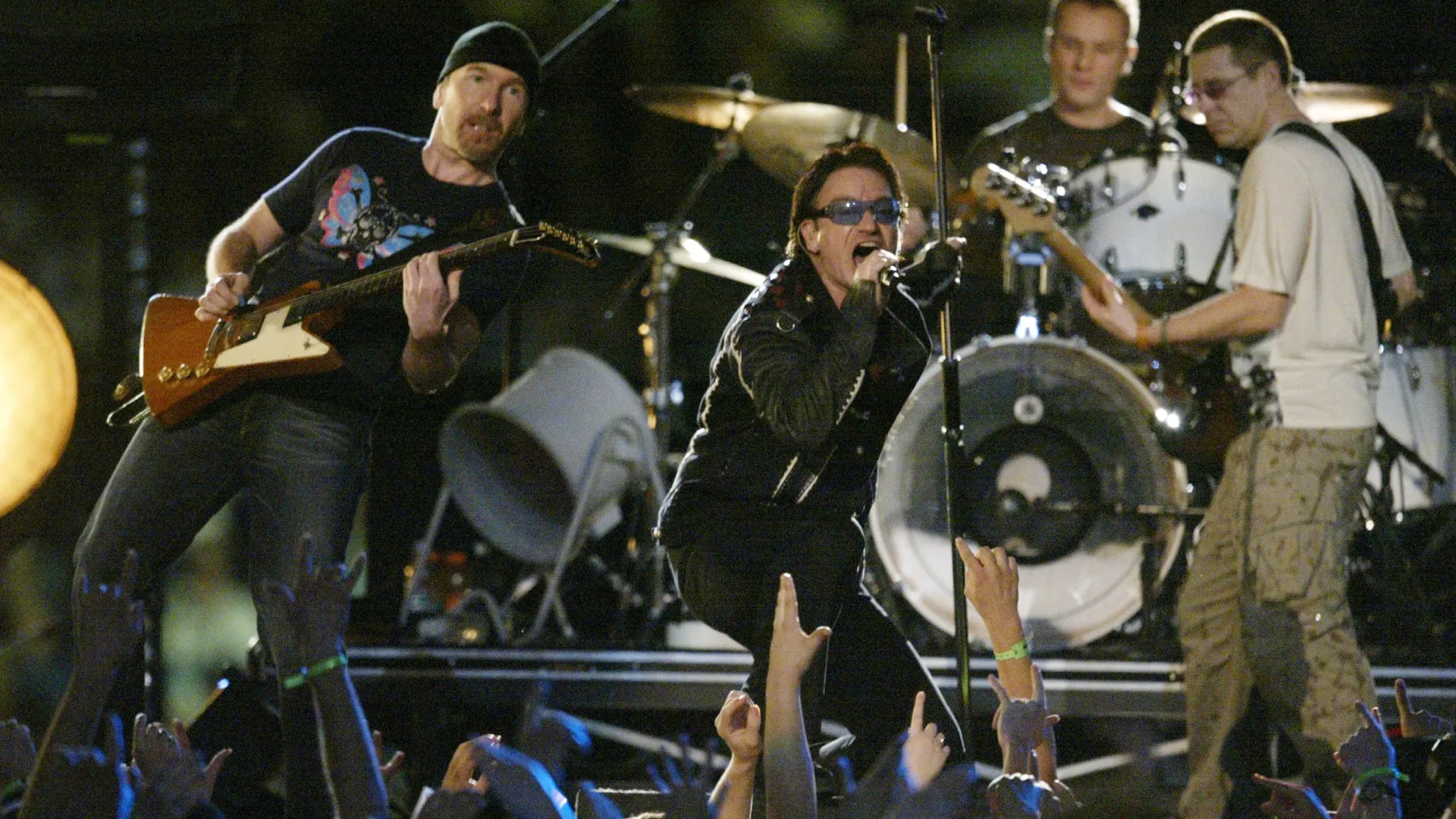
U2 (Source: Jed Jacobsohn/Getty Images)
U2’s 2002 halftime performance came at a solemn moment in American history, as it was the first Super Bowl after the Sept. 11 attacks. Their set was framed as a heartfelt tribute, with a backdrop featuring the names of victims and a patriotic display that underscored music’s role in collective healing.
2001 — Aerosmith, NSYNC, Britney Spears, Mary J. Blige and Nelly
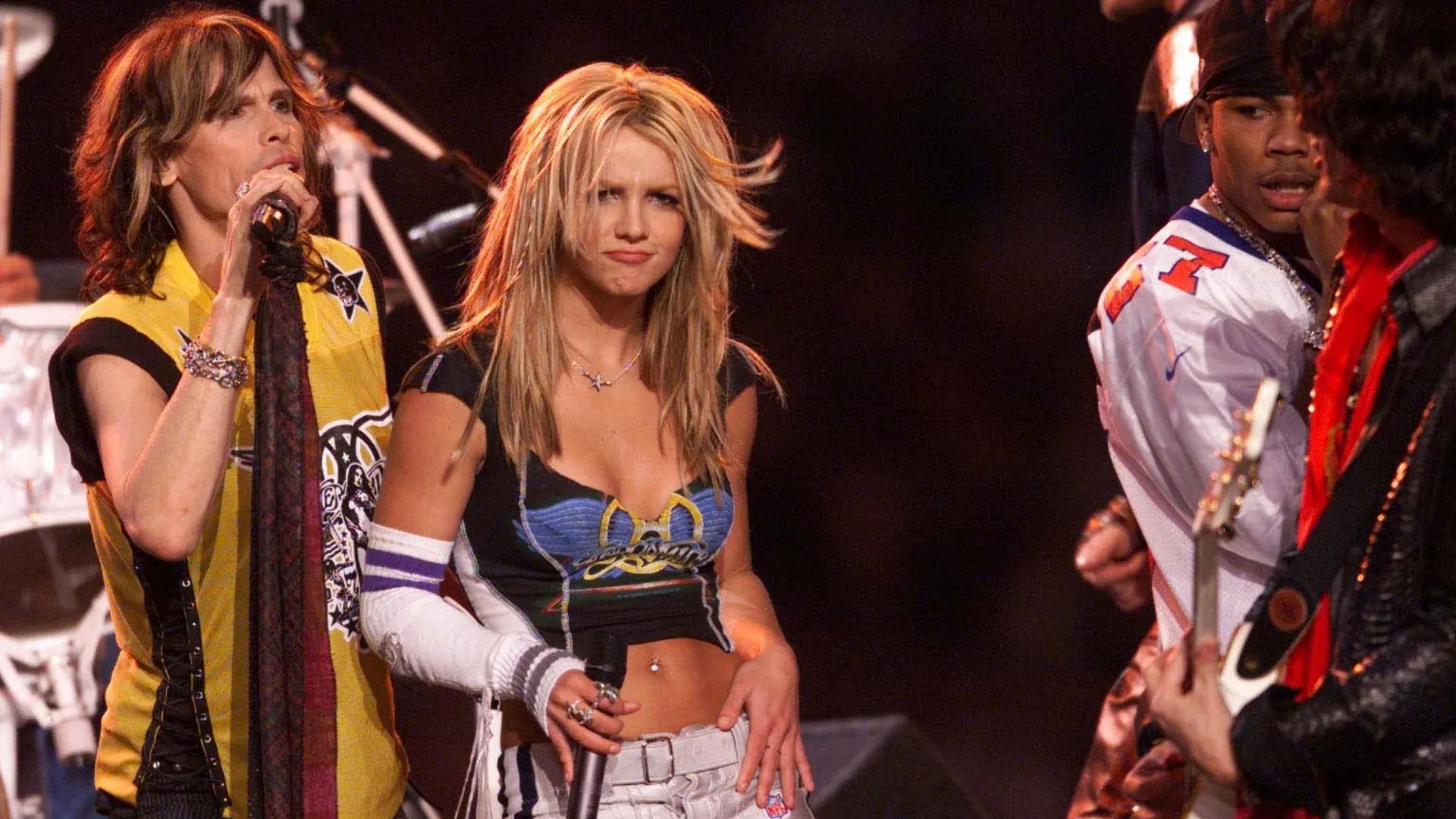
Steven Tyler of Aerosmith and Britney Spears (Source: Brian Bahr/ALLSPORT)
The 2001 halftime show at Super Bowl XXXV leaned into star power with a multi-genre cavalcade that read like a snapshot of the pop charts at their peak. Aerosmith opened with a gritty rock punch, then ceded the stage to NSYNC’s tight choreography and polished harmonies.
Britney Spears brought MTV-era gloss, Mary J. Blige grounded the set with soulful gravitas, and Nelly’s hip-hop swagger helped bridge eras and audiences. This wasn’t a concert so much as a time capsule — blistering, diverse, and unapologetically of its moment.
2000 — Phil Collins, Christina Aguilera, Enrique Iglesias and Toni Braxton
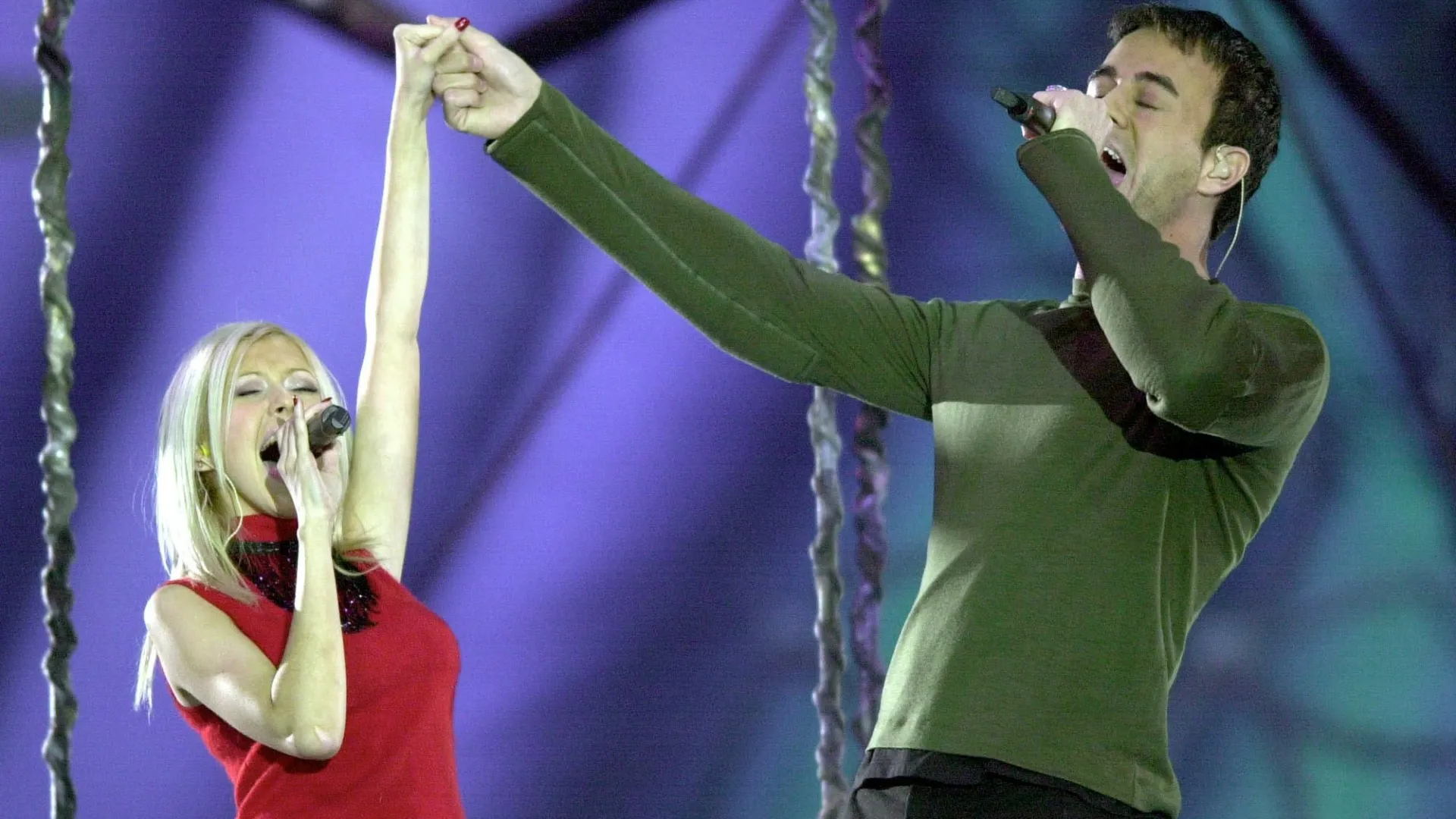
Christina Aguilera and Enrique Iglesias (Source: Doug Pensinger)
At Super Bowl XXXIV, halftime became a pageant of global spectacle. Anchored by Phil Collins’s seasoned showmanship, the performance unfolded like a broadcast variety special rather than a simple set list. Christina Aguilera’s powerhouse vocals, Enrique Iglesias’s suave presence, and Toni Braxton’s velvet tone each added a distinct texture, while an 80-member choir lifted the proceedings into grand, almost cinematic territory. The result was a theatrical moment — wide-ranging, emotionally pitched, and unabashedly ambitious.
1999 — Stevie Wonder, Gloria Estefan, Big Bad Voodoo Daddy and tap dancer Savion Glover
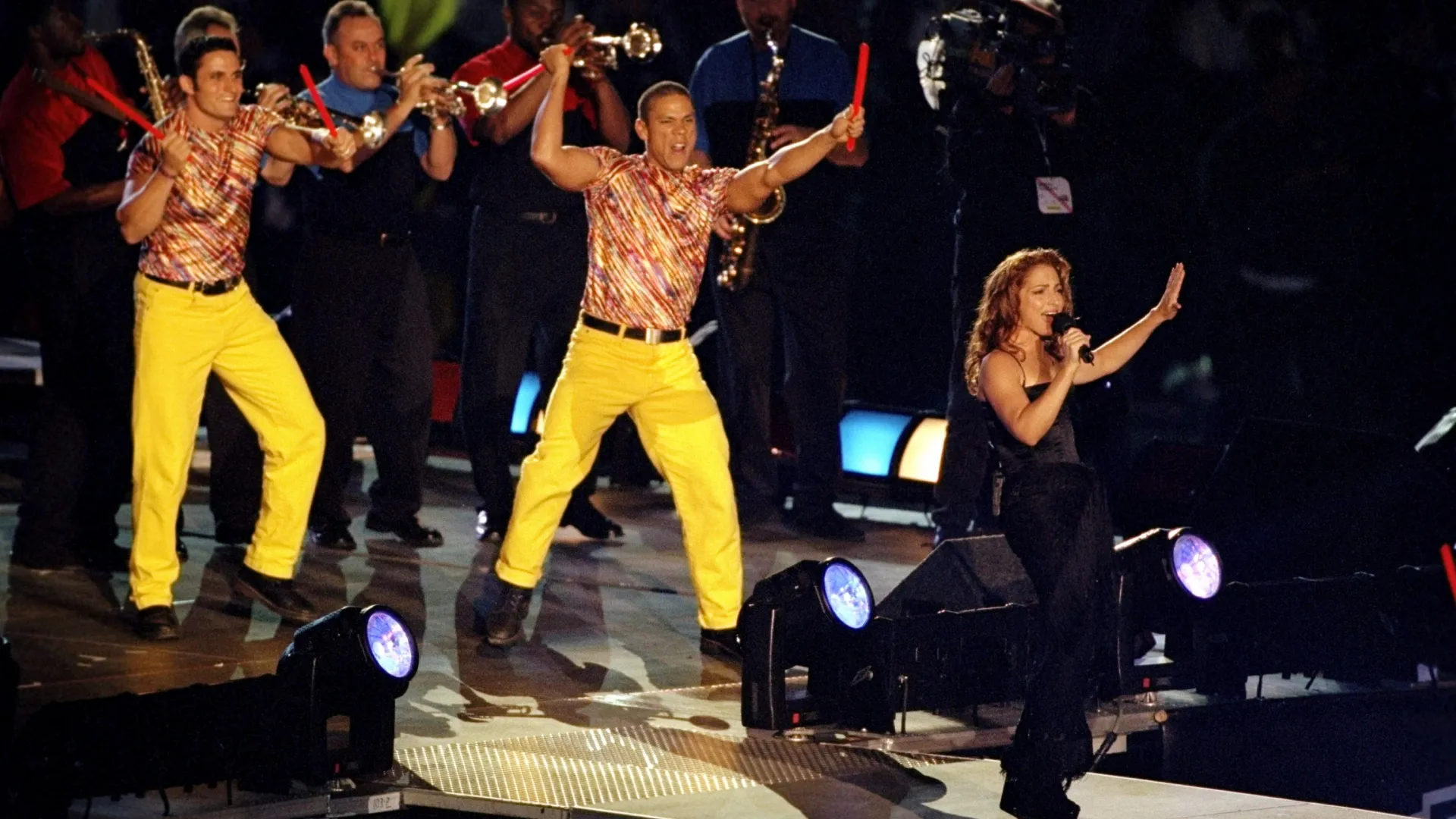
Gloria Estefan (Source: Getty Images)
Super Bowl XXXIII wove together a tapestry of American music traditions. Stevie Wonder’s gospel-inflected soul opened the set with his signature keyboard magic, setting a jubilant tone that Gloria Estefan continued with rhythmic Latin flair. Big Bad Voodoo Daddy’s swing revival energy punctuated the night with brassy punch, and tap legend Savion Glover brought percussive choreography to an already vibrant mix. Rather than a single genre, this halftime felt like a celebration of the country’s musical mosaic.
1998 — Boyz II Men, Smokey Robinson, Queen Latifah, Martha Reeves and The Temptations
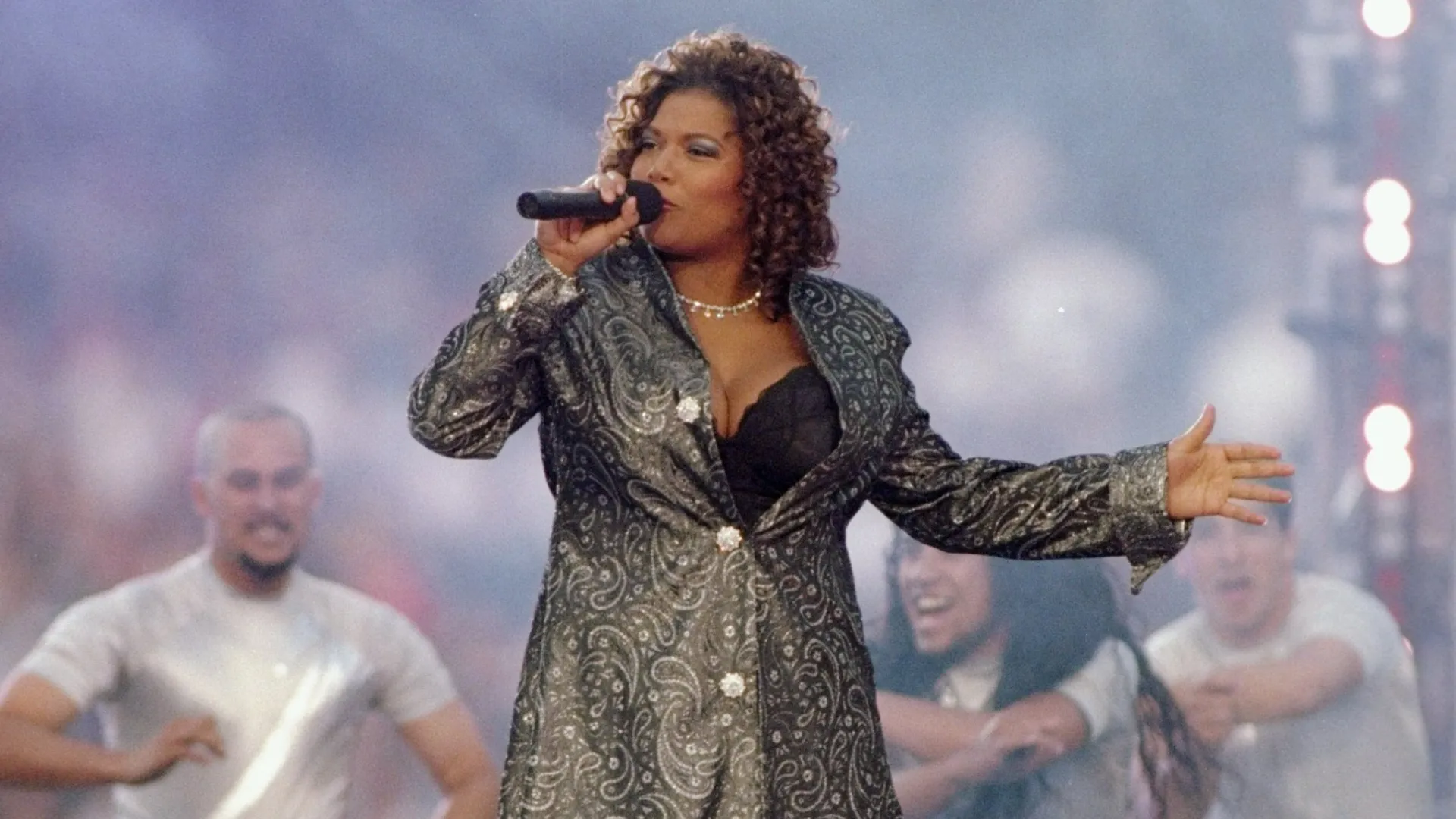
Queen Latifah (Source: Getty Images)
In 1998, the Super Bowl halftime show took on historic resonance by honoring Motown’s four decades of influence. Acts like Boyz II Men and Queen Latifah reconnected contemporary audiences with classic soul, while Smokey Robinson and Martha Reeves — founders of that golden sound — reminded viewers of the era that defined a generation.
The Temptations’ tight harmonies closed the set like a masterclass in vocal precision, grounding the spectacle in the enduring power of a musical legacy rather than mere spectacle.
1997 — Dan Aykroyd, John Goodman and James Belushi
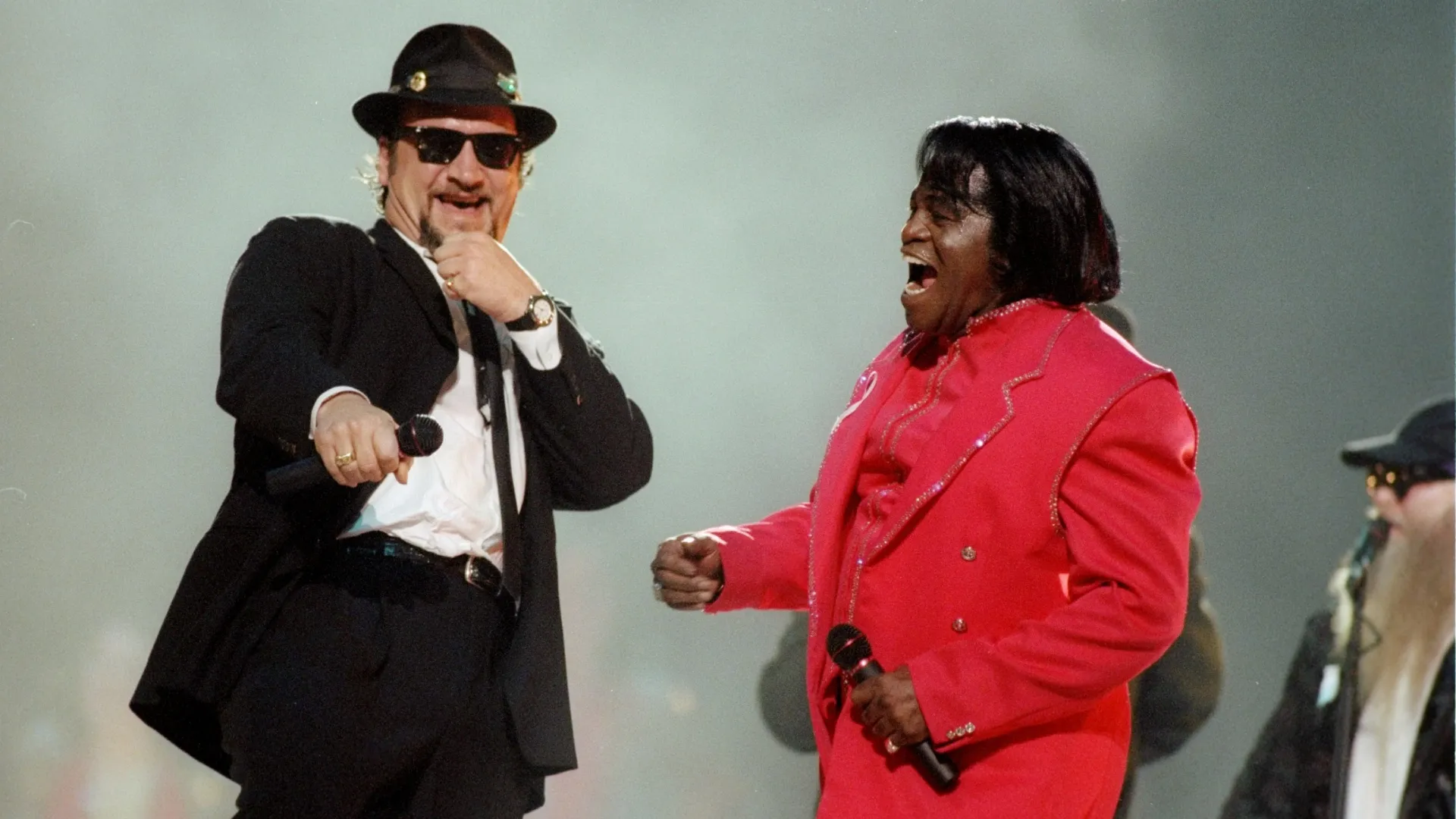
James Belushi and James Brown (Source: Getty Images)
At Super Bowl XXXI, halftime became a tongue-in-cheek tribute to roots music with a cast straight out of pop culture. Anchored by the Blues Brothers — Dan Aykroyd and John Goodman channeling rhythm & blues swagger with comic intensity — the show also featured James Belushi, rock riffs from ZZ Top, and a legendary turn by James Brown, whose frenetic energy ruled the stage.
This wasn’t just performance; it was a living, breathing homage to the blues and soul that underpin much of American music, wrapped in a playful, almost cinematic package.
1996 — Diana Ross
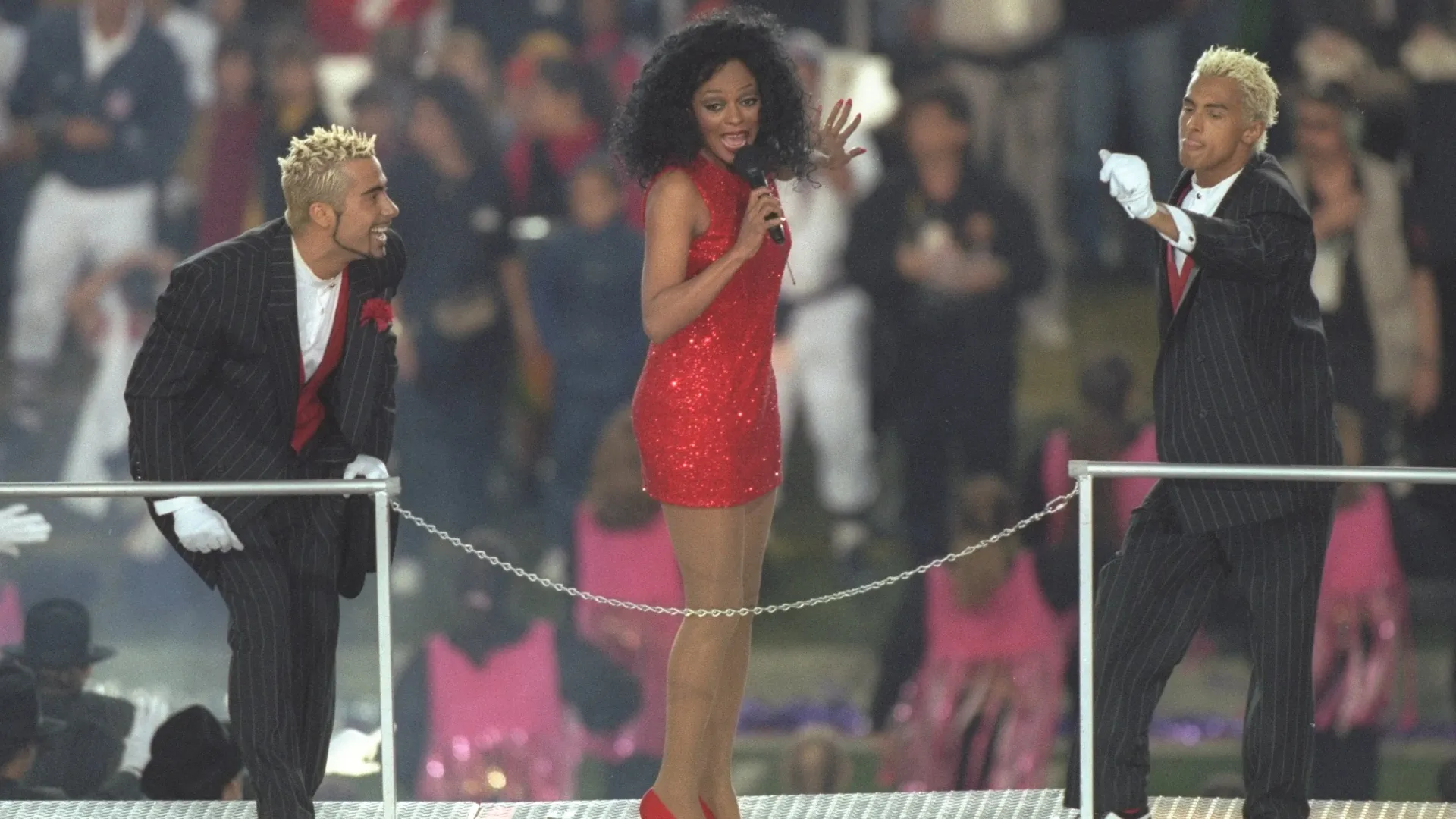
Diana Ross (Source: Al Bello /Allsport)
At Super Bowl XXX, Diana Ross delivered a halftime spectacle that blended pop grandeur with pure theatrical flourish, marking three decades of the championship game with unapologetic showbiz scale. Costume changes, pyrotechnics, and synchronized stadium card displays turned the performance into a living pageant of color and motion.
Yet the image that endured came at the finale, when Ross ascended into the sky aboard a waiting helicopter — a cinematic exit that captured the excess, ambition, and celebratory tone of mid-’90s halftime entertainment.
1995 — Tony Bennett, Patti LaBelle, Arturo Sandoval and the Miami Sound Machine
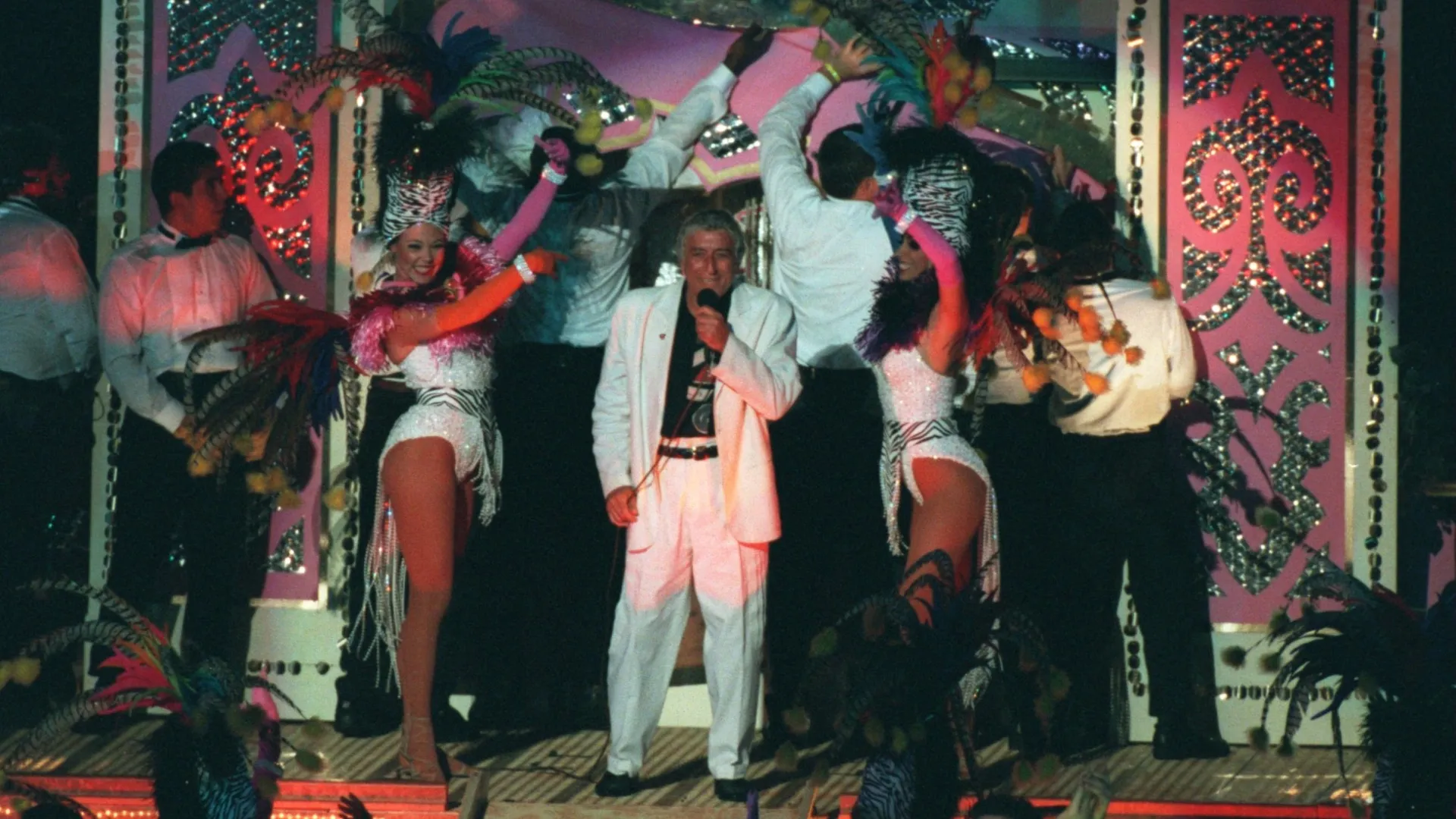
Tony Bennett (Source: Doug Pensinger/ALLSPORT)
The previous year leaned fully into narrative spectacle. Framed around an Indiana Jones-inspired adventure theme, the Super Bowl XXIX halftime show fused Hollywood storytelling with live musical performance.
Tony Bennett’s classic croon, Patti LaBelle’s soaring vocals, and Arturo Sandoval’s virtuosic trumpet lines unfolded amid choreographed stunts, bursts of fire, and even skydivers descending into the stadium.
As glowing light sticks illuminated the crowd in the closing moments, the production felt less like a concert and more like a theme-park attraction staged for television’s biggest audience.
1994 — Clint Black, Tanya Tucker, Travis Tritt, Wynonna and Naomi Judd
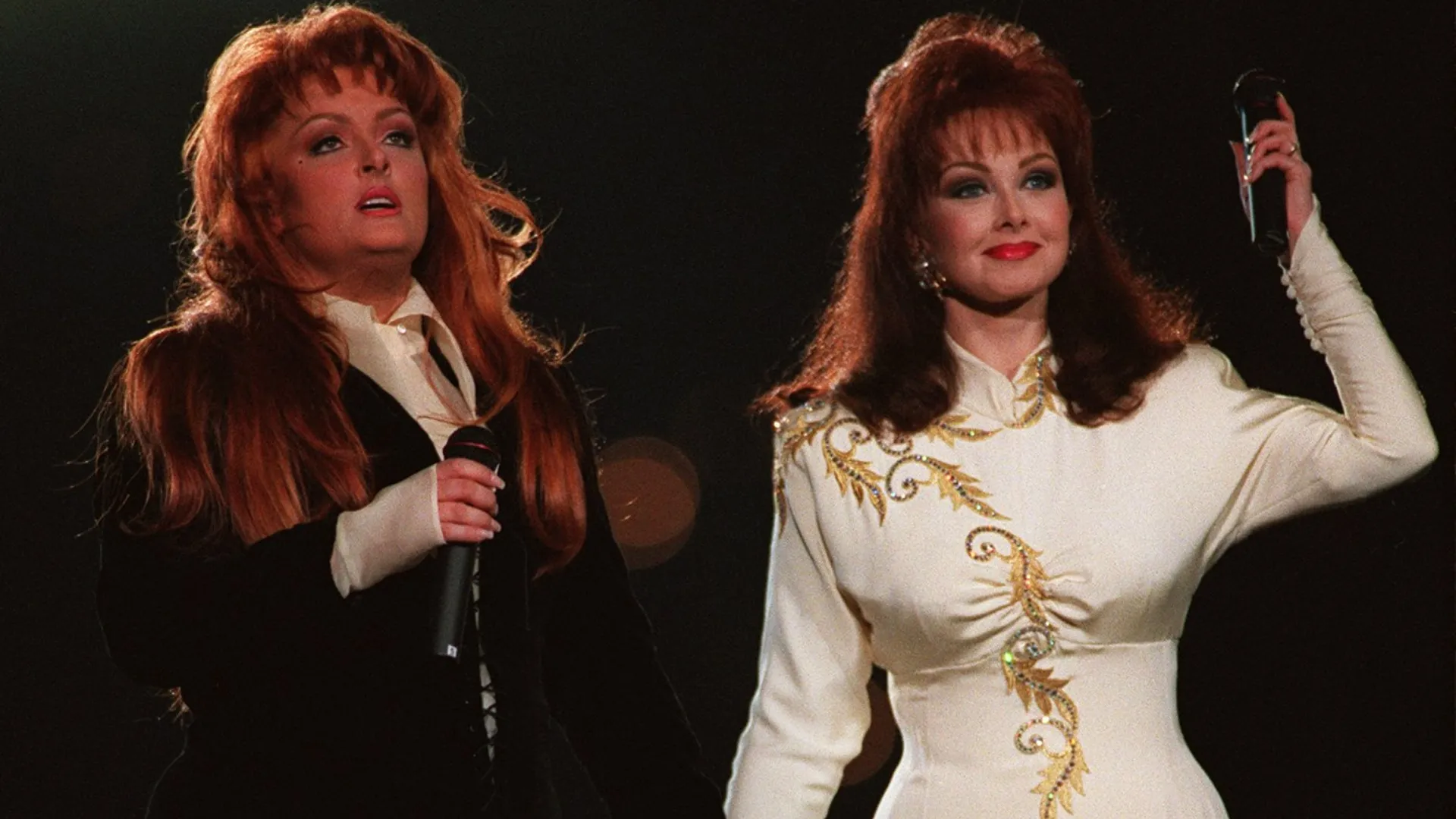
The Judds (Source: Stephen Dunn/Allsport)
Country music took center stage at Super Bowl XXVIII, reflecting the genre’s commercial surge in early-’90s America. Rather than elaborate theatrics, the show leaned on star presence and familiar storytelling melodies, with Clint Black, Tanya Tucker, Travis Tritt, and the Judds delivering a sequence rooted in heartland identity.
The closing flashlight stunt — thousands of small beams shimmering across the stadium — created a quiet, communal glow, emphasizing connection over spectacle in an era just before halftime shows transformed into pop megaprojects.
1993 — Michael Jackson
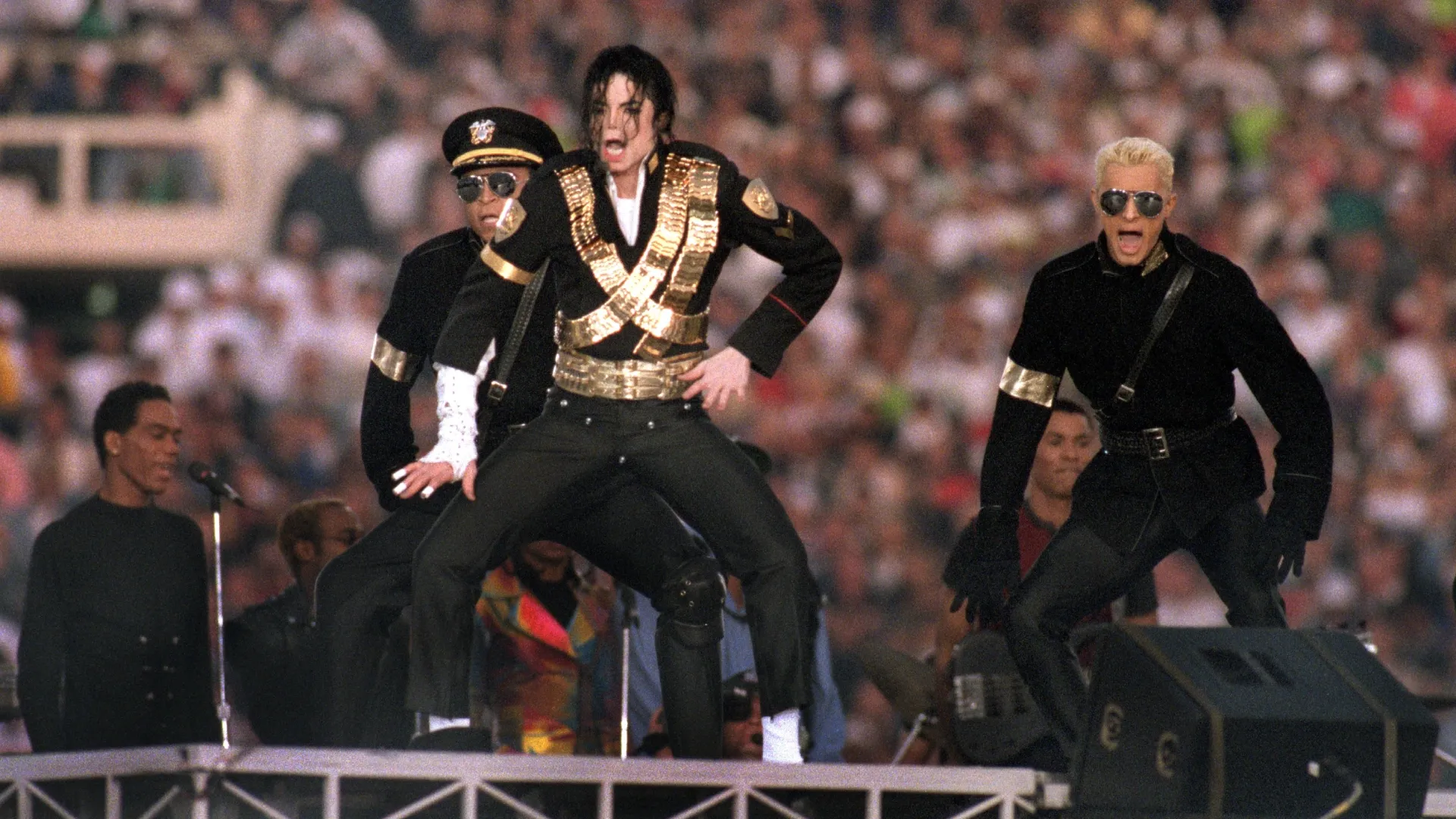
Michael Jackson (Source: George Rose/Getty Images)
Everything changed in 1993. Michael Jackson’s Super Bowl XXVII performance redefined what halftime could mean, shifting it from light entertainment to global cultural event. Opening with statuesque stillness before exploding into precision choreography and chart-topping anthems, Jackson commanded the stage with unmatched magnetism.
The inclusion of thousands of children for the humanitarian-themed finale underscored a message of unity that resonated far beyond the stadium. In retrospect, this moment stands as the turning point when the Super Bowl halftime show became essential pop history rather than mere intermission.
Has any performer done the halftime show twice?
Yes — while most Super Bowl halftime performers appear just once, a small group of artists have returned to the Big Game stage multiple times, either as headliners or featured guests. These repeat appearances offer a peek into both the commercial power of the halftime platform.
At the top of this list is Gloria Estefan, who holds the record for the most Super Bowl halftime show appearances. She performed three times during the 1990s, representing not just her own star power but the growing influence of Latin pop on mainstream American entertainment.
Other repeat performers include Justin Timberlake (2001, 2004 and 2018), Nelly (2001 and 2004), Bruno Mars (2014 and 2016), Mary J. Blige (2001 and 2022) and Usher (who appeared as a guest with The Black Eyed Peas in 2011 and returned as a headliner in 2024).
| Year | Super Bowl | Headliner | Special guest(s) / Other artists |
| 2026 | Super Bowl LX | Bad Bunny | TBA |
| 2025 | Super Bowl LIX | Kendrick Lamar | SZA |
| 2024 | Super Bowl LVIII | Usher | Alicia Keys, Jermaine Dupri, H.E.R., will.i.am, Lil Jon, Sonic Boom of the South |
| 2023 | Super Bowl LVII | Rihanna | None |
| 2022 | Super Bowl LVI | Dr. Dre, Snoop Dogg, Eminem, Mary J. Blige, Kendrick Lamar | 50 Cent, Anderson .Paak |
| 2021 | Super Bowl LV | The Weeknd | None |
| 2020 | Super Bowl LIV | Shakira and Jennifer Lopez | Bad Bunny, J Balvin, Emme Muniz |
| 2019 | Super Bowl LIII | Maroon 5 | Big Boi, Travis Scott, Georgia State Marching Band |
| 2018 | Super Bowl LII | Justin Timberlake | The Tennessee Kids, University of Minnesota Marching Band |
| 2017 | Super Bowl LI | Lady Gaga | None |
| 2016 | Super Bowl 50 | Coldplay | Beyonce, Bruno Mars, Mark Ronson, Gustavo Dudamel, University of California Marching Band, Youth Orchestra Los Angeles |
| 2015 | Super Bowl XLIX | Katy Perry | Lenny Kravitz, Missy Elliott, Arizona State University Marching Band |
| 2014 | Super Bowl XLVIII | Bruno Mars | Red Hot Chili Peppers |
| 2013 | Super Bowl XLVII | Beyonce | Destiny’s Child (Kelly Rowland, Michelle Williams) |
| 2012 | Super Bowl XLVI | Madonna | LMFAO, Cirque du Soleil, Nicki Minaj, M.I.A., CeeLo Green, Andy Lewis, local high school drumlines and choir |
| 2011 | Super Bowl XLV | The Black Eyed Peas | Usher, Slash |
| 2010 | Super Bowl XLIV | The Who | None |
| 2009 | Super Bowl XLIII | Bruce Springsteen and The E Street Band | None |
| 2008 | Super Bowl XLII | Tom Petty and The Heartbreakers | None |
| 2007 | Super Bowl XLI | Prince | Florida A&M Marching Band |
| 2006 | Super Bowl XL | The Rolling Stones | None |
| 2005 | Super Bowl XXXIX | Paul McCartney | None |
| 2004 | Super Bowl XXXVIII | Janet Jackson and Justin Timberlake | Kid Rock, P. Diddy, Nelly |
| 2003 | Super Bowl XXXVII | Shania Twain and No Doubt | Sting |
| 2002 | Super Bowl XXXVI | U2 | |
| 2001 | Super Bowl XXXV | Aerosmith and NSYNC | Britney Spears, Mary J. Blige, Nelly |
| 2000 | Super Bowl XXXIV | Phil Collins, Christina Aguilera, Enrique Iglesias, Toni Braxton | 80-person choir (e.g., Georgia State Choir) |
| 1999 | Super Bowl XXXIII | Stevie Wonder, Gloria Estefan | Big Bad Voodoo Daddy, Savion Glover |
| 1998 | Super Bowl XXXII | Boyz II Men, Smokey Robinson, Queen Latifah, Martha Reeves, The Temptations | None |
| 1997 | Super Bowl XXXI | The Blues Brothers | James Brown, ZZ Top |
| 1996 | Super Bowl XXX | Diana Ross | None |
| 1995 | Super Bowl XXIX | Tony Bennett, Patti LaBelle | Arturo Sandoval, Miami Sound Machine |
| 1994 | Super Bowl XXVIII | Clint Black, Tanya Tucker, Travis Tritt, Wynonna and Naomi Judd | None |
| 1993 | Super Bowl XXVII | Michael Jackson | 3,500 local children / choir for “Heal the World” finale |