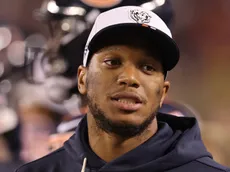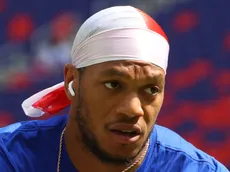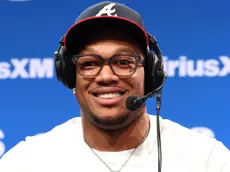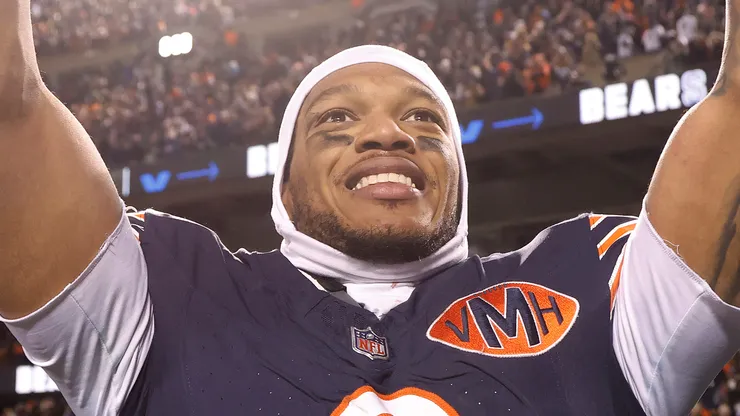
The Chicago Bears moved on from key veterans this offseason, including wide receiver DJ Moore, who was traded to the Buffalo Bills in exchange for a 2026 second-round pick, while sending a fifth-rounder back. The move generated criticism, praise, doubts, and opinions of all kinds after coming without an immediate explanation.
The reason for the trade came down to franchise convenience. With his massive salary cap hit and the influx of talent on Chicago’s roster, trading Moore made the most sense from a business standpoint. The main driver allowing them to make the move was simple: Luther Burden III.
Last offseason, the Bears did not need another wide receiver with DJ Moore and Rome Odunze on the roster. But when they elected to draft the best player available in the second round, they lucked into a young, promising playmaker who thrived in his rookie season, giving them the ability to move on from Moore.
Factors that influenced the decision on Moore
Moore carried a high cap number with large future salary guarantees kicking in, and parting ways saved Chicago roughly $16.5 million in financial flexibility. In addition, the rapid development of younger weapons—such as rookie standout Luther Burden III and Rome Odunze—made it easier for general manager Ryan Poles to move on from Moore’s high price tag.
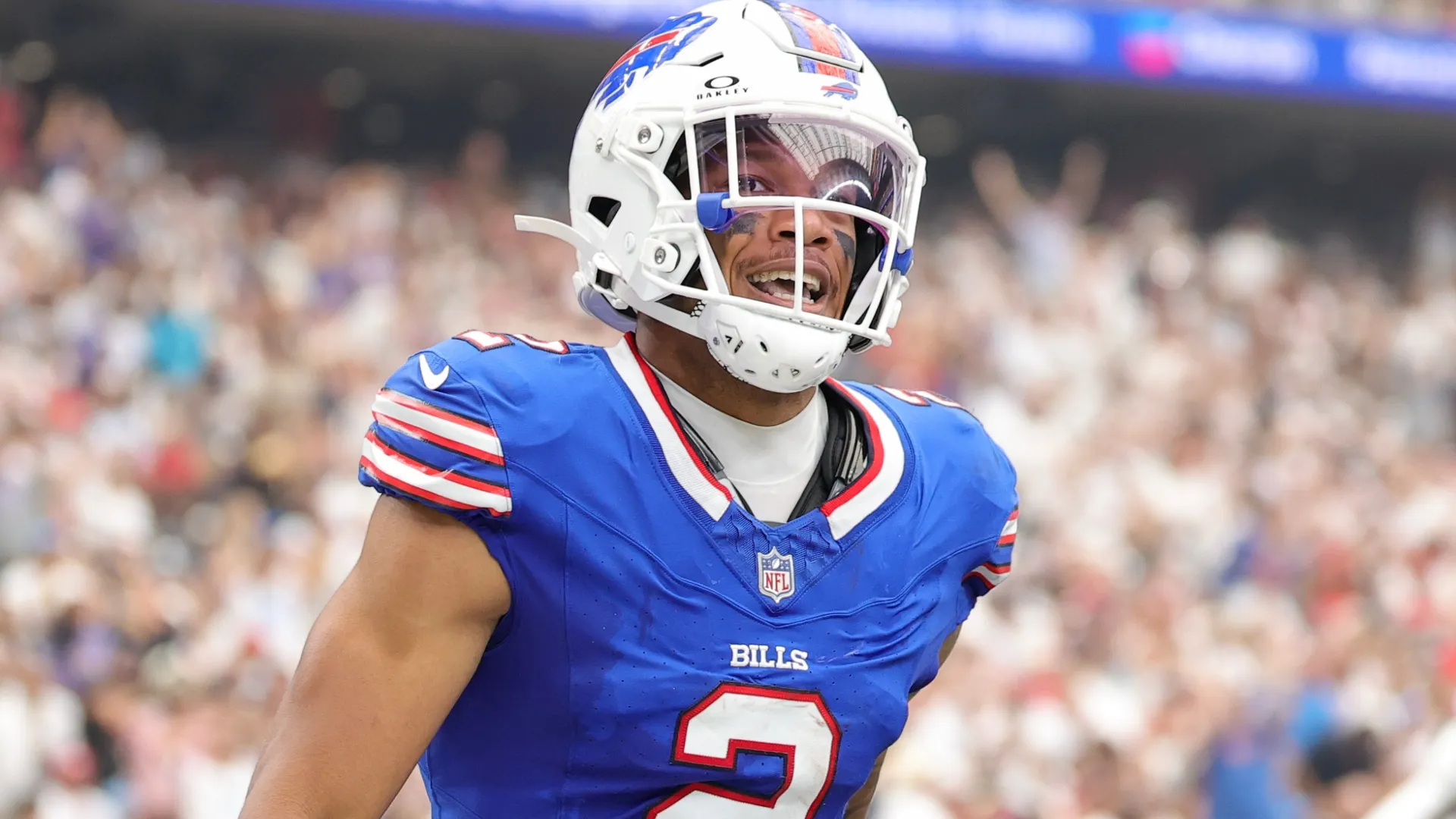
DJ Moore #2 of the Buffalo Bills celebrates after scoring a touchdown.
The Bears managed to secure a valuable 2026 second-round draft pick (No. 60 overall) from Buffalo in exchange for a fifth-round selection, maximizing the market value of a veteran receiver. Everything hinged on Ryan Poles’ confidence in Burden, who is expected to play a prominent role in his second season after showing his massive potential as a serious threat, as well as his versatility and playmaking ability.
Bears’ management of draft compensation and salary cap
The Bears did not actually select a player at No. 60 overall. Instead, general manager Ryan Poles traded down on Day 2 of the 2026 NFL Draft, sending the No. 60 pick to the Tennessee Titans.
This maneuver aimed to cover significant draft gaps on Day 3, as Chicago initially lacked fifth- and sixth-round selections. In exchange for trading back, they acquired pick No. 69 in the third round—used to select Stanford tight end Sam Roush—and pick No. 144 in the fifth round, providing crucial mid-round capital and late-draft flexibility.
Regarding the salary cap, while the roughly $16.5 million in savings from Moore’s contract placed the Bears in a safer position, the move primarily served to rebalance a top-heavy payroll. Heading into the regular season, the Bears were projected to be nearly $12 million over the league spending limit.
Combined with late-summer contract restructures for guard Joe Thuney, defensive end Dayo Odeyingbo, and linebacker T.J. Edwards, the cleared cap space achieved two strategic goals: pulling the team out of a compromised financial situation and ensuring rule compliance before Week 1, while leaving the team with between $4 million and $5 million in operating margin under the salary cap.
Key takeways
- A 2026 second-round pick was acquired from Buffalo for wide receiver DJ Moore.
- Roughly $16.5 million in financial flexibility was saved by parting ways.
- Pick No. 60 was traded to Tennessee for additional draft capital.