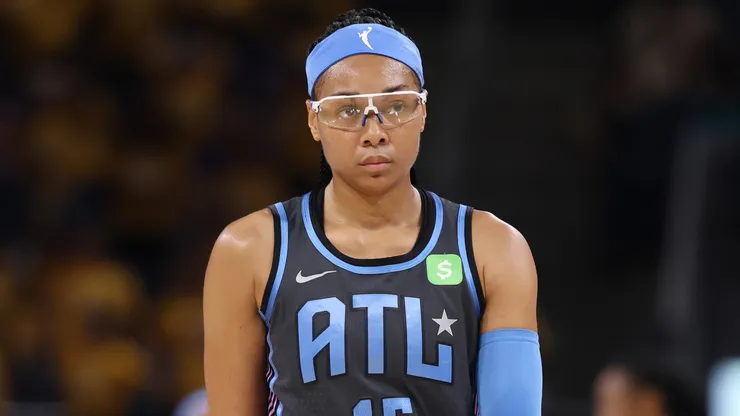
Alisha Gray has steadily become a key figure for the Atlanta Dream, showing growth and leadership on the court. Her journey reflects a mix of talent and determination, but behind the scenes, her contract speaks volumes about the team’s long-term plans.
In the WNBA, a player’s contract often reveals more than just salary — it hints at how a franchise values their presence and potential. Her deal is no exception, balancing immediate impact with future expectations in a competitive league.
As the franchise build around their core, her evolving role highlights both challenges and opportunities. It offers a window into the business side of basketball, where numbers meet the pursuit of excellence and team success.
What is Alisha Gray’s salary with the Atlanta Dream?
Allisha Gray’s compensation for the 2025 WNBA season reflects her significant role within the Atlanta Dream. According to Spotrac, she earns a base salary of $190,000, with both her cap hit and dead cap value matching this amount.
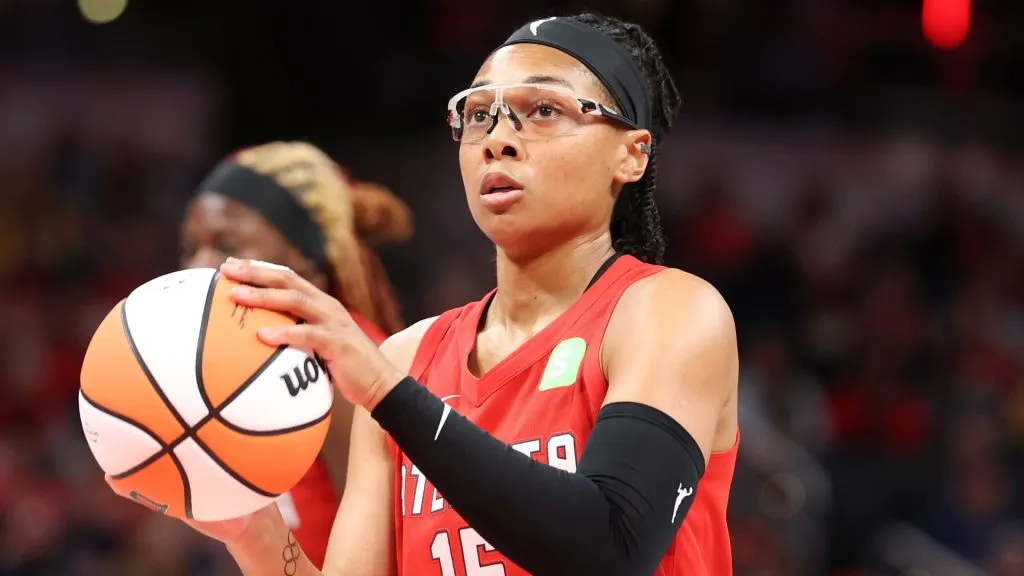
Allisha Gray #15 of the Atlanta Dream shoots the ball against the Indiana Fever at Gainbridge Fieldhouse on May 20, 2025. (Source: Andy Lyons/Getty Images)
In the broader context of the WNBA, her salary positions her within the mid-range of league-wide earnings. Her compensation reflects her status as a seasoned player with a proven track record, including her All-Star appearances and contributions to the Dream’s recent successes.
Alisha Gray’s contract: How long does the deal last?
Allisha Gray’s current contract with the Atlanta Dream is a three-year deal valued at $494,400. This contract, signed in 2023, signifies the team’s commitment to building a competitive team around key players like her.
As this term progresses, she is set to become a free agent in the 2026 offseason, giving her the option to re-sign or explore new opportunities elsewhere. This structure allows the franchise to evaluate roster needs and maintain cap flexibility.
As the WNBA continues to evolve, her contract may serve as a benchmark for future player negotiations, balancing financial considerations with the growing recognition of players’ value both on and off the court.