The FIFA World Cup Final has always been about soccer first. From Pele lifting the trophy in 1970 to Lionel Messi‘s triumph in Qatar in 2022, the halftime break has traditionally remained a brief pause, with ceremonies taking place before kickoff.
That long-standing tradition is set to change in 2026, when FIFA introduces its first-ever Super Bowl-style halftime show. The decision marks one of the biggest entertainment shifts in World Cup history.
FIFA partnered with Global Citizen to stage a live halftime performance during the final, with Coldplay’s Chris Martin helping curate the lineup in an effort to blend soccer, music and global culture on the sport’s biggest stage.
Why didn’t previous FIFA World Cup finals have a halftime show?
Previous FIFA World Cup finals did not feature a halftime show because FIFA traditionally kept the 15-minute interval exclusively for the players, match officials and essential stadium operations.
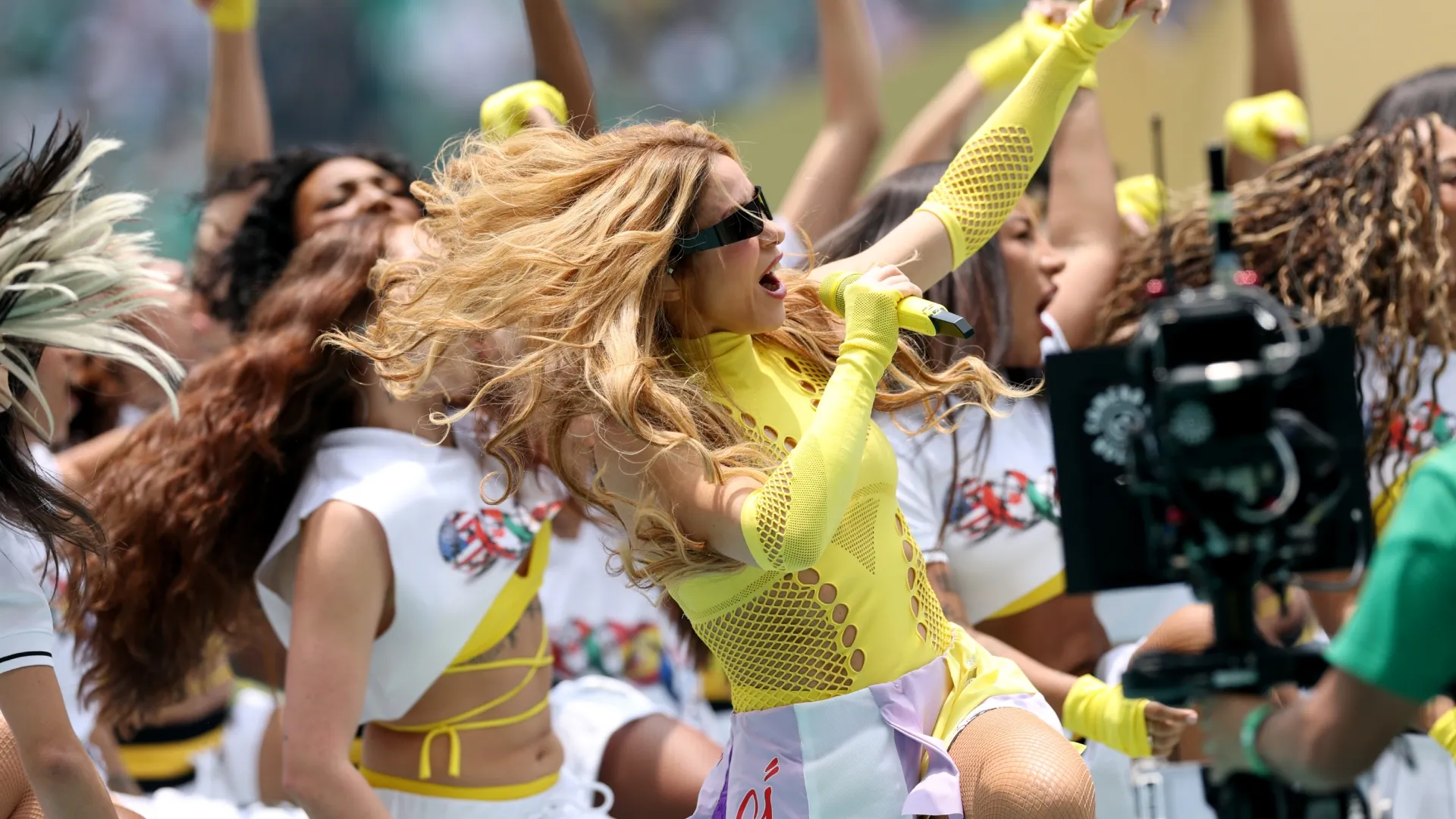
Shakira performs during the Opening Ceremony before the FIFA World Cup 2026 Group A match (Source: Carl Recine/Getty Images)
Unlike the Super Bowl, where halftime has become a major entertainment event, the World Cup Final has always prioritized the sporting competition, with musical performances taking place before kickoff or after the trophy ceremony.
For decades, FIFA viewed halftime as a short recovery period. Players returned to the locker room to receive tactical instructions, medical treatment and hydration, while stadium crews prepared the field for the second half.
The 15-minute break follows the Laws of the Game established by the International Football Association Board (IFAB), making it consistent across virtually every major soccer competition worldwide.
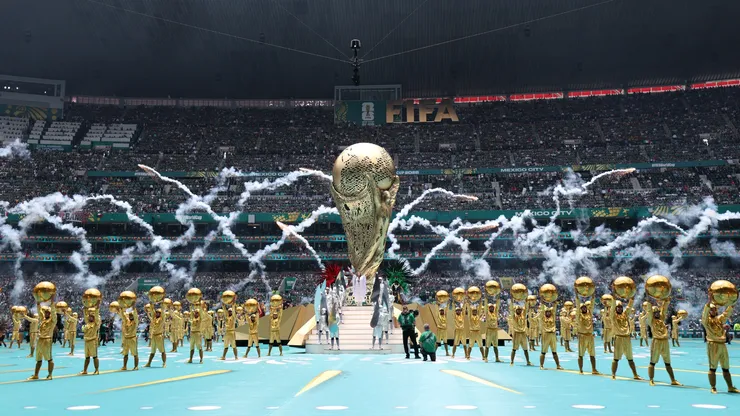
Instead of interrupting the match with entertainment, FIFA focused its musical productions on ceremonies surrounding the final. Opening ceremonies before kickoff often featured internationally renowned artists.
That philosophy remained unchanged from the inaugural World Cup in 1930 through Qatar 2022. FIFA only decided to change that tradition ahead of the 2026 tournament by introducing the first-ever halftime show for the final.
What halftime entertainment has FIFA featured before World Cup finals?
Before 2026, FIFA had never staged halftime entertainment during a FIFA World Cup Final. Every previous final maintained the traditional 15-minute intermission without concerts, live musical acts or large-scale productions on the field.
That does not mean World Cup finals lacked entertainment. FIFA regularly organized elaborate pre-match ceremonies that showcased the host country’s culture while also featuring internationally recognized performers.
These productions typically took place 30 to 60 minutes before kickoff and included dancers, visual effects, special guests and the official World Cup anthem. Some of the most memorable musical moments happened outside halftime.
Shakira performed “Waka Waka (This Time for Africa)”, one of the most iconic World Cup songs ever, during the closing ceremony of the 2010 tournament in South Africa. Other editions featured artists including Ricky Martin and JLo.
Will the 2026 FIFA World Cup Final halftime break be longer?
Yes! The 2026 FIFA World Cup Final halftime break is expected to be significantly longer than the traditional 15 minutes to accommodate the tournament’s first-ever halftime show.
Although every other match at the 2026 FIFA World Cup follows the standard 15-minute halftime interval, FIFA is making a special exception for the final. Multiple reports indicate the break will last approximately 25 to 30 minutes.
The halftime show will be held at New York New Jersey Stadium and will feature a star-studded lineup. The longer halftime has generated discussion across the soccer world because IFAB’s Laws of the Game generally limit halftime.
Critics argue that a longer break could affect player rhythm and physical preparation, while supporters believe the historic entertainment spectacle will introduce the World Cup Final to an even broader global audience.