
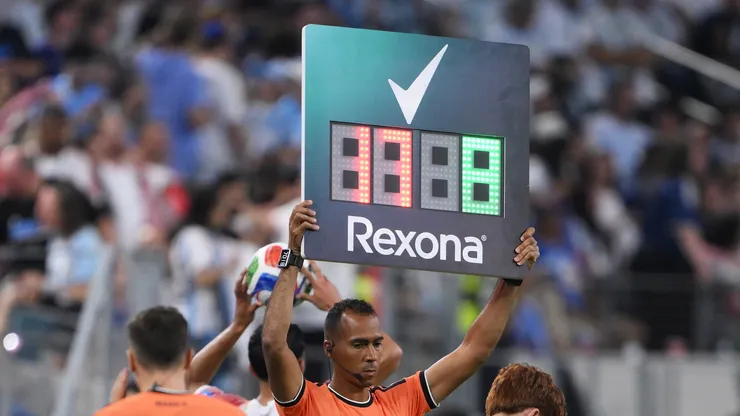
The knockout stage of the 2026 World Cup brings immense tension, and managing player fatigue becomes a critical task for any national team manager. When a match tied after ninety minutes enters a grueling thirty-minute extra time period, squad depth is tested to its absolute limit.
During this extended period, a team is permitted to make one additional substitution beyond its regular allotment. Since a manager is allowed five changes during normal time, this extra window brings the total maximum to six substitutions per match. This rule applies even if a coach has already exhausted all five standard changes before the whistle blew for full-time.
Furthermore, any unused substitutions or window opportunities from the regulation ninety minutes carry over into extra time. This creates an interesting strategic dynamic where a tactical mastermind can completely refresh half of the outfield line-up.
When were more substitutions allowed?
FIFA permanently modified the traditional three-substitute limit in 2022 following positive feedback from temporary pandemic-era player welfare measures. The specific allowance for a fourth extra-time substitute was actually trialed much earlier, famously featuring in the 2018 World Cup.
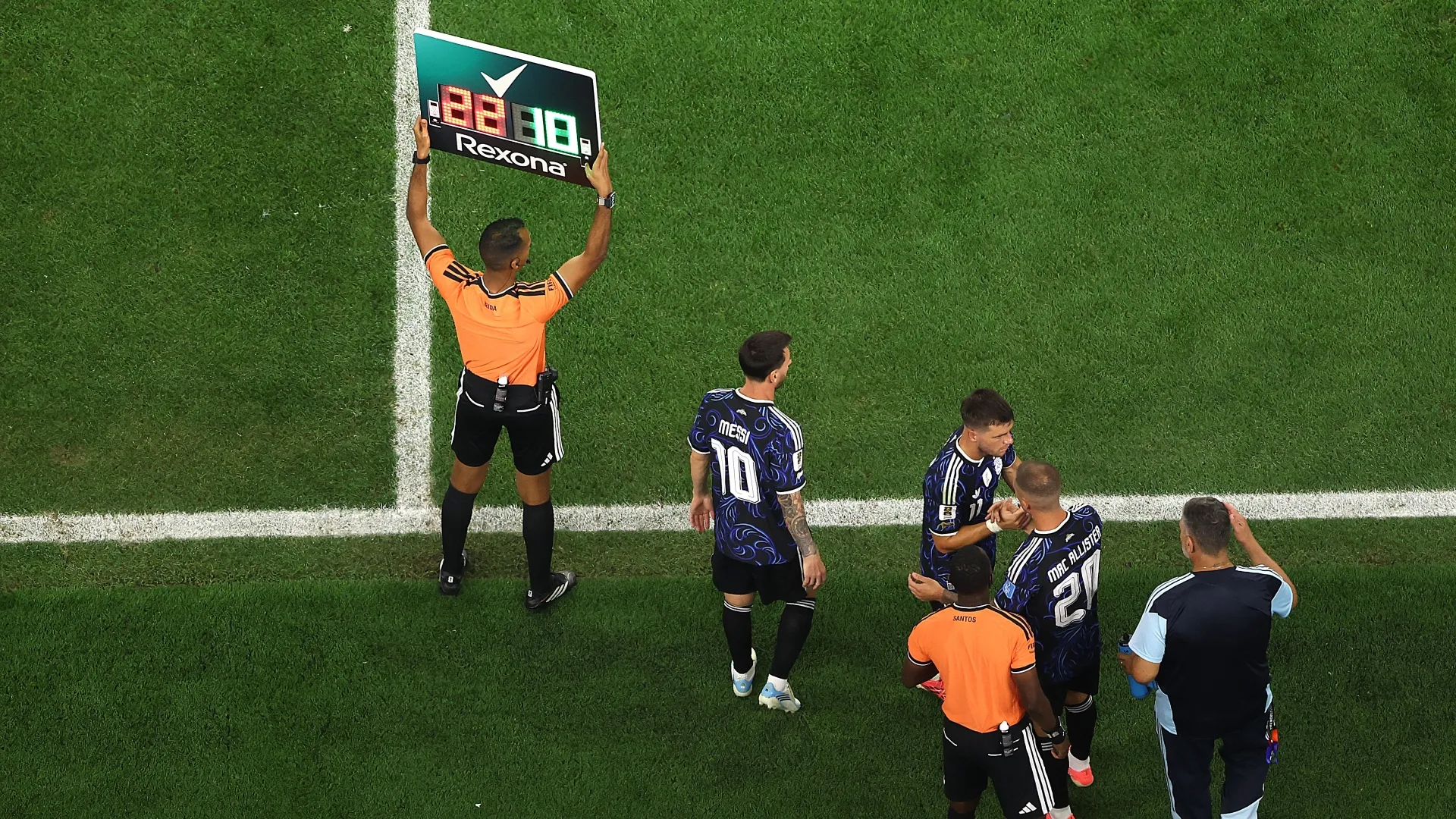
Fourth referee during a substitution
The strategy proved highly successful and quickly spread to major club tournaments like the UEFA Champions League and domestic cup competitions. Today, this setup is standard across global football, ensuring that tactical innovation does not grind to a halt when players suffer from severe cramping.

Do teams have enough players for substitutions?
Every participating nation travels to the tournament with an expanded twenty-six-player squad, providing plenty of options on the bench. Within this roster, a manager must select three dedicated goalkeepers, though a tactical change for this position is rare unless an injury occurs. Occasionally, a coach might make a late strategic goalkeeper swap specifically to prepare for a looming penalty shootout.