As the NFL world transitions from Super Bowl LX into offseason mode, a new calendar of player movement begins to take shape. Teams and agents alike mark the shift from 2025 contracts to a flurry of negotiations poised to reshape rosters before the 2026 campaign.
Across the league, conversations intensify between teams, agents and players approaching contract crossroads, all with the calendar already pointing toward the 2026 season opener in early September. Rules, timing and financial limits shape a market where bold decisions and patience collide.
Free agency ultimately becomes more than a transaction period — it’s where ambitions surface and long-term plans take form. The choices made in those early weeks often echo from spring headlines into the games that define the fall.
NFL free agency 2026: When does it start?
The 2026 NFL free agency signing period officially opens on March 11, 2026, at 4:00 PM ET, coinciding with the start of the new league year. From that moment, teams are permitted to sign unrestricted free agents, execute trades and formally reshape their rosters after the expiration of 2025 player contracts.
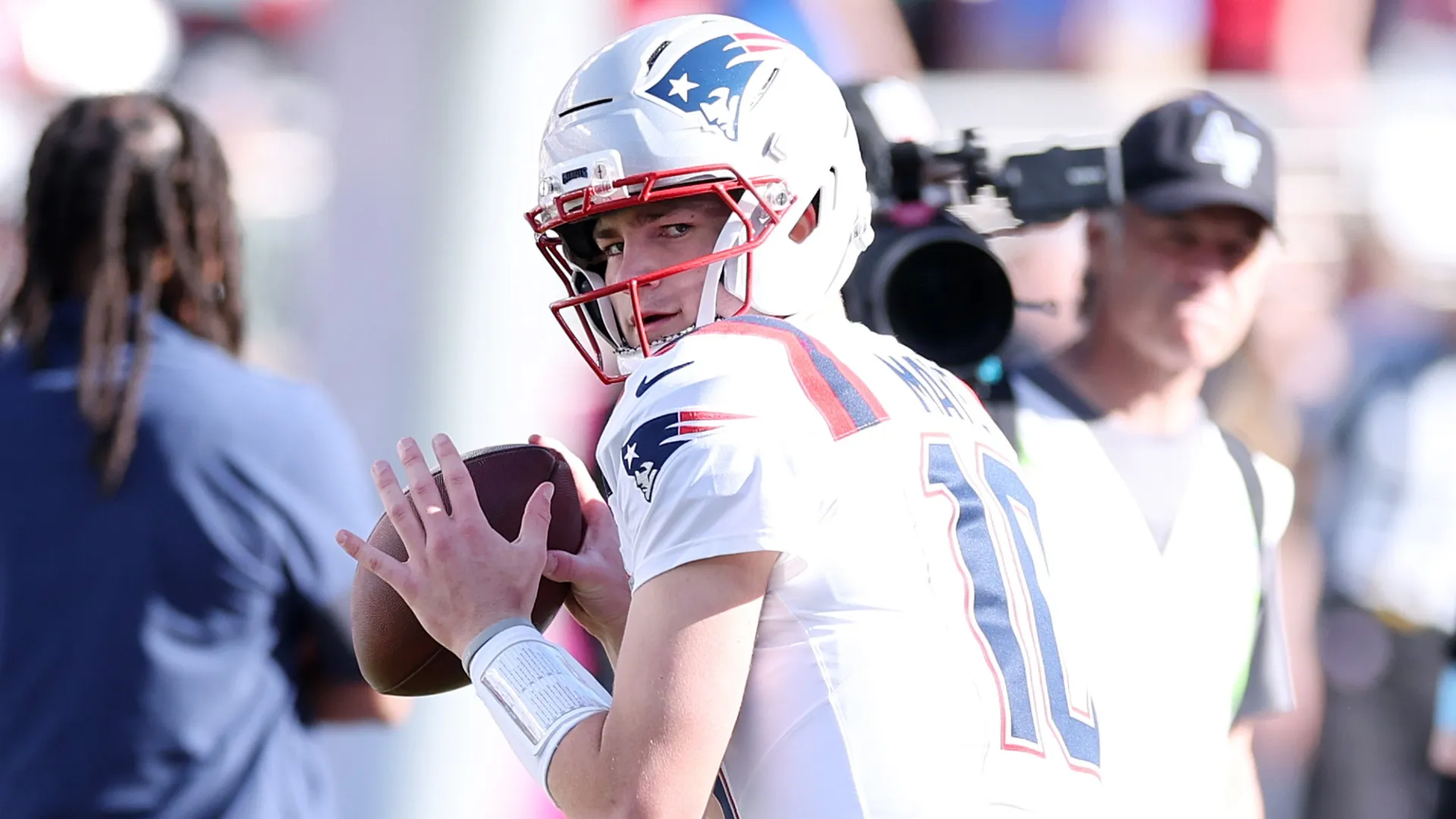
Drake Maye of the Patriots warms up prior to the start of Super Bowl LX (Source: Kevin C. Cox/Getty Images)
A “legal tampering” negotiation window opens two days earlier, on March 9 at noon ET, allowing agents and team executives to begin discussions before agreements can be finalized.
While no contracts may be signed during this period, the groundwork laid in those early conversations often determines the first wave of official deals. The days surrounding the opening of free agency traditionally produce one of the most intense stretches of the NFL calendar.
Rules, legal tampering and key deadlines to know
Before free agency formally begins, the league allows a brief legal tampering window from March 9 to March 11, during which teams may contact and negotiate with the representatives of impending unrestricted free agents. Contracts, however, cannot be signed until the new league year officially starts.
Additional offseason rules continue to shape roster construction in the weeks that follow. Clubs must track restricted free agent offer-sheet deadlines, rights of first refusal and salary-cap compliance, all of which influence how aggressively organizations pursue talent or retain their own players.
Taken together, these mechanisms turn free agency into more than a signing period. It becomes a carefully timed strategic phase where financial structure, competitive urgency and long-term vision intersect, setting the tone for the months leading to the next NFL season.
Who stands to gain (or lose) most in 2026 free agency
As the 2026 NFL free agency period approaches, clubs are preparing for a critical offseason. Some franchises enter the market with significant salary-cap flexibility and pressing needs, while others face tough decisions to retain core talent or overhaul areas of weakness.
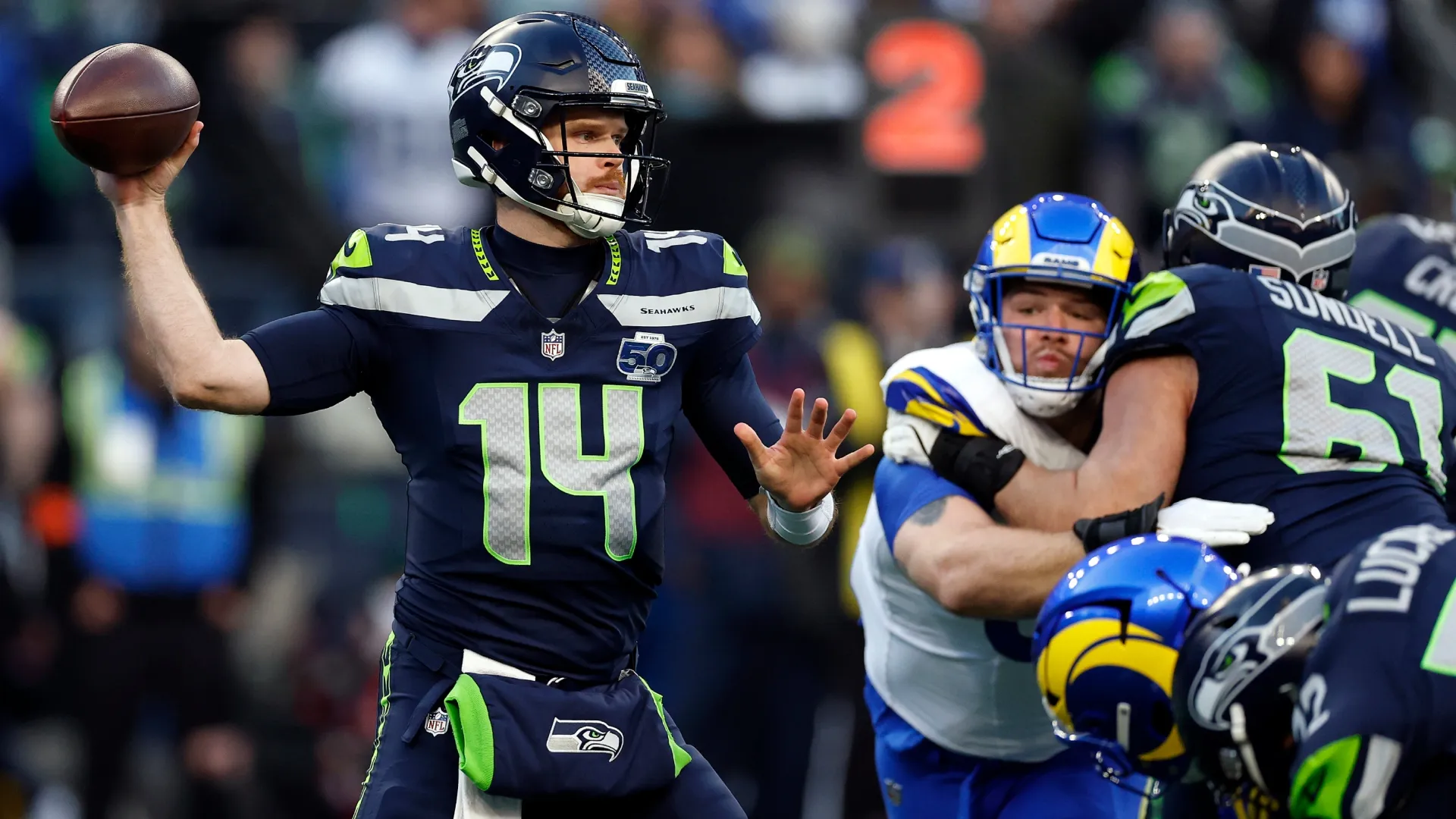
Sam Darnold #14 of the Seattle Seahawks in 2026 (Source: Ronald Martinez/Getty Images)
Among teams poised to be active spenders, the New York Jets, Seattle Seahawks and Washington Commanders stand out with notable cap space heading into 2026, as Pro Football Network also reported.
The Jets and Seahawks both sit with upwards of $75 million available, enabling them to pursue impact free agents and potentially reinforce key positions, while Washington also has room to work after a disappointing 5-12 finish in 2025.
On the flip side, franchises like the Kansas City Chiefs and Buffalo Bills enter free agency with tighter financial footing, facing the possibility of losing high-value contributors or needing to prioritize contract extensions over big-ticket signings.
The Chiefs, in particular, are projected to be significantly over the cap without structural moves, while the Bills have several notable veterans whose futures could be in flux. Other teams, such as the Las Vegas Raiders, must balance a large group of potential departures with strategic reinvestment.