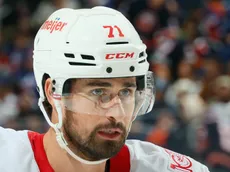
The ongoing trade stalemate between the Detroit Red Wings and Dylan Larkin remains the defining storyline of Hockeytown’s regular season. While Larkin’s trade request and expanded 10-team list have fueled relentless speculation across the league, Detroit interim general manager Shawn Horcoff continues to reject lowball offers and futures-heavy trade proposals.
Speaking on the financial dynamics behind Detroit’s leverage, beat writer Helene St. James outlined why the Red Wings hold all the cards in potential negotiations. Beyond his top-line production, Larkin’s underlying contract structure makes him one of the most cost-effective elite assets available to acquiring contenders.
“To the Red Wings, Dylan Larkin is an incredible asset. $8.7 million cap hit, but he’s already been paid $31 million. The most he makes in actual salary is $8 million a year. So, no, they’re not just going to give him away.”
Will Red Wings trade Dylan Larkin?
St. James’ analysis targets the economic value embedded in Larkin’s eight-year, $69.6 million extension signed in March 2023. Because Detroit front-loaded the cash payout during the first three years of the deal—paying out $31 million in total cash upfront—any team acquiring Larkin moving forward gets an elite top-six center earning a manageable real-money salary while under contract through 2031.
While competing front offices view an $8.7 million annual cap hit as a substantial commitment, the actual cash payout makes Larkin an extraordinarily attractive asset for budget-conscious contenders or teams navigating salary cap boundaries.
Starting this season, Larkin’s base cash earnings drop to $8 million per year before eventually scaling down further in the final years of the deal. Several key factors explain why Horcoff refuses to lower his asking price:
- Front-Loaded Value: Detroit already absorbed the heaviest cash payouts of Larkin’s deal, meaning rival teams benefit from premium production at a lower out-of-pocket real salary.
- Long-Term Asset Security: Under contract through the 2030-31 season, acquiring Larkin is not a short-term rental; he represents a permanent top-six solution for any contender.
- Zero Financial Urgency: Because Detroit is not facing immediate salary cap pressure, Horcoff can comfortably hold onto Larkin until a suitor delivers a true “home run” return centered around immediate top-six NHL talent.
What will Dylan Larkin do next?
St. James’ update serves as a direct message to aggressive suitors like the Minnesota Wild, Boston Bruins, and Montreal Canadiens. While rival executives may hope to exploit the public nature of Larkin’s trade request to acquire him on the cheap, Detroit’s front office views his contract as an elite asset that commands premier market value.
Unless an interested contender steps forward with an established young center or a comprehensive three-team package that satisfies Horcoff’s immediate roster demands, Larkin will remain in Detroit as the Red Wings evaluate their options heading toward the deadline.
Key takeaways
- Helene St. James emphasizes that Detroit will not “give away” Dylan Larkin due to the immense value of his contract.
- Detroit already paid $31 million of Larkin’s total deal, dropping his actual annual salary to $8 million for acquiring teams.
- Interim GM Shawn Horcoff maintains total leverage, insisting on receiving a high-impact, immediate top-six return before pulling the trigger.