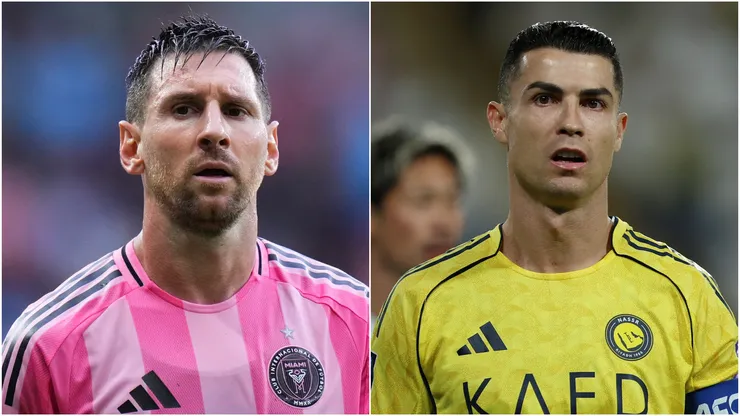
The financial gap between the Saudi Pro League and MLS has become one of the most discussed talking points, especially with Cristiano Ronaldo leading Al Nassr in Saudi Arabia and Lionel Messi starring for Inter Miami.
While both leagues have built global relevance through superstar power, the reality behind title prize money reveals two very different economic models shaping modern soccer.
The Saudi Pro League is backed by state-driven investment and long-term sports expansion strategies. Meanwhile, Major League Soccer operates under a tightly regulated financial structure designed around parity.
Cristiano Ronaldo vs Lionel Messi: Who earns more from winning a title?
Cristiano Ronaldo earns significantly more than Lionel Messi when it comes to winning a league title, mainly because the Saudi Pro League rewards success with far higher performance bonuses compared to MLS’s fixed and relatively small championship prize structure.
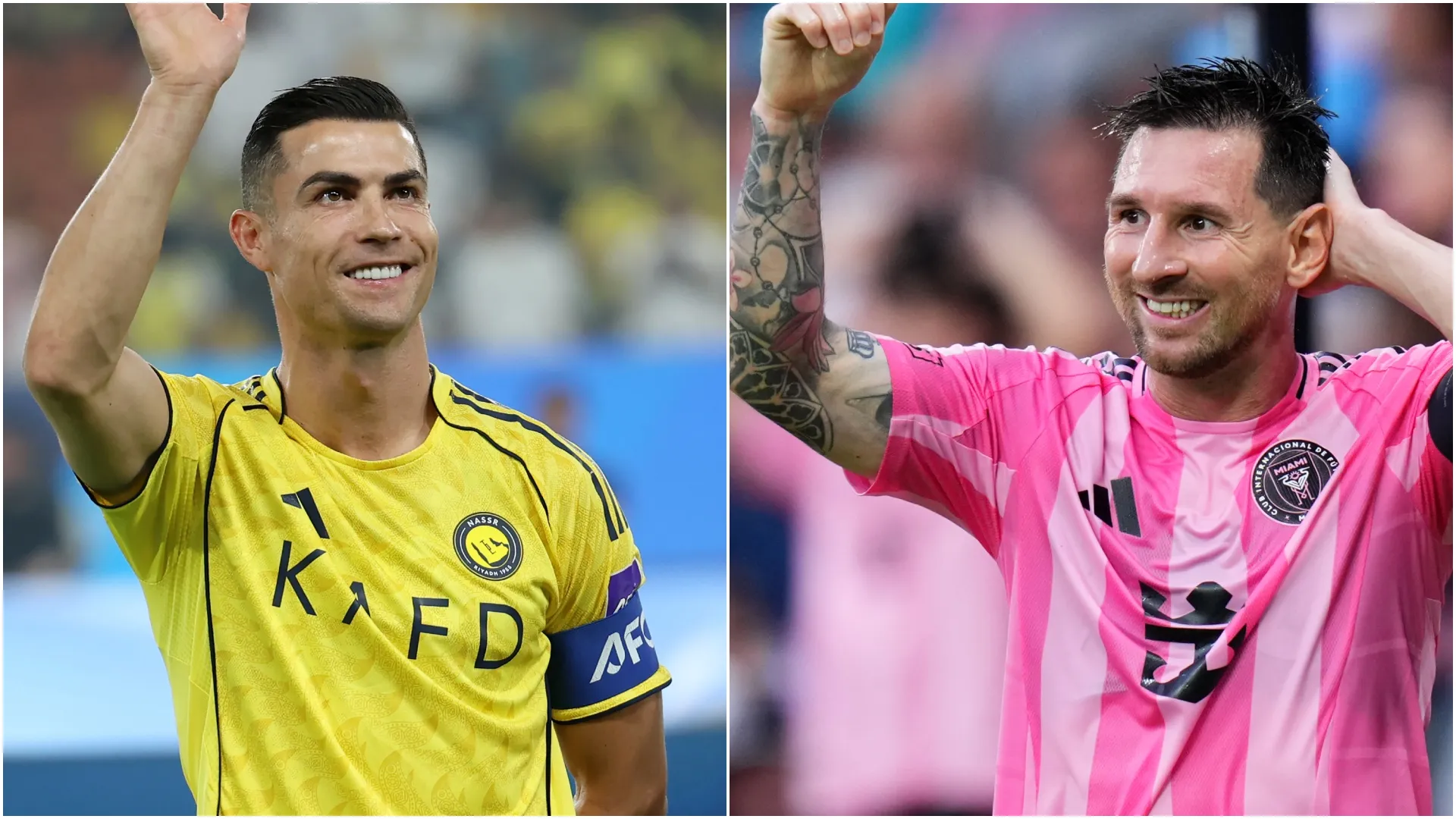
Cristiano Ronaldo of Al Nassr and Lionel Messi of Inter Miami in 2026 (Source: Yasser Bakhsh/Rich Storry — Getty Images)
In Major League Soccer, the confirmed prize money for winning the MLS Cup is around $300,000 per team, with runners-up receiving about $150,000, according to official league breakdowns and reporting.
The Saudi Pro League has not officially revealed the current financial reward for winning the title. The latest confirmed amount dates back to 2023, when Al Ittihad reportedly received SR5 million — roughly $1.33 million.
This means that when Lionel Messi and Inter Miami won the title in 2025, the direct financial reward from the league remained relatively limited due to MLS’ salary cap and parity-driven model.
Cristiano Ronaldo’s situation at Al Nassr is structurally very different. His contract includes a reported $8 million bonus specifically for winning the Saudi Pro League, on top of a base package that exceeds $200 million annually including salary and commercial rights.
The key difference is how each competition is designed. MLS distributes fixed and capped rewards to maintain competitive balance across all franchises, while the Saudi Pro League allows clubs to operate with high-value incentive structures.
Saudi Pro League vs MLS: Who offers higher prize money?
The Saudi Pro League offers significantly higher overall financial rewards than Major League Soccer, especially when combining salary structures, title bonuses and club-level incentives.
In MLS, the confirmed prize money for winning the MLS Cup is relatively small by global soccer standards. The champion earns around $300,000, while the runner-up receives $150,000, according to league competition breakdowns.
That figure highlights how MLS prioritizes competitive balance over financial rewards tied to sporting success. By contrast, the Saudi Pro League does not operate with a publicly fixed “title prize pot” in the same way.
Instead, clubs distribute success-based bonuses internally, supported by massive investment structures and state-backed funding models. This allows total compensation tied to winning the league to reach significantly higher levels.
Are bonuses higher in Al Nassr than in Inter Miami?
Yes — bonuses at Al Nassr are generally higher and more flexible than those at Inter Miami due to the Saudi Pro League’s investment-heavy structure.
In Saudi Arabia, clubs such as Al Nassr structure contracts with large, individually negotiated bonus packages linked to winning the league, qualifying for continental competitions, and meeting performance targets.
These payments are not capped in the same way as MLS, allowing elite players to earn substantial additional income on top of already massive salaries.
In MLS, bonus structures are standardized under the collective bargaining agreement between the league and the MLS Players Association. While Inter Miami players can earn playoff bonuses and MLS Cup incentives, these amounts remain limited due to salary cap rules and financial parity regulations.
Messi’s MLS deal, however, does reportedly include revenue income besides the base salary that appears on the salary guide.