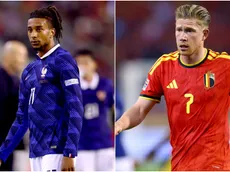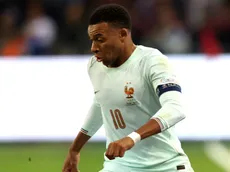
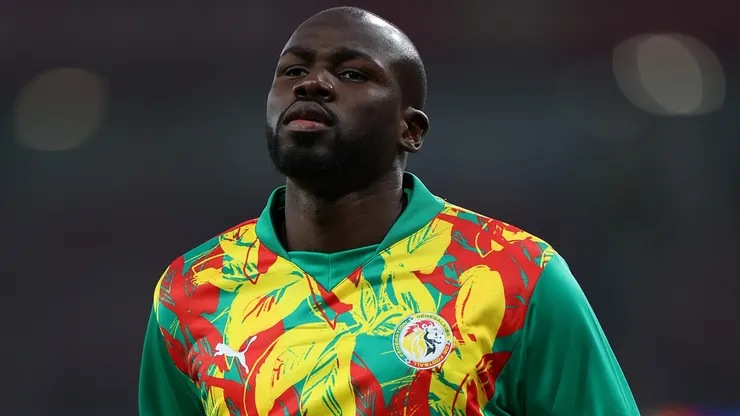
Senegal’s 2026 World Cup squad is built on a powerful blend of France-born talent and international imports, turning the national soccer team into one of the most globally diverse teams in the tournament. It isn’t the only team to have players born abroad though, as France have many players representing other countries.
Under coach Pape Thiaw, the Lions of Teranga arrive with a roster that reflects both domestic development and the deep influence of European systems. A significant portion of the squad features players born or developed in France.
Names such as Sadio Mane’s supporting cast and several defenders and midfielders with French training backgrounds. Their roster also includes foreign-developed players, strengthening depth in every line of the pitch as Senegal boast a FIFA ranking to be proud of.
Which French-born players are part of Senegal’s 2026 World Cup squad?
Senegal’s 2026 World Cup squad includes a notable group of France-born or France-developed players, with up to 10 soccer players on the roster having been born in France or formed in French academies.
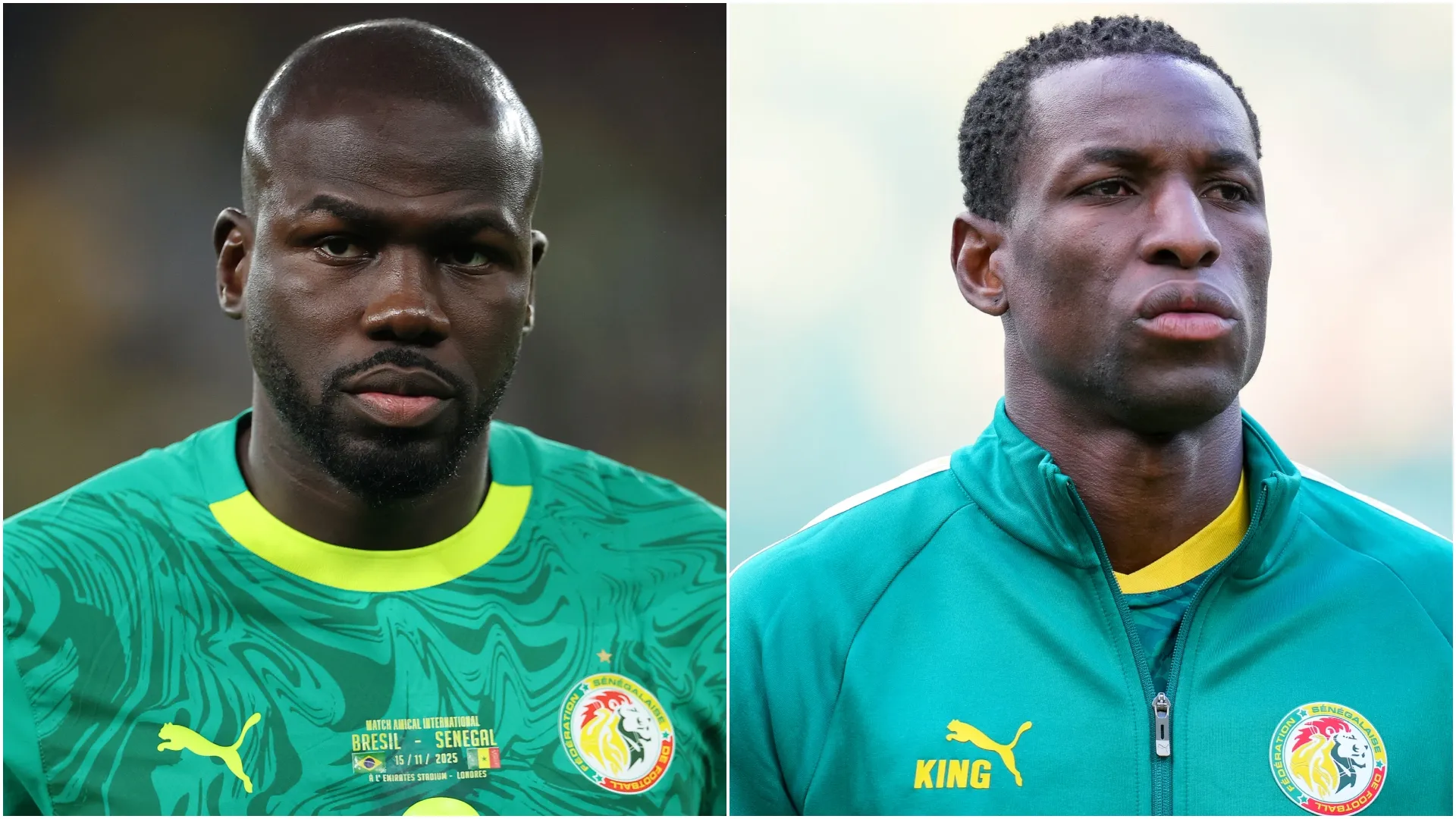
Kalidou Koulibaly and Nicolas Jackson (Source: Harry Murphy/Franco Arland — Getty Images)
This France-Senegal link is one of the strongest in international soccer, as many of these players progressed through Ligue 1 systems before switching allegiance at senior level. The French players included in the roster are:
- Eduoard Mendy
- Mory Diaw
- Yehvann Diouf
- Kalidou Koulibaly
- Moussa Niakhate
- Mamdou Sarr
- Antoine Mendy
- Pape Gueye
- Iliman Ndiaye
- Ibrahim Mbaye
Kalidou Koulibaly is also part of this broader diaspora story, having represented France at youth level before becoming captain of Senegal. The result is a squad deeply influenced by French soccer education, combining tactical discipline.
Why does Senegal rely so heavily on France-developed talent?
Senegal relies heavily on France-developed talent because France has one of the strongest soccer development systems in the world, and many players of Senegalese heritage are born or raised in French academies.
Ligue 1 clubs such as AS Monaco, Olympique Lyon, PSG and Rennes consistently develop elite-level players with international readiness. As a result, they benefits from athletes who already have high-level tactical training.
How many foreign-born players are in Senegal’s World Cup roster?
A significant portion of the Senegal national soccer team is made up of players born or developed outside the country, mainly in French academies and Ligue 1 systems, reinforcing the nation’s strong diaspora-based squad structure.
In total, the roster is made up of 12 foreign-born players, 10 of whom are from France. Ismail Jakobs is another one, as he was born in Germany, while Nicolas Jackson is from The Gambia.
The result is a hybrid squad identity: a core of domestic leaders complemented by Europe-born or Europe-trained talent, giving Senegal both depth and tactical versatility heading into the 2026 FIFA World Cup.
Which Ligue 1 academies produced Senegal’s World Cup stars?
Senegal’s 2026 World Cup squad is heavily shaped by Ligue 1 academies, with AS Monaco, FC Metz (via Generation Foot), Olympique Lyon, Paris Saint-Germain and Rennes standing out as the main development hubs.
A key factor is the long-standing partnership between Generation Foot and FC Metz, one of the most productive talent bridges. Players such as Sadio Mane, Ismaila Sarr, Papiss Cisse and Habib Diallo all came through this system.
AS Monaco also plays a major role, having developed midfield talents like Lamine Camara, while Olympique Lyon has contributed defensively strong profiles such as Moussa Niakhate. Paris Saint-Germain’s academy system has recently added emerging prospects like Ibrahim Mbaye.
This Ligue 1 influence is not accidental — it reflects a structural soccer relationship between France and Senegal, where elite French academies provide tactical education, high-level competition and early professional exposure.