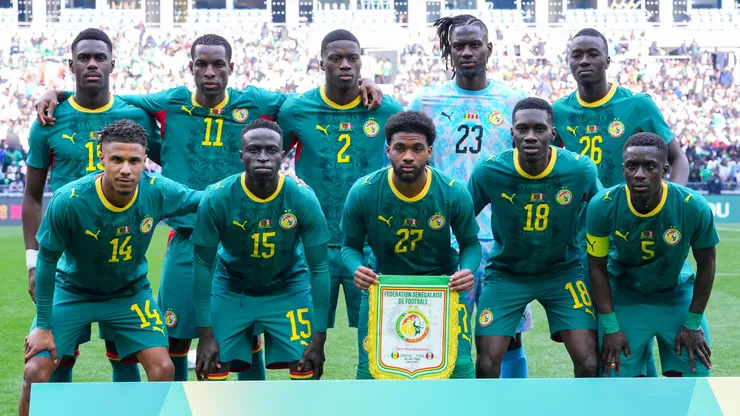
Senegal enters the 2026 World Cup ranked No. 15 in the FIFA standings, confirming its place as one of Africa’s most competitive national teams. The Lions of Teranga have maintained a strong position in the international hierarchy, with Senegal also benefitting from talent born in France and overseas.
According to the FIFA World Ranking, Senegal sit just outside the elite European and South American powers. Led by superstar Sadio Mane, the African side has made a name for itself in world soccer.
While France is widely viewed as one of the tournament favorites despite having many French players representing other countries, Senegal represents one of the most dangerous underdogs in the competition—capable of disrupting the hierarchy and reshaping the narrative of Group I play.
Why Senegal’s ranking reflects its rise in international soccer
Senegal has stabilized No. 15 thanks to strong competitive results across qualifiers and continental tournaments, according to the latest FIFA World Ranking updates ahead of the 2026 FIFA World Cup.
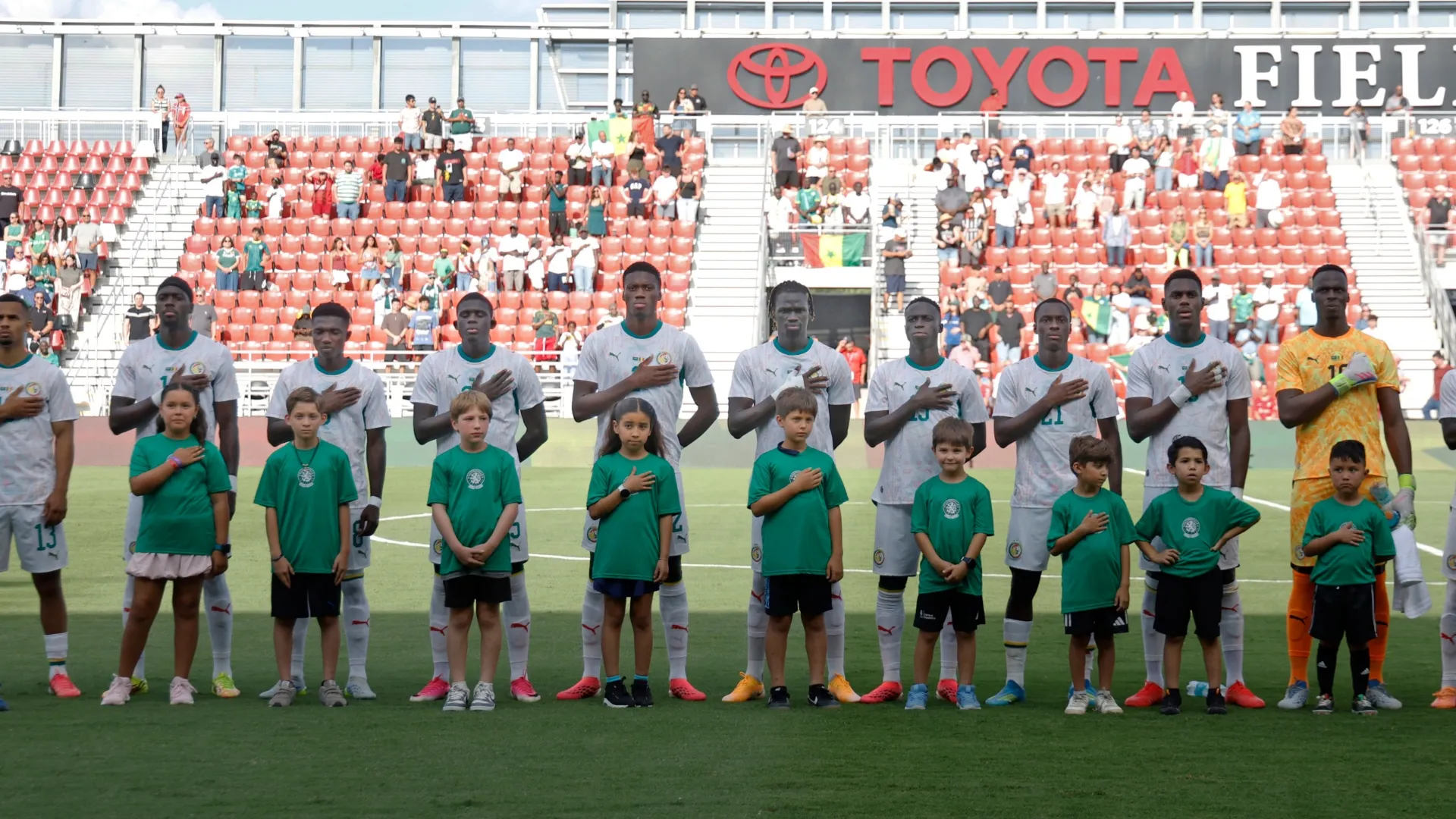
Senegal before the start of the international friendly match in 2026 (Source: Ronald Cortes/Getty Images)
This position it is the result of years of sustained performance. Senegal’s Africa Cup of Nations success, including its continental title and deep tournament runs, has significantly boosted its ranking points under FIFA’s match-weighted system.
These results have helped the Lions of Teranga move from a mid-table international side to a top-tier African powerhouse alongside Morocco and Nigeria. A key factor behind this rise has been squad stability.
Led by experienced figures such as Kalidou Koulibaly and Sadio Mane, the team has built a core of players competing in Europe’s top leagues. That consistency in both talent and results is exactly what has pushed them into the upper tier. Senegal’s FIFA ranking, for instance, is higher than their other group rivals: Norway are 31st in the FIFA ranking, while the list has Iraq much lower (No. 57 in the ranking).
Can Senegal close the gap with France on the world stage?
Senegal has closed the competitive gap in recent years, but France remains clearly ahead in FIFA ranking, arriving at the 2026 World Cup as the 3rd ranked team.
The difference between both teams is most visible in depth and structure. Didier Deschamps’s team can rely on world-class options in every position, with players spread across the strongest clubs in Europe.
Still, Pape Thiaw team’s evolution means the gap is no longer purely one-sided. The African side has shown it can compete physically and tactically with top-tier opponents, especially in knockout-style matches where margins are minimal.