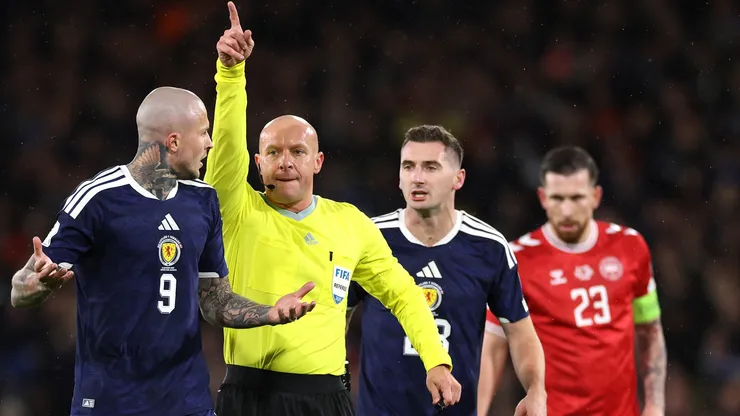
For a tournament expanding to 48 teams and a record 104 matches, the 2026 FIFA World Cup will depend on its officials more than ever before. It is the largest officiating team ever assembled for a World Cup so far.
FIFA confirmed in April that a total of 170 match officials were chosen for the tournament following a three-year evaluation process. The group includes 52 referees, 88 assistant referees and 30 video match officials.
Those tournament-wide figures don’t tell the full story. Each match features a specific officiating crew designed to ensure fairness and accuracy. So, how many referees and assistants are actually assigned to oversee a 2026 World Cup match?
How many referees and assistants will be on the field?
Each 2026 FIFA World Cup match will have four on-field officials: one referee, two assistant referees and one fourth official. This structure will remain the same throughout the tournament’s 104 matches, regardless of the stage of the competition.
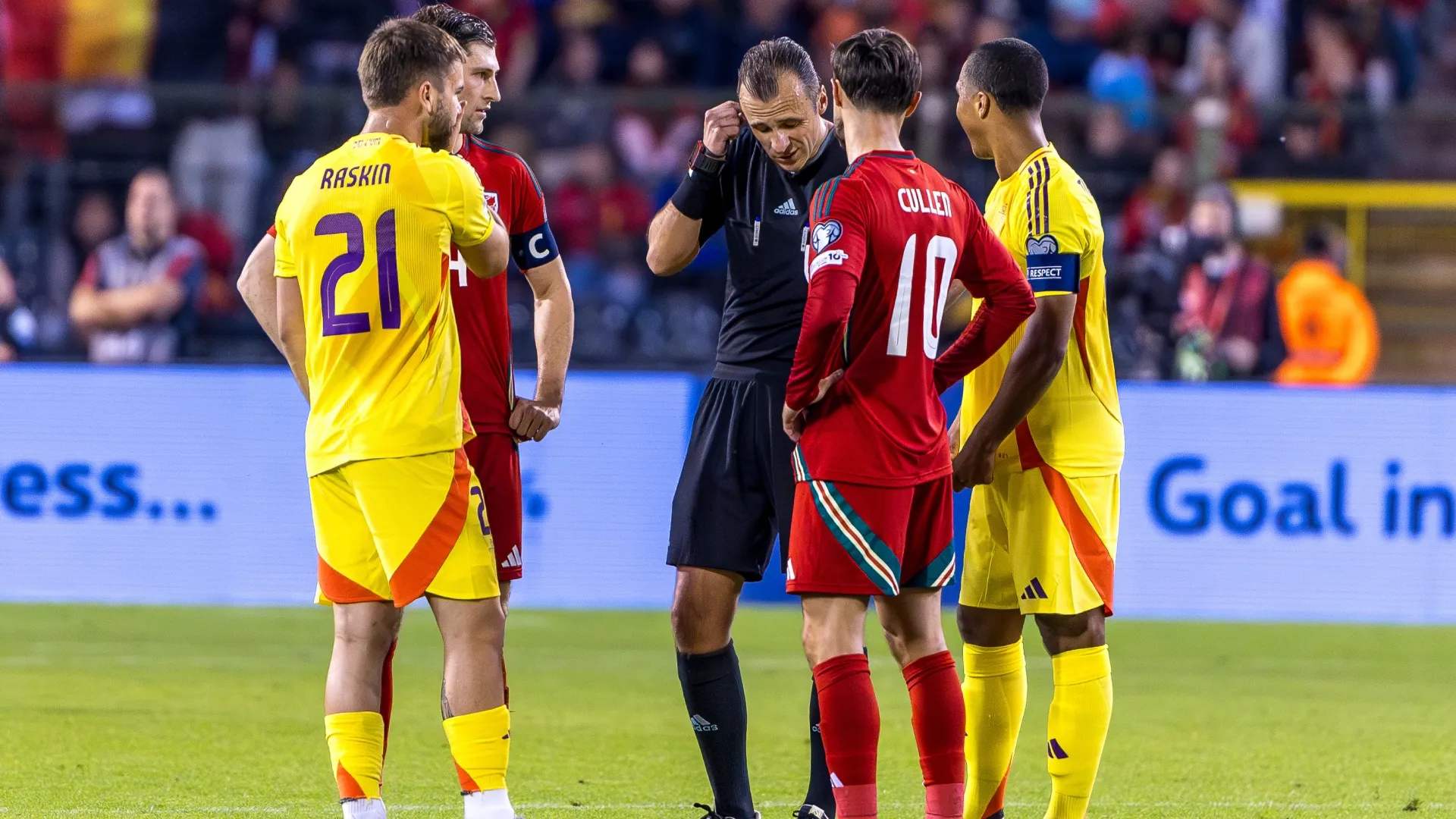
Referee Irfan Peljto talks to the VAR assistants about a possible disallowed goal during a FIFA 2026 Qualifier (Source: Omar Havana/Getty Images)
The referee is the lead authority during the match. They enforce the Laws of the Game, award penalties and free kicks, show yellow and red cards, determine added time and make the final decision on any incident that occurs on the pitch.
Even with technological assistance, the center referee retains ultimate control over the game. Working alongside the referee are two assistant referees positioned on opposite touchlines.
Their responsibilities extend well beyond flagging offsides. They monitor whether the ball has fully crossed the boundary lines, help identify fouls that may escape the referee’s view and assist with decisions involving misconduct.
FIFA’s implementation of semi-automated offside technology will also support assistants by providing real-time alerts in clear offside situations, helping speed up decision-making without eliminating the human element.
The fourth official completes the on-field crew. Stationed between the two technical areas, this official oversees substitutions, displays the electronic board showing added time and player changes, manages the conduct of coaches and substitutes, and serves as a communication link between the teams and the referee team.
In addition to this on-field group, there is also a Video Assistant Referee (VAR) system operating off the field. This VAR team typically includes one main VAR official and between one and three assistant VARs (AVARs).