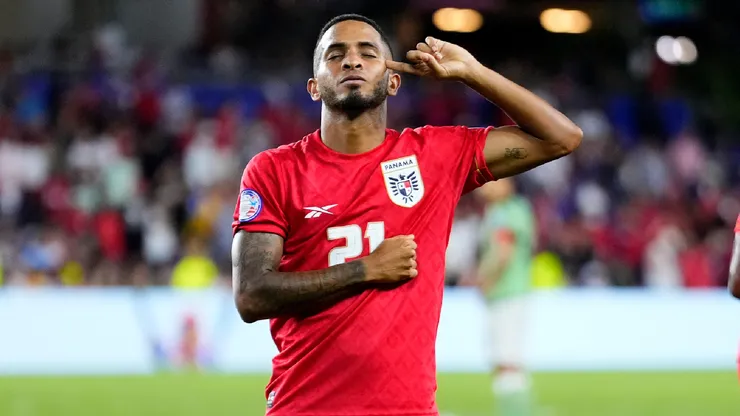
The smallest player at the FIFA World Cup 2026 is Panama playmaker Cesar Yanis, who stands at just 1.60m (5ft 3in), making him the shortest confirmed player across all 48 squads in the United States, Mexico and Canada.
The midfielder leads a group of several “low-profile” physical outliers in a tournament where height differences are extreme. Reports show a gap of more than 40 centimeters between Yanis and the tallest players in the competition.
Behind him, players like Marcelo Flores (1.64m) and Jeremy Antonisse (1.64m) also appear among the shortest names in the tournament listings, reinforcing how technical, agile profiles continue to coexist with towering defenders.
Who are the 5 shortest players at the 2026 World Cup?
| Player | Height | Country |
| César Yanis | Panama | 5′ 3″ |
| Alberto Quintero | Panama | 5′ 5″ |
| Kamongelo Sebelebele | South Africa | 5′ 5″ |
| Gilberto Mora | Mexico | 5′ 6″ |
| Lionel Messi | Argentina | 5′ 7″ |
Why do shorter players stand out in modern soccer?
Shorter players stand out in modern soccer mainly because of their biomechanical and tactical advantages in high-intensity, space-congested environments, where quick reactions matter more than physical dominance.
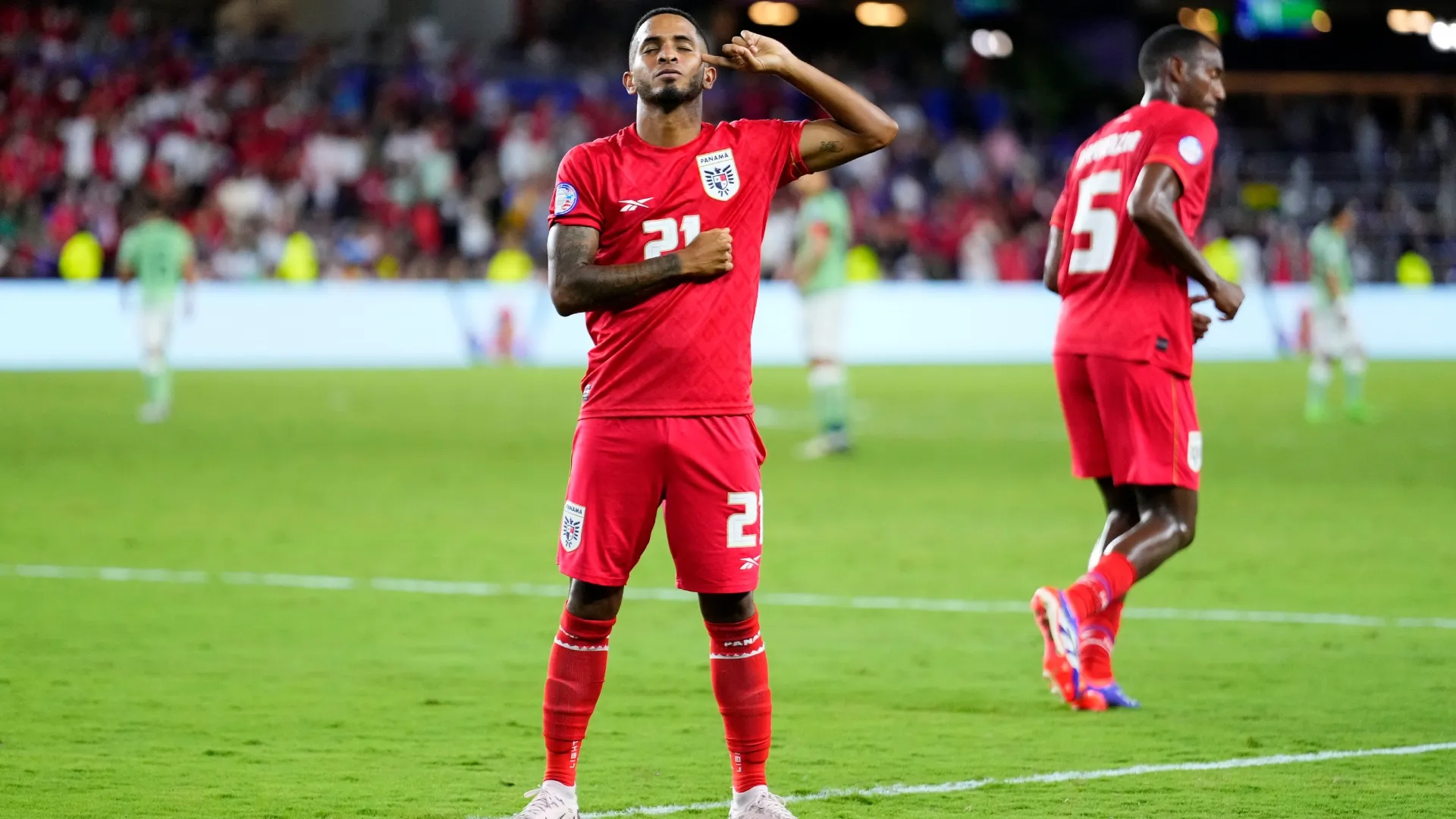
Cesar Yanis of Panama during the CONMEBOL Copa America 2024 Group C match (Source: Rich Storry/Getty Images)
One of the key factors is exactly that low center of gravity, which allows shorter players to accelerate faster, decelerate more efficiently, and execute tighter turns when dribbling or escaping pressure.
This makes them especially effective in attacking midfield and wing positions, where space is limited and decisions must be made in fractions of a second. Modern soccer has evolved toward high pressing systems and positional play.
At the same time, position-specific trends reinforce this dynamic: midfielders—who typically have the widest height range and are often shorter than defenders or goalkeepers—operate in the most crowded zones of the pitch.