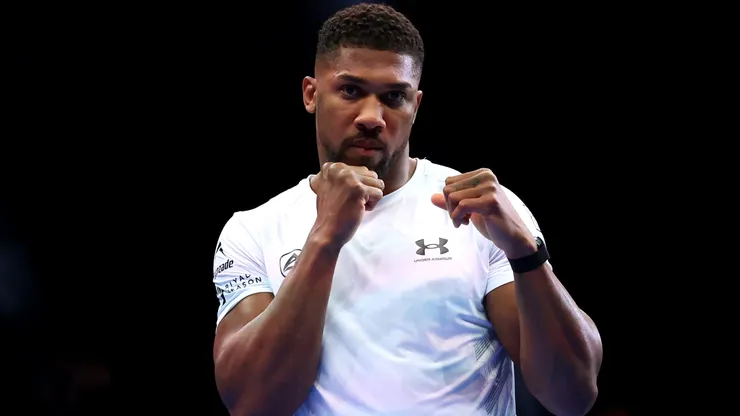
Anthony Joshua’s rise from Olympic gold medalist to global boxing icon has been as much a business story as a sporting one. Inside and outside the ring, his career has been shaped by blockbuster fights, careful branding and a steady climb toward elite earning power.
Beyond knockouts and championship belts, he has become one of Britain’s most recognizable sports figures. Lucrative purses, endorsement deals and mainstream visibility have turned each appearance into a financial event that extends well past fight night.
As the heavyweight division continues to evolve, so does his economic footprint. His net worth reflects years of calculated moves, high-stakes risks and moments that redefined his market value, placing him among boxing’s most financially successful modern stars.
What is Anthony Joshua’s net worth?
Anthony Joshua’s financial profile has grown alongside his rise in professional boxing. According to Sports Illustrated, his net worth is in the ballpark of $150 million to $200 million as of 2025, reflecting a lifetime of ring paydays and more.
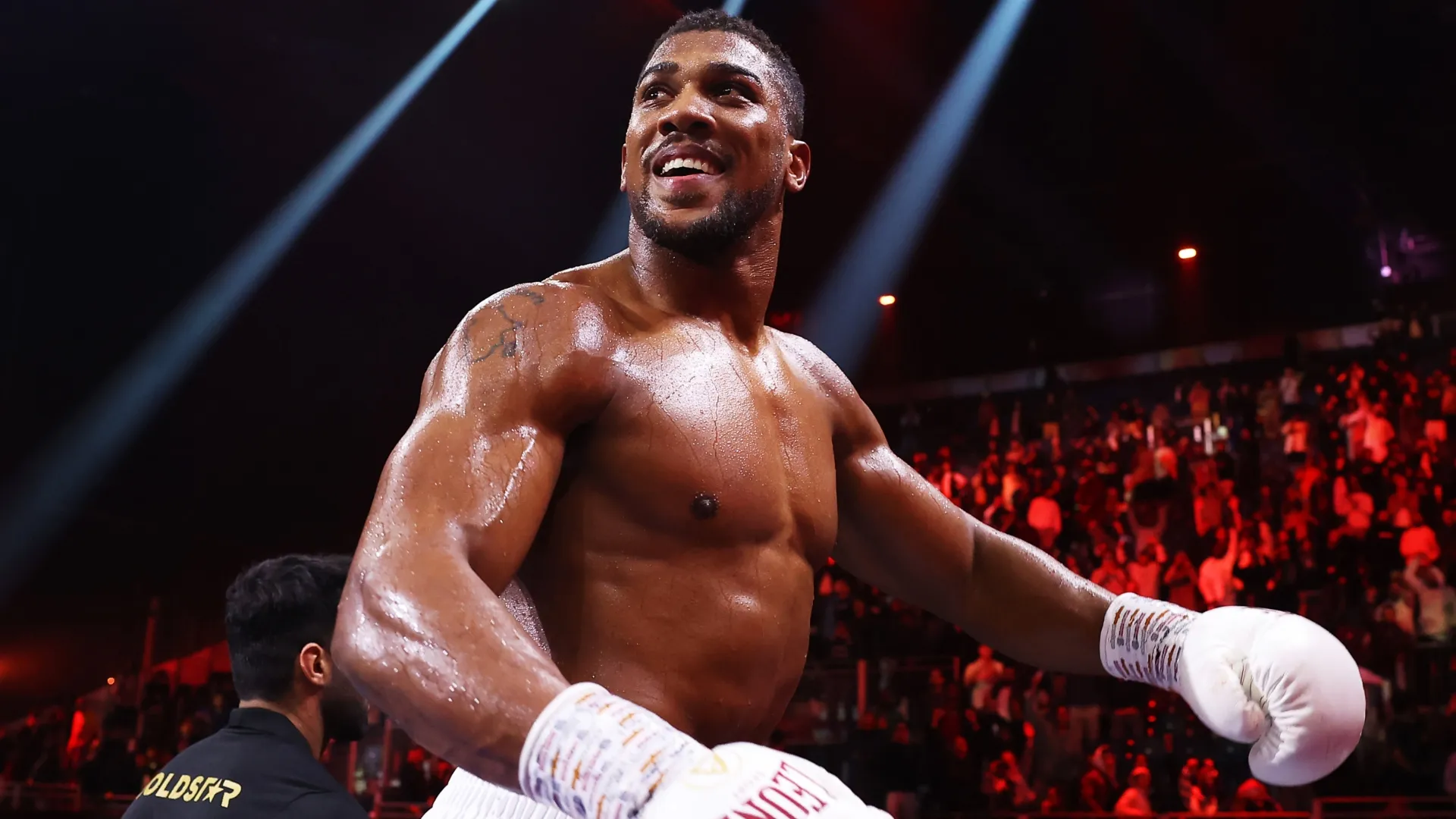
Anthony Joshua celebrates victory following a Heavyweight fight. (Source: Richard Pelham/Getty Images)
Forbes has long tracked him among the world’s highest-earning athletes, highlighting that his combination of championship runs and global visibility helps keep him near the top of sport’s income lists when active.
His earnings aren’t just raw purse money, they’re shaped by media exposure, brand affinity across continents and a timing that saw heavyweight boxing regain commercial relevance. For an athlete of his caliber, net worth is always evolving.
Returns from recent blockbuster bouts, streaming deals and property holdings continue to move the needle, meaning his financial footprint can expand dramatically with just one major fight.
How much does Anthony Joshua earn per fight?
The price tag on an Anthony Joshua fight has grown with his career. From early bouts that earned him a few million pounds, AJ’s biggest purses now regularly push into tens of millions of dollars per fight. For example, his 2024 showdown with former UFC heavyweight Francis Ngannou reportedly brought him close to $50 million in earnings.
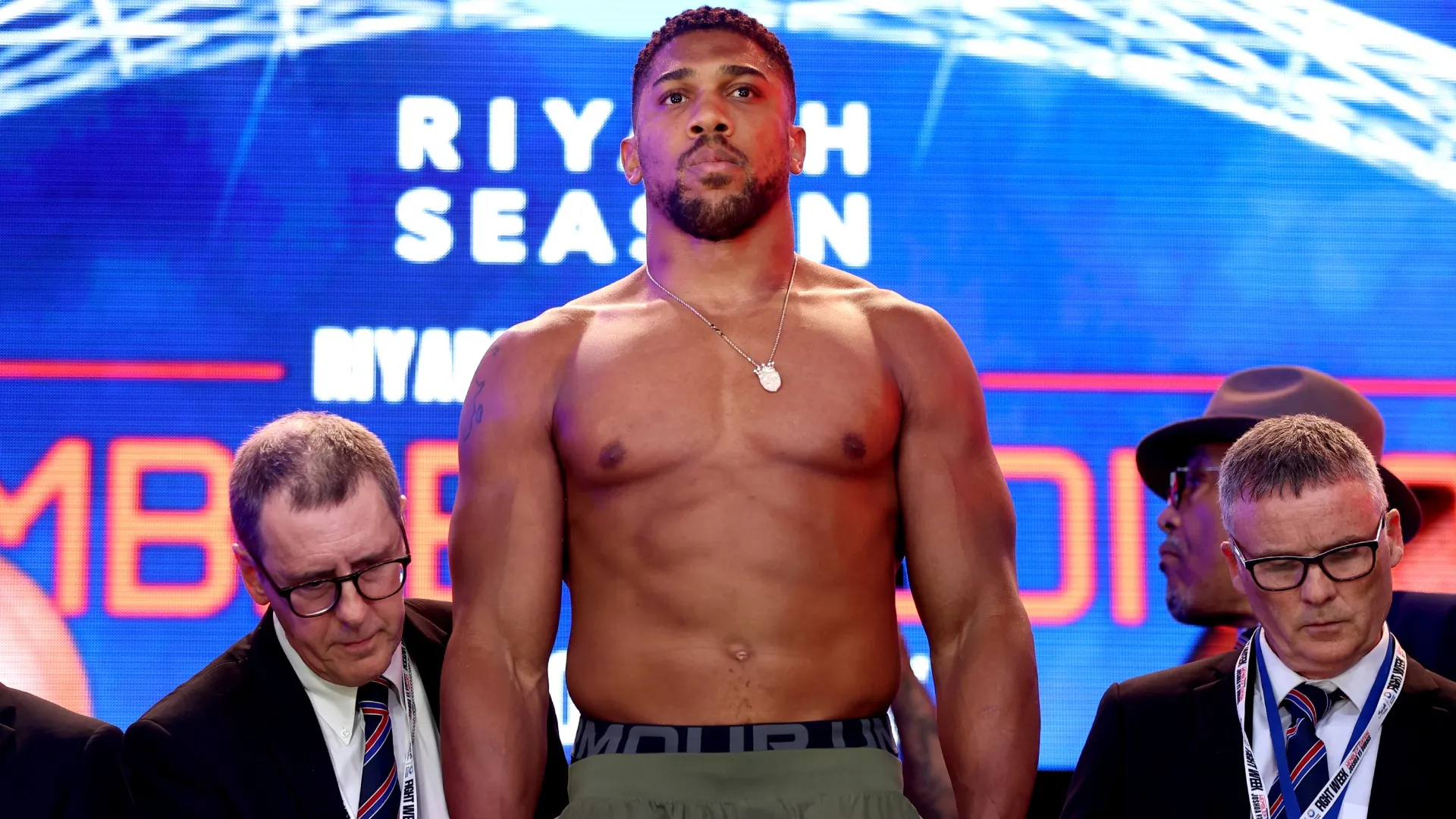
Anthony Joshua during a weigh-in as part of the Riyadh Season – Wembley Edition card. (Source: Richard Pelham/Getty Images)
Historical purse data deepens this picture: His rematch with Andy Ruiz Jr. in 2019 is widely cited as one of his richest nights, with totals above $50 million when PPV and bonuses are included. Smaller gates and undercard events earlier in his career earned him single-digit millions, but as his star rose, so did the price tag on each ring appearance.
These figures don’t always tell the whole story, though. For elite fighters like him, PPV revenue shares, sponsorship performance bonuses, and media rights can sometimes rival the base purse itself, especially on high-profile nights.
Anthony Joshua’s endorsements
Outside the ropes, Joshua has cultivated a marketable image that brands want to attach themselves to. His sponsorship portfolio includes global names like Under Armour, Hugo Boss, Jaguar Land Rover, Beats by Dre and Lucozade, among others.
These deals do more than pad his bank account; they help build a persona that transcends boxing. In an era where athletes are expected to carry cultural relevance as well as ring prowess, his brand partners benefit from his international reach — especially in Europe, North America and Asia.
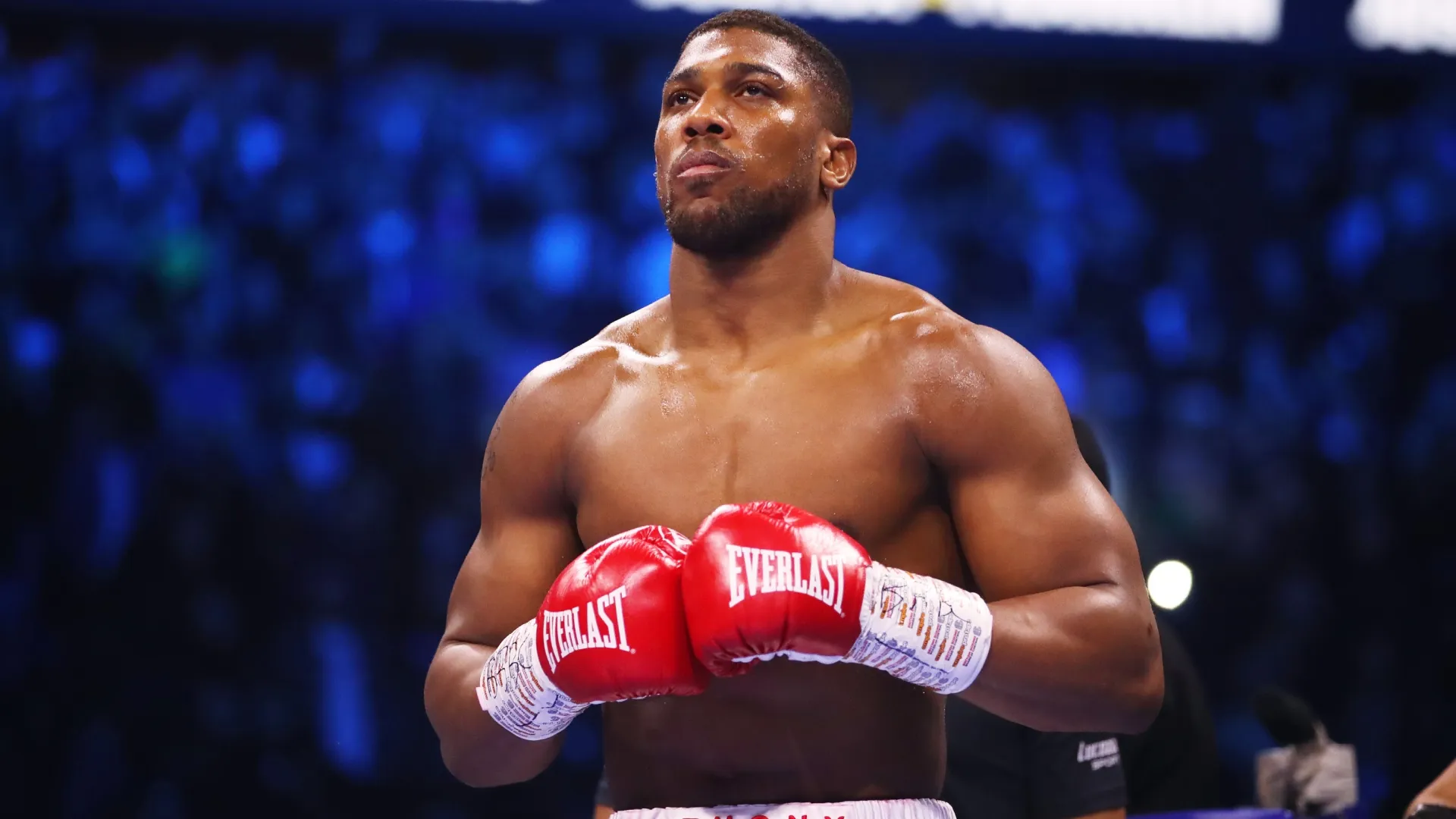
Anthony Joshua looks on prior to a Heavyweight fight. (Source: James Chance/Getty Images)
Financially, endorsements provide a steady stream of income independent of fight schedules. Some reports link annual off-ring earnings in the low eight figures to these agreements, underscoring why major brands continue to invest in his star power.
Anthony Joshua’s investments
Joshua hasn’t treated his career earnings as a short sprint. In recent years he has diversified into real estate and business ventures, using fight-generated capital to secure long-term assets that generate returns outside of boxing.
High-value property purchases, including premium London real estate, feature prominently in his investment portfolio and are often cited as cornerstones of his wealth strategy.
On the business side, projects tied to fitness, lifestyle branding and even talent development signal a willingness to bridge sport and commerce rather than depend solely on ring revenue.