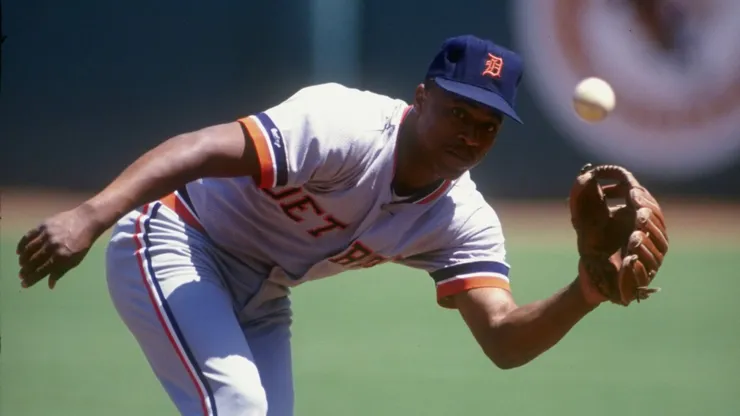
Detroit’s baseball legacy didn’t just appear overnight. It was built by players who turned the Old English “D” into a symbol recognized across generations. Tigers history is a timeline of iconic swings and unforgettable October moments.
Some names are whispered with reverence in the stands at Comerica Park, linked to MLB records that defined eras. Others became legends through grit and resilience, carrying the franchise through both triumph and drought.
From fearsome power hitters to aces who owned the mound, each star left a mark on Detroit sports culture. These 25 players didn’t just play the game — they shaped it, carving stories that still pulse through the city’s baseball heart.
Ty Cobb

Ty Cobb (Source: MLB)
Before the home run became the currency of baseball, there was Ty Cobb. He was a relentless force, a study in sheer, unadulterated competitive ferocity that often bordered on chaos. For two decades, he tormented the American League as the ultimate offensive weapon of the “Dead-Ball Era”.
His statistical legacy remains arguably the most untouchable in sports, a testament to his sustained excellence at the plate. He didn’t just play the game; he attacked it, sliding spikes-high and daring opponents to stop him.
He was a perennial league leader in hitting and captured the Triple Crown once. Ty Cobb is the bedrock of the Detroit Tigers, a complex legend whose brilliance was matched only by his intensity, earning him a spot in the inaugural Hall of Fame class.
Al Kaline
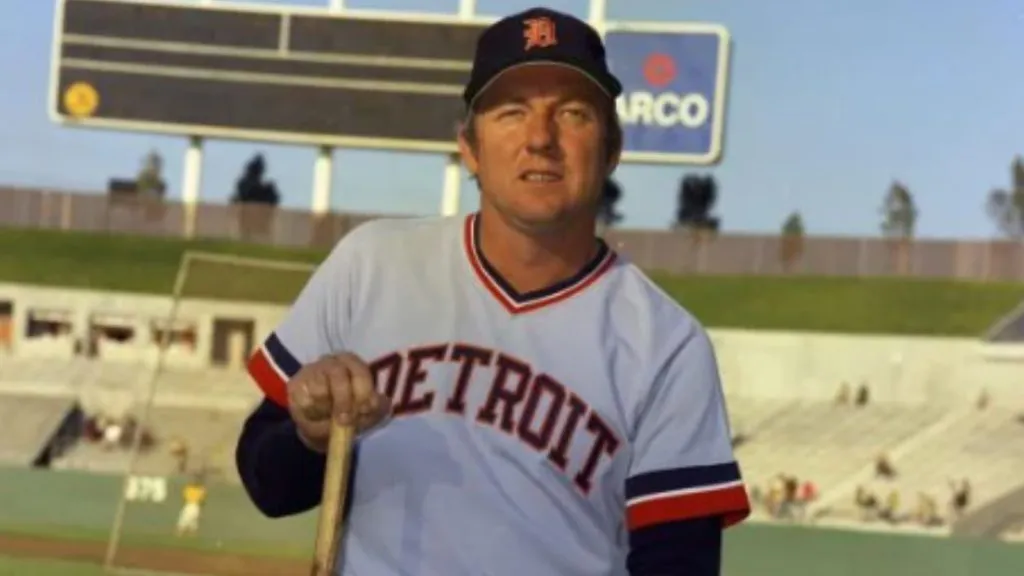
Al Kaline (Source: Baseball Hall of Fame)
In the annals of the Detroit Tigers, no player’s name is spoken with more reverence and affection than Al Kaline. A rare breed of one-club man, he joined the Tigers straight out of high school and never spent a day in the minor leagues. He didn’t just play for Detroit; he embodied the city’s blue-collar spirit, combining smooth, elegant defense with consistent offense.
He was just 20 when he became the youngest batting champion in American League history since Ty Cobb. Over his two-decade-plus career, he delivered the goods on all fronts: a perennial Gold Glove winner in right field and a consistent threat at the plate.
The crowning jewel? His comeback heroics in the 1968 World Series, where he battled through injury to deliver key hits and help secure the championship, forever solidifying his status as the eternal “Mr. Tiger”.
Charlie Gehringer

Charlie Gehringer (Source: MLB)
Charlie Gehringer wasn’t flashy; he was simply perfect. His nickname, “The Mechanical Man”, given for his almost robotic efficiency and unflappable temperament, tells the story of one of the finest second basemen ever to grace the game. His sustained performance at the plate across 19 seasons is a testament to his sheer consistency.
His magnum opus arrived in the year he won the AL MVP award and the batting title. Defensively, he was a stone wall, consistently leading the league in defensive metrics. He was the quiet engine of the Tigers’ mid-1930s championship teams, including their first World Series victory. His cool under pressure was legendary, highlighted by his participation in the early All-Star Games where he maintained an incredible average.
Lou Whitaker
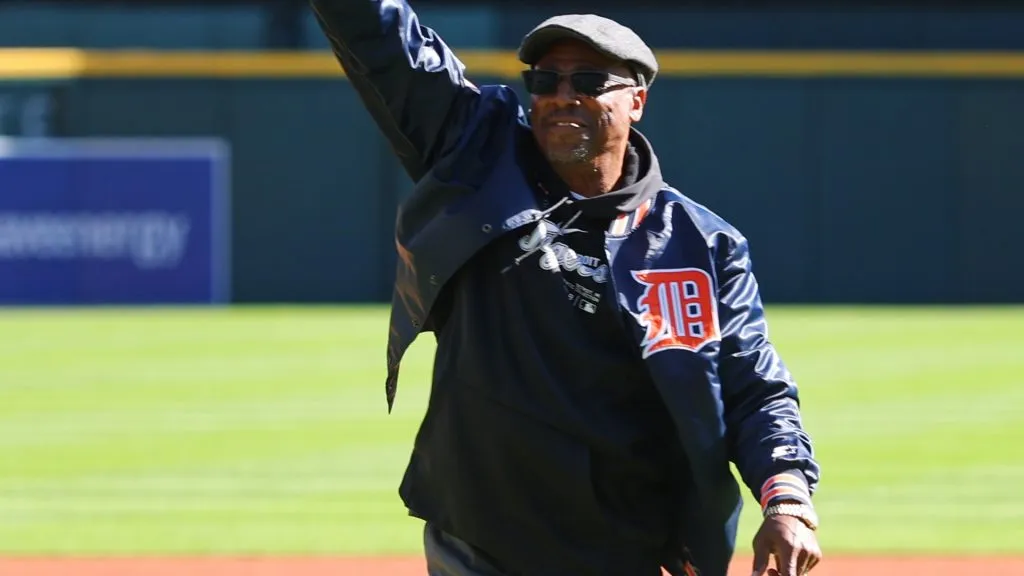
Lou Whitaker (Source: Gregory Shamus/Getty Images)
The quieter half of the dynamic duo, Lou Whitaker brought a fierce steadiness to second base that often went unsung. “Sweet Lou” was the AL Rookie of the Year and evolved into a multi-time All-Star, earning multiple Gold Gloves and Silver Sluggers.
His presence in the lineup was a source of stability, consistently racking up hits over his career. He was the vital spark plug for the dominant 1984 World Series championship team. While his Hall of Fame recognition came through the veterans committee, the Tigers honored him by retiring his number, a recognition that cemented his place as an all-time great.
Alan Trammell
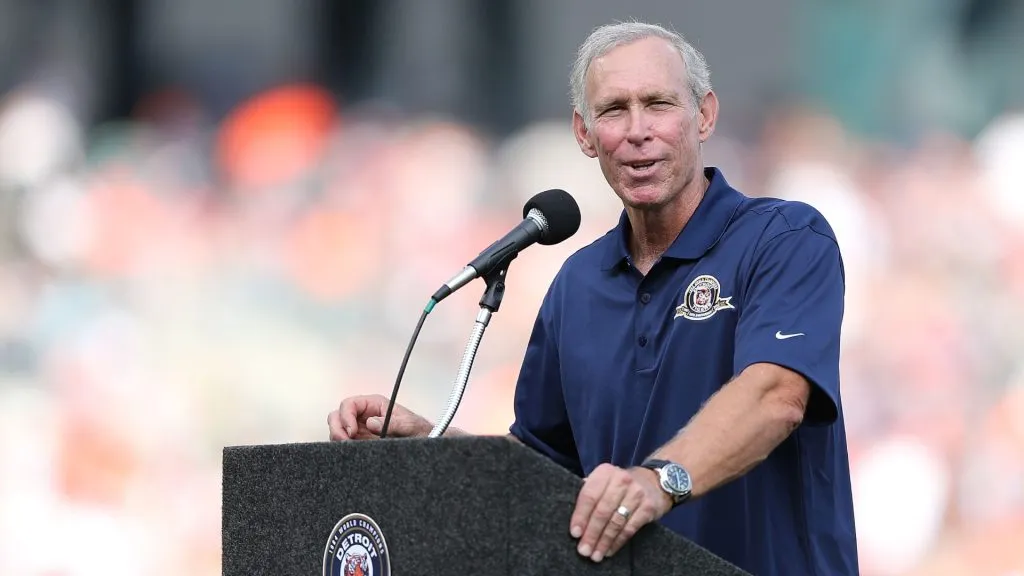
Alan Trammell (Source: Leon Halip/Getty Images)
Alan Trammell was the charismatic on-field leader and offensive catalyst. For two decades, he redefined what a shortstop could be: not just a defensive wizard, but a premier offensive threat. His peak season was when he finished a close second in the MVP voting after an outstanding performance at the plate.
Yet, his most heroic performance came in the 1984 World Series, where his exceptional average earned him the Series MVP award, guiding Detroit to glory. Elected to the Hall of Fame, his legacy is that of the quintessential team player who elevated his game when it mattered most.
Harry Heilman

Harry Heilman (Source: Michigan Sports Hall of Fame)
A genuine slugger in an era that preceded mass home run totals, Harry Heilmann holds a unique spot in baseball immortality. He is one of the last two players in MLB history to post a season average over four hundred, a staggering achievement. His resume is a masterclass in hitting, featuring four American League batting titles in a short span.
Despite being nicknamed “Slug” for his lumbering pace on the bases, his ability to pepper the gaps was legendary. Under Ty Cobb’s later guidance as manager, he transformed into an unstoppable right-handed batter, compiling a sensational career average. He was not just an elite hitter; he was a pure run producer, finishing among the league leaders in slugging and RBIs for numerous seasons.
Sam Crawford

Sam Crawford (Source: Michigan Sports Hall of Fame)
While often overshadowed by his firebrand teammate, Ty Cobb, Sam “Wahoo Sam” Crawford was a colossal star in his own right and remains a figure of staggering statistical excellence. He holds perhaps the most secure record in baseball: an astounding number of career triples, a mark almost certainly safe in the modern game.
This outfielder was the embodiment of the early 20th-century offensive player—fast, powerful, and adept at finding the deepest parts of the park. He was the first player ever to lead both the National and American Leagues in home runs in different years.
An absolute terror on the base paths and a lifetime solid hitter, he was universally lauded by peers. Legendary executive Ed Barrow once declared, “there never was a better batter” than Wahoo Sam.
Hal Newhouser

Hal Newhouser (Source: MLB)
In the throes of the 1940s, a Detroit native seized the mound and dominated the American League with a furious intensity. Hal “Prince Hal” Newhouser is the only pitcher in AL history to win back-to-back MVP awards, a feat that highlights his sheer, unparalleled mastery during the war years.
Armed with a blazing fastball and a competitive snarl, his season during the Tigers’ World Series win was a masterpiece, where he led the league in key pitching categories. He was a powerhouse on the hill, known for his temper and his blinding speed. The retirement of his number is a lasting symbol of the era he defined, a homegrown hero who gave his all for the Motor City.
Justin Verlander
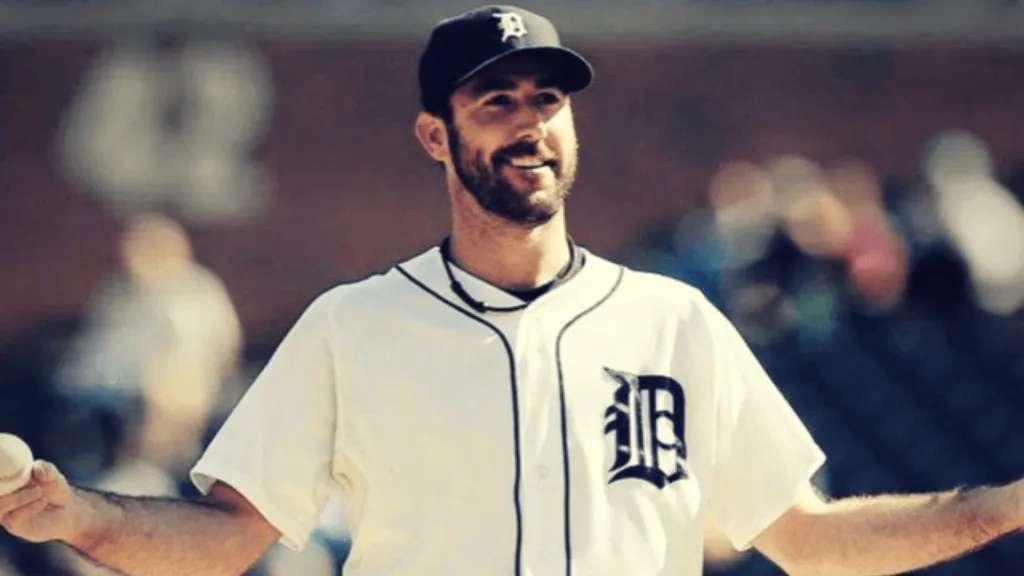
Justin Verlander (Source: Vintage Detroit Collection)
The defining pitching figure of the 21st-century Tigers era has to be the towering right-hander, Justin Verlander. Drafted early in his class, he burst onto the scene, winning the AL Rookie of the Year and quickly becoming the franchise’s most electrifying ace since Newhouser.
His power arsenal propelled him to the rarest of achievements: winning both the AL Cy Young Award and the AL MVP in the same season. He hurled multiple no-hitters while wearing the Old English ‘D’ and was the driving force behind the Tigers’ sustained excellence that brought them several consecutive division titles and multiple playoff runs.
Hank Greenberg
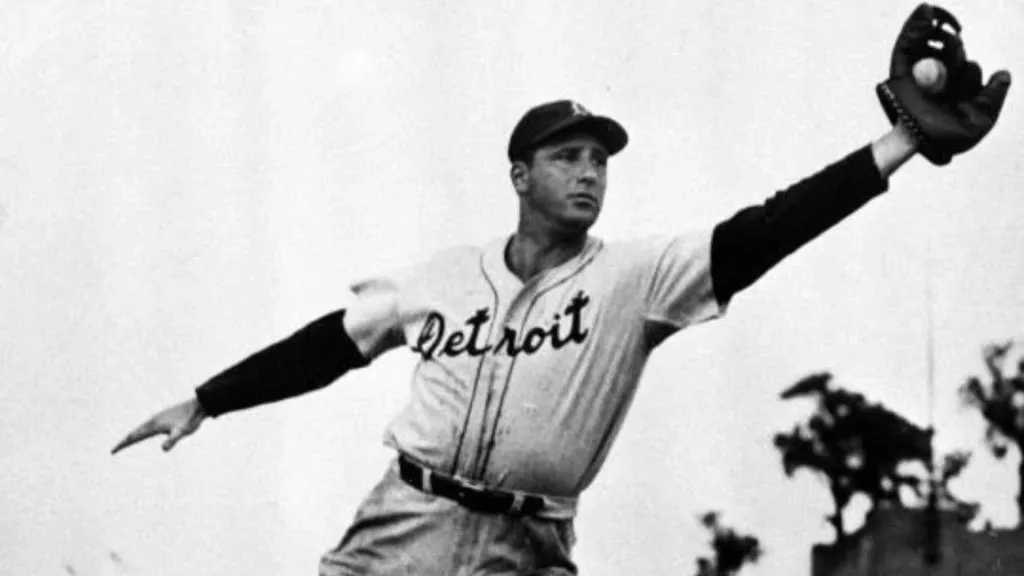
Hank Greenberg (Source: Baseball Hall of Fame)
Hank Greenberg was a man whose prodigious power at first base transcended the game itself. A true threat in the heart of the Detroit lineup, “Hammerin’ Hank” won multiple AL MVP awards and led the Tigers to two World Series titles. In a legendary season, he chased Babe Ruth’s single-season home run record, finishing just shy of the massive number.
Beyond the numbers, he stood as an undeniable cultural icon: one of the sport’s most prominent Jewish players, he faced down prejudice with dignity and undeniable talent. Moreover, his decision to step away from the game at his peak to serve in World War II cemented his status as a national hero and a legend defined by principle as much as by power.
Norm Cash

Norm Cash (Source: Vintage Detroit Collection)
Norm Cash was the quintessential left-handed power hitter for the Tigers throughout the 1960s. While he may have been known for his occasional eccentricities, there was nothing erratic about the damage he inflicted on a baseball. He spent almost his entire career in Detroit, holding a position among the top left-handed home run hitters in American League history upon his retirement.
He wasn’t just a force with the bat; he was a solid presence at first base, leading the AL in fielding metrics multiple times and being a key defensive anchor. His powerful bat and steady glove were integral components of the 1968 World Series champion team, providing the necessary thunder to complement the Tigers’ superb pitching.
Miguel Cabrera

Miguel Cabrera (Source: Duane Burleson/Getty Images)
In the history of baseball, few have combined sheer hitting artistry with awe-inspiring power like Miguel “Miggy” Cabrera. A Venezuelan maestro, he arrived in Detroit and immediately began stacking accolades. His legacy is etched in the rarest territory of the sport: he is one of the few men in history to achieve both the 3,000-hit club and the 500-home run club.
More spectacularly, he claimed the sport’s most elusive prize, the Triple Crown, accomplishing a feat that hadn’t been seen in nearly half a century. A two-time AL MVP, he carried the offensive weight of the Tigers for over a decade, dazzling fans with his effortless swing and securing his reputation as one of the greatest pure hitters the game has ever known.
Tommy Bridges
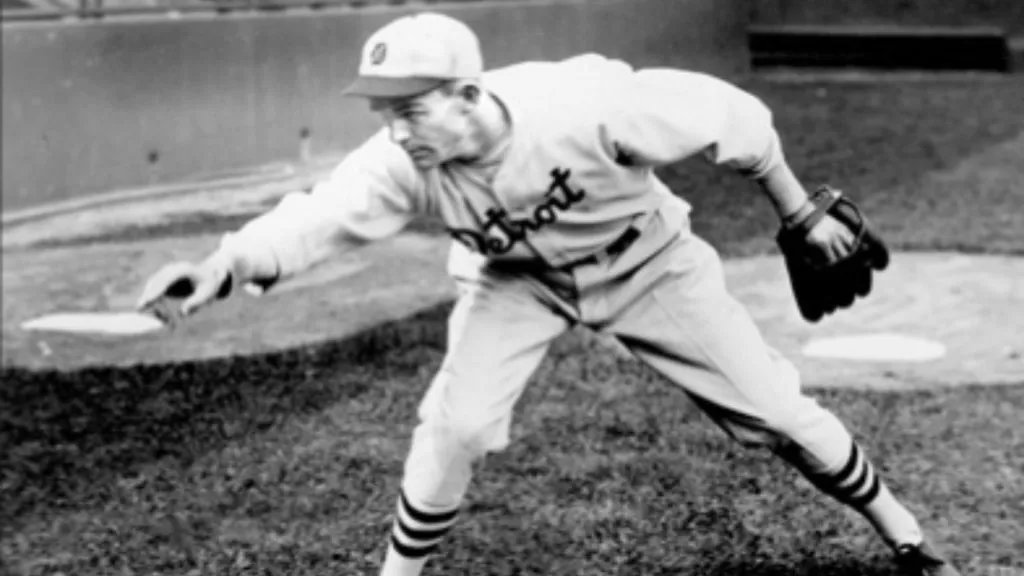
Tommy Bridges (Source: SABR)
In the pre-war era, the name Tommy Bridges symbolized the resilience and sharp pitching of the Detroit staff. This right-hander was a workhorse, pitching into the late innings consistently throughout his career. He is remembered as a cornerstone of the Tigers teams that secured multiple American League pennants and the 1935 World Series championship.
A testament to his quality and competitive nature is a moment of near-immortality: on one occasion, he famously came within a single out of pitching a perfect game, a moment of thrilling tension that cemented his legacy as one of the hardest-luck aces in franchise history.
Mickey Lolich
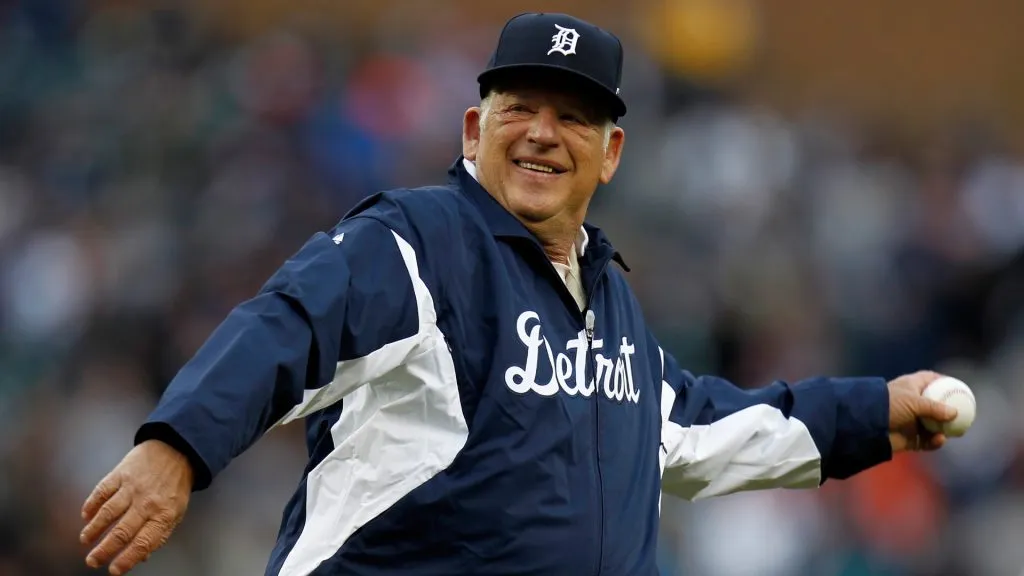
Mickey Lolich (Source: Gregory Shamus/Getty Images)
When the Detroit Tigers talk about the year 1968, they are really talking about the dominance of the hard-throwing left-hander, Mickey Lolich. Known for his durability and his distinctive wind-up, he became an instant legend during the World Series against the heavily favored St. Louis Cardinals.
In one of the greatest pitching displays in Fall Classic history, he achieved a historic sweep, winning three complete games, including the climatic Game 7 victory over one of the sport’s all-time greats. His monumental performance earned him the World Series MVP Award and cemented his place as one of the most clutch pitchers in baseball lore.
Bobby Veach
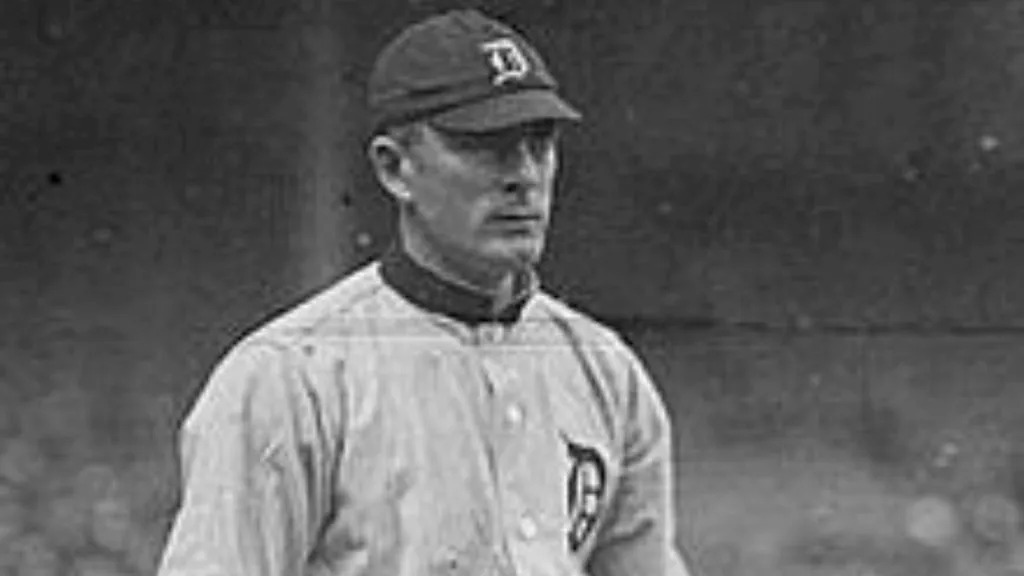
Bobby Veach (Source: Vintage Detroit Collection)
Often overlooked due to playing alongside the monumental figure of Ty Cobb, Bobby Veach was a silent but deadly offensive force. This slugging outfielder was an RBI machine, establishing himself as one of the American League’s premier run producers during the period leading up to the “Live-Ball Era”.
He consistently drove in runs and was known for a powerful, full swing that helped him rank among the league leaders in extra-base hits. For a long stretch in Detroit, he formed a fearsome trio in the outfield, providing the vital offensive production that kept the Tigers competitive during a highly challenging period in franchise history.
Bill Freehan
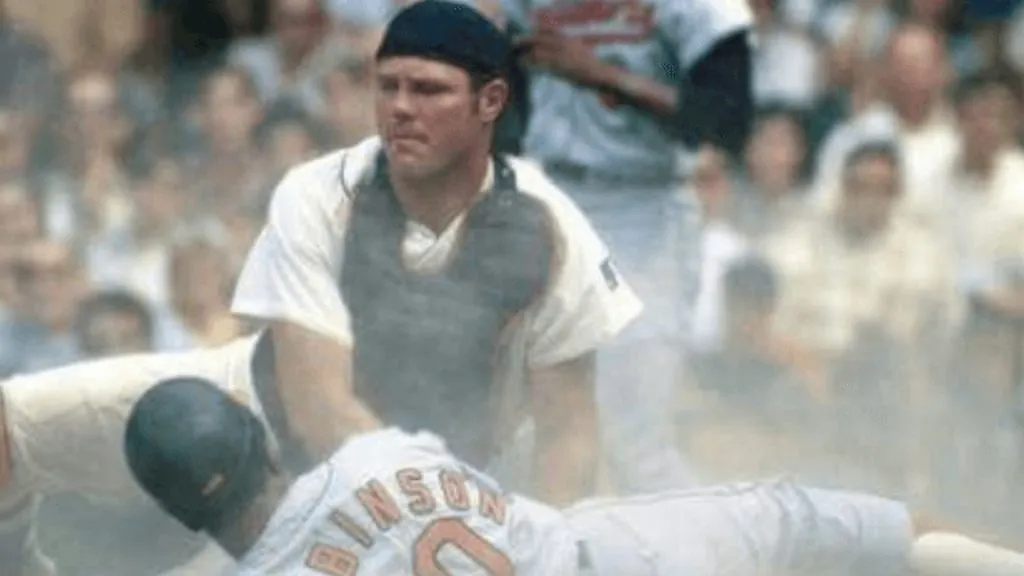
Bill Freehan (Source: Vintage Detroit Collection)
A true Detroit product, born and raised in the city, Bill Freehan was the heart and soul of the Tigers’ resurgence in the 1960s. Known for his tremendous durability and intelligence behind the plate, he was more than just a catcher; he was the field general who guided the pitching staff.
An 11-time All-Star and a winner of multiple Gold Gloves, his defensive command was legendary. As a powerful presence in the middle of the batting order, he was absolutely essential to the 1968 World Series championship team, providing leadership and key production from the demanding catcher position.
Dizzy Trout
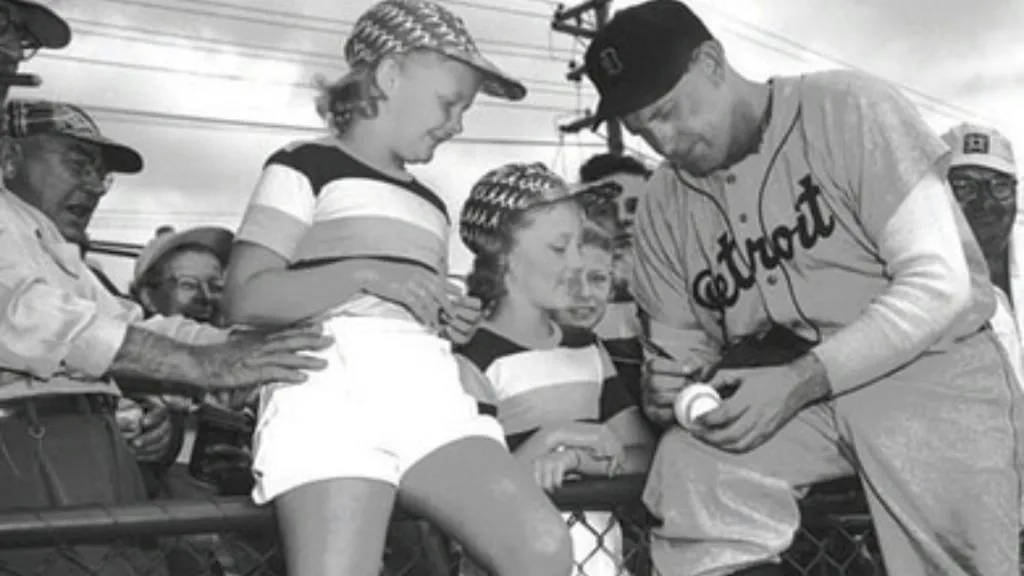
Dizzy Trout (Source: Vintage Detroit Collection)
The great pitching duos often feature one name more prominent than the other, but Paul “Dizzy” Trout was an ace in his own right. Teaming up with Hal Newhouser, this right-handed fireballer was a key member of the Tigers rotation during the challenging war years.
He delivered one of the most spectacular individual seasons in franchise history, dominating the league and helping lead Detroit to the 1945 World Series title. Known for his durability and sense of humor, his powerful and reliable arm provided the perfect complement to Newhouser, giving the Tigers one of the most formidable one-two punches of the era.
Donie Bush
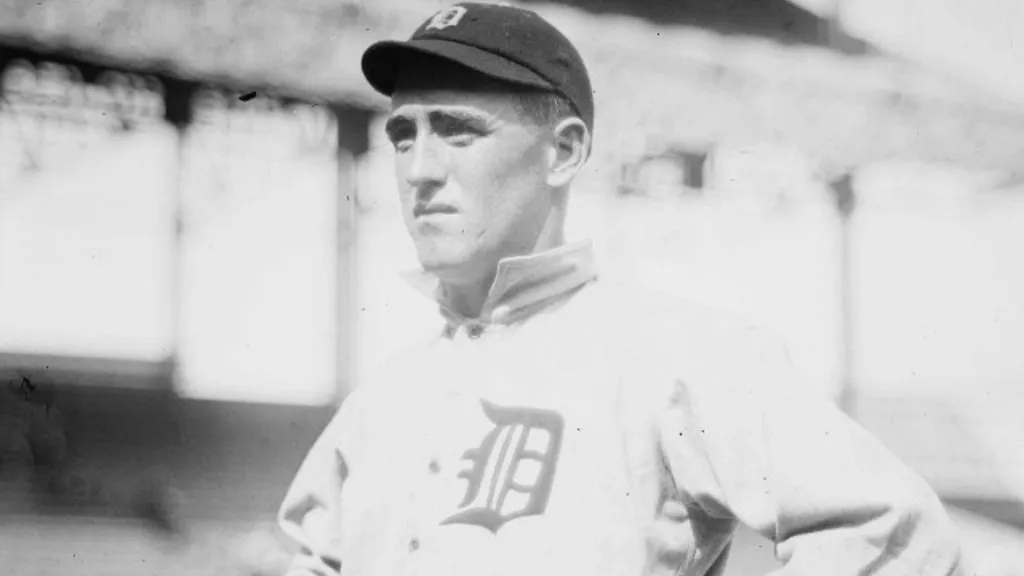
Donie Bush (Source: Vintage Detroit Collection)
In the “Dead-Ball Era”, defense mattered perhaps more than at any other time, and few were better at shortstop than Donie Bush. His defensive records still stand in the American League, a testament to his uncanny ability to cover ground and turn double plays.
He holds records for putouts and total chances by a shortstop, earning recognition as one of the best defensive players of his time. Offensively, he was a master of the small game, consistently leading the league in walks and sacrifice hits. His exceptional glove was a vital ingredient in the early Tigers dynasty alongside Ty Cobb, and he remains one of the franchise’s all-time leaders in stolen bases.
Jack Morris

Jack Morris (Source: Duane Burleson/Getty Images)
A fierce competitor and the undisputed ace of the Tigers staff for over a decade, Jack Morris was defined by his sheer grit and determination. He was a rare breed in his era: a pitcher known for finishing what he started, racking up a remarkable number of complete games.
He was the unquestioned leader of the rotation that brought the Tigers the 1984 World Series championship, a team he had helped build from the ground up alongside the Trammell-Whitaker duo.
He pitched a no-hitter in a Tigers uniform and was celebrated for his competitive fire, solidifying his role as one of the great power pitchers of the 1980s and earning a well-deserved place in the Hall of Fame.
Dick McAuliffe
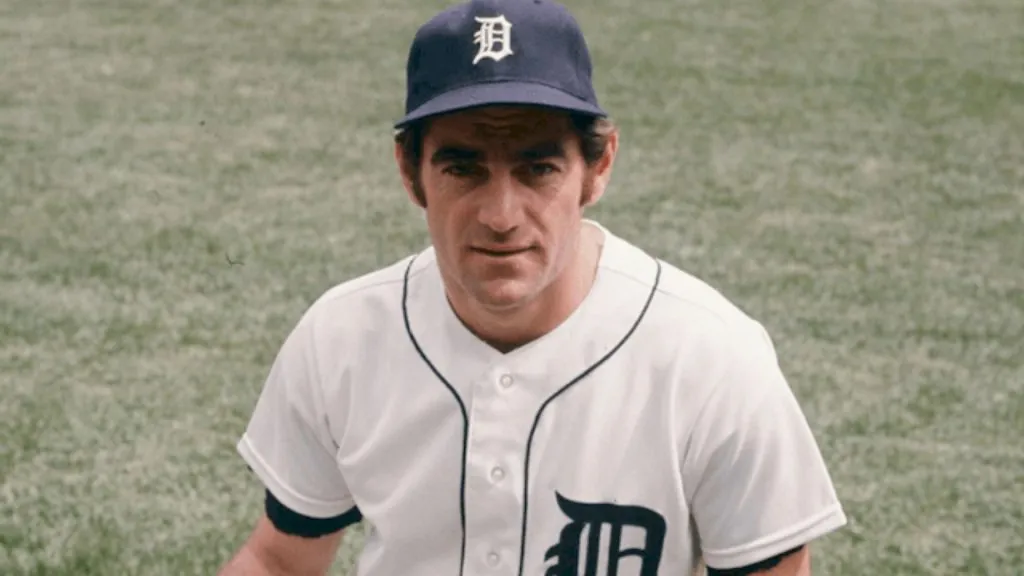
Dick McAuliffe (Source: Vintage Detroit Collection)
Dick McAuliffe was far from a traditional leadoff hitter, and that’s precisely what made him a Detroit fan favorite. Known for his wildly unconventional, open stance at the plate, he was a versatile player who manned both second base and shortstop.
He brought a unique blend of unexpected power and plate discipline to the top of the lineup, helping to set the tone for the Tigers’ powerful offenses in the 1960s. An All-Star, he was the fiery catalyst and key offensive contributor for the 1968 World Series championship team, embodying the spirited fight of that legendary squad.
Rudy York
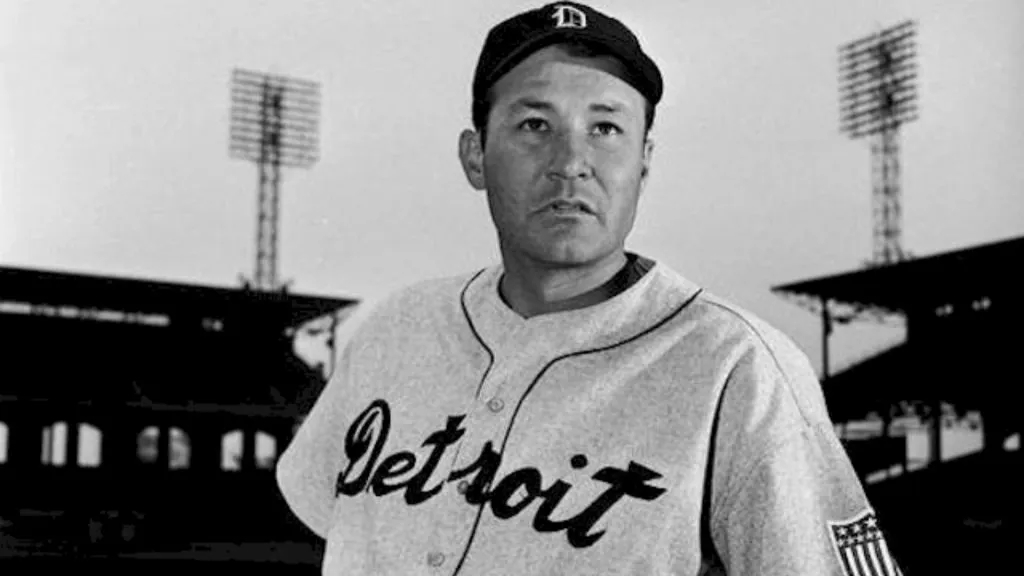
Rudy York (Source: Vintage Detroit Collection)
The story of Rudy York in Detroit is one of tremendous raw power that burst into the Majors with undeniable force. York, of Cherokee descent and with an impressive build, was the Tigers’ home run man throughout much of the 1930s and ’40s.
He’s forever remembered for a spectacular feat: as a rookie, in one August, he broke Babe Ruth’s record for the most home runs in a single month, a mark that still stands as the highest in American League history. Although he began as a catcher, his bat earned him a move to first base, where he became an All-Star and a key run producer for the 1945 World Series champion team.
Bill Rogell
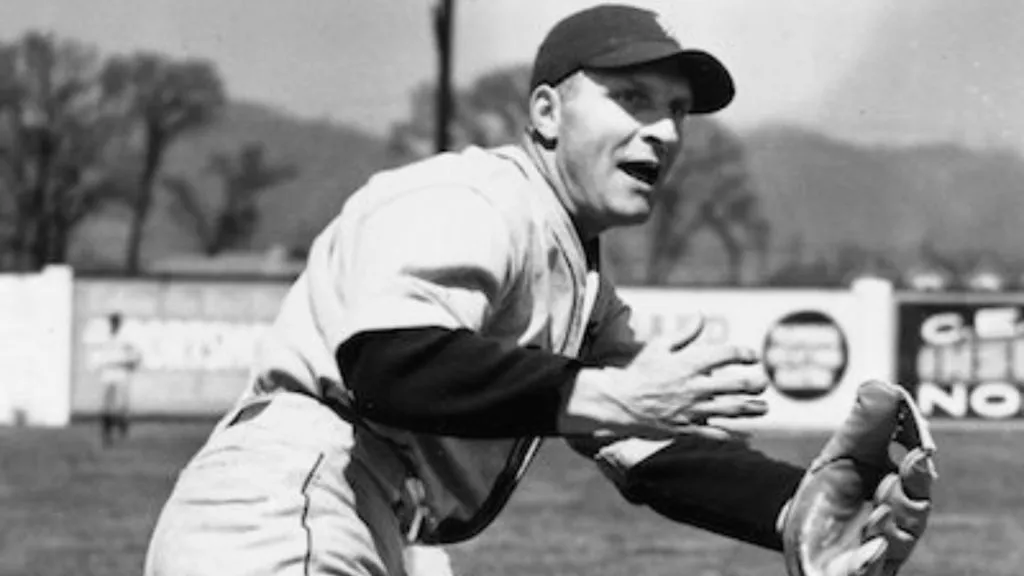
Bill Rogell (Source: Vintage Detroit Collection)
At the heart of the famous “Battalion of Death”, the powerful infield of the mid-1930s Tigers, stood shortstop Billy Rogell. Known for his grit and his nickname “The Fire Chief”, he was an aggressive player with a strong arm and excellent range.
Though his fiery temper contrasted with the calm of his double-play partner Charlie Gehringer, his skill in the field was undeniable. He led the league in fielding percentage multiple times.
He was a crucial piece of the 1935 World Series championship, and his impact off the field was just as remarkable, dedicating nearly four decades to public service on Detroit’s City Council after retiring from baseball.
Heinie Manush
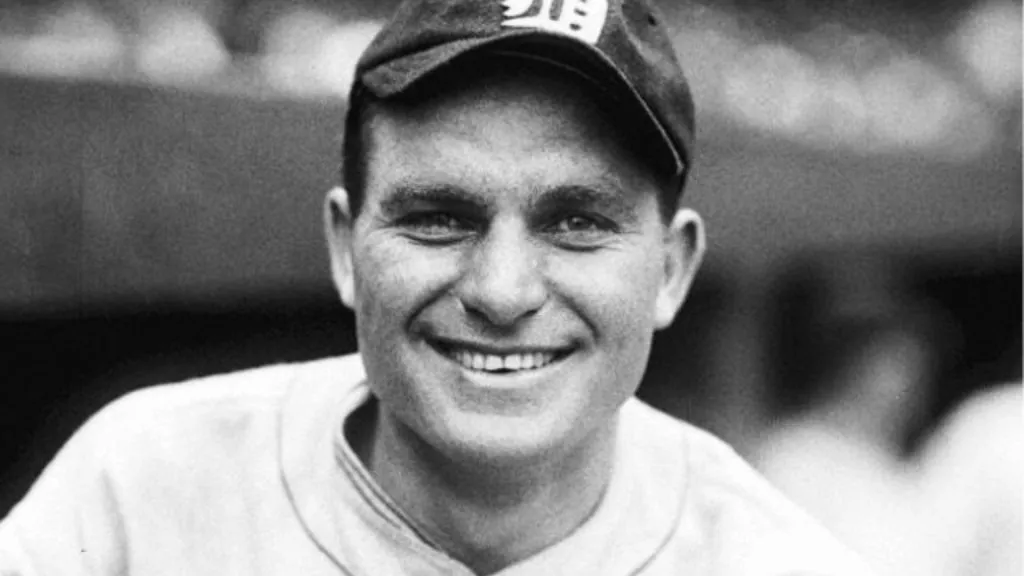
Heinie Manush (Source: Vintage Detroit Collection)
Heinie Manush embodied the image of a fiery, pure hitter from the 1920s. He arrived in Detroit and earned a spot in one of the most talented outfields in history, alongside Ty Cobb and Harry Heilmann. In a spectacular season, the left-handed slugger not only won the American League batting title but also spoiled Babe Ruth’s bid for the Triple Crown that year.
He was a master of line drives and known for his ability to pile up hits, proving his worth in the lineup time and again before continuing a career that ultimately earned him a place in the Hall of Fame for his consistent offensive brilliance.
Vic Wertz

Vic Wertz (Source: Vintage Detroit Collection)
Though Vic Wertz spent much of his career with other franchises, his early years in Detroit established him as a reliable left-handed slugger. He was known for his power at the plate and knack for driving in runs, becoming an All-Star and steady producer both in the outfield and at first base.
Yet in baseball lore, he is best remembered for a moment that came after his Tigers tenure — the long, deep fly ball to center field that Willie Mays turned into “The Catch,” the most iconic play in World Series history in 1954. That unforgettable out, off his mighty bat, cemented his place in baseball history, even if it came at his own expense.
Cecil Fielder

Cecil Fielder (Source: Michigan Sports Hall of Fame)
The arrival of Cecil “Big Daddy” Fielder injected pure power and excitement into the Detroit Tigers’ lineup in the early 1990s. After spending a season in Japan, he returned to the Majors and became the first American League player in over two decades to hit 50 home runs, reviving Detroit’s long-lost aura of the power slugger.
His massive presence and ability to crush legendary long balls made him a fan favorite and an All-Star, leading the league in RBIs multiple times and defining the Tigers’ power era of the early ’90s.