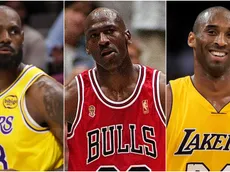
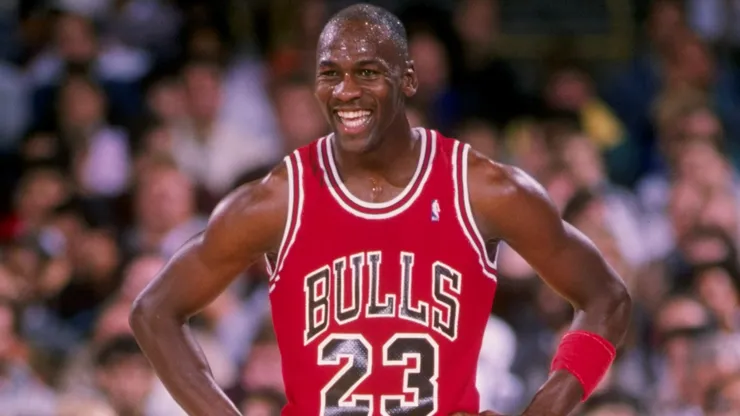
Scoring in the NBA has long been a measure of dominance, a way for players to leave a permanent mark on the game. Across decades, certain athletes have elevated their offensive output to astonishing heights, turning entire seasons into showcases of sheer firepower.
Some seasons become legendary not just for wins, but for points racked up night after night. From mid-century pioneers to modern sharpshooters, the league has seen players rewrite the scoring narrative, setting marks that endure as benchmarks of talent and endurance.
The record books capture more than numbers; they tell stories of stamina, style and the relentless pursuit of points. Each historic season reflects a blend of strategy, opportunity and individual brilliance that defines how basketball greatness is measured over time.
Wilt Chamberlain | 4,029 Points | 1961-62 Season

Wilt Chamberlain (Source: @NBA)
If the NBA’s statistical records were a fortress, Wilt Chamberlain‘s 1961-62 season would be the towering, inviolable citadel. This campaign not only holds the all-time record for total points in a single season (4,029), but it marks the only instance in league history a player has eclipsed the 4,000-point threshold.
Playing for the Philadelphia Warriors, he did more than just average a celestial 50.4 points per game; he achieved the near-impossible feat of playing virtually every minute, averaging an astounding 48.5 minutes per game (more than the regulation 48, thanks to overtime periods).
This was the season the myth of “Wilt the Stilt” became tangible: it included the legendary 100-point game and 45 contests where he scored 50 or more. It wasn’t just a display of offensive prowess; it was a testament to superhuman durability and volume in an era lacking today’s nutritional science and specialized training.
The figure of 4,029 points is so astronomical that the second-highest total also belongs to him, falling almost 500 points short. He didn’t just set a record; he warped the limits of possibility in professional basketball.
Wilt Chamberlain | 3,586 Points | 1962-63 Season
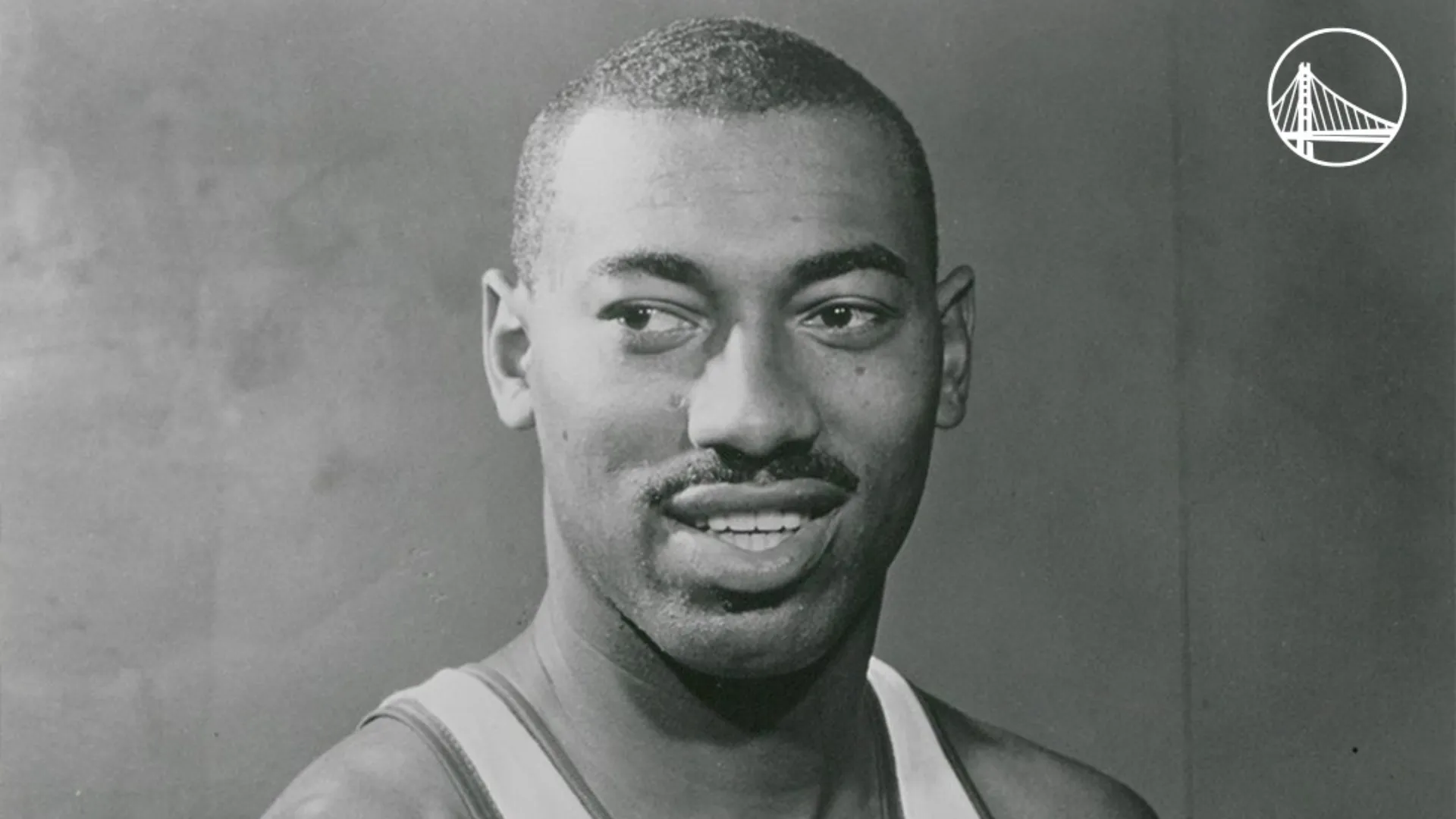
Wilt Chamberlain (Source: @warriors)
Following his historic 4,000-point campaign, Wilt Chamberlain immediately proved his feat was no cosmic anomaly. With the franchise relocating and playing for the San Francisco Warriors, he returned in 1962-63 to log the second-most points in NBA history (3,586).
This massive total translated to a 44.8 points per game average—a mark that would be the career highlight for almost any other player, but for him, it was merely a “slight” dip.
Rather than slowing down, the titan simply maintained his offensive machinery at a blistering pace. He remained an unstoppable force in the paint, leveraging his size and strength before defenses truly adapted.
What is most compelling about this performance is that while the 1961-62 season earned the folklore status, this 3,586-point campaign solidified his reputation as the most dominant and consistent scorer of his generation, demonstrating he could relentlessly threaten his own high-water mark year after year.
Michael Jordan | 3,041 Points | 1986-87 Season
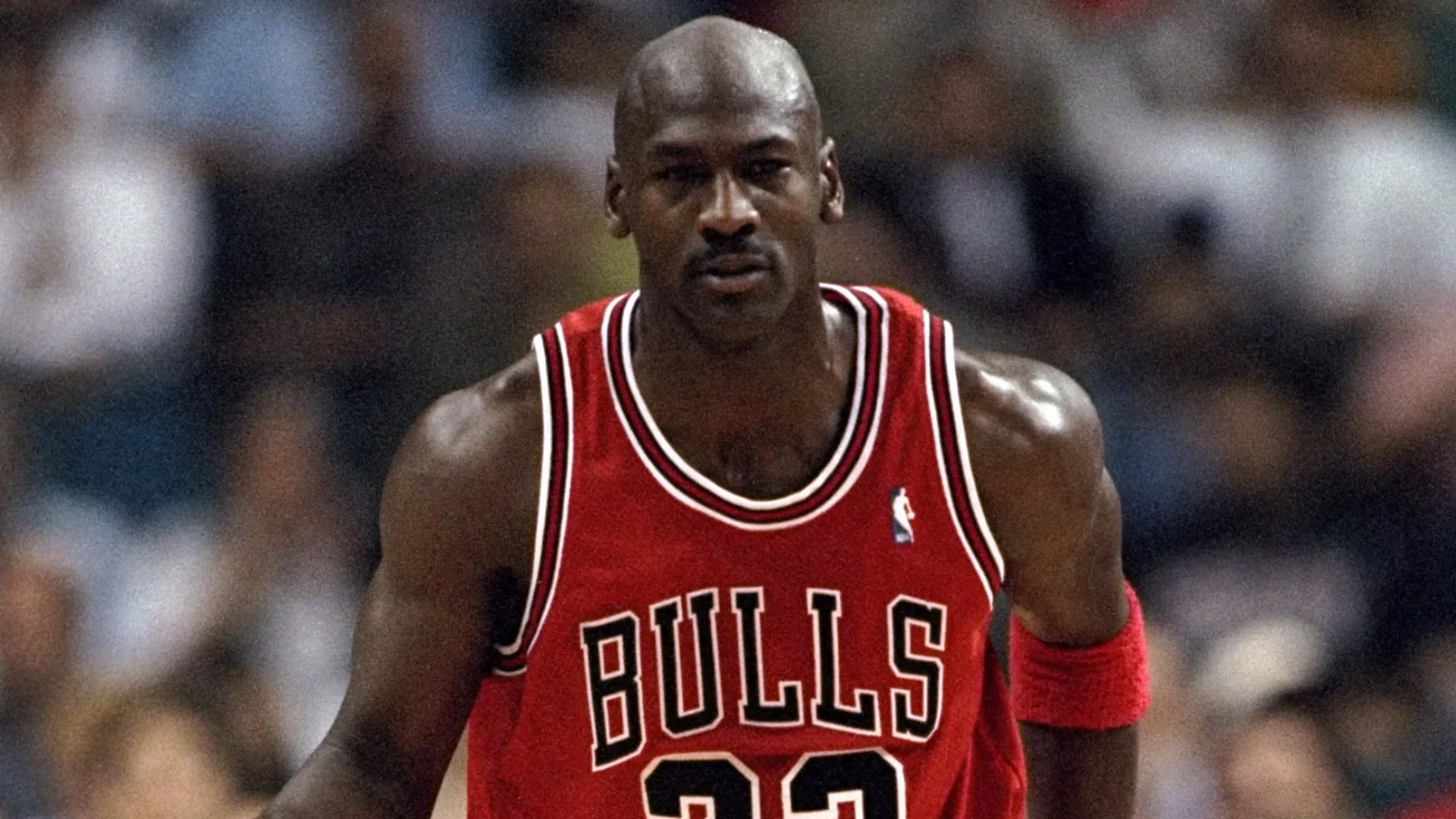
Michael Jordan (Source: Andy Lyons /Allsport)
We leap from the sheer power and height of the 1960s to the athletic explosion and grace of the modern era with the emergence of Michael Jordan in the 1986-87 season.
His 3,041 points not only represent the third-highest total of all time, but it remains the highest total achieved by any player in NBA history since the league’s merger with the ABA in 1976. Jordan is also the only player besides Chamberlain to ever surpass the 3,000-point mark.
Just 23 years old and coming back from a foot injury that marred the previous season, this was the year Air Jordan transformed from a superstar-in-the-making into a force of nature. He averaged 37.1 points per game, leading the league in scoring for the first time.
This was a scoring demonstration that seamlessly blended the mid-range jumper, spectacular drives, and deadly free-throw efficiency. This season served as the formal declaration that the league had found its new face—a player capable of reaching numerical altitudes that only the legendary Wilt had previously touched.
Wilt Chamberlain | 3,033 Points | 1960-61 Season
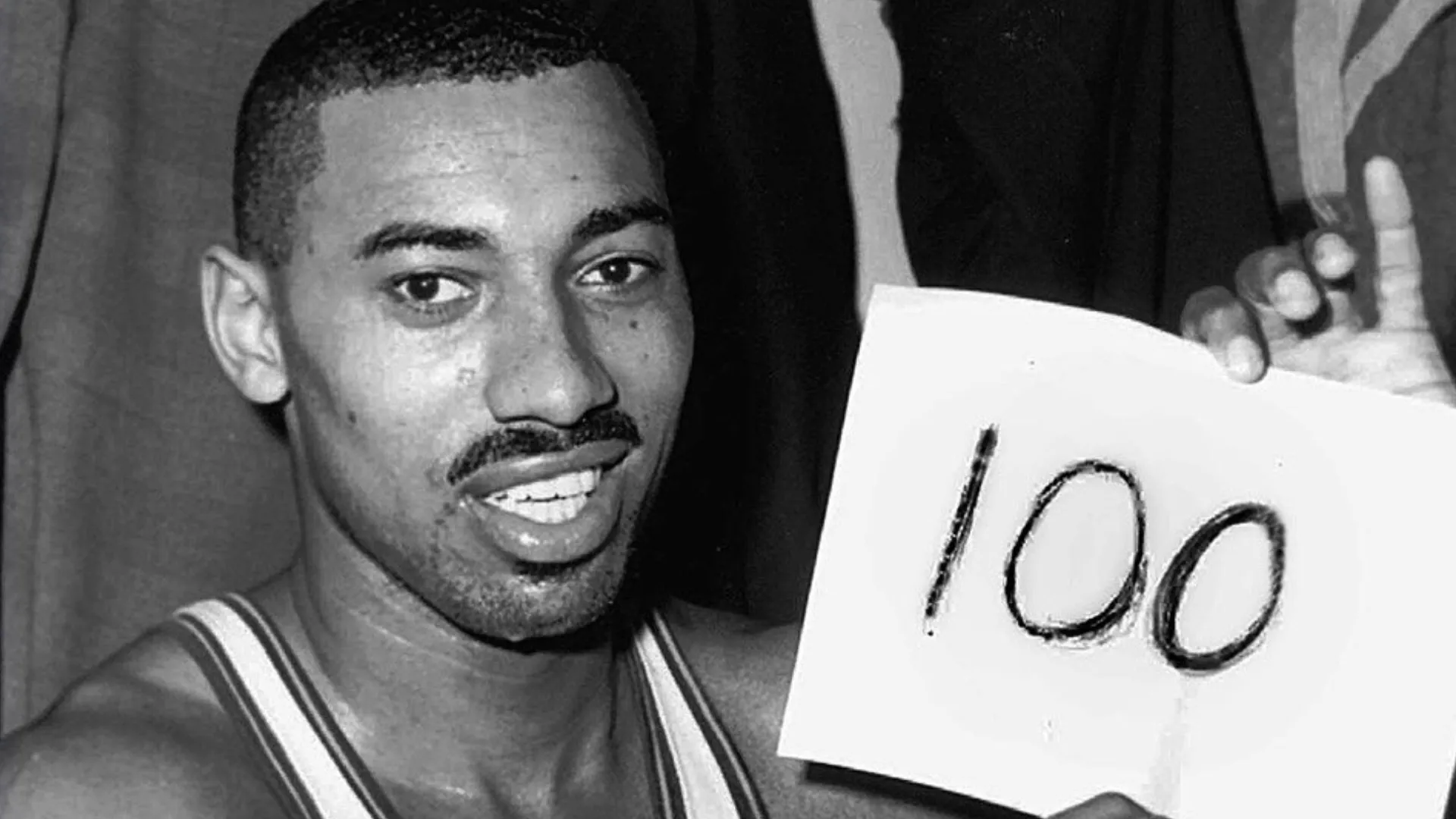
Wilt Chamberlain (Source: @NBA)
By his second year in the league, Wilt Chamberlain was no longer a novelty; he was a statistical problem for every opponent. The 1960-61 season, his second with the Philadelphia Warriors, saw him tally 3,033 points, establishing the fourth-highest total in NBA history.
This total translates to a punishing average of 38.4 points per game, a number that in almost any other era would have been an undisputed league record. This was a critical year of consolidation, proving his dominance was not a fluke.
The remarkable thing about this output is not just the volume, but the sheer consistency with which, early in his career, he pushed the boundaries of what was achievable.
In a league with less restrictive rules for interior play and a scarcity of defensive specialists built to handle his size, he made scoring over 35 points a night seem routine, laying the groundwork for his legendary record-breaking season the following year.
Wilt Chamberlain | 2,948 Points | 1963-64 Season
Closing out the list of the five highest-scoring seasons is Wilt Chamberlain once more, tallying 2,948 points in the 1963-64 season, his final full campaign with the San Francisco Warriors before his trade to Philadelphia. While this total is the lowest on this top-five list, it remains a nearly insurmountable statistical peak, generating an average of 36.9 points per game.
What makes this particular season unique is that it was a year when The Big Dipper (as he was known for his tendency to drop the ball in the basket rather than dunk) began to showcase a more rounded game.
Alongside his monstrous scoring volume, that season marked a personal high in total assists (403) at the time, signaling a conscious, and often criticized, effort to involve his teammates more.
Michael Jordan | 2,868 Points | 1987-88 Season
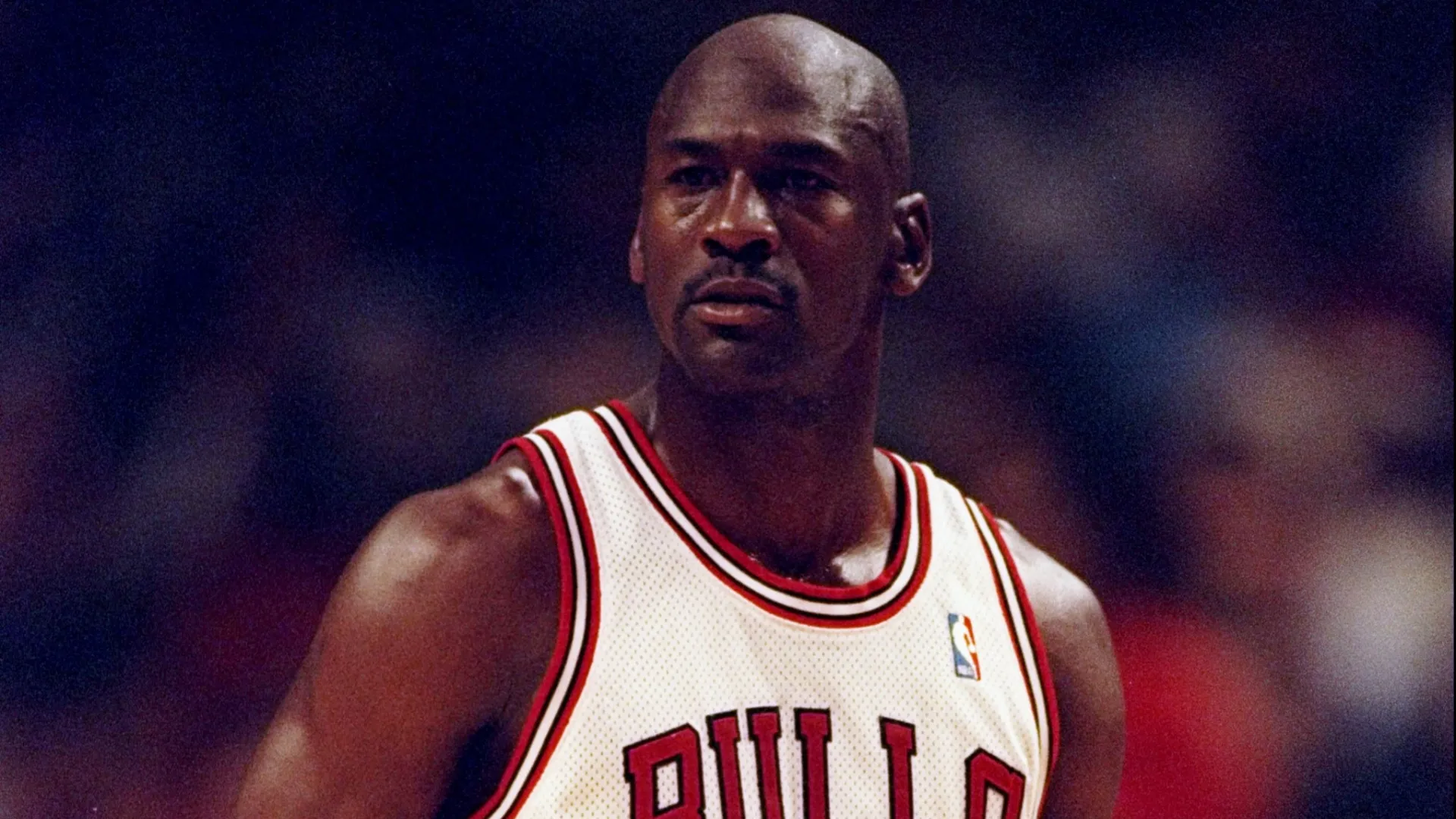
Michael Jordan (Source: Jonathan Daniel /Allsport)
Following his 3,000-point offensive assault in ’87, Michael Jordan returned in the 1987-88 season not just to maintain an incredible scoring volume, but to achieve defensive supremacy. His 2,868 points represent his second-highest single-season total, averaging a massive 35.0 points per game.
This season was a pinnacle of his career in terms of global impact. He not only dominated the scoring charts for the second consecutive year, but he also captured the Defensive Player of the Year award and his first career MVP.
Scoring nearly 2,900 points while simultaneously leading the league in steals and establishing himself as the premier defender at his position is an unprecedented feat. This campaign proved he could not only outscore everyone but do so with lethal efficiency without sacrificing any other facet of the game.
Kobe Bryant | 2,832 Points | 2005-06 Season
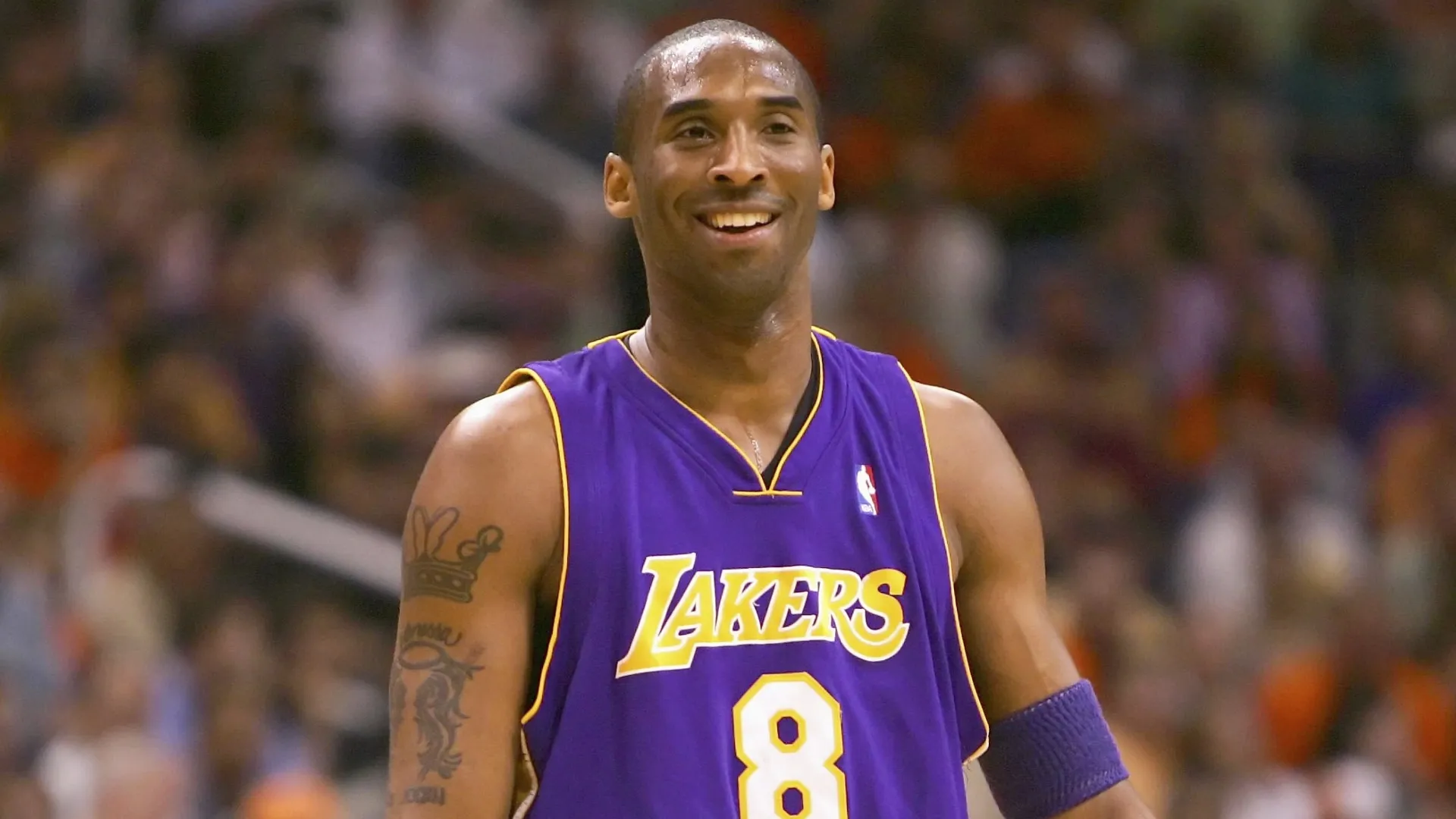
Kobe Bryant (Source: Lisa Blumenfeld/Getty Images)
The 2005-06 season was a period of both personal hell and glory for Kobe Bryant. With the Los Angeles Lakers in a rebuilding phase, he was forced to carry an offensive load few players in history have shouldered.
His total of 2,832 points was the highest in the NBA during the 2000s and cemented his place in the historical volume elite. He averaged a frantic 35.4 points per game. This season is the epitome of the “Mamba Mentality”—an unrelenting focus that culminated in his legendary 81-point game against the Raptors.
His 2,832 points were built on a blend of post-ups, impossible mid-range jumpers, and an unwavering will to take and make any shot at any time. His total stands as a testament to the dedication to his craft and the ability of a modern-era player to challenge the scoring marks of the old school.
Bob McAdoo | 2,831 Points | 1974-75 Season
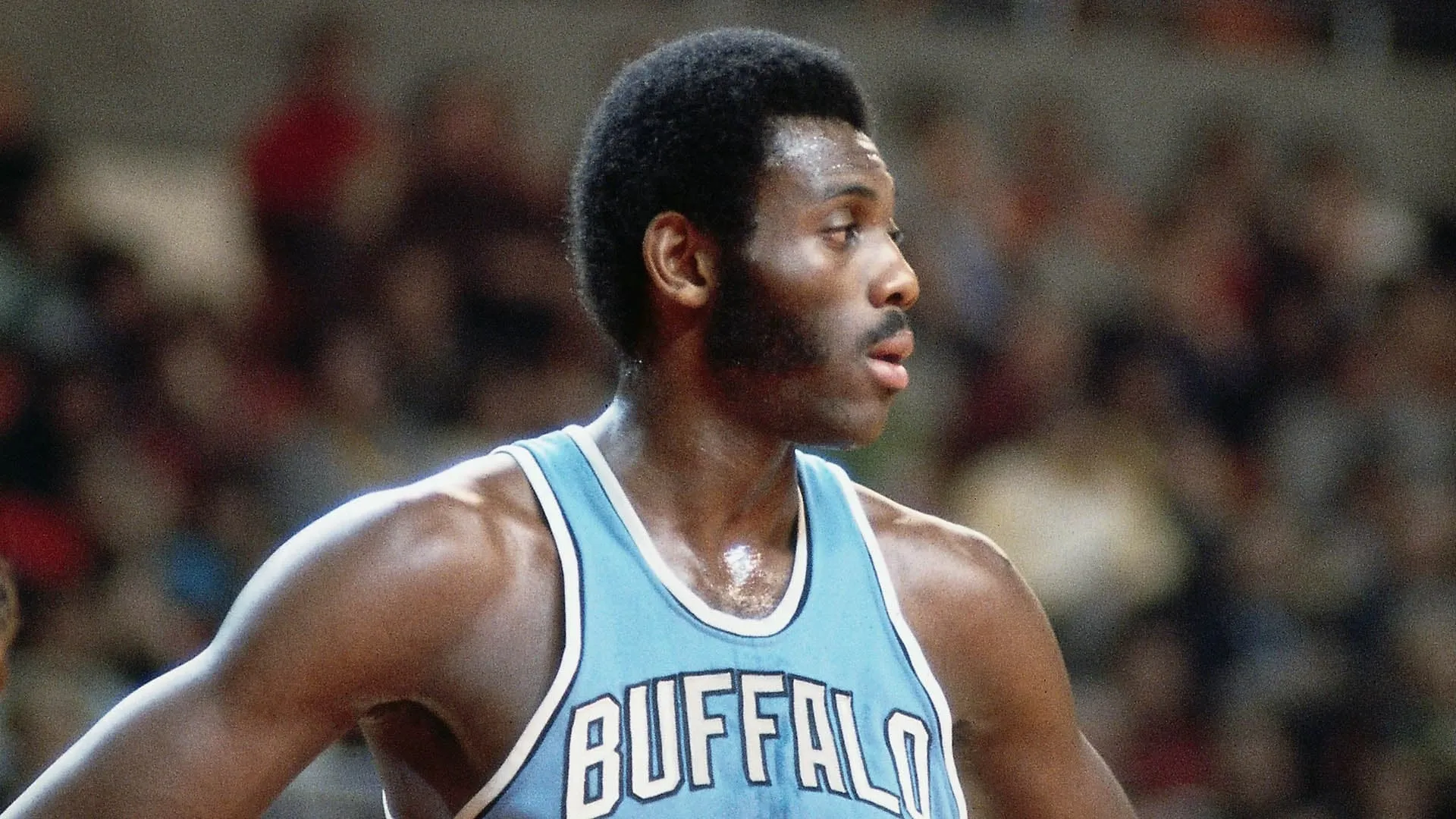
Bob McAdoo (Source: NBA)
In an era where the game centered on the paint and the mid-range jumper, Bob McAdoo represented the pinnacle of scoring efficiency for a big man. In the 1974-75 season, playing for the Buffalo Braves, he tallied 2,831 points, the highest total achieved by a center since the years of Wilt Chamberlain.
This monumental effort earned him the league’s Most Valuable Player (MVP) award. Averaging 34.5 points per game, he showcased unusual versatility for his height, utilizing a near-unblockable fadeaway jump shot.
His style was not the brute force of Wilt, but a fluid grace that allowed him to score with high precision. Achieving nearly 2,850 points without the benefit of the three-point line underscores the incredible skill and mastery of the post and mid-range game he possessed.
Kareem Abdul-Jabbar | 2,822 Points | 1971-72 Season
The 1971-72 season was a display of total dominance for Kareem Abdul-Jabbar (then still Lew Alcindor) with the Milwaukee Bucks. His 2,822 points not only secured his second scoring title but also earned him his second MVP award. He averaged 34.8 points per game, a feat accomplished with astonishing efficiency.
The hallmark of his point production was the iconic Skyhook, a shot that was impossible to block. He led the league in field goal percentage that year at over 57%, an incredible figure for such a high-volume scorer.
This season was instrumental in establishing him as a worthy successor to Wilt’s hegemony, proving he could fuse historical point production with surgical accuracy—a trait that often separated the great centers.
James Harden | 2,818 Points | 2018-19 Season
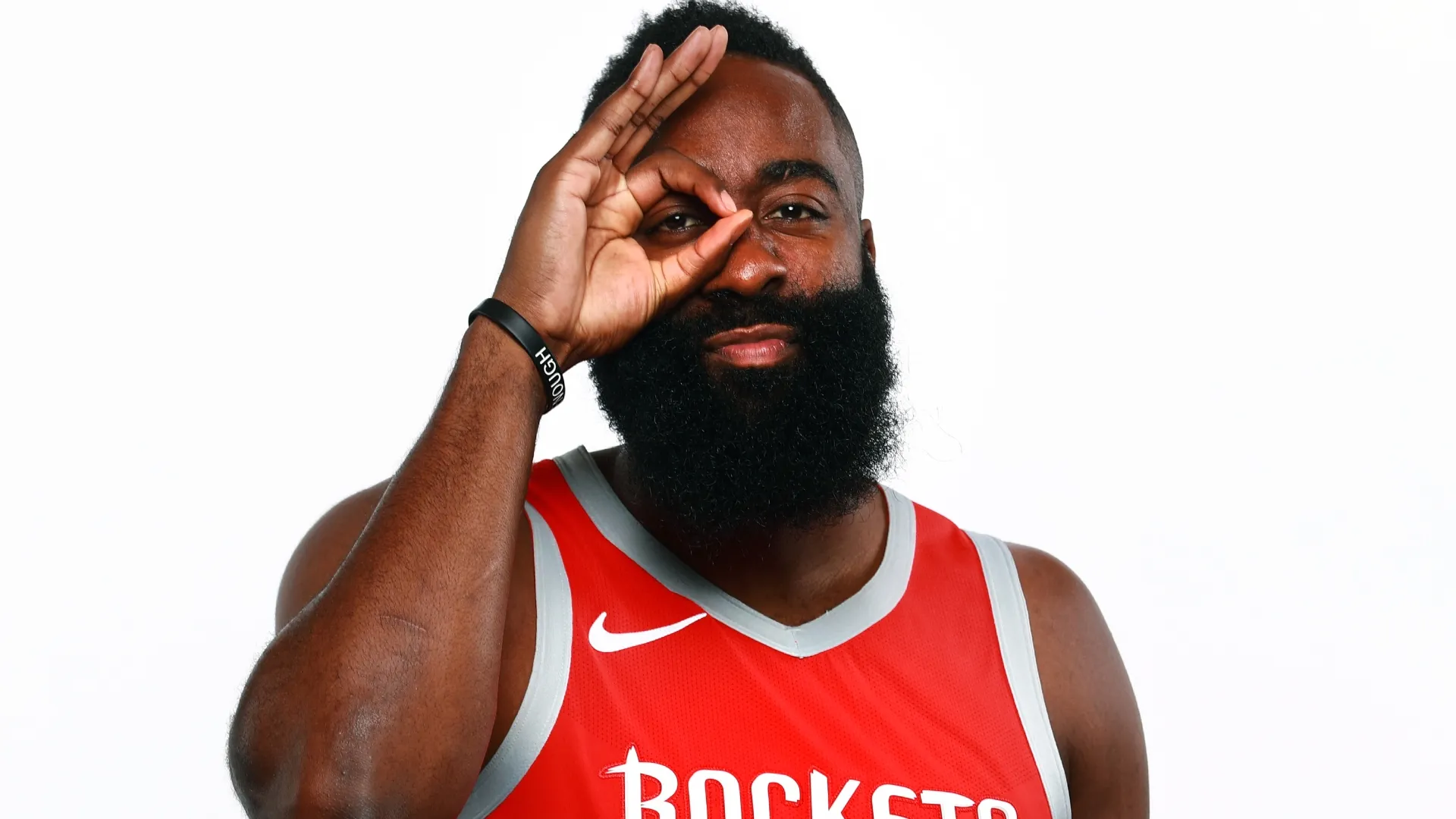
James Harden (Source: Tom Pennington/Getty Images)
James Harden and his 2018-19 season represent a case study in modern scoring, centered on analytics and rule exploitation. His 2,818 points placed him as the leading scorer of the 21st century after Bryant, achieving an average of 36.1 points per game. This is the highest season average since Jordan’s aforementioned 1986-87 peak.
He turned basketball into a high-efficiency equation. His arsenal was built on the step-back three-pointer and an unparalleled ability to draw fouls and capitalize from the free-throw line.
His memorable streak of 32 consecutive games with 30 or more points was not just a record of consistency but a demonstration of the offensive burden he carried in Houston, forcing defenses to rewrite their playbooks.
Rick Barry | 2,775 Points | 1966-67 Season
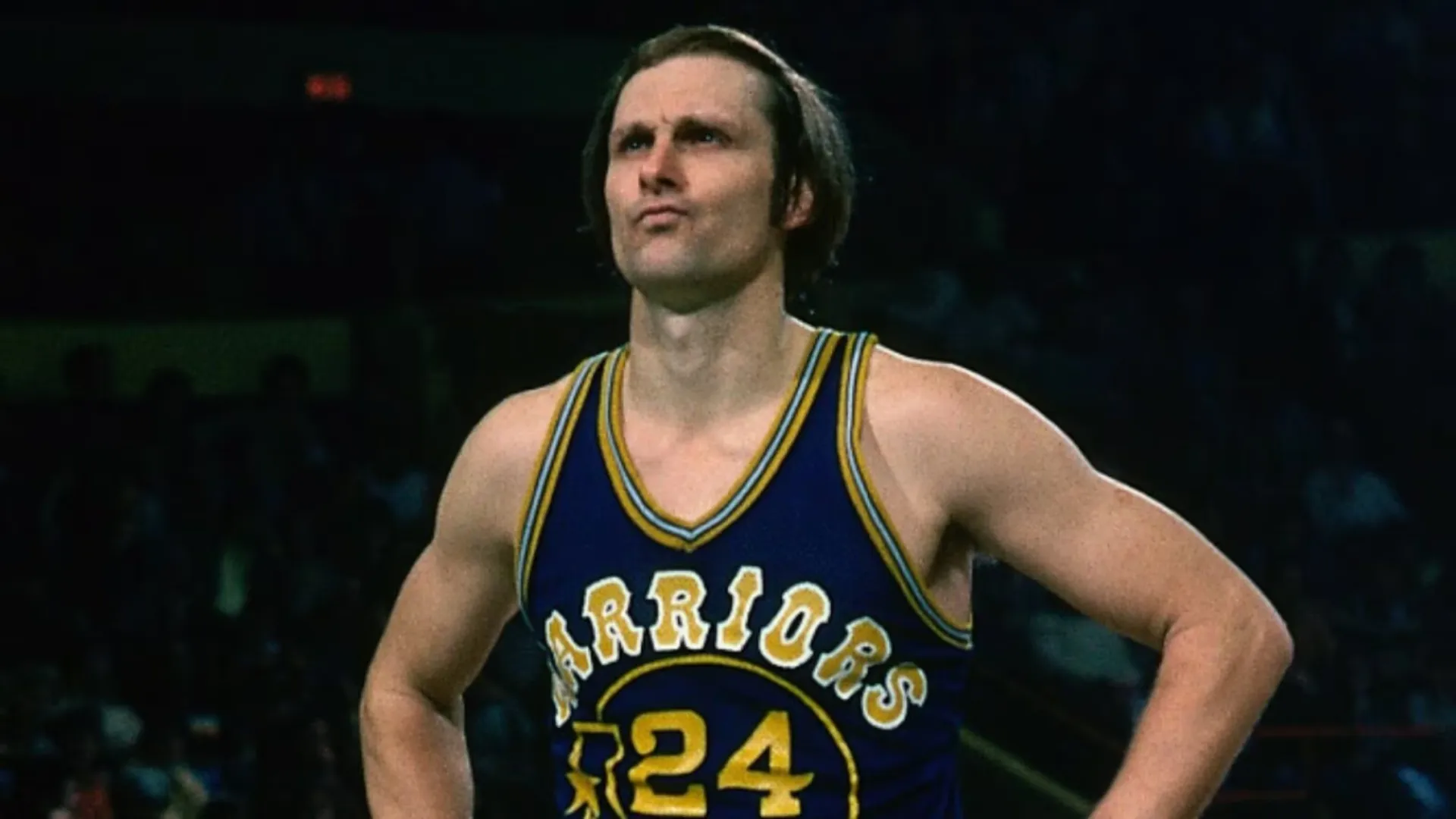
Rick Barry (Source: NBA)
Rick Barry‘s 1966-67 season with the San Francisco Warriors stands as one of the most explosive scoring displays by a young player in history. Achieving 2,775 points in his second professional season, he led the league with a scorching 35.6 points per game—the highest average by a non-center until Michael Jordan arrived two decades later.
His scoring was defined by a unique blend of elegance and intensity. Known for his unorthodox underhand free-throw technique, he was a relentless driver and a masterful shooter from the perimeter (before the three-point line).
This performance powered the Warriors to the Finals and demonstrated that a forward could challenge the scoring hierarchy dominated by centers. He was aggressive, precise, and unstoppable, solidifying his reputation as one of the game’s greatest pure scorers.
Michael Jordan | 2,753 Points | 1989-90 Season
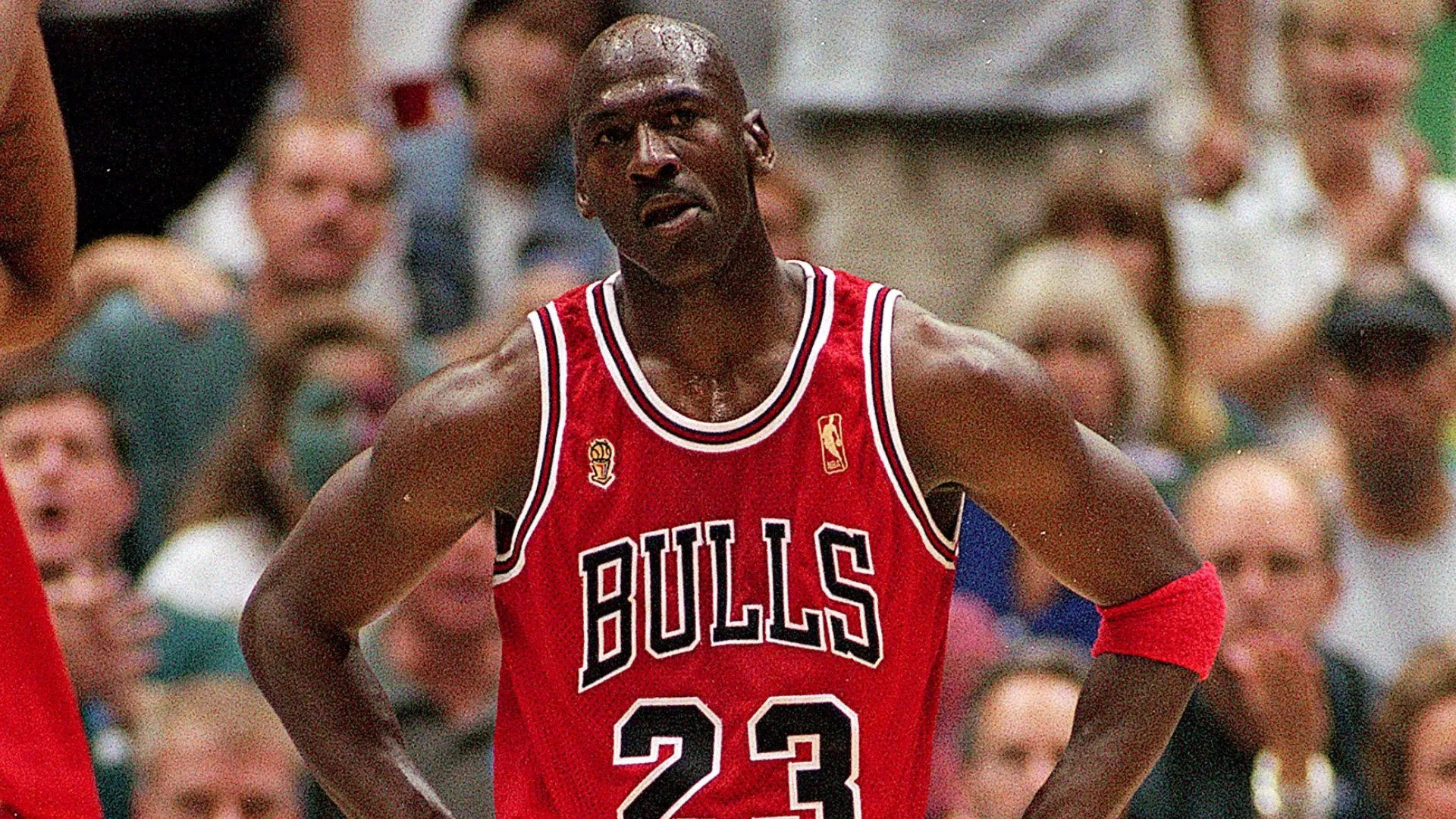
Michael Jordan (Source: Brian Bahr /Allsport)
In the 1989-90 season, just one year before the Chicago Bulls dynasty began, Michael Jordan delivered another phenomenal scoring year, logging 2,753 points. This total, which led the league in scoring for the fourth consecutive year, translated to a robust average of 33.6 points per game.
This was arguably Jordan’s most physically demanding scoring season as he adjusted to Phil Jackson’s triangle offense, which initially required him to score more in isolation before the team structure solidified. It was a season of transition where he continued his offensive domination, showcasing refined post moves and a wider array of mid-range jumpers.
While perhaps less spectacular than his 3,000-point peak, this volume scoring season was crucial, proving he could still carry a massive offensive load while slowly transitioning to the team-oriented system that would bring championships.
Nate Archibald | 2,719 Points | 1972-73 Season
The 1972-73 season belongs uniquely to Nate Archibald. Playing for the Kansas City-Omaha Kings, Archibald became the only player in NBA history to lead the league in both points and assists in the same season. His total of 2,719 points was achieved despite his small stature (6’1″), translating to an astonishing 34.0 points per game.
His scoring was a blend of blinding speed and deceptive power. He attacked the basket relentlessly, finishing layups and drawing fouls with remarkable consistency, all while navigating a league dominated by much taller players.
This was a legendary individual achievement, proving that volume scoring was not exclusive to the giants of the era. ‘Tiny’ Archibald was a scoring machine and a floor general rolled into one, setting a dual-record that remains unbroken.
Elgin Baylor | 2,719 Points | 1962-63 Season
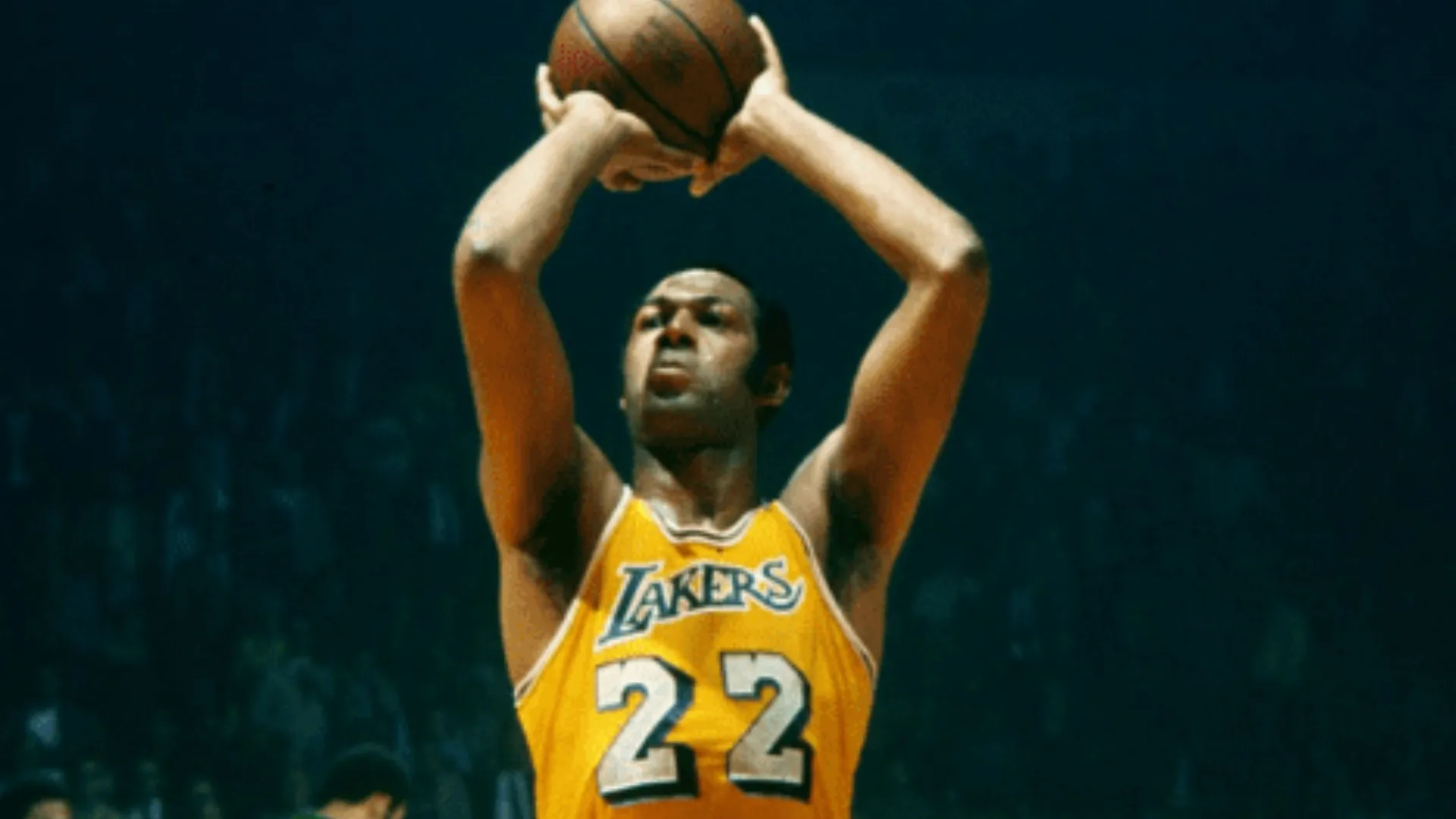
Elgin Baylor (Source: NBA)
Elgin Baylor‘s 1962-63 season is a stunning example of prolific scoring often lost in the shadow of Wilt Chamberlain’s concurrent 3,586-point output. He matched Archibald’s total with 2,719 points for the Los Angeles Lakers, averaging a breathtaking 34.0 points per game.
Baylor was a revolutionary scorer, famous for his mid-air acrobatics and ability to change direction and release point, inventing moves that later inspired players like Julius Erving and Michael Jordan.
Achieving such a high-volume total while maintaining an incredibly disruptive schedule speaks volumes about his sheer talent and commitment. He was, quite simply, an offensive genius ahead of his time.
Wilt Chamberlain | 2,707 Points | 1959-60 Season
Our final entry returns to where the scoring saga began: Wilt Chamberlain‘s 1959-60 rookie season. Playing for the Philadelphia Warriors, he immediately established himself as a force of nature, compiling 2,707 points—a record for a rookie that still stands today.
He averaged an incredible 37.6 points per game in his very first year. This campaign was the first seismic shock he delivered to the NBA. He didn’t just break the rookie scoring record; he obliterated the previous all-time season scoring record (held by Bob Pettit) by over 500 points.
This total is a foundational piece of his legacy, showing that his unprecedented scoring wasn’t something he built up to, but rather the default setting of his game from the moment he stepped onto the court. It was the moment the league realized it had to fundamentally change its rules to deal with The Big Dipper.
| Rank | Player | Team | Points | Season |
| 1 | Wilt Chamberlain | Philadelphia Warriors | 4,029 | 1961-62 |
| 2 | Wilt Chamberlain | San Francisco Warriors | 3,586 | 1962-63 |
| 3 | Michael Jordan | Chicago Bulls | 3,041 | 1986-87 |
| 4 | Wilt Chamberlain | Philadelphia Warriors | 3,033 | 1960-61 |
| 5 | Wilt Chamberlain | San Francisco Warriors | 2,948 | 1963-64 |
| 6 | Michael Jordan | Chicago Bulls | 2,868 | 1987-88 |
| 7 | Kobe Bryant | Los Angeles Lakers | 2,832 | 2005-06 |
| 8 | Bob McAdoo | Buffalo Braves | 2,831 | 1974-75 |
| 9 | Kareem Abdul-Jabbar | Milwaukee Bucks | 2,822 | 1971-72 |
| 10 | James Harden | Houston Rockets | 2,818 | 2018-19 |
| 11 | Rick Barry | San Francisco Warriors | 2,775 | 1966-67 |
| 12 | Michael Jordan | Chicago Bulls | 2,753 | 1989-90 |
| 13 | Nate Archibald | Kansas City-Omaha Kings | 2,719 | 1972-73 |
| 14 | Elgin Baylor | Los Angeles Lakers | 2,719 | 1962-63 |
| 15 | Wilt Chamberlain | Philadelphia Warriors | 2,707 | 1959-60 |
| 16 | Wilt Chamberlain | S.F. Warriors / Phila. 76ers | 2,649 | 1965-66 |
| 17 | Michael Jordan | Chicago Bulls | 2,633 | 1988-89 |
| 18 | Kareem Abdul-Jabbar | Milwaukee Bucks | 2,596 | 1970-71 |
| 19 | Kevin Durant | Oklahoma City Thunder | 2,593 | 2013-14 |
| 20 | George Gervin | San Antonio Spurs | 2,585 | 1979-80 |