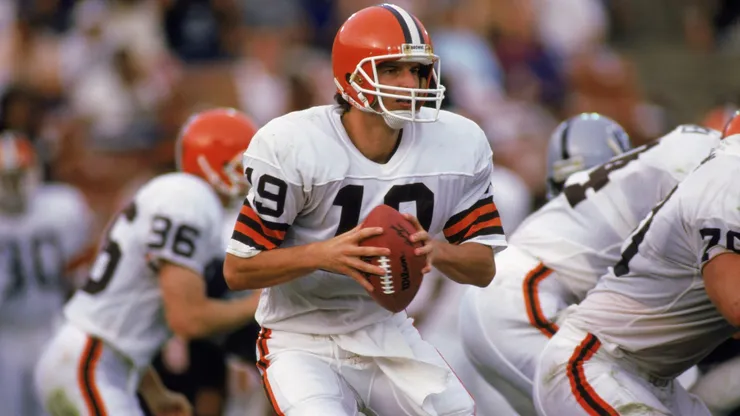
From the earliest days of football to the present, the Cleveland Browns have carried a tradition rooted in grit and reinvention. Their history has been written not only through seasons, but through the players who shaped its soul.
Legends have emerged in every era — dominant runners, fearless quarterbacks, and defenders who set the tone for generations. Their impact often extended far beyond the box score, leaving behind echoes that still resonate in the NFL.
These icons defined more than games; they defined identity. To trace their stories is to capture the resilience of a city and a franchise that has weathered every storm while keeping its passion unbroken.
Lou Groza
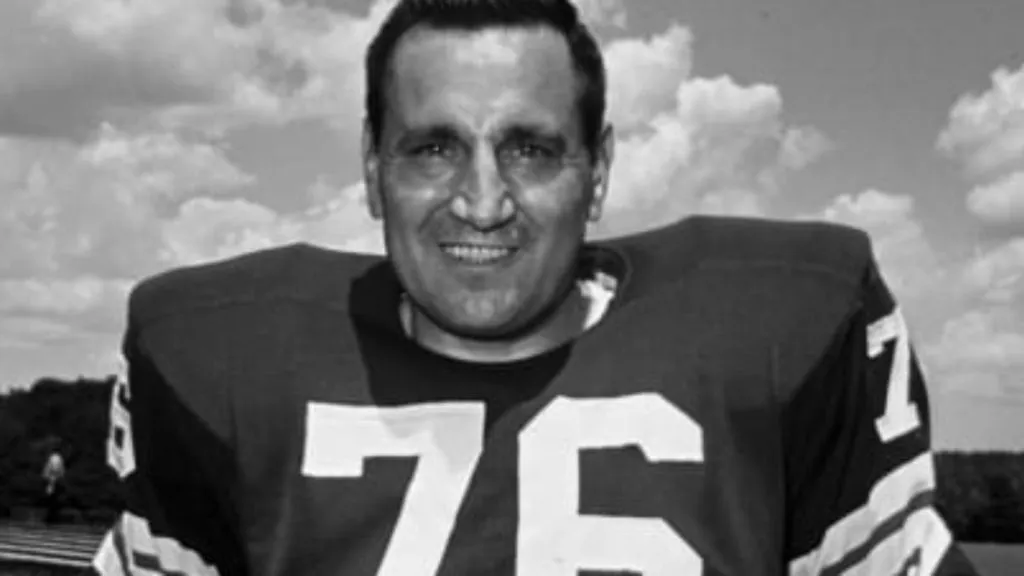
Lou Groza (Source: Cleveland Browns)
From the moment he arrived in 1946, Lou “The Toe” Groza redefined versatility in football. Playing both offensive tackle and kicker, he was key in the Browns’ dominance, winning four AAFC titles and NFL championships in 1950, 1954, 1955, and 1964. Over 21 seasons with Cleveland, he set franchise scoring records and elevated the role of the kicker into a game-changing position.
Paul Warfield
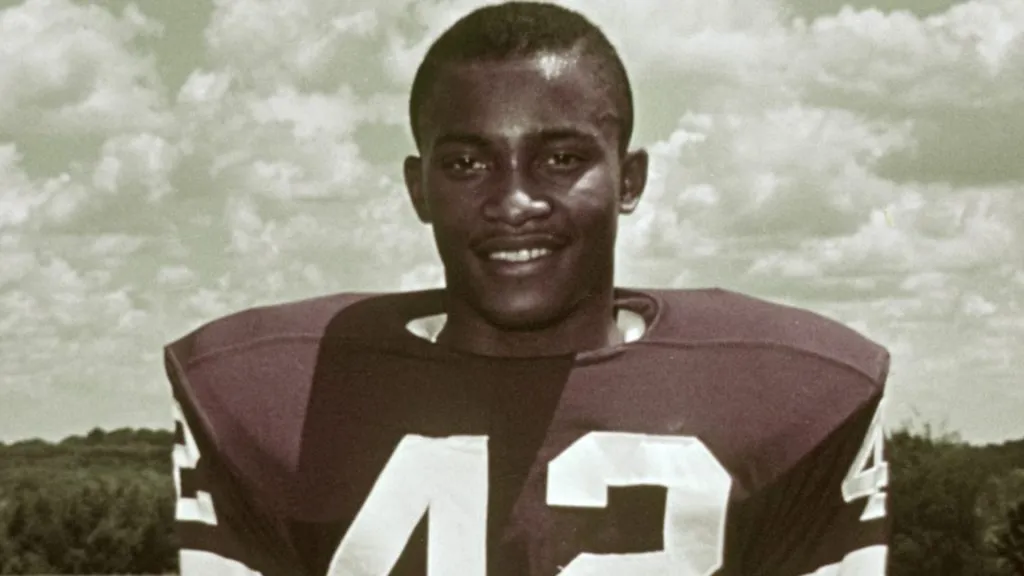
Paul Warfield (Source: Cleveland Browns)
Drafted in the first round in 1964, Paul Warfield’s speed, precise routes, and ability to stretch defenses quickly transformed Cleveland’s offense. He became a consistent big-play threat, making every catch a potential game-breaker. Though his time with the Browns included trades and returns, his elegance and influence at wide receiver remain hallmarks of the franchise’s history.
Jim Brown
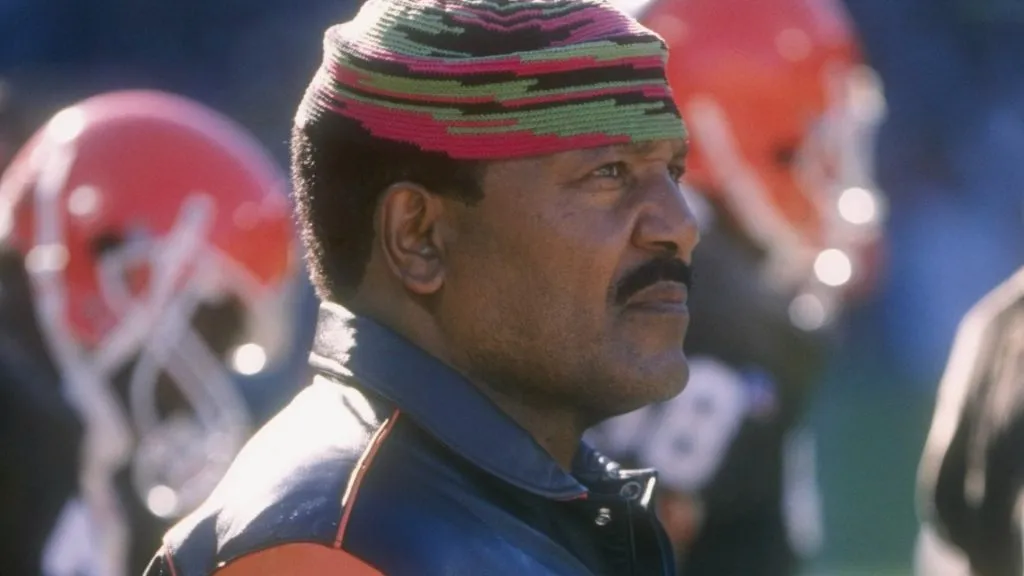
Jim Brown (Source: Rick Stewart /Allsport)
For many, Jim Brown embodies the very definition of offensive dominance. Arriving in 1957 from Syracuse, he overwhelmed defenses with speed, strength, and vision. He led the league in rushing in eight of his nine seasons and collected multiple MVP awards. His early retirement left a massive void, but also cemented his status as the gold standard for running backs.
Leroy Kelly
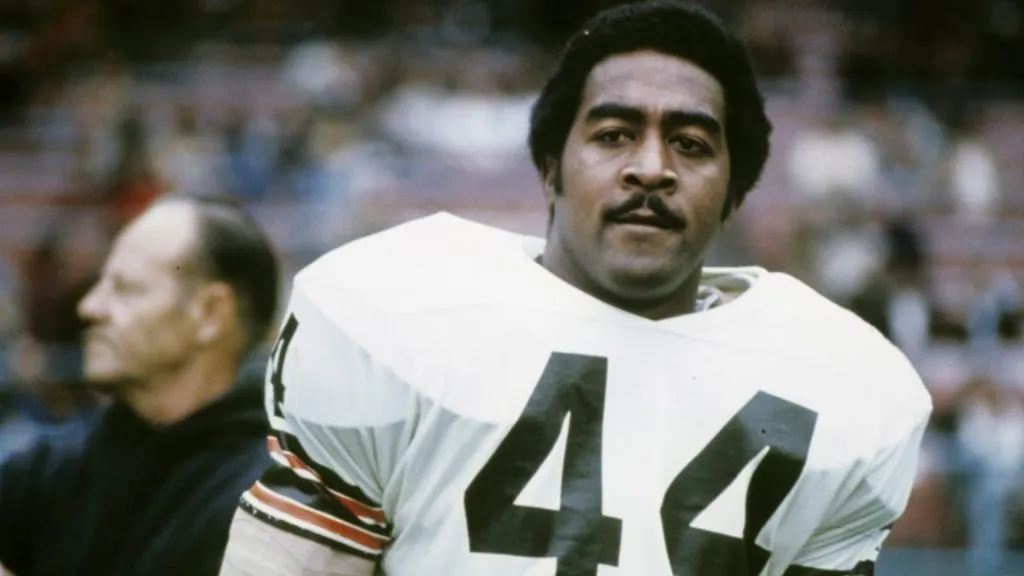
Leroy Kelly (Source: Cleveland Browns)
Succeeding Jim Brown was no easy task, but Leroy Kelly managed it with flair. Debuting in 1964, he first played in the shadows before exploding as the team’s starter, delivering multiple 1,000-yard seasons and leading the league in rushing touchdowns. His consistency kept Cleveland competitive through the late 1960s, proving he could shoulder the pressure of following a legend.
Marion Motley
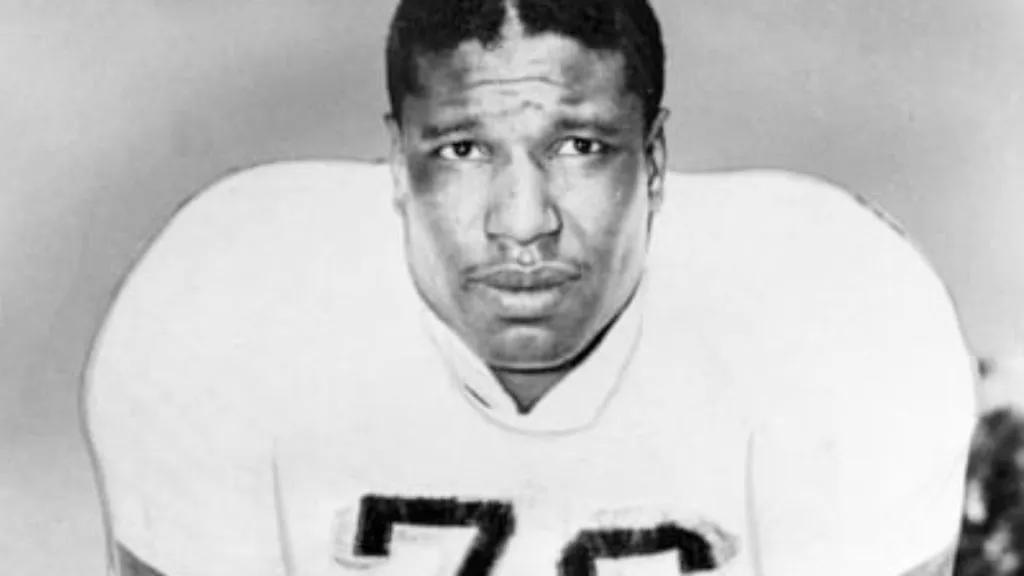
Marion Motley (Source: Cleveland Browns)
As one of the Browns’ original stars, Marion Motley brought brute strength to the fullback position during the team’s early AAFC dominance. His ability to run through defenses while setting the tone for the offense made him an irreplaceable force. He also broke barriers as one of the first African American players to reintegrate pro football, making his impact both athletic and cultural.
Otto Graham
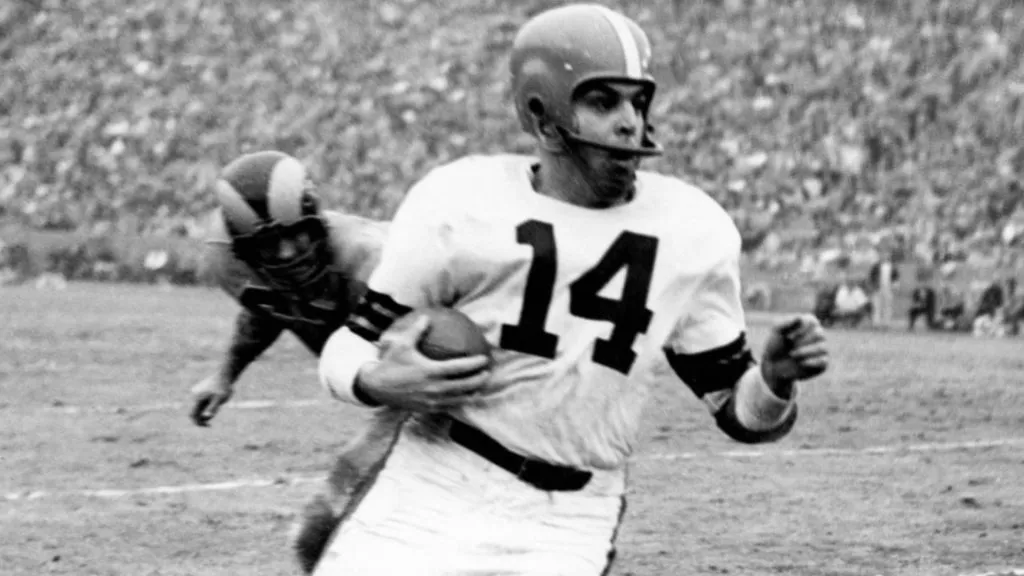
Otto Graham (Source: Cleveland Browns)
The architect of Cleveland’s first dynasty, Otto Graham’s brilliance at quarterback was unmatched. He led the Browns to a championship game in every single season of his career, winning seven titles in total. Known as “Automatic Otto,” his passing accuracy, efficiency, and sheer dominance made him one of the most successful QBs in NFL history.
Frank Minnifield
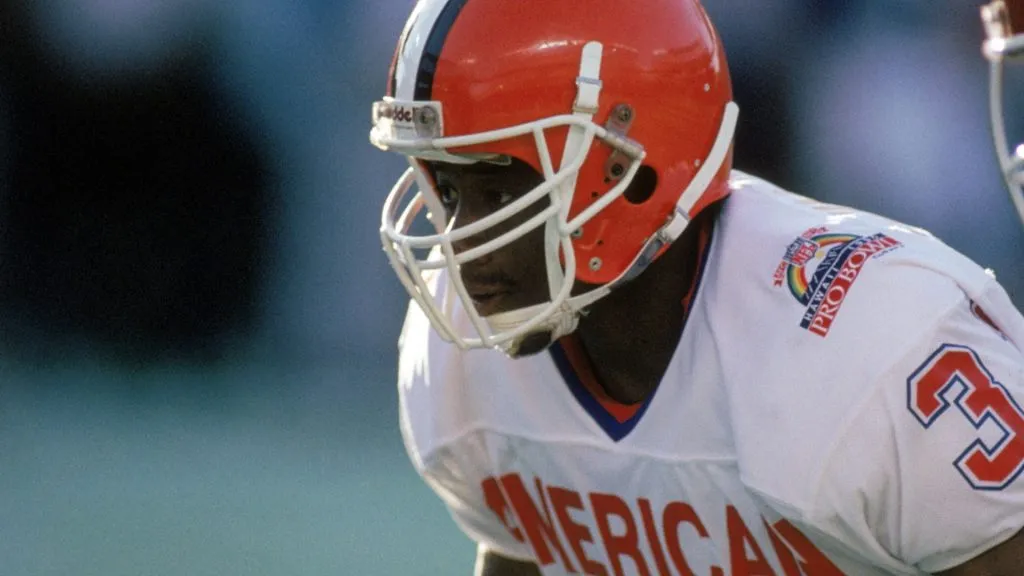
Frank Minnifield (Source: George Rose/Getty Images)
“Mighty Minnie” may not have had the size of other defenders, but his heart, instincts, and toughness defined his play. After joining Cleveland in 1984 from the USFL, Frank Minnifield became a cornerstone of the Browns’ defense throughout the 1980s. Alongside Hanford Dixon, he helped establish the feared “Dawg Pound” identity, remembered as one of the franchise’s most iconic eras.
Len Ford
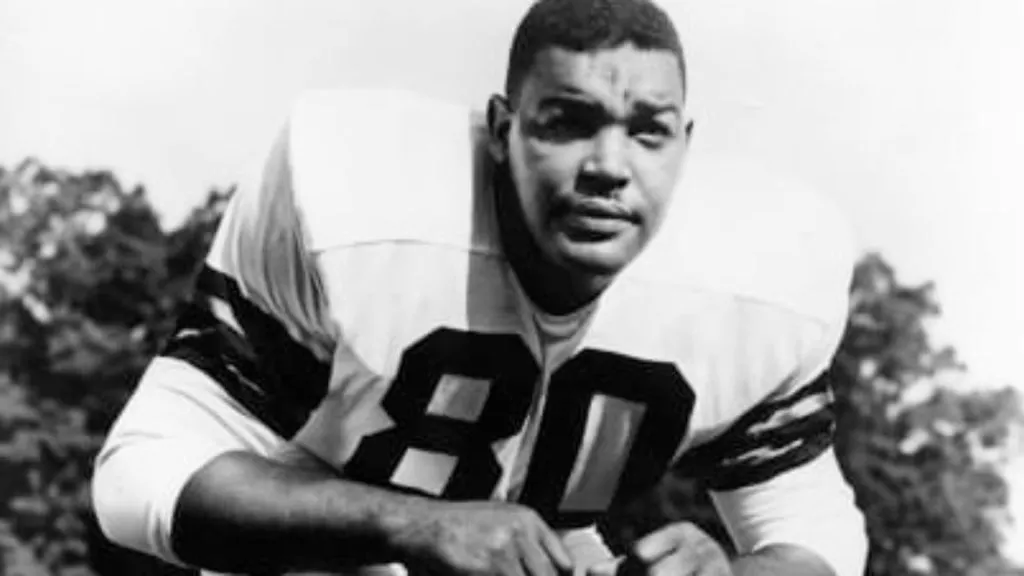
Len Ford (Source: Cleveland Browns)
In the 1950s, Len Ford revolutionized the defensive end position. After joining Cleveland in 1950, he quickly became a dominant pass rusher and turnover machine, keying the Browns’ championship defenses. His relentless pressure forced offenses to change their schemes, and his presence as one of the few African American stars of his era left a lasting impact beyond football.
Ozzie Newsome
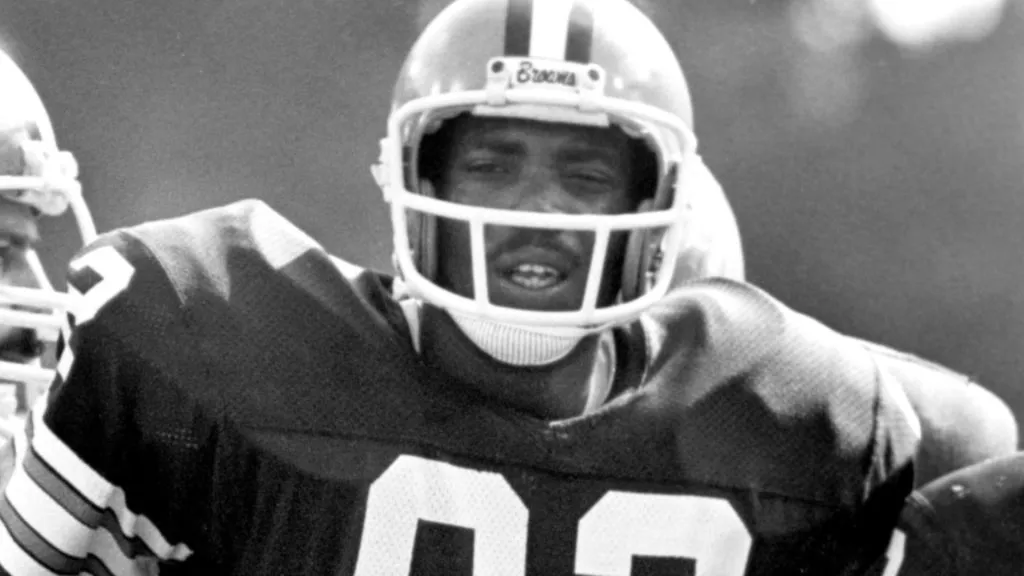
Ozzie Newsome (Source: Cleveland Browns)
When Cleveland drafted Ozzie Newsome in 1978, the tight end position was still seen largely as secondary. He changed that narrative, becoming the Browns’ most reliable offensive weapon throughout the 1980s.
With precise routes, dependable hands, and durability, he earned multiple Pro Bowl selections and eventually set the standard for the modern tight end. His influence later extended into the front office, where he became a groundbreaking NFL executive.
Bernie Kosar
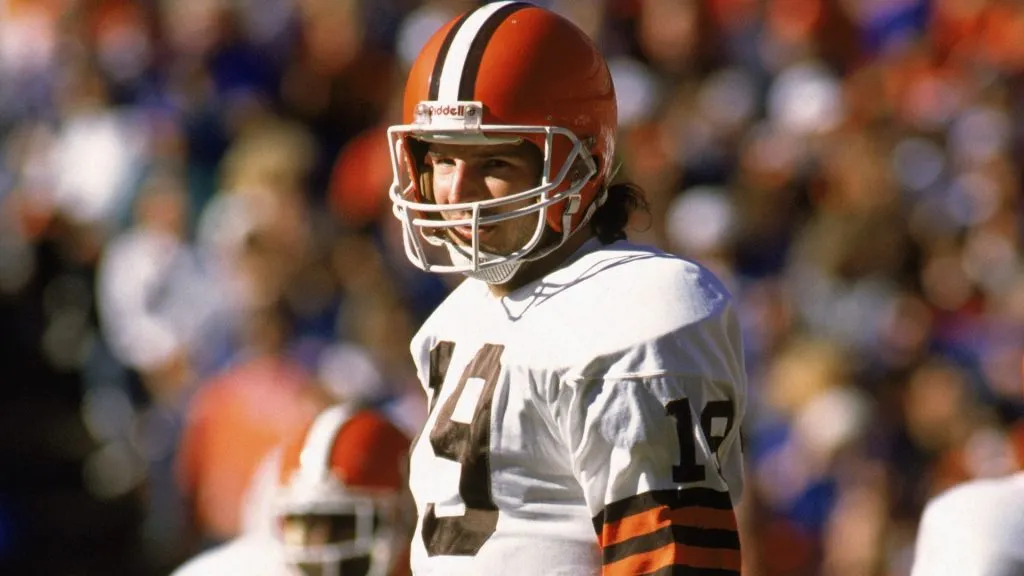
Bernie Kosar (Source: Tim DeFrisco/Getty Images)
Bernie Kosar arrived in Cleveland in 1985 through the supplemental draft, determined to wear brown and orange despite doubts surrounding him. For nearly a decade, he commanded the Browns’ offense, leading the team to multiple AFC Championship appearances and carrying the weight of a city desperate for glory. His numbers may not rival the all-time greats, but his poise in critical moments and leadership made him unforgettable.
Mike McCormack
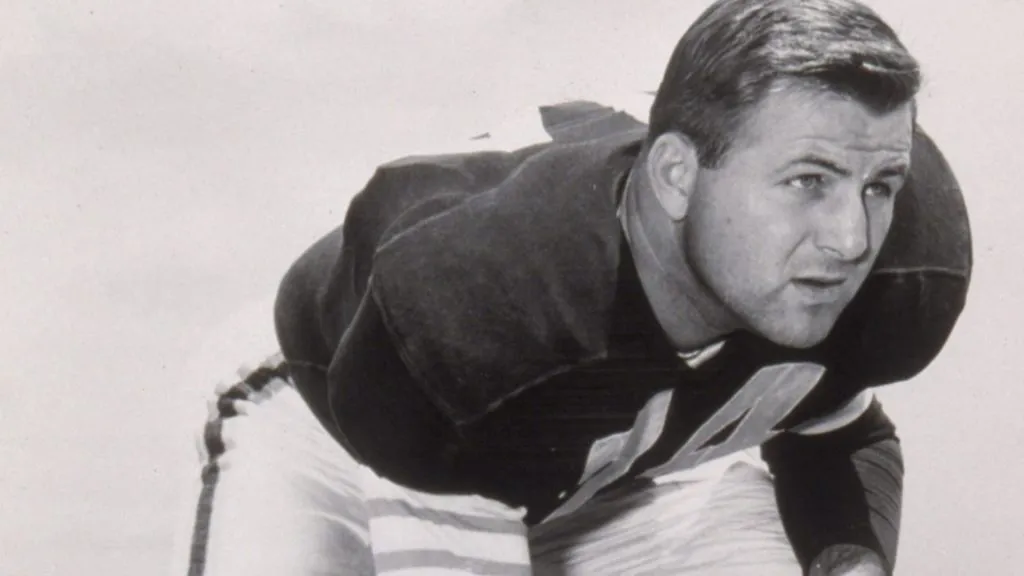
Mike McCormack (Source: Cleveland Browns)
When Paul Brown brought him to Cleveland in 1954, Mike McCormack quickly became one of the most dependable offensive tackles in football. Originally starting on defense, he found his true calling protecting quarterbacks and opening lanes for Hall of Famers like Jim Brown. His presence rarely showed in box scores, but his dominance in the trenches was essential to the Browns’ success.
Clay Matthews Jr.
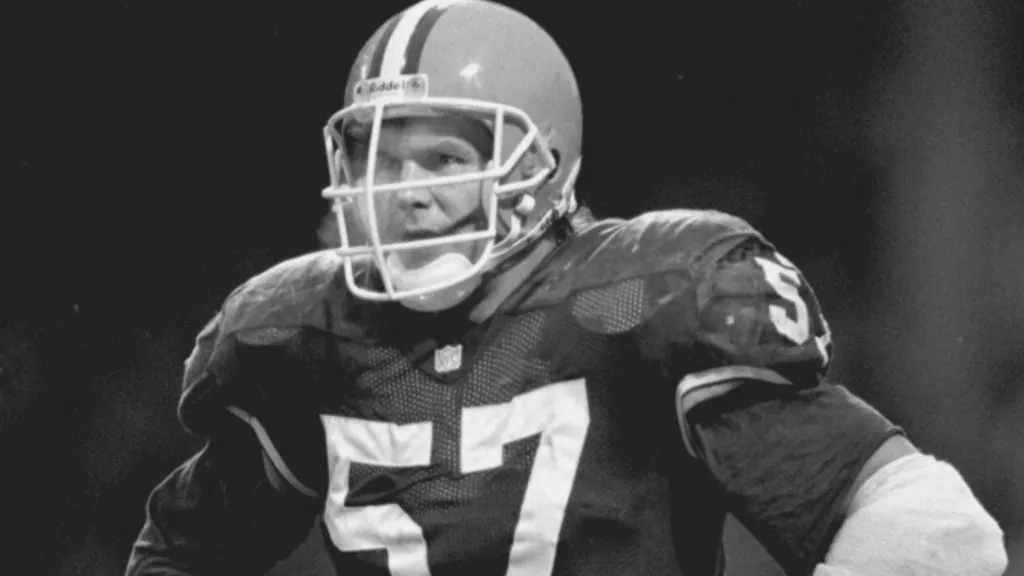
Clay Matthews Jr. (Source: cleveland.com)
For 16 seasons, Clay Matthews Jr. was the heart of Cleveland’s defense. With over 1,500 tackles, multiple Pro Bowl selections, and playoff heroics such as his memorable interception against Buffalo, he became the model of longevity and toughness. He may not have lifted a Lombardi Trophy, but his consistency and football IQ defined what it meant to wear the Browns’ uniform.
Eric Metcalf
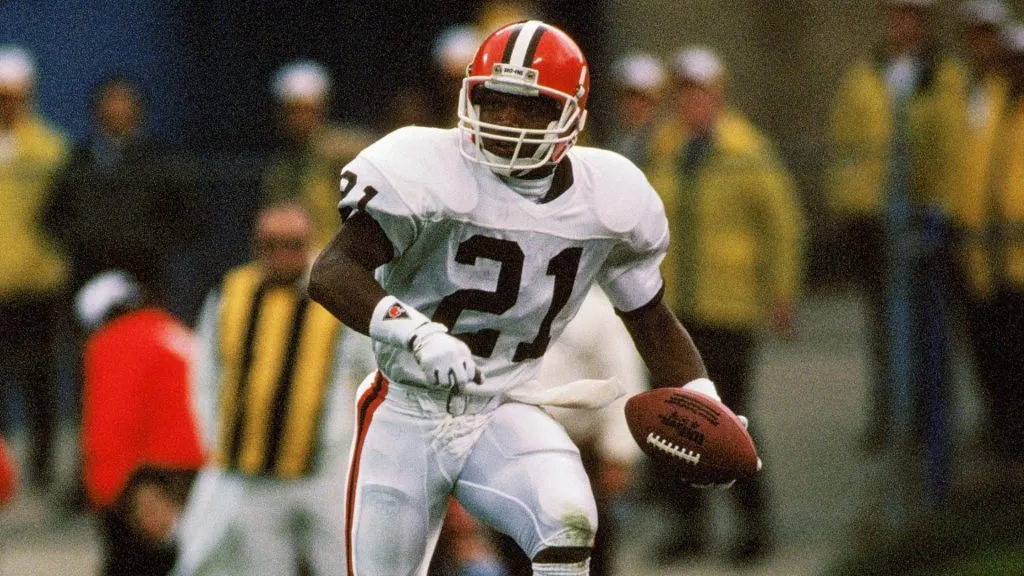
Eric Metcalf (Source: Rick Stewart/Getty Images)
Drafted in 1989, Eric Metcalf injected instant electricity into the Browns’ offense and special teams. Capable of breaking games open as a running back, receiver, and return specialist, he piled up over 2,000 all-purpose yards as a rookie. His blend of speed and creativity made him one of the most versatile and entertaining players Cleveland fans have ever seen.
Phil Dawson
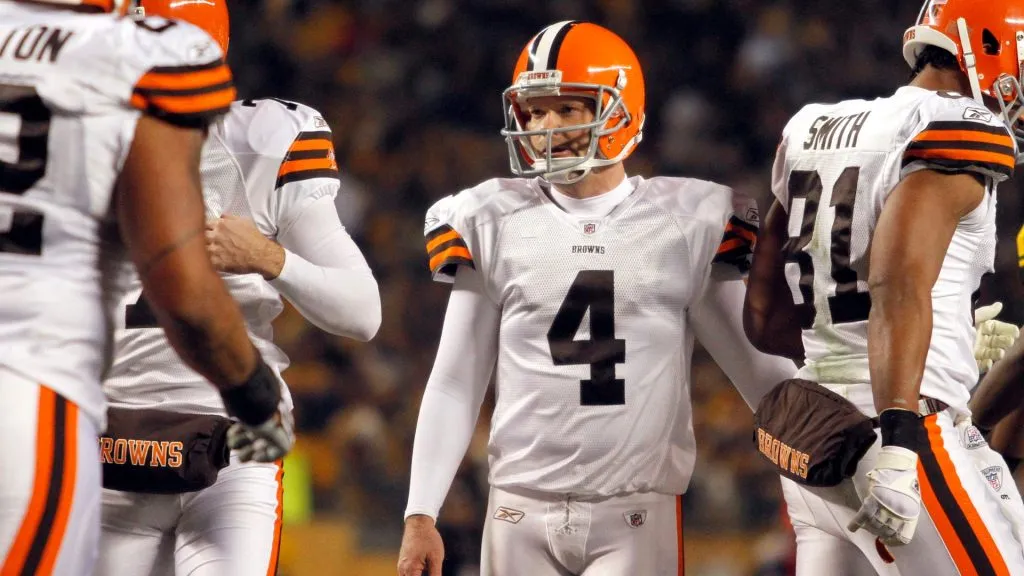
Phil Dawson (Source: Justin K. Aller/Getty Images)
Phil Dawson was never the flashiest player, but for 14 seasons he was the Browns’ steady hand when the game was on the line. Signed as a free agent in 1999, he set franchise records for consecutive field goals and became synonymous with reliability. His legacy is one of quiet excellence: a kicker who delivered time and again when his team needed three points most.
Brian Sipe
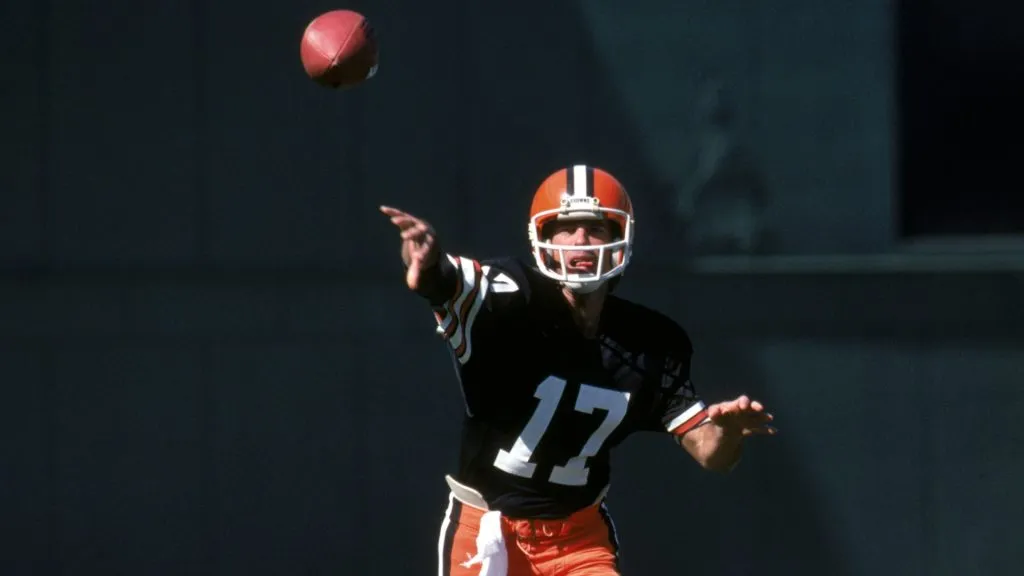
Brian Sipe (Source: George Rose/Getty Images)
In the late 1970s and early 1980s, Brian Sipe embodied Cleveland’s “Kardiac Kids” era — a team that seemed to live for dramatic finishes. In 1980, he captured NFL MVP honors, leading the Browns to the playoffs in thrilling fashion. What set him apart wasn’t just stats, but his ability to rally teammates and deliver in moments that left fans holding their breath until the final snap.
Nick Chubb
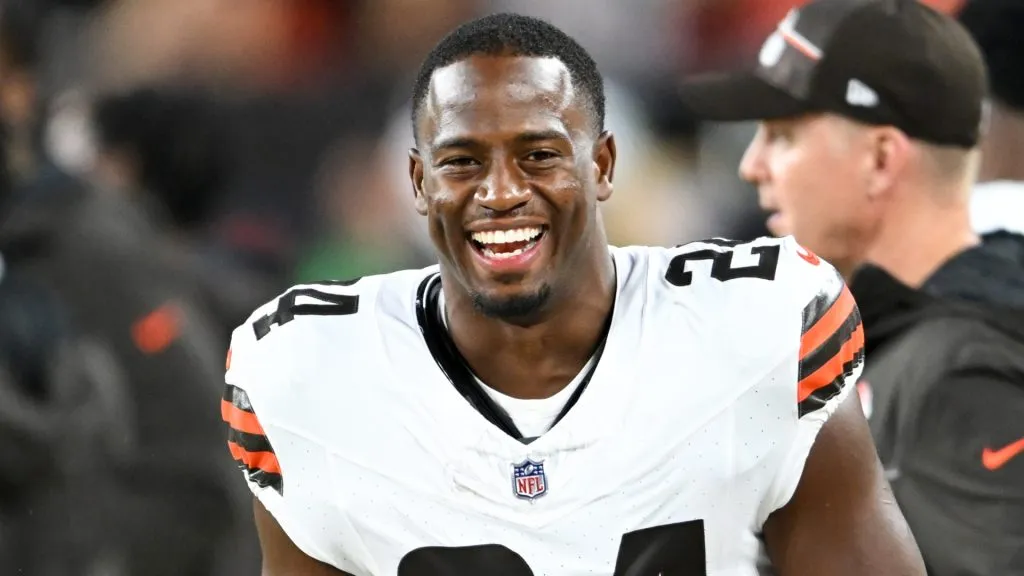
Nick Chubb (Source: Nick Cammett/Getty Images)
Since entering the league in 2018, Nick Chubb has become the heartbeat of Cleveland’s offense. Consistently among the league’s top rushers, he ranks third all-time in Browns rushing yards behind Jim Brown and Leroy Kelly. His blend of power, vision, and patience has made him not only a franchise cornerstone but also one of the NFL’s most respected backs.
Myles Garrett
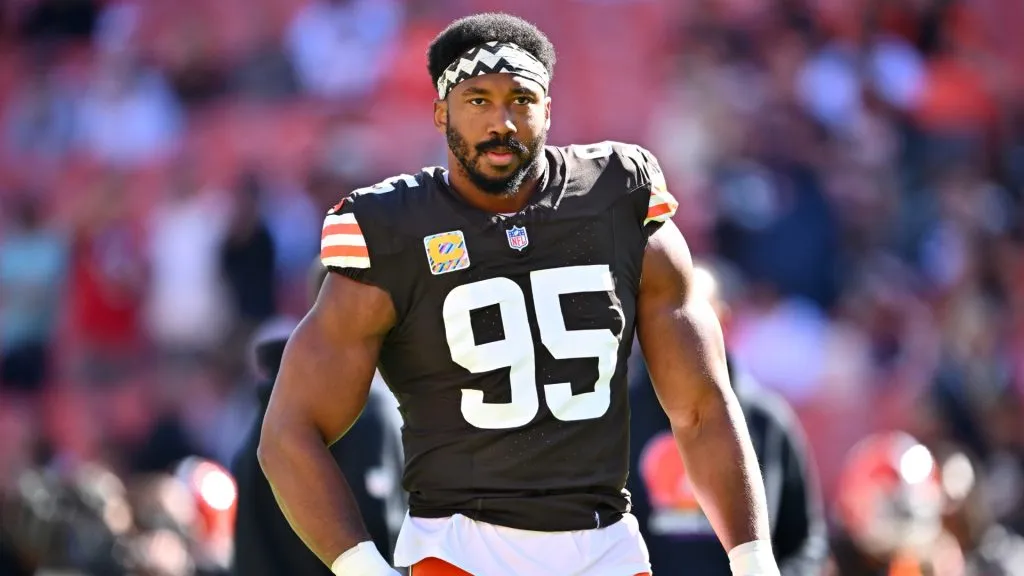
Myles Garrett (Source: Jason Miller/Getty Images)
Chosen first overall in the 2017 draft, Myles Garrett has become the modern face of the Browns’ defense. With his rare combination of strength and athleticism, he has racked up sacks, disrupted game plans, and earned multiple All-Pro and Pro Bowl honors. In 2023, he was named NFL Defensive Player of the Year. More than a stat sheet stuffer, he represents the disruptive identity Cleveland has long craved on defense.
Joe Thomas
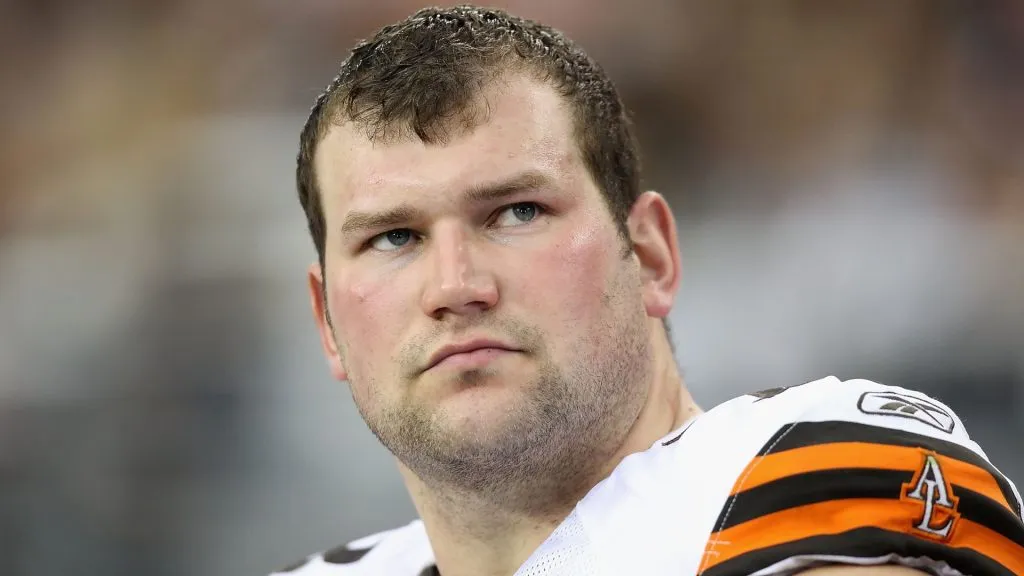
Joe Thomas (Source: Christian Petersen/Getty Images)
Joe Thomas arrived in Cleveland in 2007 as the third overall pick, and from Day One he showed why the Browns believed in building their offensive line around him. Over 11 seasons, he started every game and played 10,363 consecutive snaps—a streak that became a barometer of reliability in a franchise often beset by turmoil.
Even when Cleveland struggled (ending up with a 48-119 record in his starts), he stood out as a beacon of consistency, earning ten Pro Bowl nods and being named first-team All-Pro six times.
When he finally entered the Pro Football Hall of Fame in 2023, it wasn’t just for his faultless blocking—he became the standard for what a modern offensive tackle should be: tough, prepared, and unbreakable.
Greg Pruitt
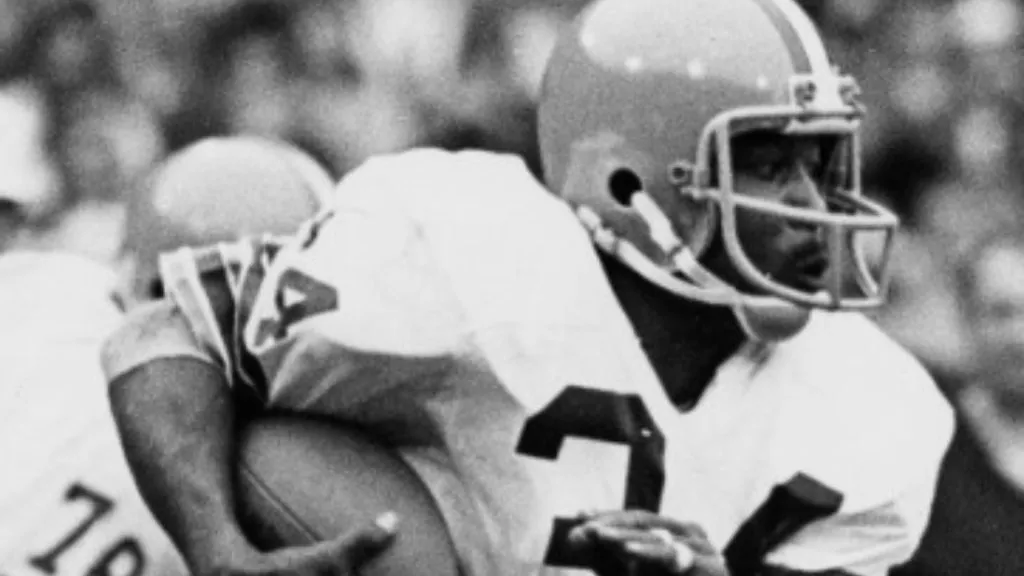
Greg Pruitt (Source: Cleveland Browns)
Small in stature but huge in impact, Greg Pruitt joined the Browns in 1973 as a second-round pick. His speed, shiftiness, and ability to gain yards in multiple ways—rushing, receiving, returns—made him a multi-threat back when versatility was less common.
Over his Cleveland career, he led the team in rushing several times, posted three 1,000-yard seasons, and before his trade to the Raiders was a player defenses had to game-plan specifically around. He also helped sustain fan interest during some lean years; watching him break through tacklers offered hope in seasons that weren’t always victories.
Hanford Dixon
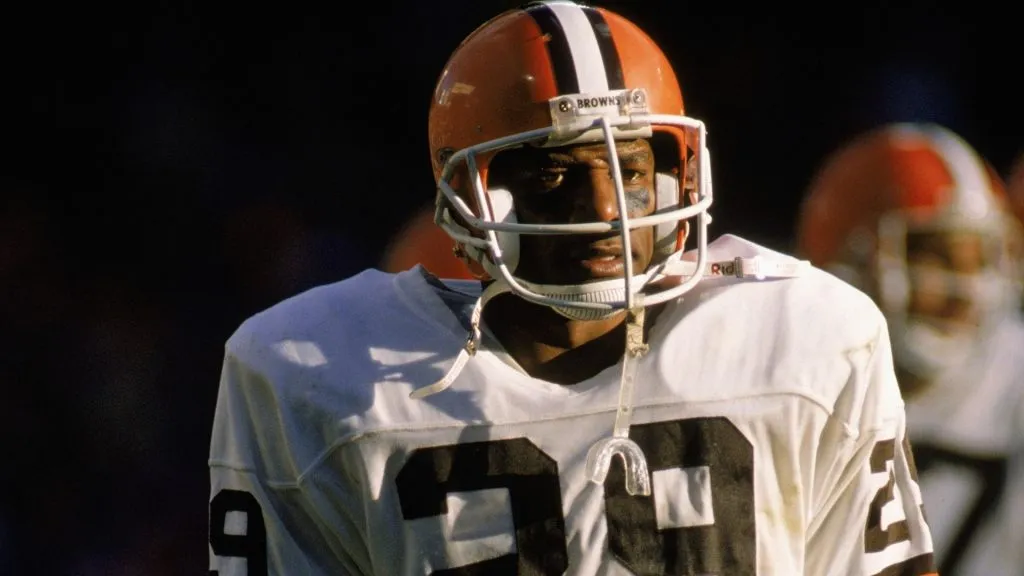
Hanford Dixon (Source: Jonathan Daniel/Getty Images)
Hanford Dixon entered Cleveland in 1981 as a cornerback with a physical style and an almost theatrical edge. His partnership with Frank Minnifield became legendary: together they terrorized wide receivers throughout the 1980s, creating one of the most feared corner tandems in the league.
But perhaps what he is most closely connected to isn’t a stat – it’s identity. He’s credited with inspiring the “Dawg Pound,” Cleveland’s blue-collar fan section known for its barking, its loyalty, and its ferocity. That cultural imprint endures.
On the field, his interception totals, his Pro Bowl and All-Pro honors, and consistency over nine seasons made him more than just a tough cover—they made him a Browns icon.
Josh Cribbs
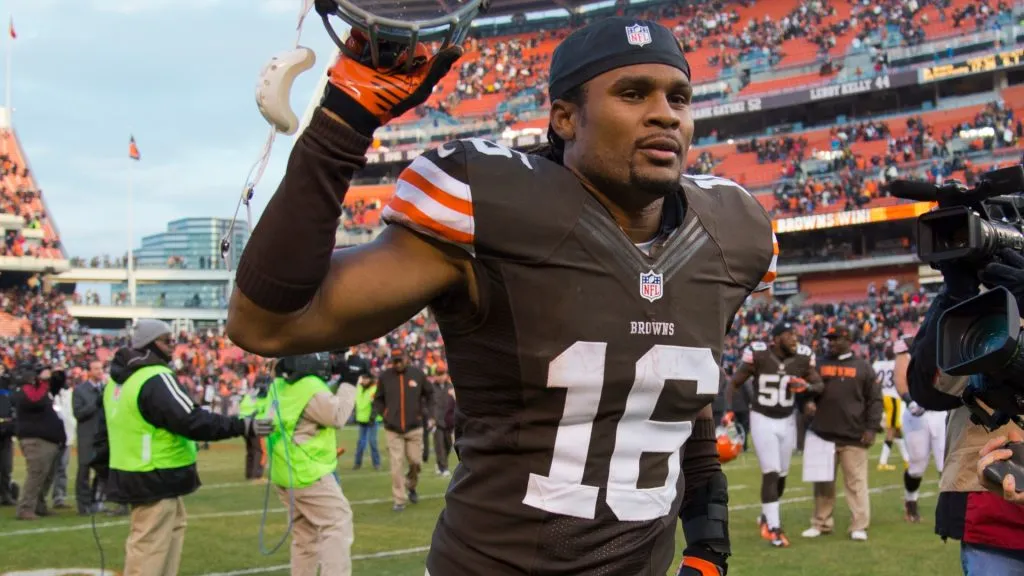
Josh Cribbs (Source: Jason Miller/Getty Images)
Josh Cribbs came into Cleveland as an undrafted free agent in 2005, and almost from the outset, he turned “special” into “spectacular.” His return abilities—both punts and kickoffs—became nightly threats.
He holds several Browns franchise records in return yardage, all-purpose yards, and combined return touchdowns. He also showed up as a receiver, but where he truly left a mark was changing field position and momentum; a shift in return yard one week could define matchups the next.
Webster Slaughter
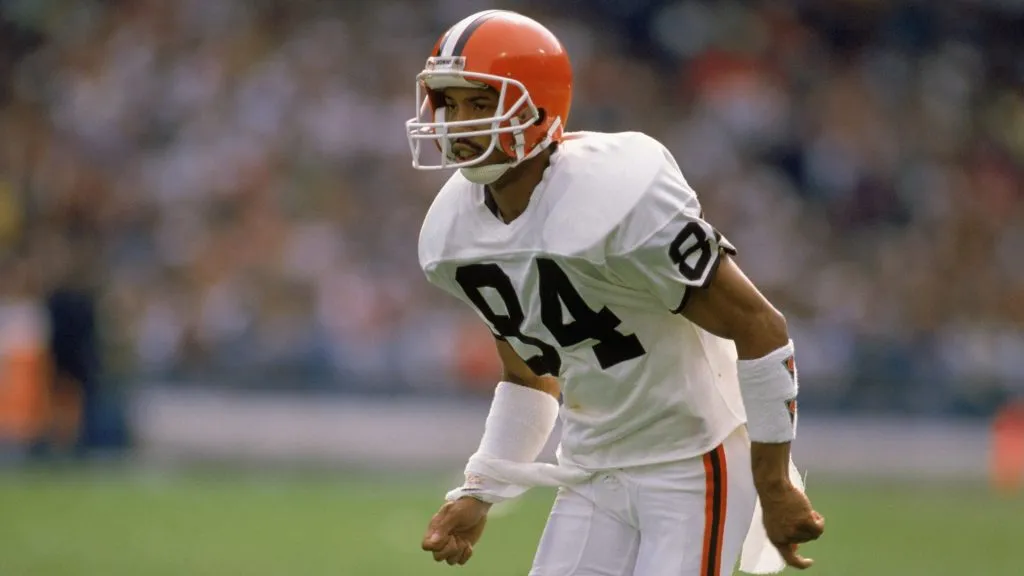
Webster Slaughter (Source: Rick Stewart/Getty Images)
Webster Slaughter is remembered for catching passes in clutch moments. Arriving in Cleveland in the mid-1980s, he developed into a reliable possession receiver with breakaway speed when he got space. His best season as a Brown saw him rack up over 1,200 receiving yards—numbers that put him among the elite receivers of his era.
His toughness, ability to win contested catches, and willingness to make the difficult plays gave the Browns’ offense a vertical threat that demanded defensive respect. Even after he moved on, his connection to Cleveland remained strong, and the Browns later recognized him in their Legends program.
Kevin Mack
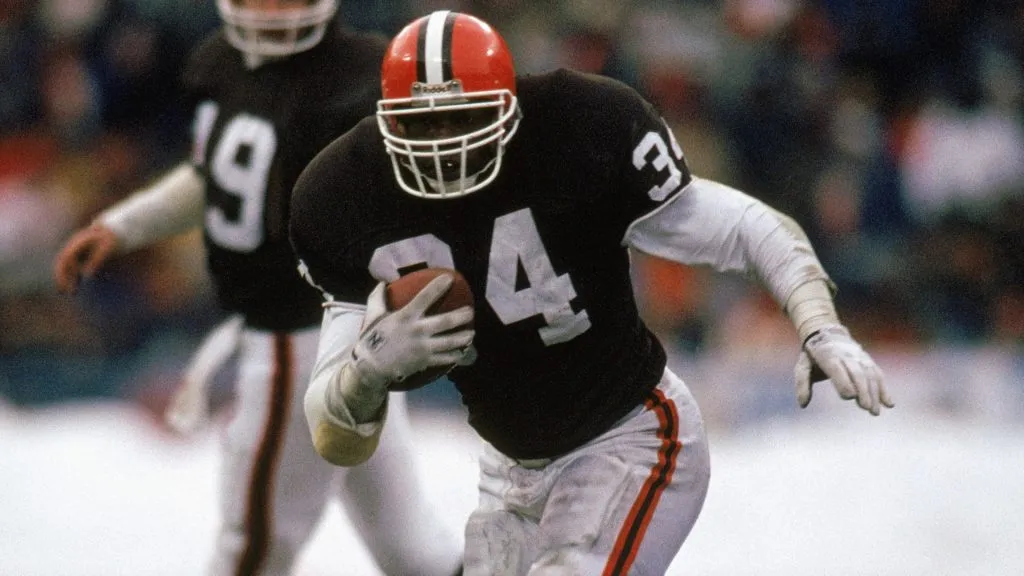
Kevin Mack (Source: Rick Stewart/Getty Images)
Kevin Mack brought a bruising, physical style to Cleveland’s backfield. He came in 1985, and immediately became part of one of the NFL’s more potent running back tandems (alongside Earnest Byner).
In his rookie season, he put up over 1,100 rushing yards and double-digit total touchdowns—unexpected output for someone often seen as a roommate to the headline back.
He was consistent across seasons, contributing both as a runner and a receiver, helping ground the offense and keeping defenses honest. Even when the team reached AFC Championship games but fell short, his presence in those deep runs ensured he’s remembered not just for his style, but for being part of Cleveland’s moments of near glory.
Joel Bitonio
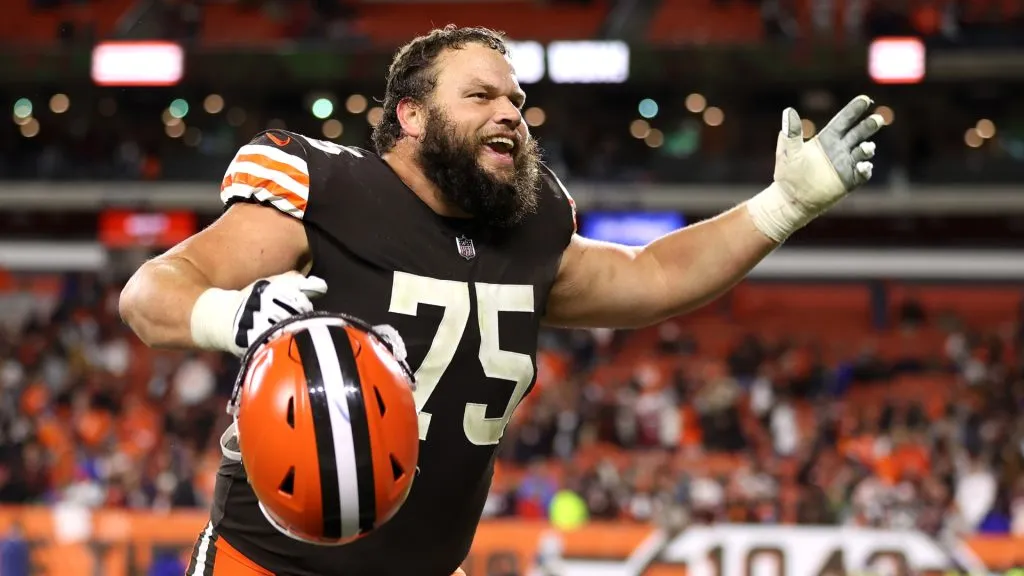
Joel Bitonio (Source: Gregory Shamus/Getty Images)
Joel Michael Bitonio has worn the Browns’ orange and brown since being drafted in the second round in 2014 out of Nevada. From rookie season onward he showed up: durable, tough, and technically sound.
At guard, he has become a foundation of Cleveland’s offensive line. He’s started every game he’s appeared in—162 so far—including multiple seasons as an All-Pro and seven Pro Bowls. His blocking helps set up the run game, and his pass protection offers reliability even under pressure.
His value isn’t just stats. He represents a consistency — in a roster that’s often seen change — that fans and coaches lean on. Between contract extensions and performance, he’s established himself not just as a line starter, but as one of the steadiest Browns icons of the recent decade.
Denzel Ward
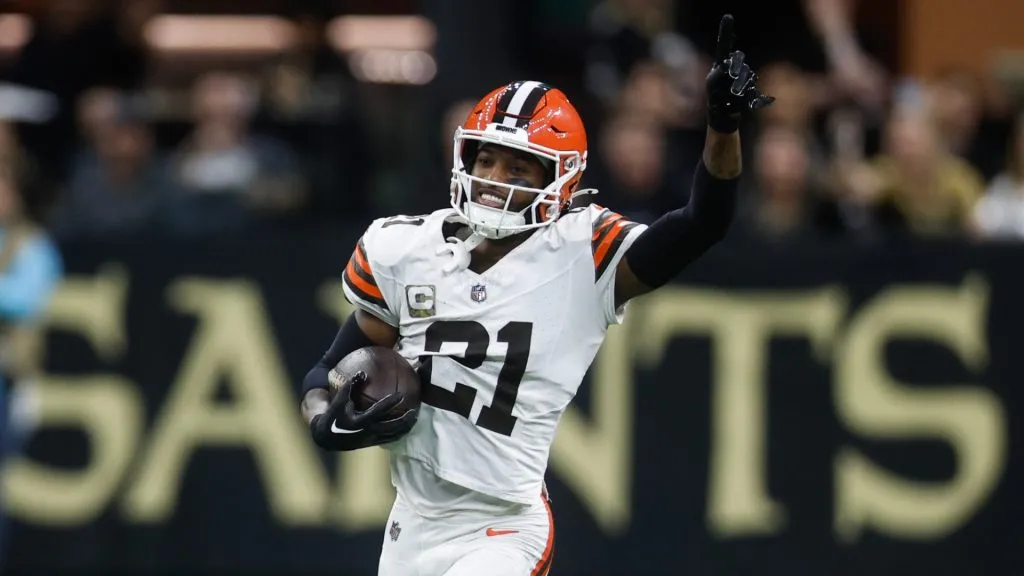
Denzel Ward (Source: Chris Graythen/Getty Images)
Denzel Ward was taken by the Browns with the 4th overall pick in the 2018 NFL Draft, a move that immediately set expectations sky-high. From his rookie season, he showed a flair for big plays: multiple interceptions, defended passes, and sometimes turning defense into offense.
He has become a defensive anchor in Cleveland’s secondary. By 2024, he set a career high with 19 pass breakups, along with interceptions and forced turnovers, consistently earning Pro Bowl honors.